Aviation Specialty Tools - Precision Equipment

application/aviation-specialty-tools, application/aviation-specialty-tools, 
Inquiry
Inquiry

aviation specialty tools

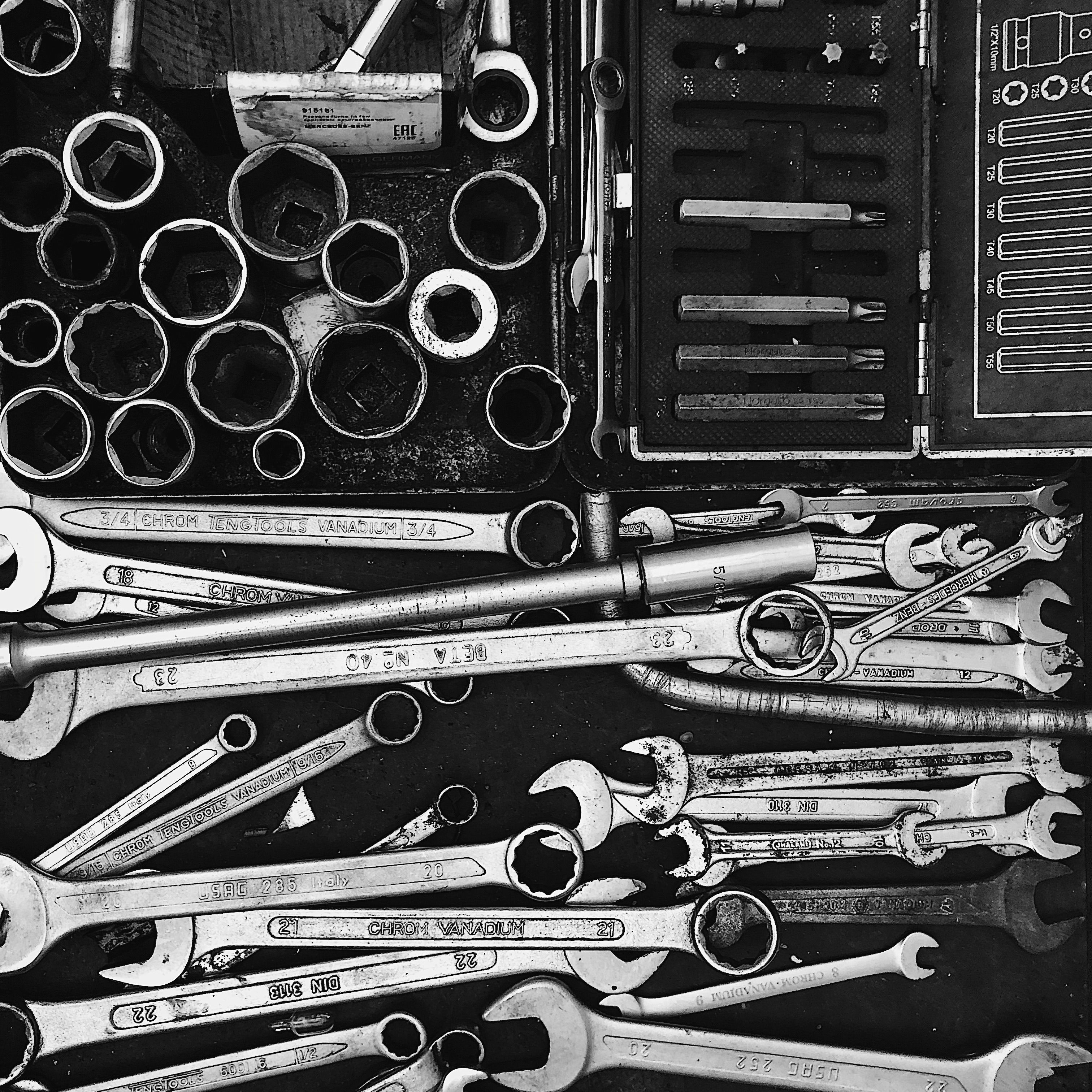
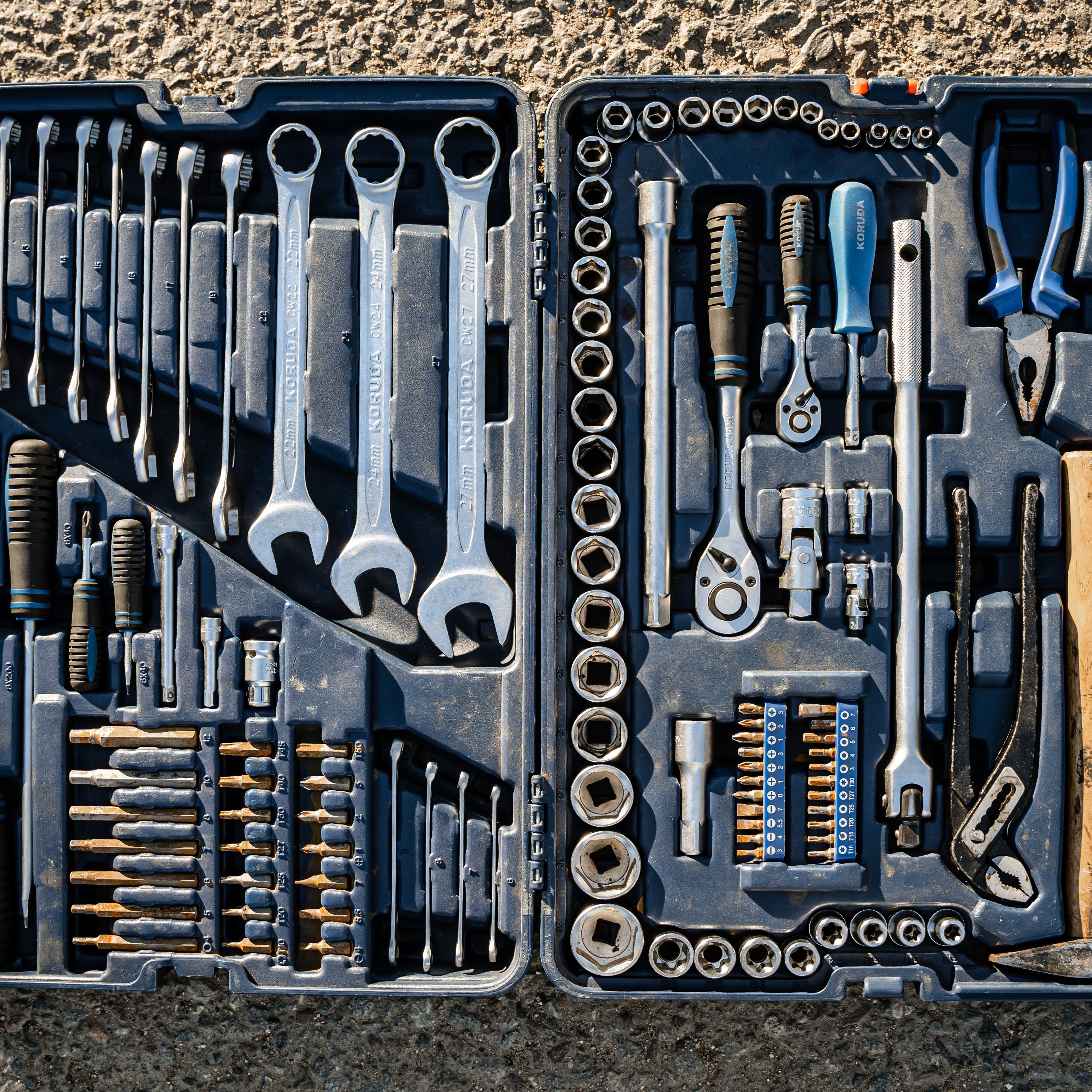
Aviation specialty tools represent a critical category of precision instruments designed specifically for the aerospace industry's unique maintenance, repair, and overhaul requirements. These specialized implements are engineered to meet stringent aviation standards, ensuring aircraft safety and operational excellence. Aviation specialty tools encompass a wide range of equipment including torque wrenches calibrated to exact specifications, safety wire pliers for secure fastening, precision drill sets for composite materials, and specialized crimping tools for electrical connections. The technological features of aviation specialty tools include aerospace-grade materials that resist corrosion and extreme temperatures, calibration systems that maintain accuracy within tight tolerances, and ergonomic designs that reduce technician fatigue during extended maintenance sessions. Many aviation specialty tools incorporate non-sparking components to prevent ignition hazards in fuel-rich environments, while others feature specialized coatings that prevent surface damage to sensitive aircraft components. These instruments find applications across commercial aviation maintenance facilities, military aircraft operations, helicopter servicing centers, and general aviation workshops. From routine inspections to complex structural repairs, aviation specialty tools enable technicians to perform work that meets Federal Aviation Administration regulations and manufacturer specifications. The precision engineering behind these tools ensures that every fastener is torqued correctly, every wire is secured properly, and every component is installed according to exacting standards that protect passenger safety and aircraft integrity.


New Product Releases

Investing in quality aviation specialty tools delivers substantial operational benefits that directly impact your bottom line and workplace efficiency. These precision instruments reduce maintenance time significantly because they are purpose-built for specific aviation tasks, eliminating the trial-and-error approach that generic tools require. Technicians complete jobs faster and with greater confidence, knowing their aviation specialty tools meet industry compliance standards automatically. The accuracy these tools provide prevents costly rework and potential safety violations that could ground aircraft and damage your reputation. Quality aviation specialty tools last considerably longer than standard alternatives because they are manufactured from superior materials designed to withstand the demanding aviation environment, providing better return on investment over time. Your team experiences fewer workplace injuries when using properly designed aviation specialty tools, as ergonomic features reduce strain and specialized safety mechanisms protect against common accidents. These tools help you maintain certification compliance effortlessly, as many come pre-calibrated with documentation that satisfies regulatory requirements during inspections. For businesses serving multiple aircraft types, aviation specialty tools offer versatility across different manufacturers and models, making your tooling investment more flexible. The precision these instruments deliver ensures that critical torque specifications, wire tensions, and installation depths are achieved consistently, protecting aircraft airworthiness and passenger safety. When you choose aviation specialty tools, you are selecting reliability that prevents unexpected tool failures during critical maintenance windows. Your operational efficiency improves because technicians spend less time searching for appropriate tools and more time completing productive work. The professional image your organization projects when using proper aviation specialty tools also enhances client confidence and can lead to increased business opportunities in the competitive aerospace service market.

Tips And Tricks

AeroLink Participates in MRO Greater China 2026 to Strengthen Global Aviation Supply Chain Cooperation

16

Jun

AeroLink Participates in MRO Greater China 2026 to Strengthen Global Aviation Supply Chain Cooperation

View More
Cost-Effective Procurement Strategies for Tools

15

Sep

Cost-Effective Procurement Strategies for Tools

Cut tool costs by 15–25% with proven procurement strategies: TCO analysis, supplier consolidation, preventive maintenance & tech-enabled management. Optimize value—start now.
View More
Maximizing APU Reliability via Better Sourcing

15

Sep

Maximizing APU Reliability via Better Sourcing

Struggling with APU downtime and costly unscheduled maintenance? Discover how certified sourcing and traceability slash failure rates. Optimize your aircraft reliability now.
View More
Precision Calibration and Regulatory Compliance

Precision Calibration and Regulatory Compliance

Aviation specialty tools are manufactured with precision calibration systems that maintain accuracy levels far exceeding standard industrial tools, ensuring every measurement and application meets strict aerospace tolerances. These instruments undergo rigorous testing and certification processes that align with Federal Aviation Administration requirements and international aviation standards. When you use properly calibrated aviation specialty tools, you eliminate guesswork from critical maintenance procedures and create documented proof of compliance that satisfies regulatory audits. Many of these tools feature built-in verification systems or come with calibration certificates that specify accuracy ranges and recalibration schedules. This compliance-ready approach saves your organization significant time during inspections and reduces the risk of violations that could result in operational shutdowns or financial penalties. The traceability that aviation specialty tools provide creates an audit trail that demonstrates your commitment to safety and quality, strengthening your position with regulatory bodies and clients alike. For maintenance organizations, this regulatory alignment translates directly into smoother certification renewals and enhanced reputation within the aerospace community.
Durability and Material Engineering Excellence

Durability and Material Engineering Excellence

The construction quality of aviation specialty tools sets them apart through advanced material engineering that addresses the unique challenges of aircraft maintenance environments. Manufacturers utilize aerospace-grade alloys, corrosion-resistant coatings, and specialized heat treatments that enable these tools to perform reliably in extreme conditions ranging from arctic cold to desert heat. Unlike conventional tools that deteriorate rapidly when exposed to hydraulic fluids, jet fuel, and cleaning solvents common in aviation facilities, aviation specialty tools are engineered specifically to resist chemical degradation and maintain structural integrity. The superior durability means these tools require replacement less frequently, reducing long-term procurement costs and ensuring consistent availability for critical maintenance schedules. Many aviation specialty tools incorporate non-magnetic materials for work near sensitive avionics systems and non-sparking compositions for fuel system maintenance, demonstrating thoughtful engineering that prioritizes safety. The ergonomic design features integrated into these tools reduce hand fatigue during repetitive tasks, protecting your technicians from cumulative strain injuries while maintaining productivity throughout extended shifts. This combination of material science and human factors engineering makes aviation specialty tools a smart investment that protects both your equipment and your workforce.
Task-Specific Design for Enhanced Efficiency

Task-Specific Design for Enhanced Efficiency

Aviation specialty tools are engineered with task-specific designs that dramatically improve maintenance efficiency by eliminating the adaptations and workarounds required with generic equipment. Each tool is developed in consultation with aviation professionals who understand the access limitations, clearance challenges, and precision requirements unique to aircraft systems. Whether you need to safety-wire a valve in a confined engine compartment or torque a fastener to exact specifications on a composite panel, aviation specialty tools provide the perfect geometry and functionality for the job. This specialization means your technicians complete maintenance procedures in significantly less time while achieving superior results compared to using adapted general-purpose tools. The efficiency gains compound across multiple maintenance events, reducing aircraft downtime and increasing your facility's throughput capacity. Aviation specialty tools often incorporate multiple functions into single instruments, reducing the number of tool changes required during procedures and streamlining workflow. The intuitive operation of properly designed aviation specialty tools also shortens training time for new technicians, helping them reach full productivity faster. When maintenance teams have immediate access to the right aviation specialty tools for each specific task, job satisfaction improves and error rates decline, creating a more effective and safer working environment.