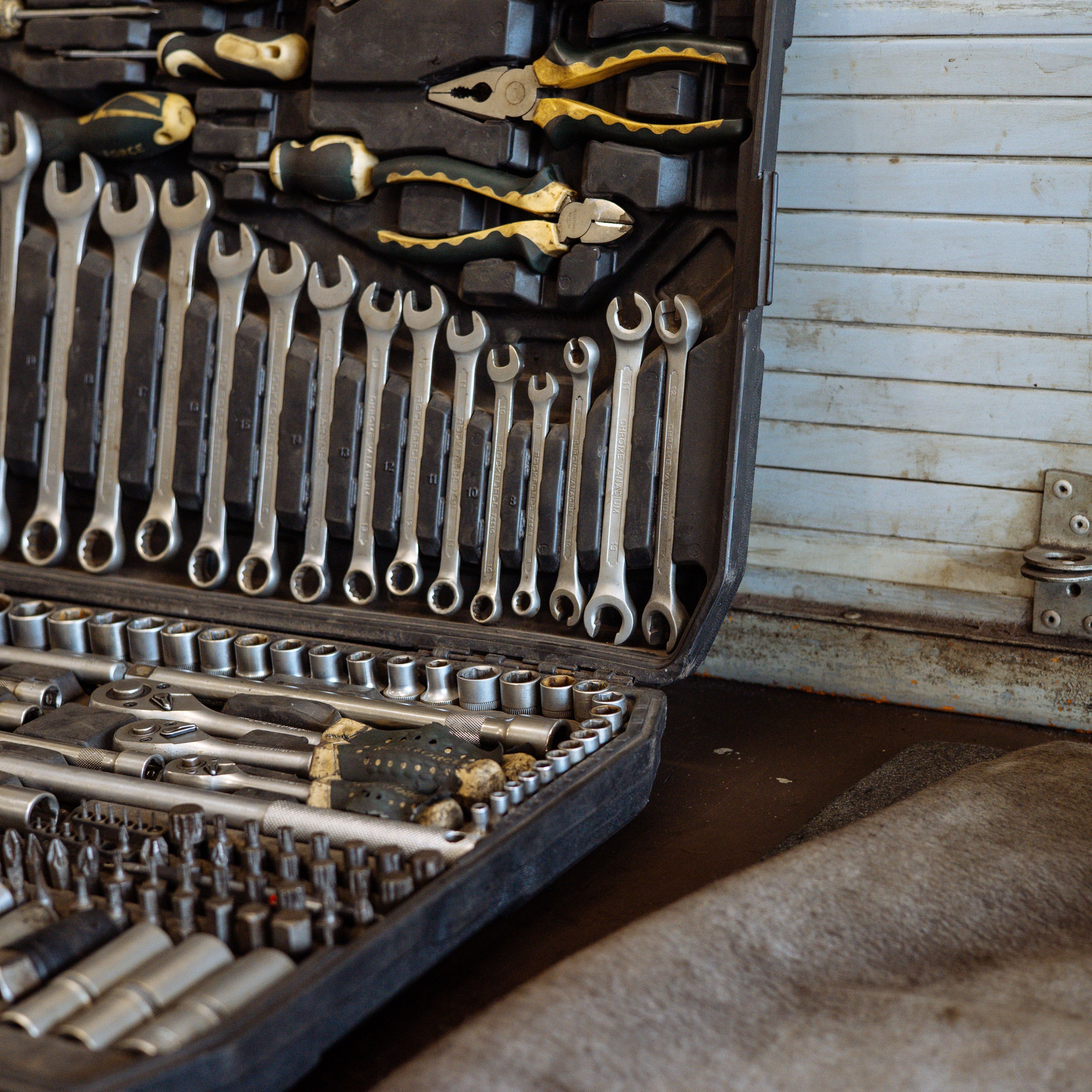
Aviation Pneumatic Tools - Professional Grade

application/aviation-pneumatic-tools, application/aviation-pneumatic-tools, 
Inquiry
Inquiry

aviation pneumatic tools

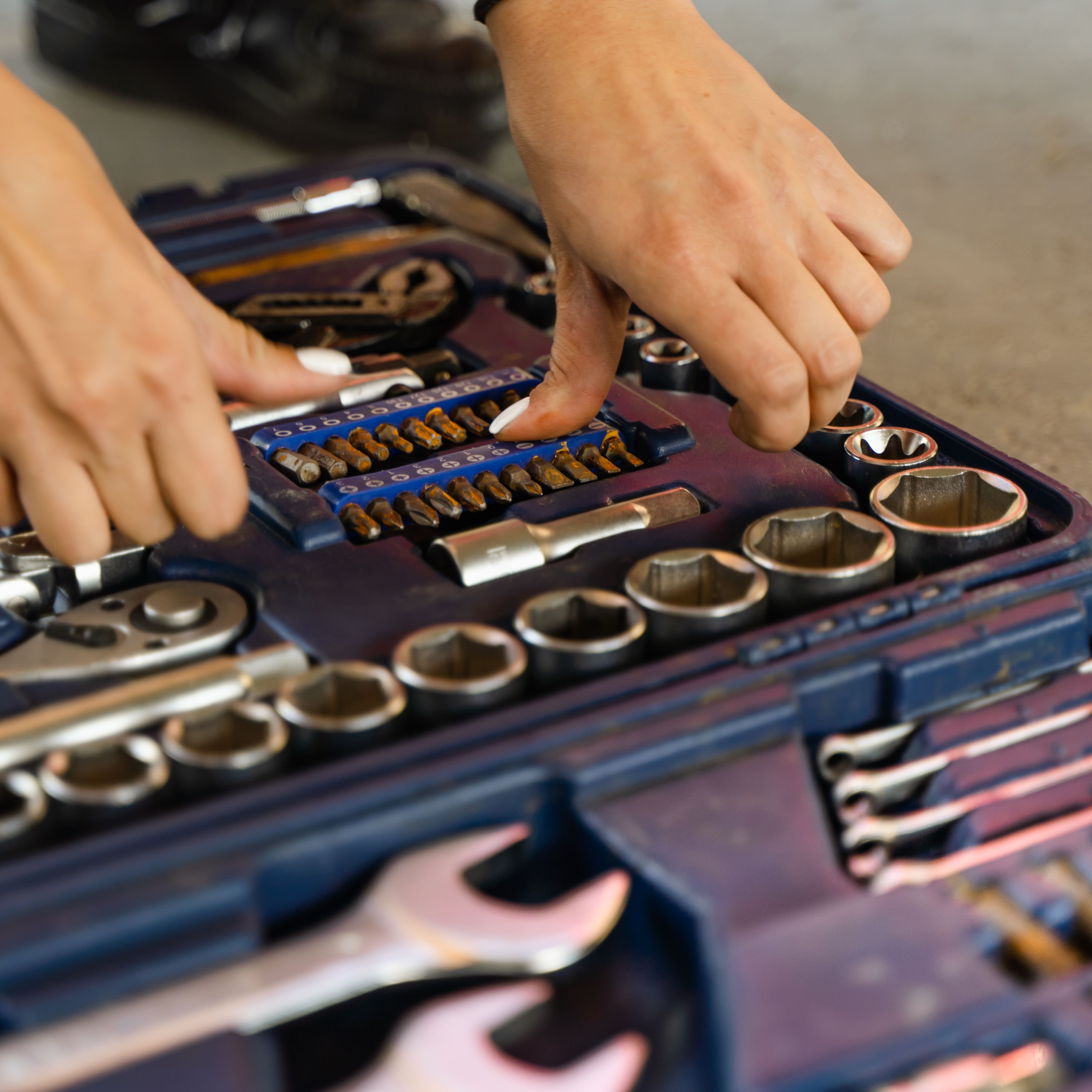
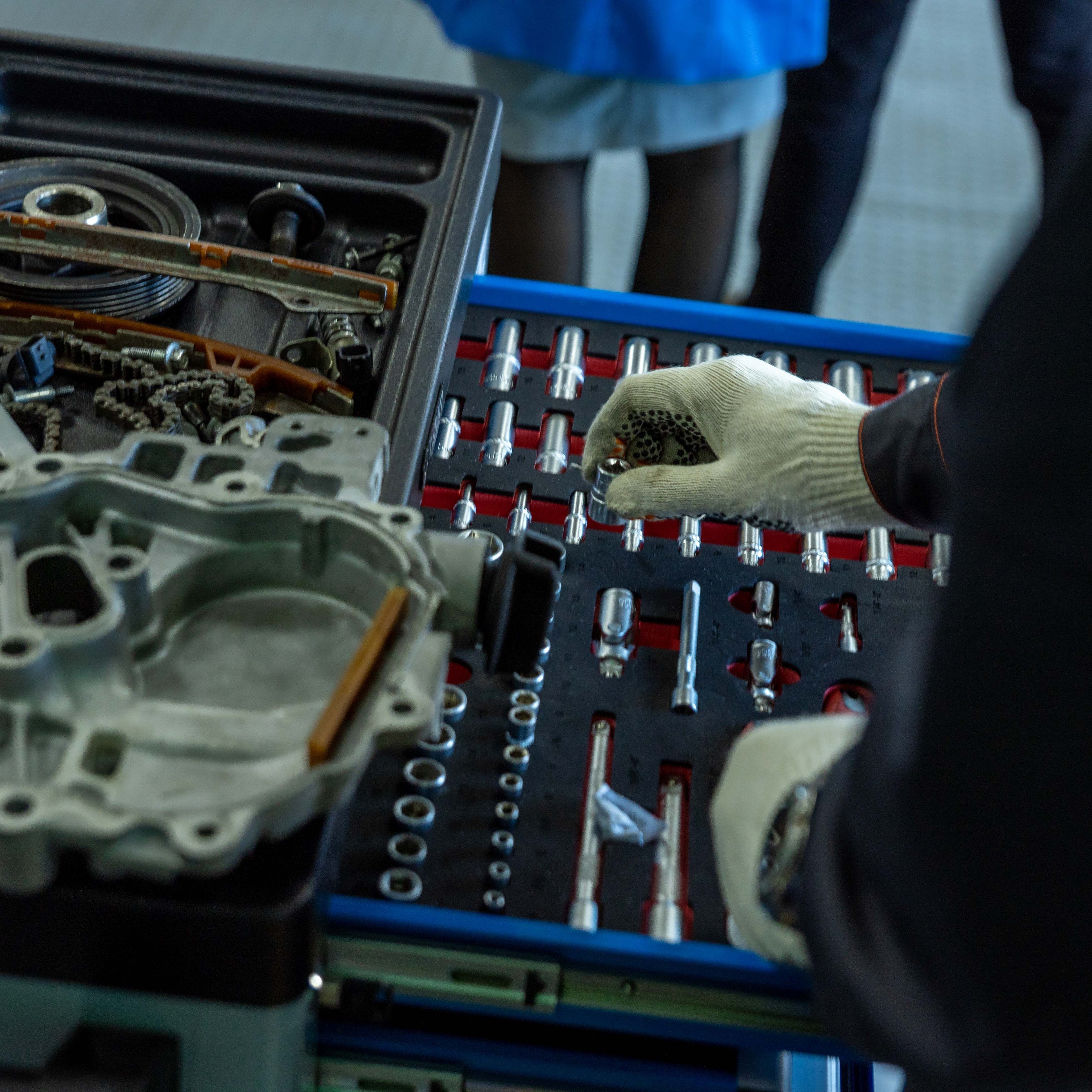
Aviation pneumatic tools are specialized compressed air-powered equipment designed specifically for aircraft maintenance, repair, and manufacturing operations. These precision instruments harness the power of compressed air to deliver consistent, reliable performance in demanding aerospace environments. Aviation pneumatic tools encompass a wide range of equipment including drills, grinders, riveters, impact wrenches, sanders, and cutting tools, all engineered to meet stringent aviation industry standards. The technological features of aviation pneumatic tools include lightweight aluminum or composite construction that reduces operator fatigue during extended use, precision-machined components ensuring consistent torque delivery, and spark-free operation that enhances safety around flammable materials. These tools incorporate advanced air motor designs that provide smooth power delivery with minimal vibration, while ergonomic grips and balanced weight distribution enable comfortable handling during intricate assembly tasks. Aviation pneumatic tools feature adjustable power settings allowing technicians to customize performance for different materials and applications, from delicate avionics work to heavy structural repairs. The applications of aviation pneumatic tools span commercial aviation maintenance facilities, military aircraft operations, helicopter servicing centers, and aerospace manufacturing plants. Technicians rely on these tools for tasks including fuselage assembly, engine maintenance, component installation, surface preparation, and structural repairs. The compliance of aviation pneumatic tools with aerospace quality standards ensures they meet the exacting requirements of FAA regulations and international aviation authorities, making them indispensable equipment in professional aircraft maintenance operations.


New Products

Aviation pneumatic tools deliver exceptional value for aircraft maintenance professionals through their combination of power, precision, and safety features. These tools operate without generating electrical sparks, making them inherently safer when working around aviation fuels, hydraulic fluids, and other flammable substances commonly present in aircraft environments. The consistent power delivery from compressed air ensures uniform results across repetitive tasks, which is critical for maintaining the quality standards required in aerospace applications. Operational benefits of aviation pneumatic tools include significantly lower heat generation compared to electric alternatives, preventing damage to sensitive aircraft materials and composite structures. The lightweight construction reduces operator fatigue during extended maintenance sessions, allowing technicians to work more efficiently throughout their shifts. Aviation pneumatic tools require minimal maintenance themselves, with simple designs that facilitate quick repairs and reduce downtime in busy maintenance facilities. The durability of these tools withstands the demanding conditions of aircraft hangars and flight lines, providing years of reliable service with proper care. From an application suitability perspective, aviation pneumatic tools excel in confined spaces within aircraft fuselages where their compact designs and flexible air hoses provide superior maneuverability. The adjustable power settings enable technicians to work on diverse materials ranging from aluminum airframes to carbon fiber composites without switching between multiple tool types. For decision-making purposes, aviation pneumatic tools represent a cost-effective investment with lower initial purchase costs compared to specialized electric tools, while compressed air infrastructure is already standard in most aviation facilities. The compatibility with existing air systems eliminates additional equipment expenses, and the tools' longevity ensures favorable total cost of ownership over their operational lifespan.

Latest News

Why Traceable Tools Are Vital for Compliance

15

Sep

Why Traceable Tools Are Vital for Compliance

Why traceable tools are non-negotiable for audit readiness, legal protection, and operational excellence.
View More
Cost-Effective Procurement Strategies for Tools

15

Sep

Cost-Effective Procurement Strategies for Tools

Cut tool costs by 15–25% with proven procurement strategies: TCO analysis, supplier consolidation, preventive maintenance & tech-enabled management. Optimize value—start now.
View More
Sourcing Verified Plane Engine Components Fast

15

Sep

Sourcing Verified Plane Engine Components Fast

Struggling with aircraft downtime? Discover proven strategies to source verified plane engine components rapidly—without compromising safety or compliance. Get started today.
View More
Essential Avio Procurement Advice for Operators

15

Sep

Essential Avio Procurement Advice for Operators

Struggling with aircraft downtime or compliance risks? This essential avio procurement guide helps operators optimize sourcing. Download your strategy blueprint now.
View More
Spark-Free Operation for Enhanced Safety

Spark-Free Operation for Enhanced Safety

Aviation pneumatic tools provide critical safety advantages through their spark-free operation, which is essential when working in aircraft environments where flammable materials are present. Unlike electric tools that can generate sparks from motor brushes or electrical contacts, aviation pneumatic tools use compressed air as their power source, completely eliminating the risk of ignition. This fundamental safety feature makes these tools the preferred choice for maintenance operations involving fuel systems, hydraulic lines, and areas where combustible vapors may accumulate. The absence of electrical components also eliminates electromagnetic interference concerns, allowing technicians to work safely near sensitive avionics and navigation equipment without risking damage to electronic systems. This intrinsic safety design reduces the need for special precautions and work permits that would otherwise be required when using spark-generating equipment, streamlining maintenance workflows and improving operational efficiency. For aviation facilities, the use of aviation pneumatic tools helps maintain compliance with strict safety regulations while protecting both personnel and valuable aircraft assets from fire hazards.
Precision Control for Aircraft-Grade Quality

Precision Control for Aircraft-Grade Quality

Aviation pneumatic tools incorporate advanced air motor technology and precision engineering that delivers the exact control required for aircraft-grade workmanship. These tools feature variable speed triggers and adjustable power regulators that allow technicians to fine-tune performance for specific tasks, from delicate avionics installations requiring gentle torque to structural fastening demanding higher power levels. The smooth power delivery characteristic of aviation pneumatic tools minimizes vibration and provides steady operation, enabling precise drilling, riveting, and fastening without damaging sensitive aircraft materials. This precision is particularly valuable when working with modern composite materials and thin aluminum alloys where excessive force or vibration could compromise structural integrity. The consistent torque output ensures uniform fastener tension across multiple installations, which is critical for maintaining the structural specifications required in aerospace applications. Aviation pneumatic tools maintain their performance characteristics throughout extended use without the power degradation that can affect battery-operated alternatives, ensuring the last fastener receives the same precise treatment as the first during large assembly or repair projects.
Ergonomic Design for Extended Productivity

Ergonomic Design for Extended Productivity

Aviation pneumatic tools prioritize operator comfort through carefully engineered ergonomic designs that reduce fatigue and enhance productivity during lengthy maintenance operations. The lightweight construction, typically utilizing aerospace-grade aluminum alloys and advanced composites, minimizes the physical strain on technicians who must work in awkward positions within aircraft structures or hold tools overhead for extended periods. Balanced weight distribution places the center of gravity close to the grip, reducing wrist strain and enabling better control during precision work. Aviation pneumatic tools feature contoured handles with cushioned grips that absorb residual vibration and provide comfortable contact points, while exhaust systems are strategically positioned to direct air away from the operator's hands and face. The compact profiles of these tools allow access to confined spaces within fuselages, wheel wells, and engine compartments where larger electric tools cannot fit effectively. This combination of lightweight construction, balanced design, and thoughtful ergonomics allows maintenance technicians to sustain high performance throughout their shifts, reducing workplace injuries and improving overall work quality on critical aircraft systems.