Aviation Sheet Metal Tools - Precision Equipment

application/aviation-sheet-metal-tools, application/aviation-sheet-metal-tools, 
Inquiry
Inquiry

aviation sheet metal tools

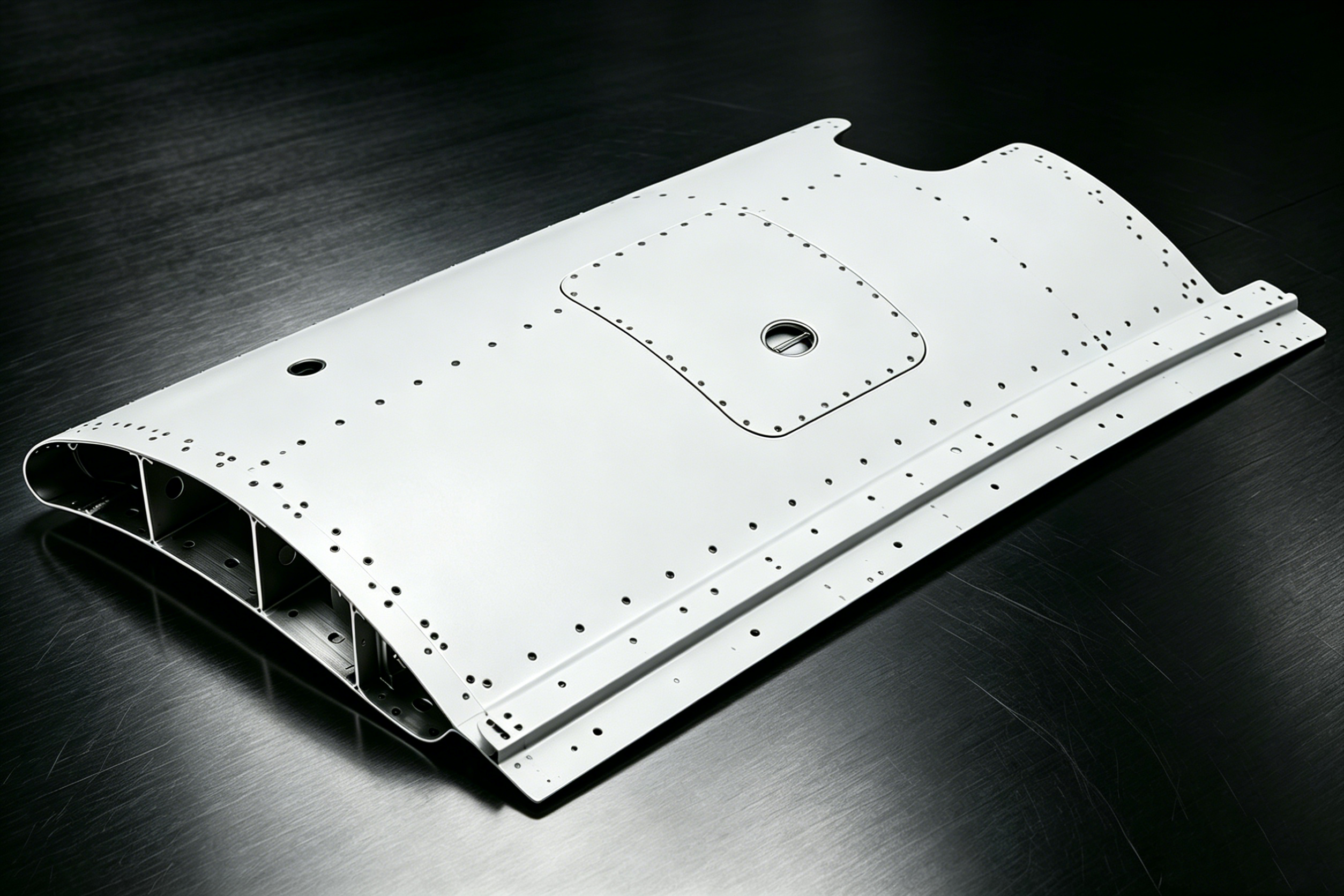
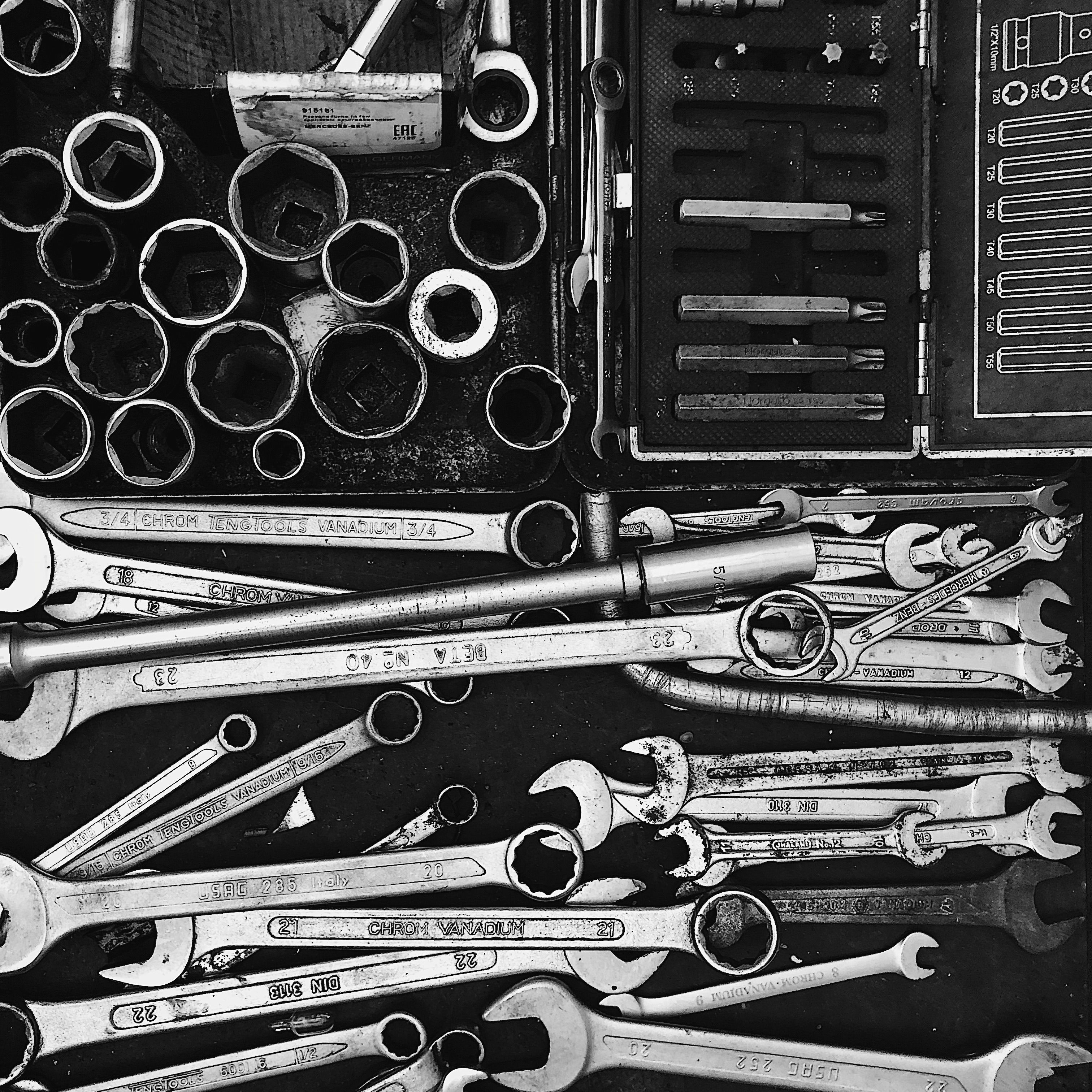
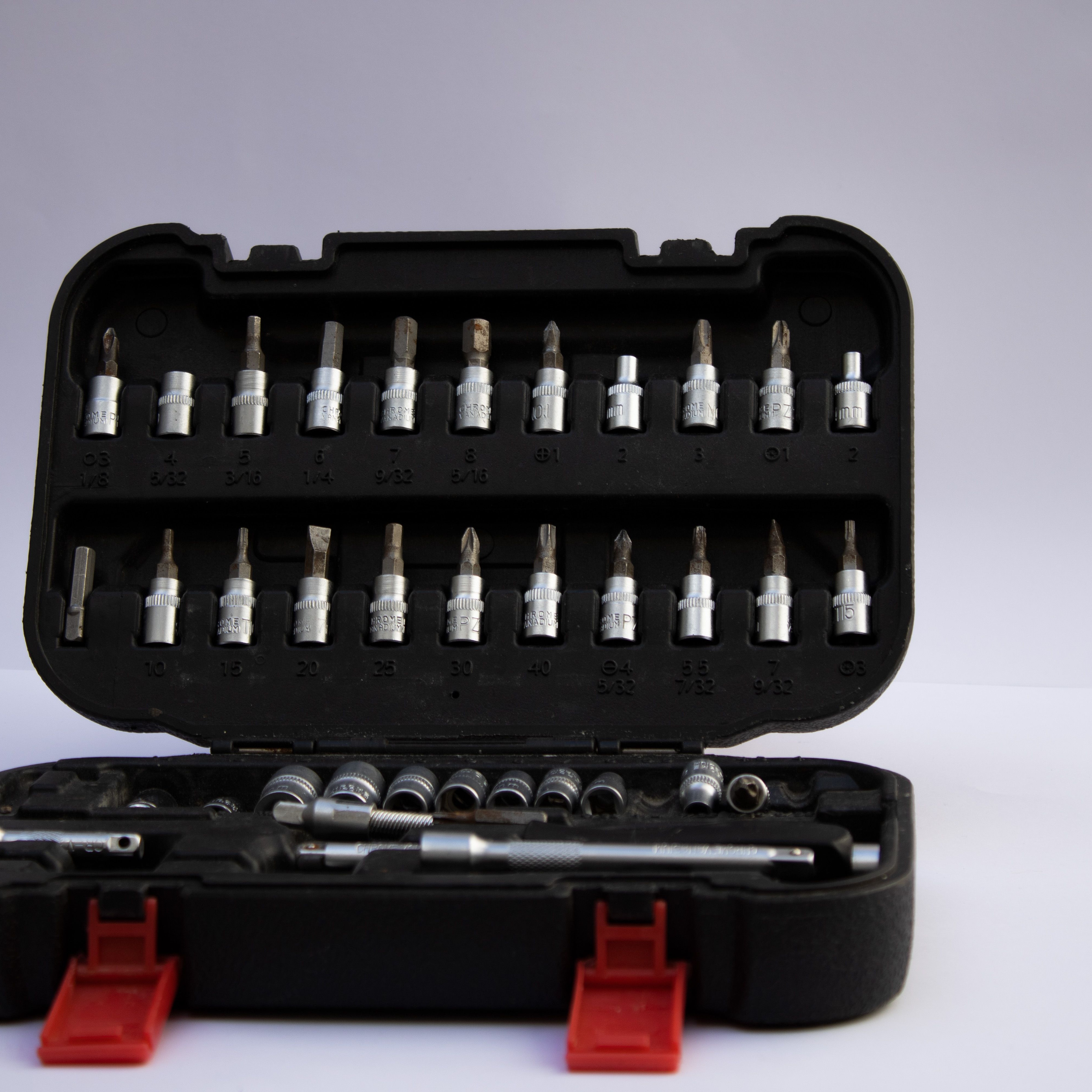
Aviation sheet metal tools represent a specialized category of precision instruments designed specifically for forming, cutting, shaping, and assembling metal components in aircraft manufacturing and maintenance operations. These tools are engineered to meet the exacting standards required in aerospace applications where safety, precision, and quality are paramount. Aviation sheet metal tools encompass a wide range of equipment including snips, shears, rivet guns, forming stakes, shrinking tools, stretching equipment, and specialized hammers that enable technicians to work with aluminum, titanium, stainless steel, and composite materials commonly used in aircraft construction. The technological features of these tools include ergonomic designs that reduce operator fatigue during extended use, hardened cutting edges for durability, calibrated forming surfaces that ensure consistent results, and construction from high-grade materials that resist wear and deformation. Many modern aviation sheet metal tools incorporate advanced features such as pneumatic or hydraulic power assistance, adjustable settings for different material thicknesses, and replaceable components that extend tool life. These instruments find applications across various sectors including commercial aviation maintenance facilities, military aircraft repair depots, general aviation workshops, aerospace manufacturing plants, and training institutions. The precision and reliability of aviation sheet metal tools directly impact aircraft structural integrity, making them indispensable for professionals who demand excellence in metalworking operations throughout the aircraft lifecycle from initial fabrication through ongoing maintenance and repair activities.

New Product Recommendations

Investing in quality aviation sheet metal tools delivers substantial value through enhanced productivity and superior work outcomes that directly benefit your bottom line. These specialized instruments allow technicians to complete complex metalworking tasks more efficiently than general-purpose tools, reducing labor hours and accelerating project timelines. The precision engineering inherent in aviation sheet metal tools ensures consistent, accurate results that minimize material waste and eliminate costly rework, saving both time and resources. Operators experience reduced physical strain due to ergonomic designs and power-assisted options, which translates to improved work quality and fewer workplace injuries. The durability of these professional-grade tools means they withstand demanding daily use in harsh workshop environments, providing years of reliable service that justifies the initial investment. Aviation sheet metal tools enable your team to achieve the tight tolerances and smooth finishes required for aircraft components, ensuring compliance with stringent aerospace quality standards and regulatory requirements. These tools are specifically suited for working with the unique materials and thicknesses encountered in aviation applications, from thin aluminum skins to thicker structural elements, offering versatility across diverse repair and fabrication scenarios. The ability to produce professional results consistently helps maintenance facilities build reputation, retain customers, and win new contracts. For training programs, quality aviation sheet metal tools provide students with hands-on experience using industry-standard equipment, better preparing them for career success. The decision to equip your operation with proper aviation sheet metal tools represents a commitment to quality craftsmanship, operational efficiency, and long-term cost effectiveness that pays dividends through improved output, enhanced safety, and competitive advantage in the demanding aerospace sector.

Tips And Tricks

Ensuring Landing Gear Safety with Certified Parts

15

Sep

Ensuring Landing Gear Safety with Certified Parts

Why certified landing gear prevents runway incidents and meets FAA/EASA standards. Learn how to source, verify, and maintain compliant parts—get the guide now.
View More
Why Traceable Tools Are Vital for Compliance

15

Sep

Why Traceable Tools Are Vital for Compliance

Why traceable tools are non-negotiable for audit readiness, legal protection, and operational excellence.
View More
Selecting Reliable GSE to Improve Ground Ops

15

Sep

Selecting Reliable GSE to Improve Ground Ops

Struggling with aircraft delays? Discover how choosing reliable GSE vendors improves turnaround time. Get your free vendor evaluation checklist.
View More
Sourcing Traceable APU Spare Parts Efficiently

14

Sep

Sourcing Traceable APU Spare Parts Efficiently

Struggling with APU part delays and audit risks? Discover how to source traceable APU spare parts efficiently while ensuring FAA/EASA compliance. Get actionable steps now.
View More
Precision Engineering for Critical Applications

Precision Engineering for Critical Applications

Aviation sheet metal tools are manufactured to exacting specifications that far exceed ordinary metalworking instruments, incorporating precision-ground cutting surfaces, calibrated forming contours, and carefully controlled tolerances. This engineering excellence ensures that every bend, cut, and formed edge meets the demanding requirements of aerospace applications where even minor imperfections can compromise structural integrity or aerodynamic performance. The precision built into these tools allows technicians to reproduce identical components repeatedly, maintaining consistency across production runs or repair operations. Hardened tool steel construction and specialized coatings resist wear and maintain dimensional accuracy throughout thousands of use cycles, preserving the precision that aircraft work demands. This reliability eliminates the uncertainty and variability associated with worn or inferior tools, giving operators confidence that their work will pass rigorous quality inspections. For operations requiring certification compliance and documentation, the consistent performance of quality aviation sheet metal tools simplifies quality assurance processes and reduces rejection rates, directly impacting profitability and reputation in an industry where precision is non-negotiable.
Ergonomic Design Reducing Operator Fatigue

Ergonomic Design Reducing Operator Fatigue

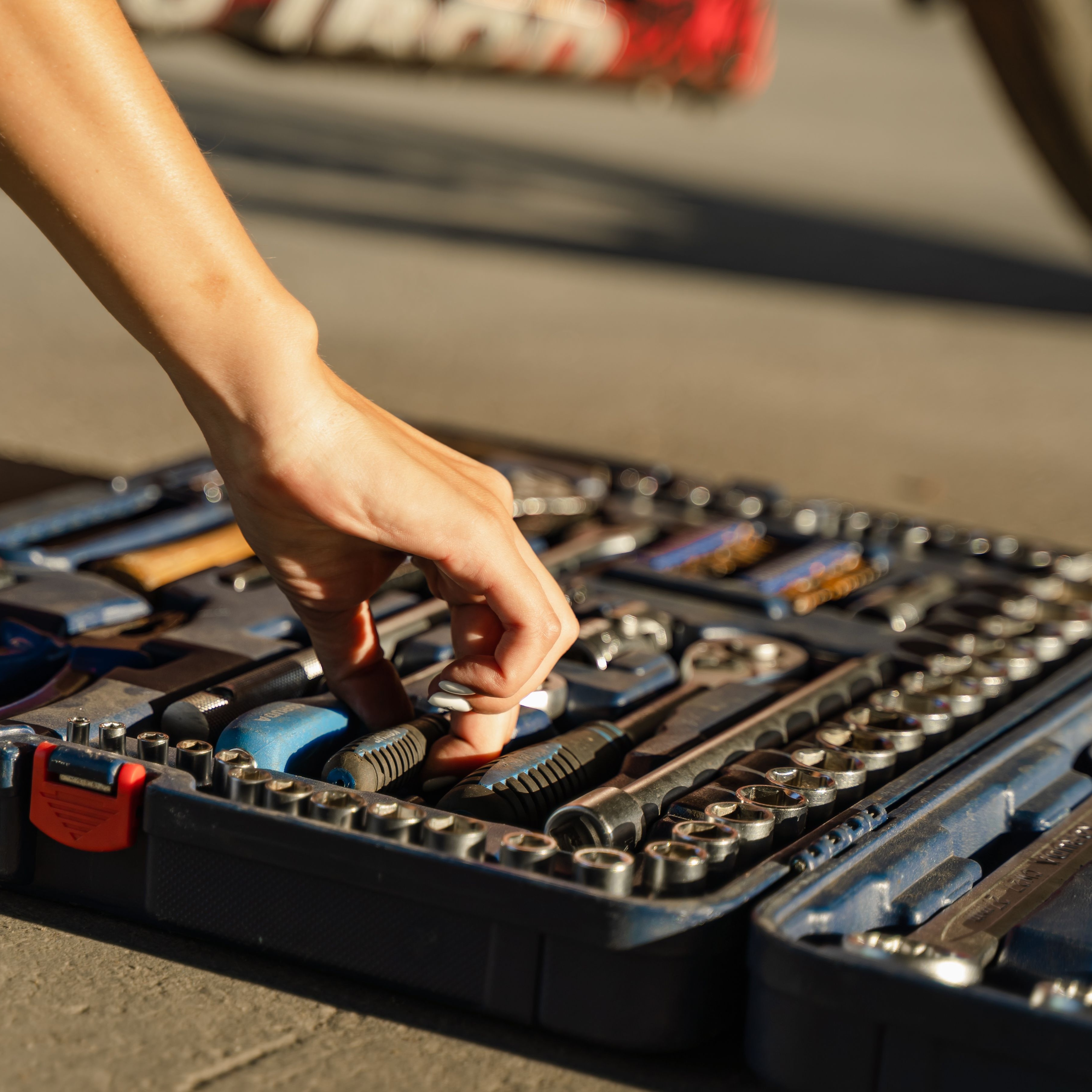
Modern aviation sheet metal tools incorporate thoughtful ergonomic features that significantly reduce physical strain during extended use, recognizing that technicians often spend hours performing repetitive metalworking operations. Contoured handles with cushioned grips distribute pressure evenly across the hand, preventing hot spots and reducing grip fatigue. Balanced weight distribution minimizes wrist strain and allows for more controlled, precise movements during delicate forming operations. Many aviation sheet metal tools feature compound leverage mechanisms or power assistance that multiply operator force, enabling work on thicker materials without excessive physical effort. Adjustable handles accommodate different hand sizes and working positions, allowing technicians to maintain natural wrist angles that prevent repetitive stress injuries. The reduced fatigue from using properly designed aviation sheet metal tools translates to improved work quality as operators maintain focus and precision throughout their shifts rather than rushing through tasks while tired. This ergonomic advantage also contributes to workplace safety by reducing accidents caused by fatigue-related lapses in concentration, protecting both personnel and expensive aircraft components from damage while supporting long-term workforce health and retention.
Versatile Application Across Aircraft Types

Versatile Application Across Aircraft Types

Aviation sheet metal tools demonstrate remarkable versatility in handling the diverse metalworking challenges encountered across different aircraft categories, from small general aviation planes to large commercial jets and military fighters. These tools effectively work with the full spectrum of aerospace materials including various aluminum alloys, corrosion-resistant steels, titanium components, and even composite-metal hybrid structures increasingly common in modern aircraft design. Adjustable settings and interchangeable components allow a single set of aviation sheet metal tools to accommodate different material thicknesses and hardness levels, eliminating the need for separate tool collections for each aircraft type. This adaptability proves especially valuable for maintenance facilities servicing mixed fleets or shops handling both new fabrication and repair work where material specifications vary widely. The comprehensive capabilities of quality aviation sheet metal tools enable technicians to address everything from minor skin repairs to major structural modifications using familiar equipment, reducing training requirements and improving efficiency. This versatility extends the return on investment by ensuring tools remain useful across changing work demands and evolving aircraft technologies, providing lasting value that justifies premium pricing through sustained utility across diverse applications throughout your operation.