aircraft engine cost
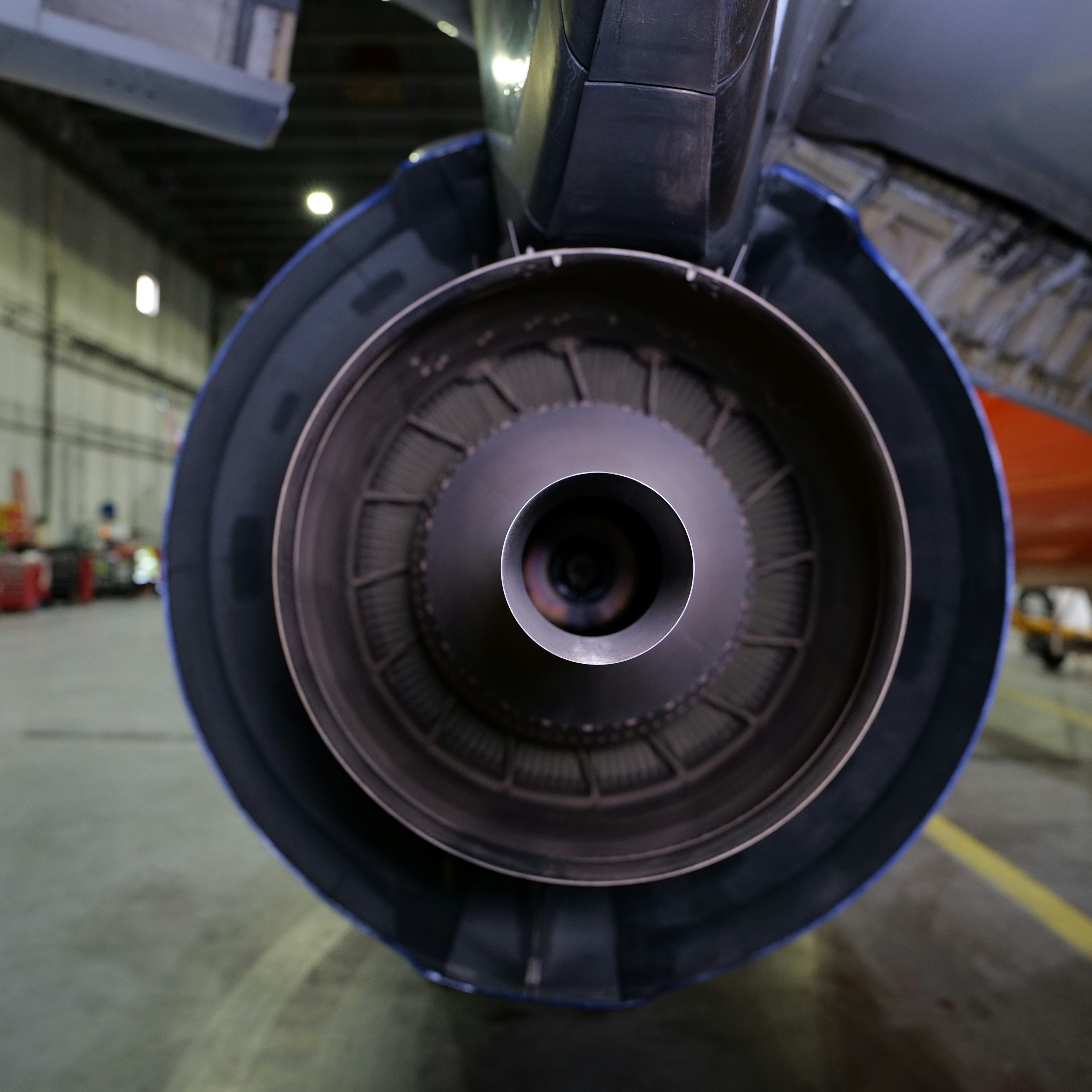
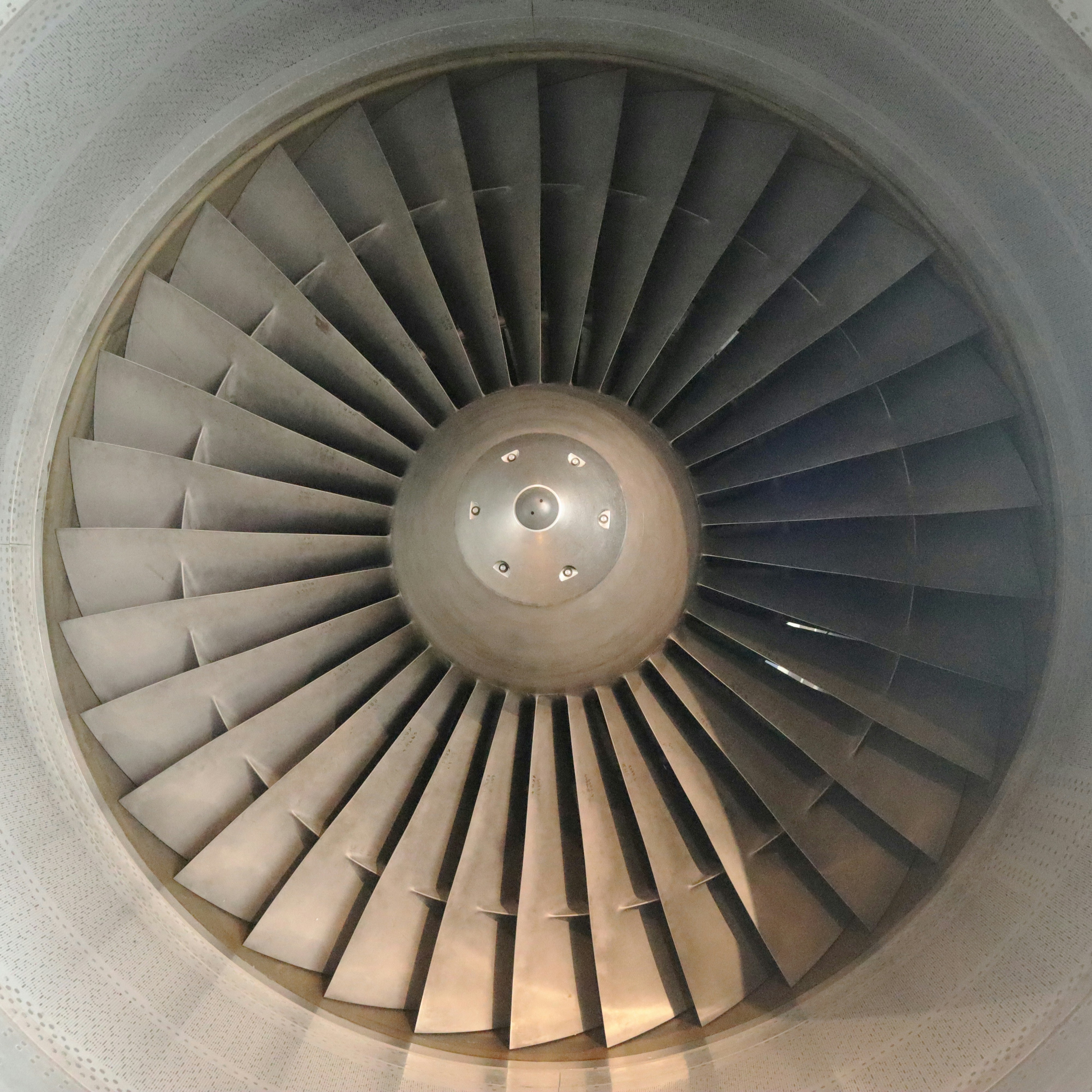
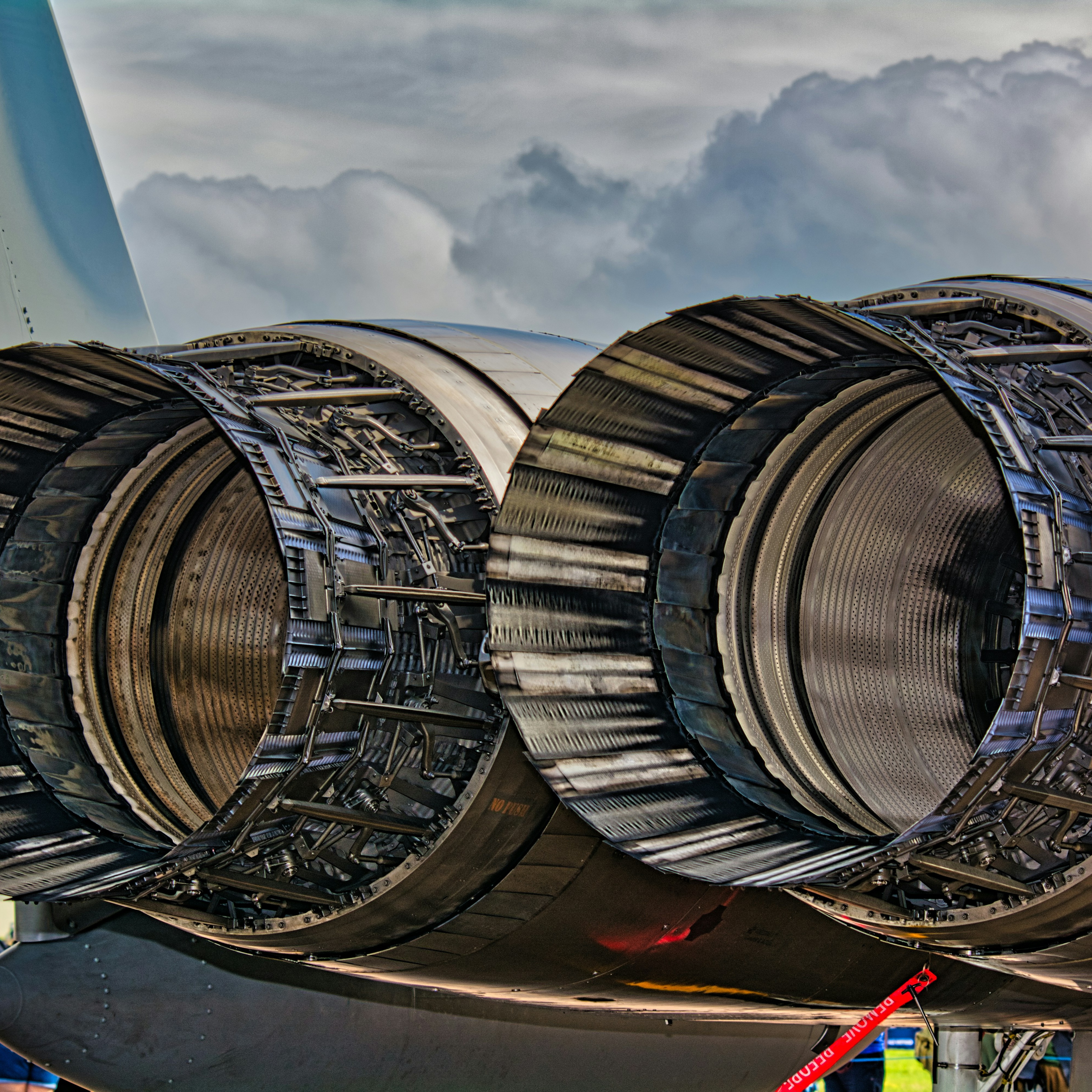
Understanding aircraft engine cost is essential for airlines, charter operators, and aviation businesses planning fleet expansion or replacement. Aircraft engine cost encompasses the initial purchase price, installation expenses, maintenance requirements, and long-term operational expenditures. Modern jet engines represent one of the most significant investments in aviation, with prices ranging from several hundred thousand dollars for smaller regional aircraft to over $30 million for wide-body commercial airliners. The aircraft engine cost calculation includes powerplant acquisition, auxiliary systems, testing, certification, and integration with airframe systems. Technological features influencing aircraft engine cost include advanced materials like ceramic matrix composites, sophisticated turbine blade cooling systems, digital engine control units, and fuel-efficient combustion chambers. High-bypass turbofan engines dominate commercial aviation due to superior fuel economy, while turboprop engines serve regional markets with lower aircraft engine cost profiles. Applications span commercial passenger transport, cargo operations, business aviation, military aircraft, and specialized missions. Engine manufacturers offer various purchasing models including outright purchase, lease arrangements, and power-by-the-hour programs that spread aircraft engine cost over operational lifespans. Factors affecting pricing include thrust ratings, technological generation, production volumes, regulatory compliance requirements, and aftermarket support networks. Understanding total ownership costs rather than just initial acquisition price enables informed decision-making for aviation stakeholders evaluating engine options.


 EN