Aircraft Gas Turbine Engine - Technology & Benefits

application/aircraft-gas-turbine-engine, application/aircraft-gas-turbine-engine, 
Inquiry
Inquiry

aircraft gas turbine engine

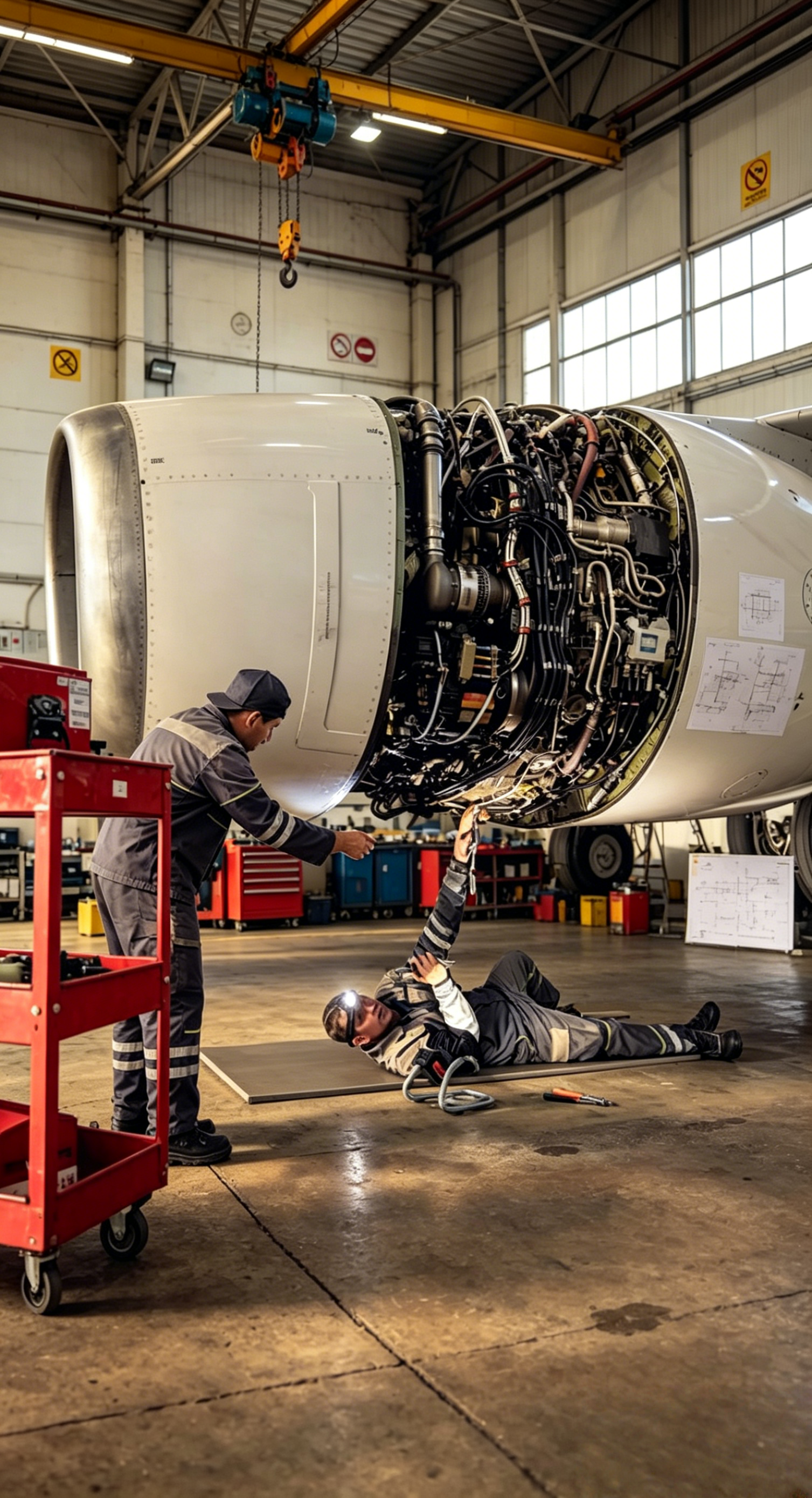
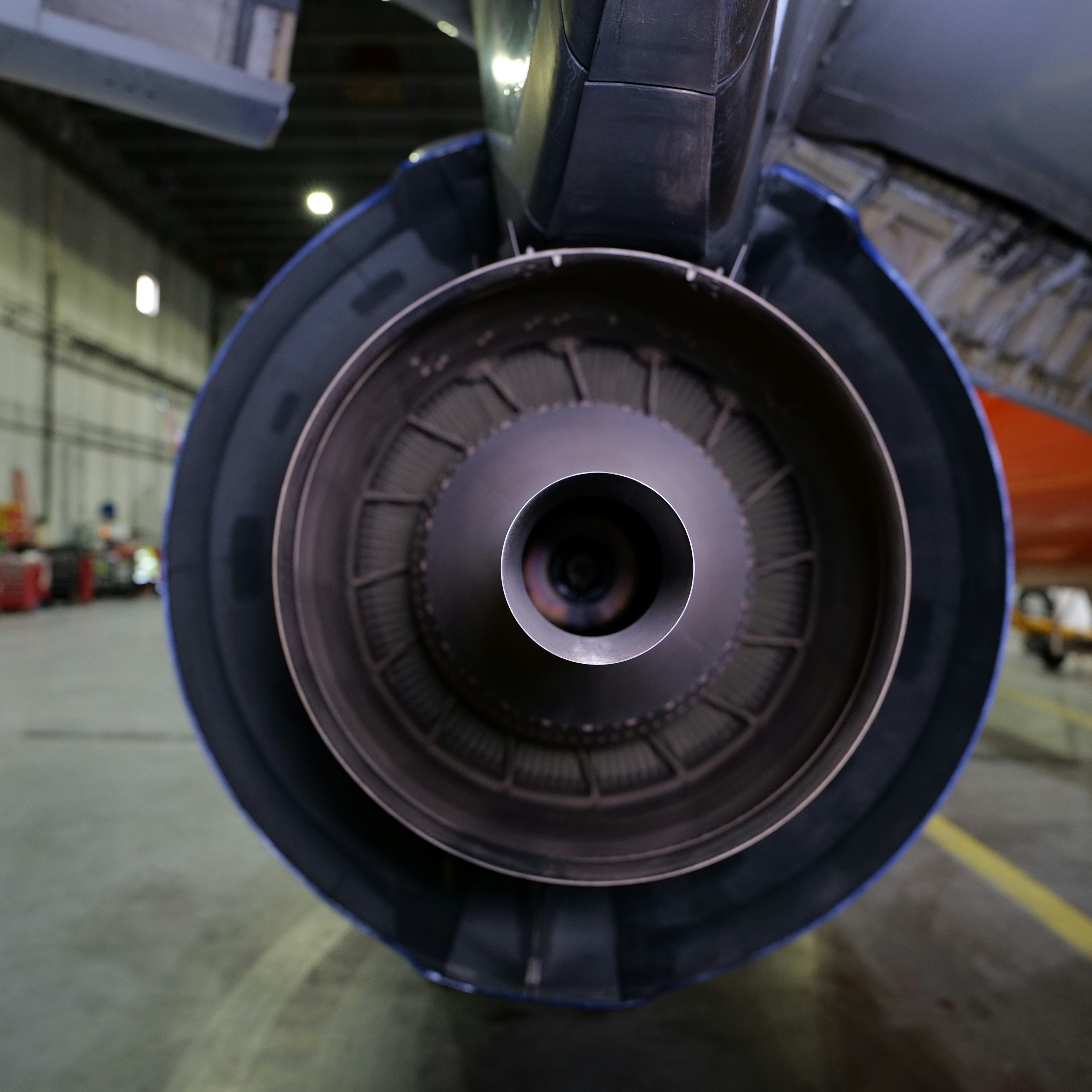
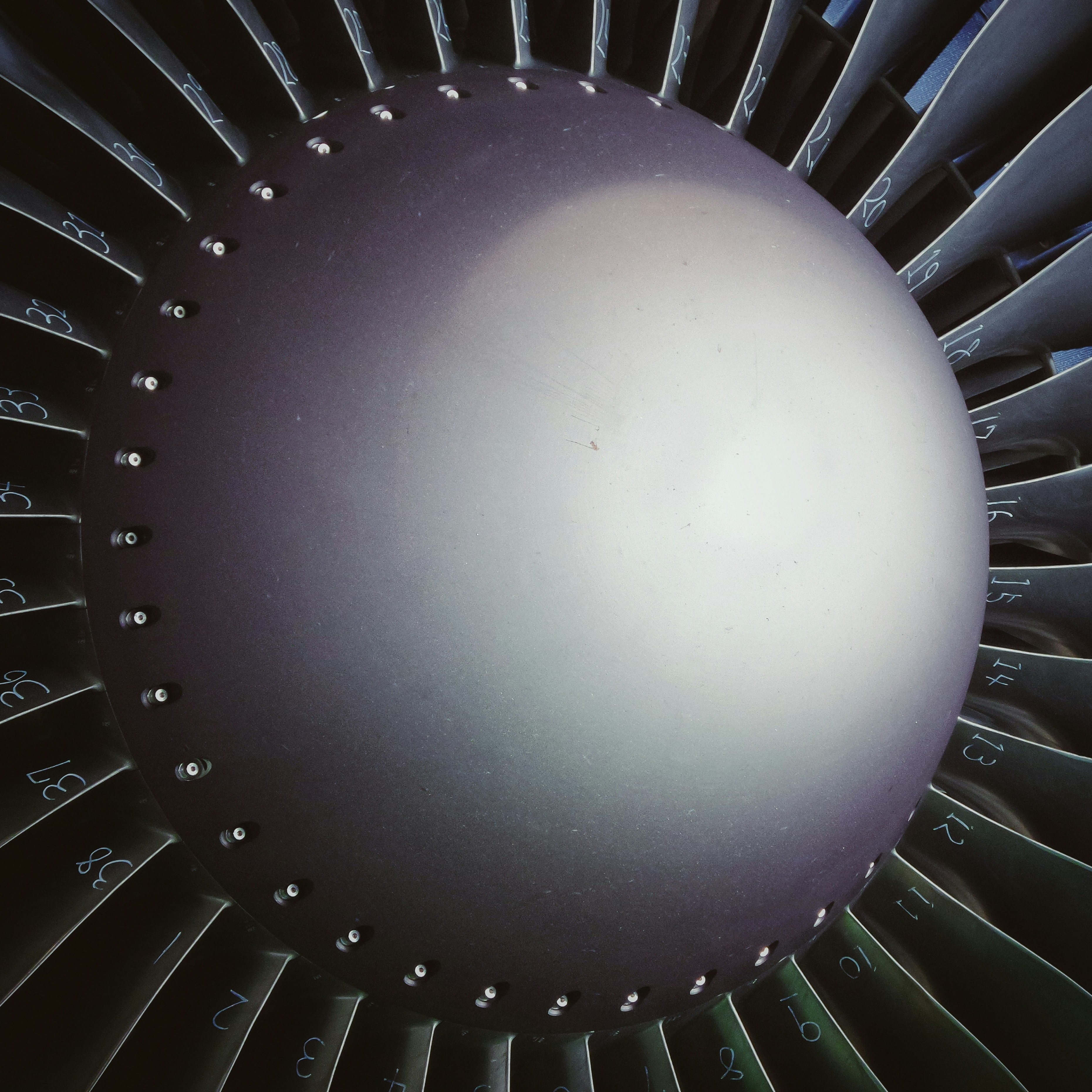
The aircraft gas turbine engine represents one of the most sophisticated propulsion systems in modern aviation, converting fuel energy into mechanical thrust through a continuous combustion process. This powerful engine operates by drawing air through a compressor, mixing it with fuel in a combustion chamber, and igniting the mixture to produce high-temperature, high-pressure gases that expand through a turbine and exhaust nozzle. The aircraft gas turbine engine serves as the primary power source for commercial airliners, military jets, helicopters, and business aircraft worldwide. Its main functions include generating thrust for propulsion, providing electrical power through integrated generators, and supplying pneumatic pressure for aircraft systems. Technological features of the aircraft gas turbine engine include advanced materials capable of withstanding extreme temperatures exceeding 1500 degrees Celsius, precision-engineered turbine blades with sophisticated cooling channels, digital engine control systems that optimize performance in real-time, and multi-stage compression systems that maximize efficiency. These engines are available in various configurations including turbofan, turbojet, turboprop, and turboshaft designs, each optimized for specific flight profiles and operational requirements. Applications span across civil aviation for passenger and cargo transport, military operations requiring high-speed interceptors and tactical aircraft, rotorcraft propulsion for helicopters, and auxiliary power generation. The aircraft gas turbine engine continues to evolve with improvements in fuel efficiency, noise reduction, emission control, and overall reliability, making it indispensable for modern air transportation and defense operations globally.


Popular Products

Choosing an aircraft gas turbine engine delivers exceptional value through superior power-to-weight ratios that enable aircraft to carry more payload over longer distances while consuming less fuel. These engines provide reliable operation with fewer moving parts compared to reciprocating engines, translating to reduced maintenance requirements and lower lifecycle costs for operators. The aircraft gas turbine engine offers smooth, vibration-free operation that enhances passenger comfort and reduces structural fatigue on airframes, extending aircraft service life significantly. Operational benefits include quick startup capabilities, enabling rapid deployment for commercial schedules and emergency response missions. The engine delivers consistent performance across a wide range of altitudes and temperatures, maintaining thrust output from sea level to cruising altitudes above 40,000 feet. Fuel flexibility allows the aircraft gas turbine engine to operate on various grades of jet fuel, providing operational freedom across different regions and supply chains. From an application perspective, these engines suit diverse aviation needs from short-haul regional flights to ultra-long-range intercontinental routes. The scalable design means operators can select engine sizes matching their specific aircraft requirements, optimizing both performance and economics. Modern aircraft gas turbine engines incorporate health monitoring systems that predict maintenance needs before failures occur, minimizing unexpected downtime and improving fleet availability. For buyers making purchasing decisions, these engines represent proven technology with millions of accumulated flight hours demonstrating safety and durability. The global support network ensures parts availability and technical expertise wherever aircraft operate, protecting your investment through comprehensive lifecycle support. Environmental considerations are addressed through continuous improvements in fuel efficiency and emissions reduction, helping operators meet increasingly stringent regulatory requirements while reducing operational costs.

Practical Tips

AeroLink Team Participates in Singapore Airshow to Strengthen Global Aviation Industry Cooperation

16

Jun

AeroLink Team Participates in Singapore Airshow to Strengthen Global Aviation Industry Cooperation

View More
Ensuring Landing Gear Safety with Certified Parts

15

Sep

Ensuring Landing Gear Safety with Certified Parts

Why certified landing gear prevents runway incidents and meets FAA/EASA standards. Learn how to source, verify, and maintain compliant parts—get the guide now.
View More
Key Steps to Evaluate Used Plane Engine Materials

14

Sep

Key Steps to Evaluate Used Plane Engine Materials

How to properly evaluate used plane engine materials for airworthiness, safety & compliance. Avoid costly failures—get the expert 10-step inspection protocol now.
View More
Sourcing Verified Plane Engine Components Fast

15

Sep

Sourcing Verified Plane Engine Components Fast

Struggling with aircraft downtime? Discover proven strategies to source verified plane engine components rapidly—without compromising safety or compliance. Get started today.
View More
Exceptional Fuel Efficiency and Performance

Exceptional Fuel Efficiency and Performance

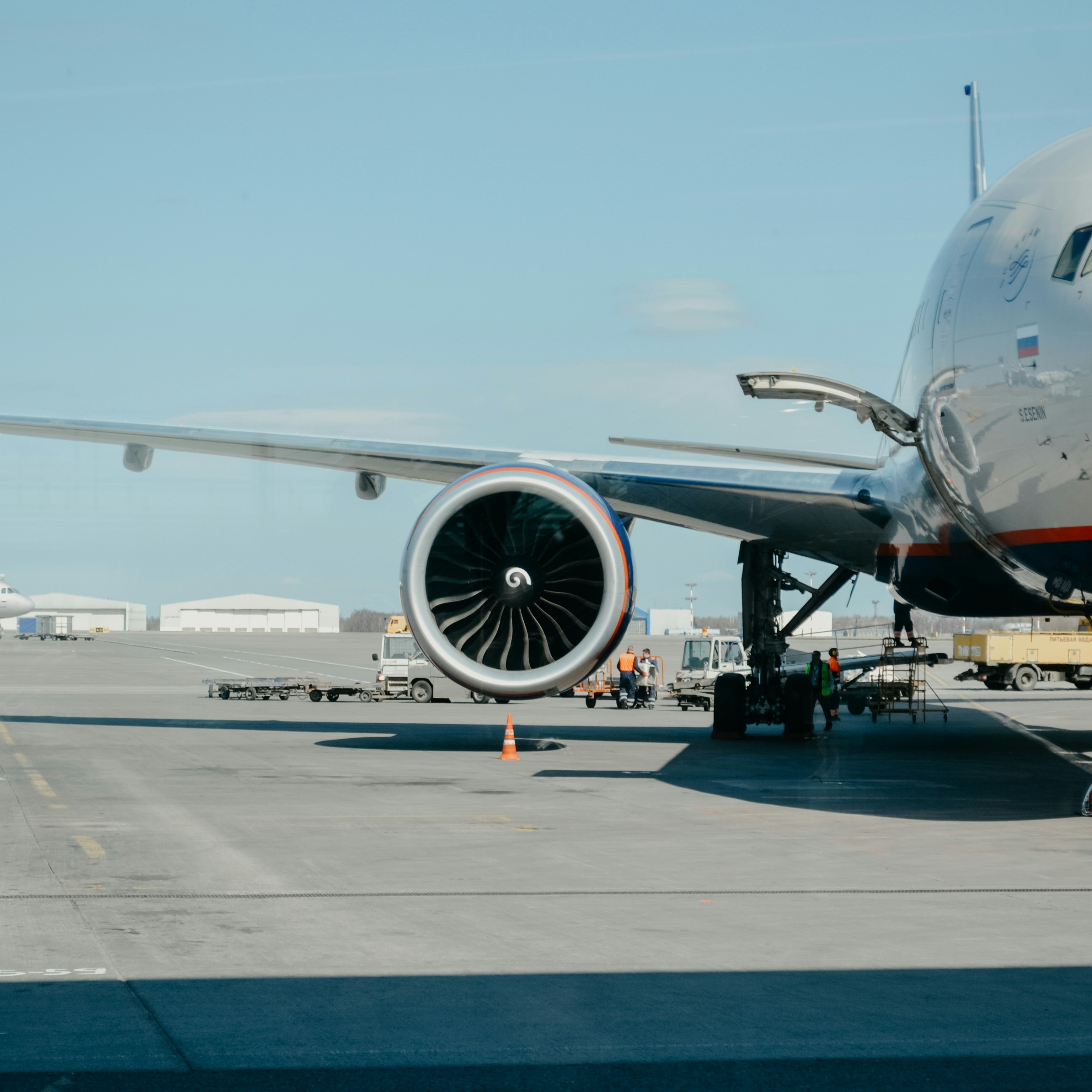
The aircraft gas turbine engine achieves remarkable fuel efficiency through advanced thermodynamic cycles and sophisticated component design that maximizes energy extraction from every drop of fuel. Modern high-bypass turbofan configurations route a significant portion of airflow around the core engine, generating thrust more efficiently than older designs while dramatically reducing fuel consumption per passenger mile. This efficiency translates directly into lower operating costs for airlines and operators, making routes more profitable and enabling competitive pricing for passengers. The engine maintains optimal performance across varying flight conditions through full-authority digital engine control systems that continuously adjust fuel flow, variable geometry components, and operating parameters in real-time. Advanced materials including single-crystal turbine blades and ceramic matrix composites allow higher operating temperatures, which thermodynamically improve efficiency while maintaining structural integrity under extreme stress. Aerodynamic refinements in compressor and turbine blade profiles minimize energy losses, ensuring maximum power extraction throughout the engine cycle. For operators, this exceptional efficiency means extended range capabilities, reduced refueling stops on long routes, and significant savings on fuel costs that represent the largest operating expense in aviation. The aircraft gas turbine engine delivers this performance reliably across thousands of flight cycles, maintaining efficiency throughout its operational life.
Superior Reliability and Maintenance Advantages

Superior Reliability and Maintenance Advantages

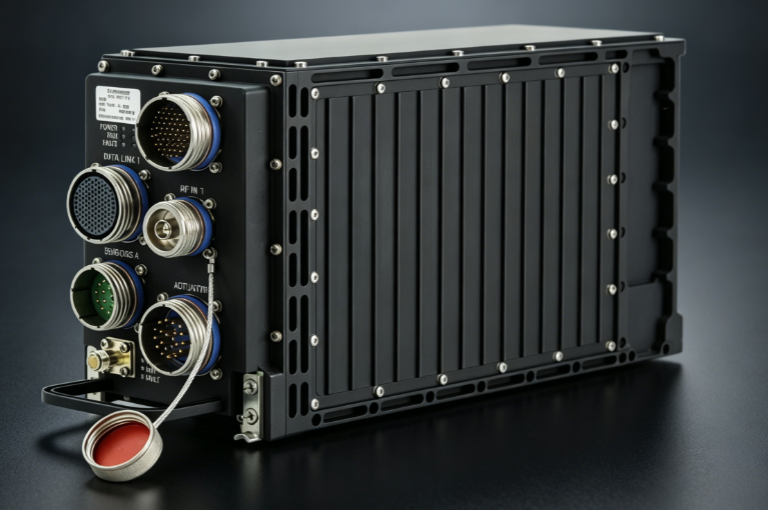
The aircraft gas turbine engine stands out for exceptional reliability built through decades of engineering refinement and rigorous testing protocols that simulate years of operation before entering service. The simple rotating assembly design with fewer moving parts compared to piston engines results in inherently lower failure rates and extended intervals between required maintenance actions. Condition-based maintenance enabled by integrated sensors throughout the aircraft gas turbine engine monitors critical parameters including vibration signatures, temperature distributions, and oil quality in real-time, allowing maintenance teams to address potential issues proactively before they affect operations. Modular construction facilitates rapid engine changes when maintenance is required, with line-replaceable units that minimize aircraft downtime and maximize fleet utilization rates. Advanced diagnostic systems provide detailed health reports that guide maintenance planning, optimize parts inventory, and reduce unnecessary inspections that previously consumed valuable resources. The proven durability of core components means major overhauls are required only after thousands of operating hours, spreading maintenance costs over extended periods and improving financial predictability for operators. Manufacturer support programs offer guaranteed turnaround times, loaner engine availability, and technical expertise that ensure operational continuity. For fleet operators, this superior reliability translates to higher dispatch reliability rates, better schedule integrity, and enhanced reputation with passengers who value punctual service.
Versatile Applications Across Aviation Sectors

Versatile Applications Across Aviation Sectors

The aircraft gas turbine engine demonstrates remarkable versatility through scalable designs that power everything from small business jets to massive wide-body airliners and specialized military platforms. This adaptability stems from core technology that can be configured in thrust ratings from a few hundred pounds to over 100,000 pounds, matching precise requirements for different aircraft missions and performance profiles. Commercial aviation benefits from turbofan variants optimized for fuel economy on medium and long-haul routes, where the aircraft gas turbine engine delivers quiet operation meeting strict noise regulations around airports while providing the power necessary for transcontinental flights. Regional carriers utilize smaller turboprop configurations that excel in fuel efficiency for shorter routes and operation from airports with limited infrastructure. Military applications leverage the same fundamental technology in high-thrust variants designed for supersonic flight, rapid acceleration, and operation in demanding environments including extreme temperatures, high altitudes, and challenging weather conditions. Helicopter operators depend on turboshaft versions of the aircraft gas turbine engine that convert gas generator output to rotational power for rotor systems, providing excellent power-to-weight ratios essential for vertical flight and hovering capabilities. This versatility means proven, mature technology serves diverse aviation needs without requiring completely different engine architectures, reducing development risk and leveraging shared manufacturing expertise, parts commonality, and maintenance infrastructure across multiple applications and customer segments worldwide.