Commercial Airplane Engines - Performance & Value

application/commercial-airplane-engines, application/commercial-airplane-engines, 
Inquiry
Inquiry

commercial airplane engines

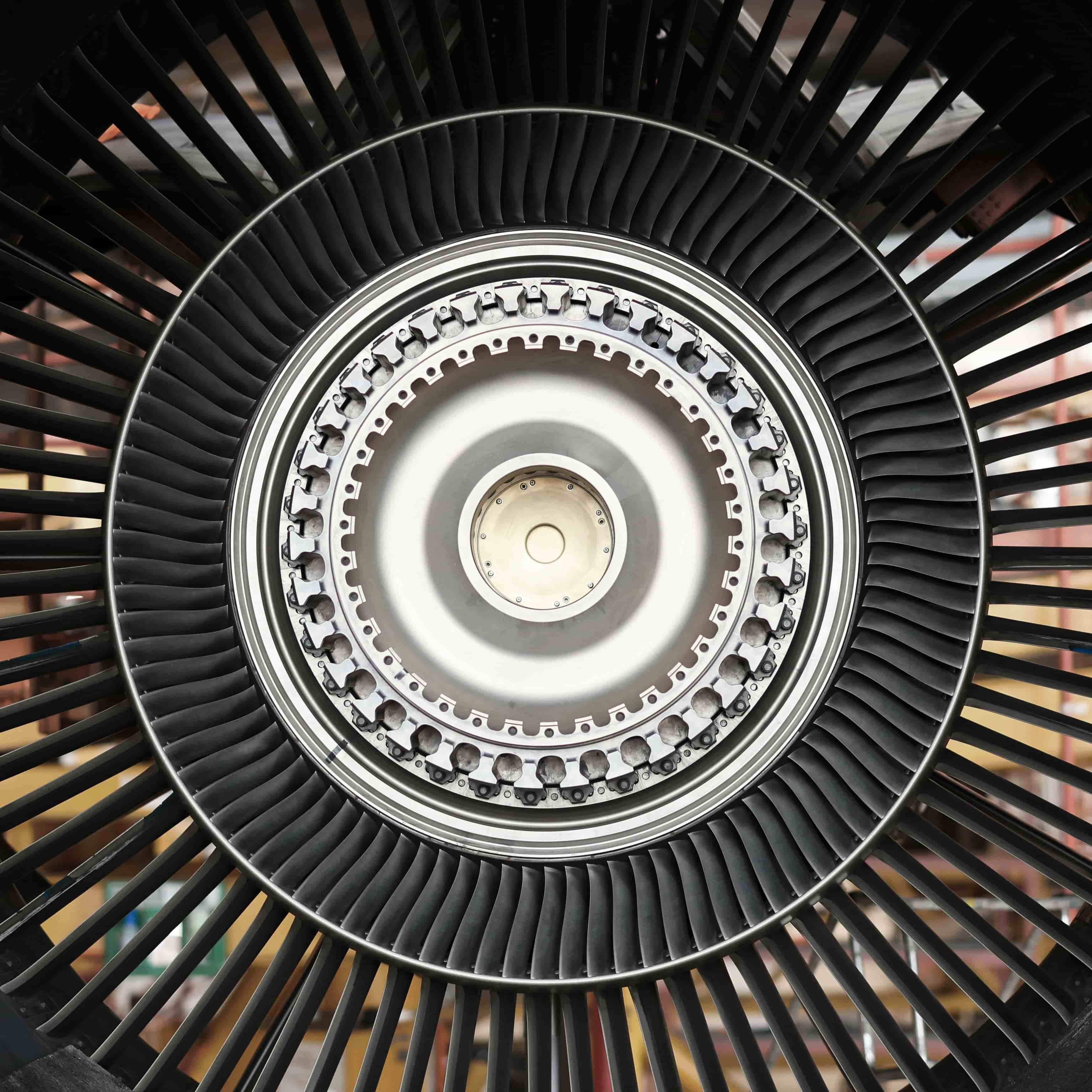
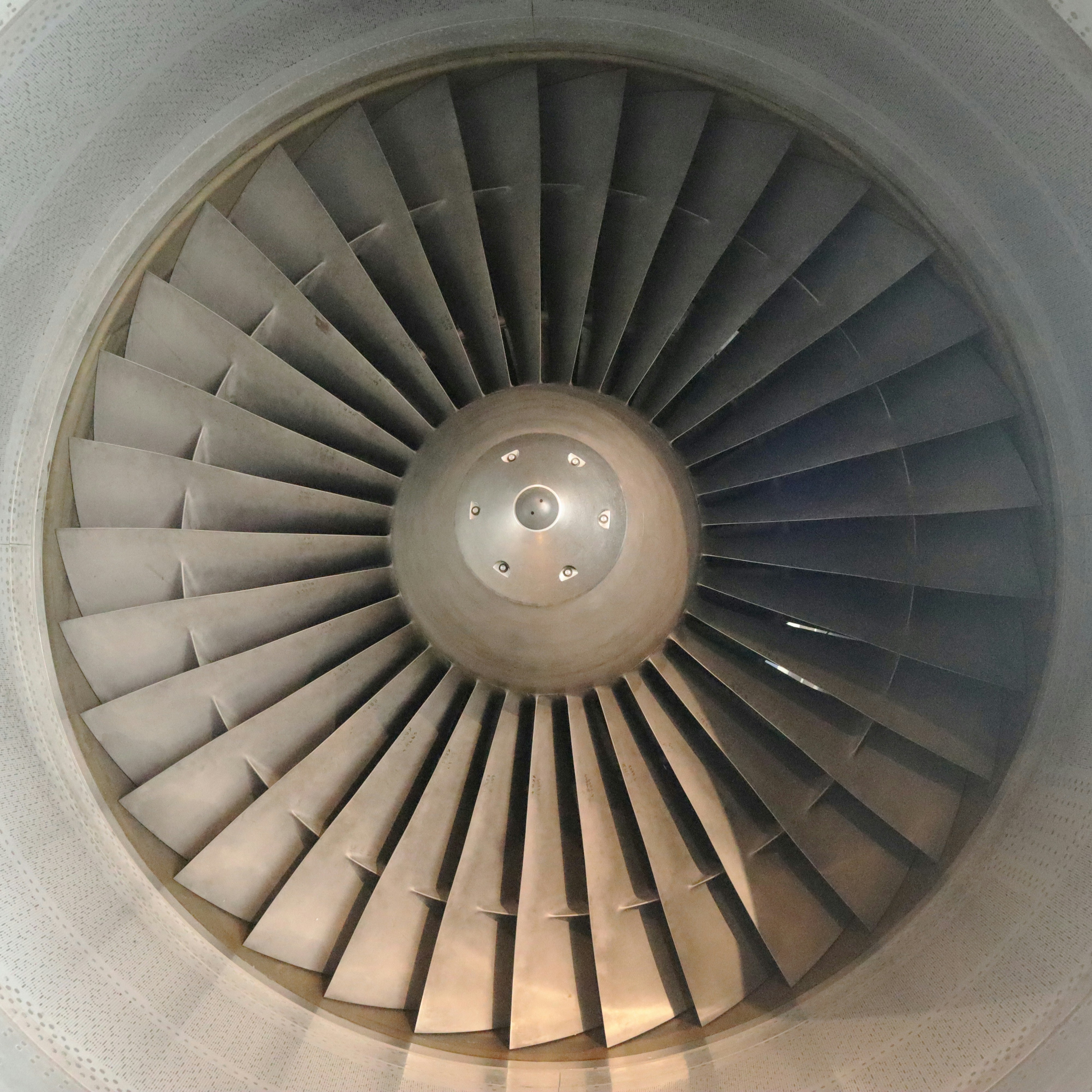
Commercial airplane engines represent the pinnacle of aerospace engineering, serving as the powerhouse that enables modern aviation to connect the world. These sophisticated propulsion systems are specifically designed to deliver reliable thrust, fuel efficiency, and safety for passenger and cargo aircraft operating across global routes. Commercial airplane engines come in various configurations, including turbofan, turboprop, and turbojet designs, with turbofan engines dominating the market due to their superior efficiency and reduced noise levels. The main function of commercial airplane engines is to generate thrust by compressing incoming air, mixing it with fuel, igniting the mixture, and expelling the exhaust gases at high velocity. Advanced commercial airplane engines incorporate cutting-edge technologies such as composite fan blades, ceramic matrix composites for high-temperature components, and sophisticated digital engine control systems that optimize performance in real-time. These engines are engineered to withstand extreme operating conditions, from freezing temperatures at cruising altitudes to scorching heat during takeoff. Commercial airplane engines undergo rigorous testing and certification processes to meet stringent aviation safety standards set by regulatory authorities worldwide. They power everything from regional aircraft carrying fewer than one hundred passengers to wide-body jets transporting hundreds of travelers across continents. The development of commercial airplane engines involves collaboration between aerospace manufacturers, airlines, and regulatory bodies to ensure continuous innovation while maintaining the highest safety standards that define modern aviation.


New Product Releases

Investing in modern commercial airplane engines delivers substantial benefits that directly impact airline profitability and operational excellence. These advanced propulsion systems reduce fuel consumption by up to twenty-five percent compared to previous generations, translating into millions of dollars in annual savings for fleet operators. The improved fuel efficiency of commercial airplane engines also significantly decreases carbon emissions, helping airlines meet increasingly strict environmental regulations and corporate sustainability goals. Enhanced reliability means commercial airplane engines require less frequent maintenance, reducing aircraft downtime and allowing operators to maximize revenue-generating flight hours. The extended time between overhauls offered by contemporary commercial airplane engines lowers lifecycle costs and improves return on investment for airlines and leasing companies. Operators benefit from quieter engine operation, which expands airport access by meeting noise abatement requirements in noise-sensitive communities and enabling early morning and late-night operations. Advanced diagnostic capabilities embedded in commercial airplane engines enable predictive maintenance, allowing operators to identify potential issues before they cause disruptions and optimize maintenance scheduling. The proven performance record of commercial airplane engines ensures consistent thrust delivery across varying altitudes, temperatures, and operating conditions, providing pilots with confidence and passengers with smooth, reliable travel experiences. Airlines selecting modern commercial airplane engines gain competitive advantages through reduced operating costs, improved dispatch reliability, and enhanced passenger comfort. The durability and longevity of commercial airplane engines protect capital investments while delivering consistent performance throughout their service life, making them essential assets for successful airline operations in today's competitive aviation marketplace.

Practical Tips

Ensuring Landing Gear Safety with Certified Parts

15

Sep

Ensuring Landing Gear Safety with Certified Parts

Why certified landing gear prevents runway incidents and meets FAA/EASA standards. Learn how to source, verify, and maintain compliant parts—get the guide now.
View More
Cost-Effective GSE Solutions for Busy Airfields

15

Sep

Cost-Effective GSE Solutions for Busy Airfields

Cut GSE costs by 15–30% without sacrificing safety. Discover preventive maintenance, energy-efficient upgrades & right-sizing strategies. Get your free fleet assessment.
View More
Key Steps to Evaluate Used Plane Engine Materials

14

Sep

Key Steps to Evaluate Used Plane Engine Materials

How to properly evaluate used plane engine materials for airworthiness, safety & compliance. Avoid costly failures—get the expert 10-step inspection protocol now.
View More
Maximizing APU Reliability via Better Sourcing

15

Sep

Maximizing APU Reliability via Better Sourcing

Struggling with APU downtime and costly unscheduled maintenance? Discover how certified sourcing and traceability slash failure rates. Optimize your aircraft reliability now.
View More
Exceptional Fuel Efficiency and Environmental Performance

Exceptional Fuel Efficiency and Environmental Performance

Modern commercial airplane engines lead the industry in fuel efficiency, incorporating advanced aerodynamic designs and lightweight materials that dramatically reduce fuel consumption. The latest generation commercial airplane engines utilize high-bypass-ratio turbofan technology, which routes a larger volume of air around the engine core rather than through it, creating thrust more efficiently while consuming less fuel. This design innovation, combined with advanced materials like titanium aluminide and carbon-fiber composites, reduces engine weight without compromising structural integrity. Commercial airplane engines now feature optimized combustion chambers that achieve more complete fuel burning, extracting maximum energy from every drop while minimizing harmful emissions. The environmental benefits extend beyond reduced fuel consumption, as commercial airplane engines now produce significantly lower nitrogen oxide emissions and particulate matter compared to earlier models. Airlines operating these efficient commercial airplane engines can demonstrate tangible progress toward carbon neutrality goals while simultaneously reducing operating expenses, creating a powerful business case that aligns financial performance with environmental responsibility in an industry facing increasing pressure to minimize its carbon footprint.
Advanced Reliability and Maintenance Optimization

Advanced Reliability and Maintenance Optimization

Commercial airplane engines are engineered with reliability as the foundational design principle, incorporating redundant systems and fail-safe mechanisms that ensure safe operation even when individual components experience anomalies. The introduction of health monitoring systems in commercial airplane engines enables continuous real-time assessment of engine performance, detecting subtle changes in temperature, vibration, and pressure that may indicate developing issues. These diagnostic capabilities allow maintenance teams to transition from scheduled interval-based servicing to condition-based maintenance, performing interventions only when data indicates actual need rather than predetermined calendar dates. Commercial airplane engines benefit from modular construction techniques that enable quick component replacement, reducing maintenance time and returning aircraft to service faster. The extended time on wing achieved by contemporary commercial airplane engines means operators can schedule fewer engine removals throughout the aircraft's service life, dramatically reducing maintenance costs and improving fleet availability. Manufacturers support commercial airplane engines with global service networks, providing parts availability and technical expertise wherever operators fly, ensuring minimal disruption when maintenance becomes necessary and protecting airline schedule integrity.
Proven Performance Across Diverse Operating Conditions

Proven Performance Across Diverse Operating Conditions

Commercial airplane engines demonstrate exceptional versatility, delivering consistent performance whether powering short-haul regional routes or ultra-long-range international flights spanning multiple time zones. These robust propulsion systems are rigorously tested across extreme temperature ranges, from arctic conditions exceeding negative forty degrees to desert environments where ambient temperatures soar above fifty degrees Celsius. Commercial airplane engines maintain reliable thrust output at high-altitude airports where thin air challenges engine performance, enabling safe operations at challenging locations like Denver, Mexico City, and La Paz. The sophisticated control systems governing commercial airplane engines automatically adjust fuel flow, variable stator vanes, and other parameters to optimize performance based on real-time atmospheric conditions, altitude, and aircraft weight. Pilots trust commercial airplane engines to deliver precise thrust response during critical flight phases including takeoff, climb, cruise, and landing, with instant throttle response when situational demands require rapid power changes. The proven track record of commercial airplane engines across millions of flight hours provides airlines, passengers, and regulatory authorities with confidence in their safety and reliability, establishing them as the trusted foundation of global air transportation networks.