airplane engine cost
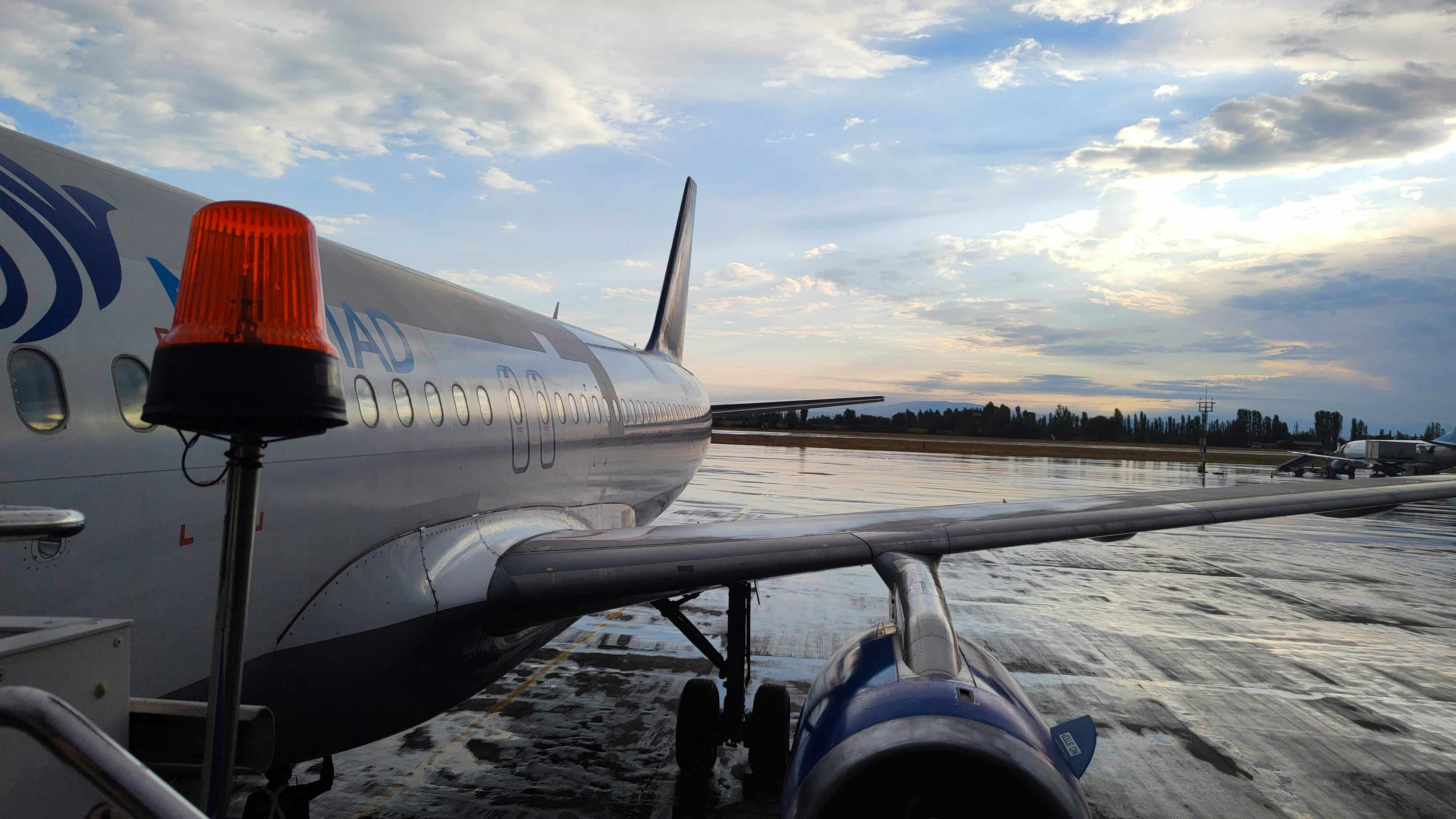
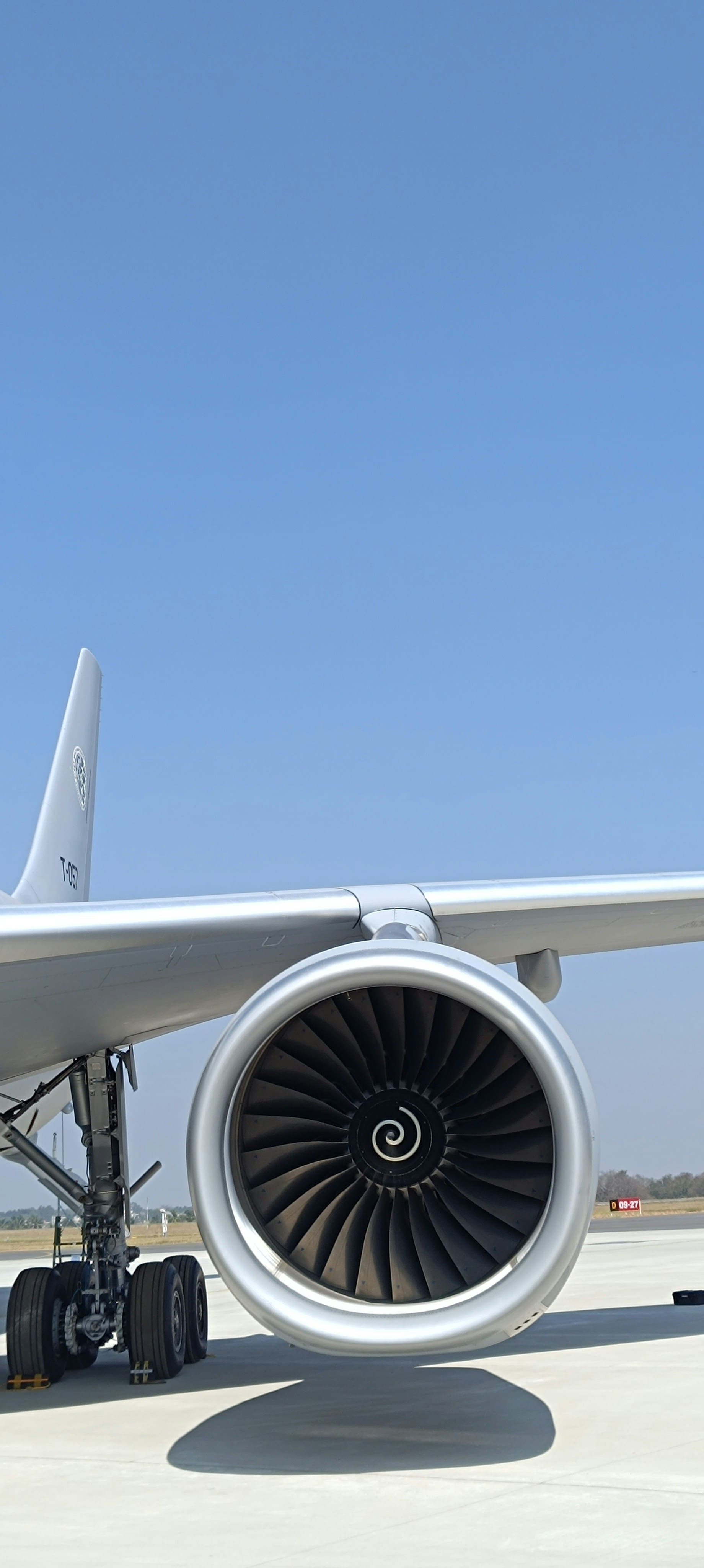
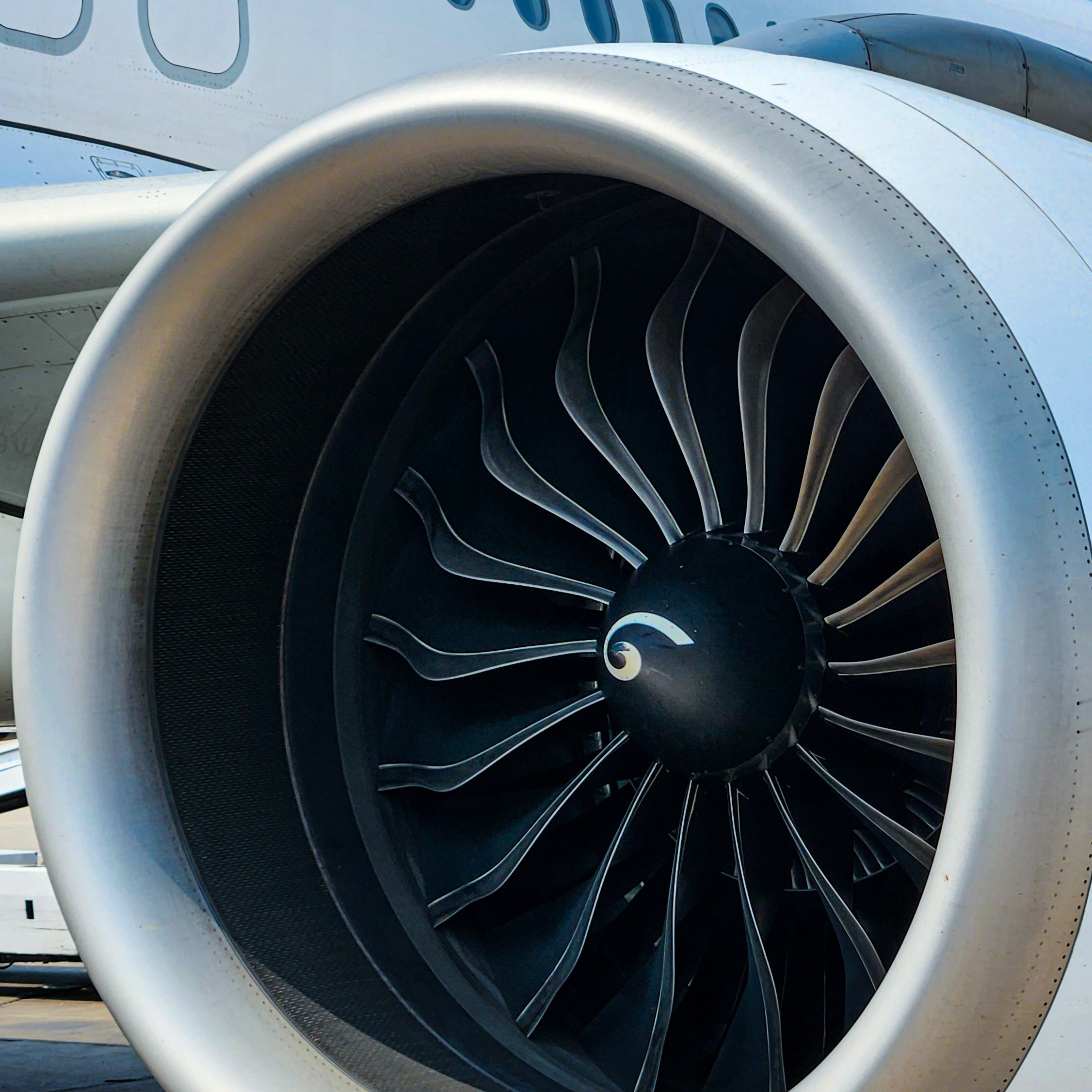
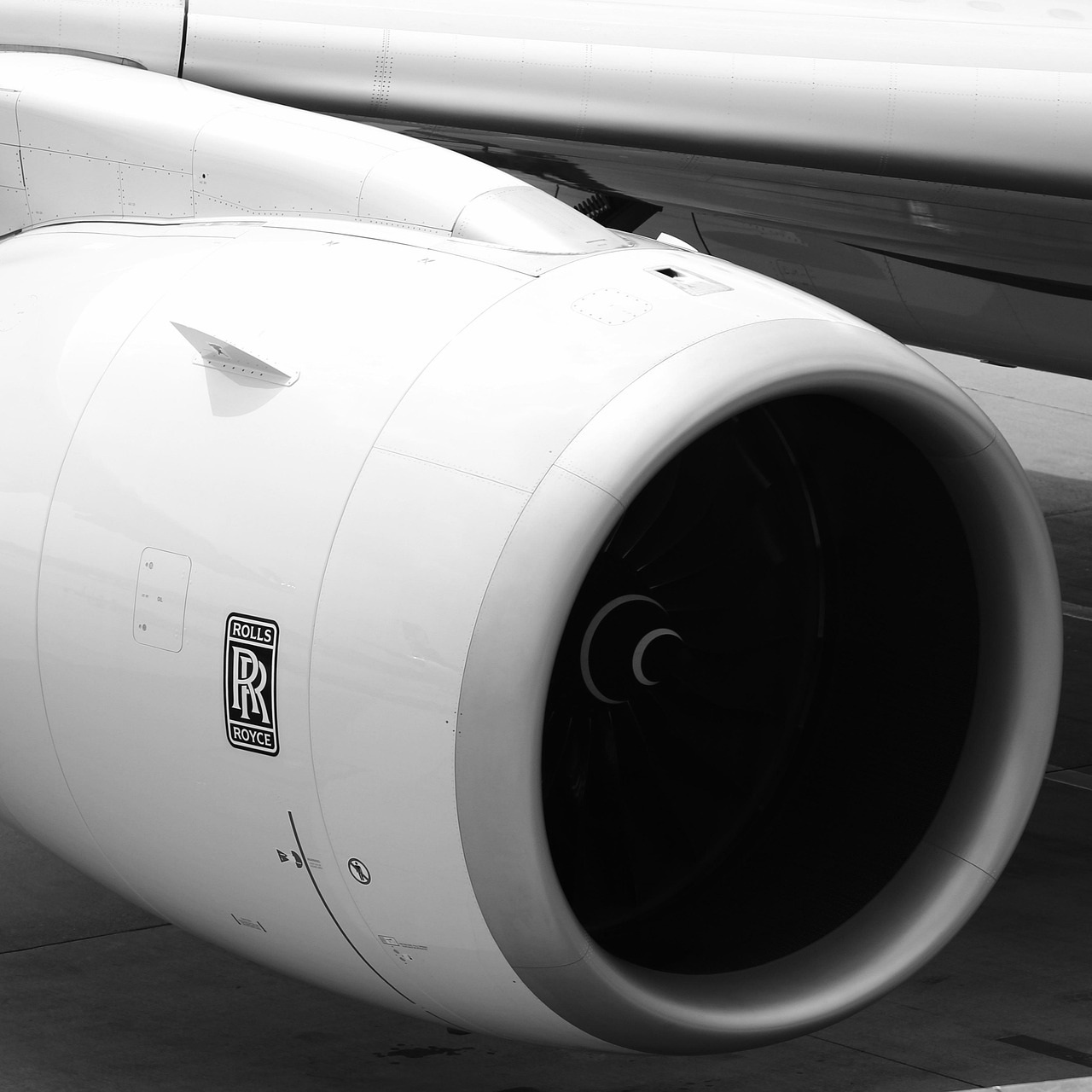
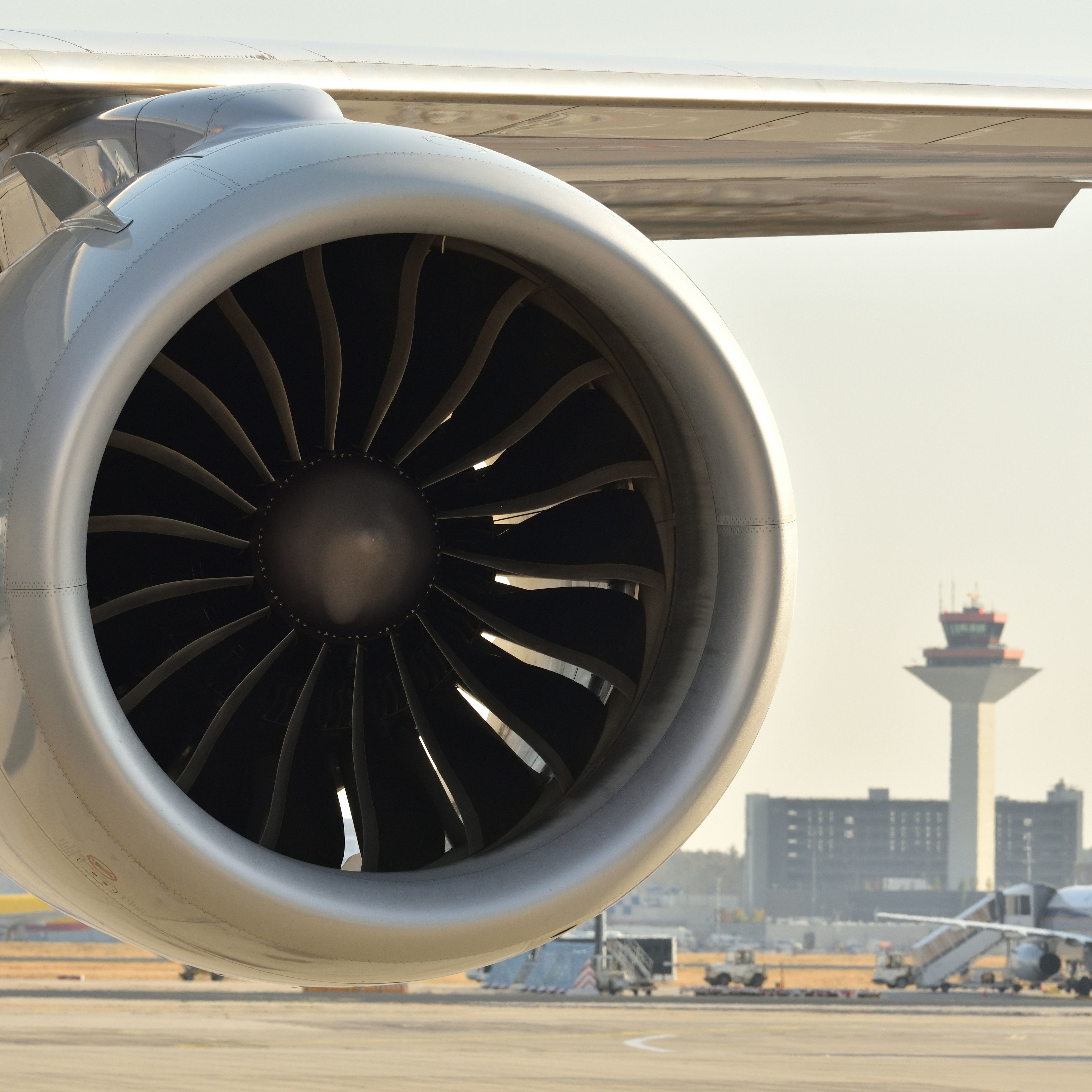
Understanding airplane engine cost is essential for airlines, aircraft operators, and aviation businesses planning fleet acquisitions or maintenance budgets. The airplane engine cost represents one of the most significant investments in aviation, typically accounting for 20-40% of an aircraft's total price. These sophisticated powerplants range dramatically in price, from approximately $2 million for smaller regional jet engines to over $30 million for advanced wide-body turbofans. The airplane engine cost encompasses not just the initial purchase price but also long-term operational expenses including fuel efficiency, maintenance requirements, and overhaul cycles. Modern aircraft engines incorporate cutting-edge technologies such as advanced composite fan blades, ceramic matrix composites in hot sections, and sophisticated digital engine control systems that optimize performance while reducing emissions. The primary function of these engines is to generate thrust through jet propulsion or turboprop systems, enabling aircraft to achieve flight and maintain operational efficiency. Applications span commercial aviation, cargo transport, business jets, and military aircraft. Factors influencing airplane engine cost include thrust rating, fuel efficiency ratings, noise compliance certifications, emission standards, and manufacturer reputation. Leading engine manufacturers like General Electric, Rolls-Royce, and Pratt & Whitney continuously innovate to deliver engines that balance performance with economic viability, making airplane engine cost a complex but critical consideration in aviation investment decisions.


 EN