aircraft gas turbine engine
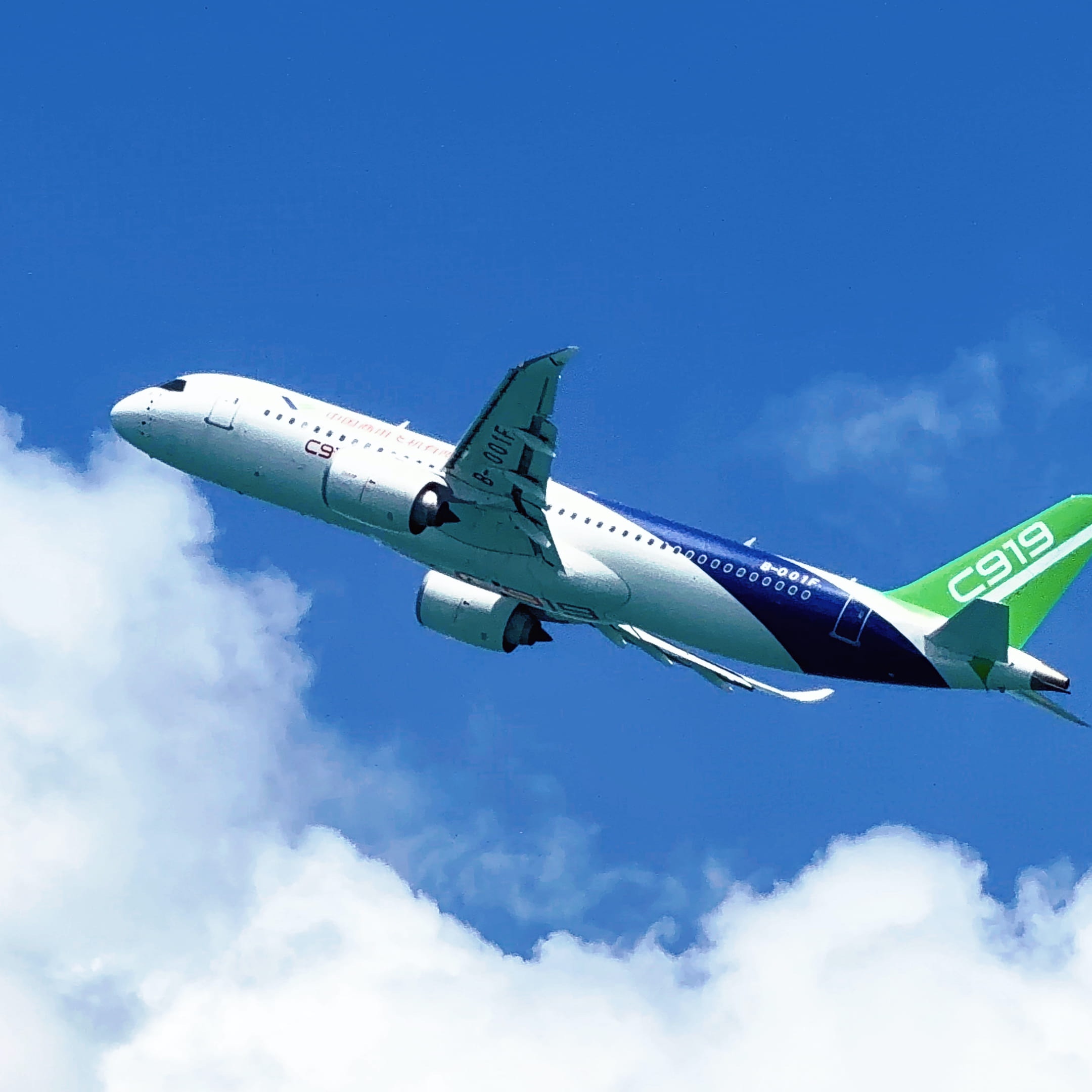
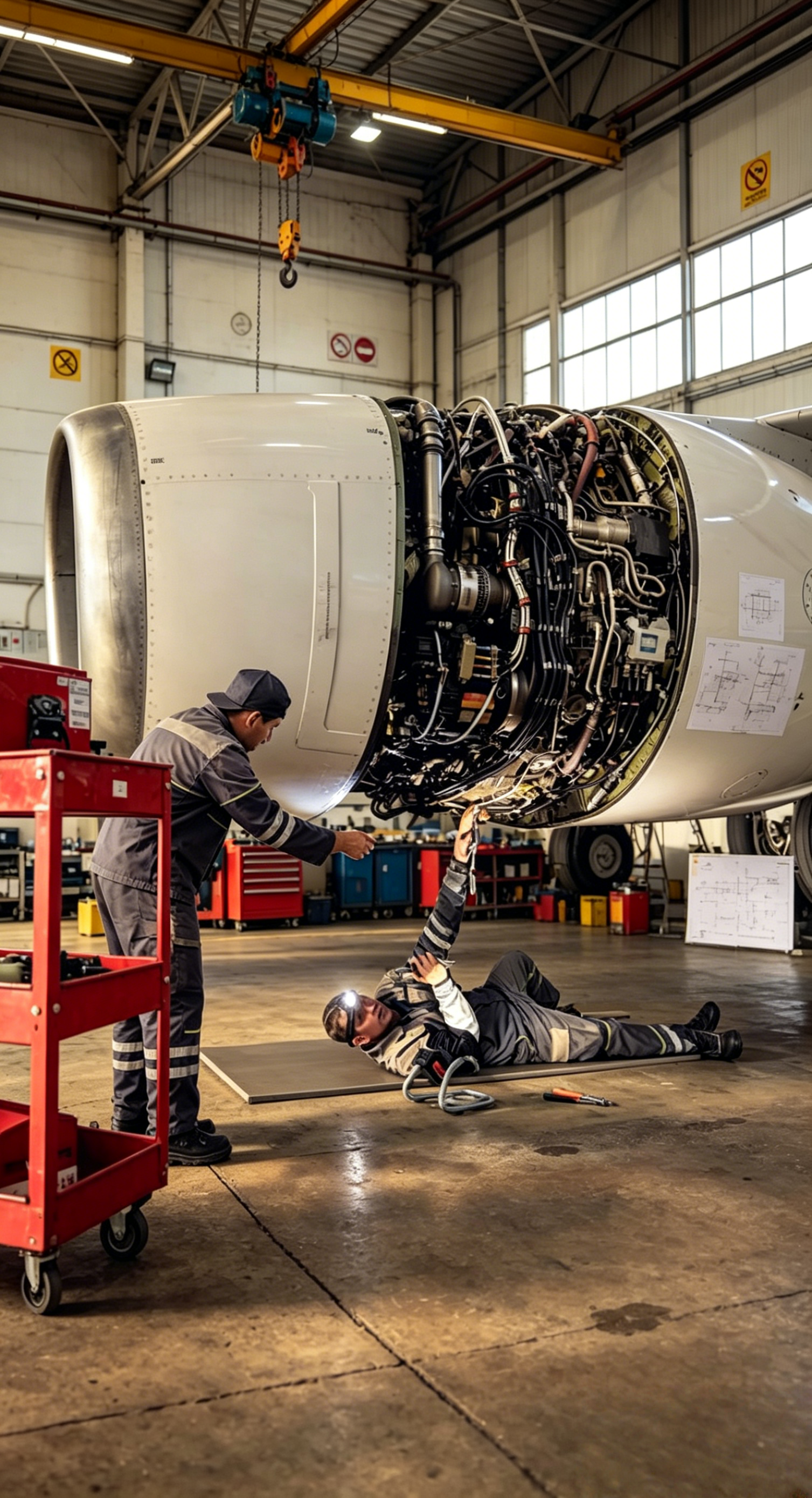
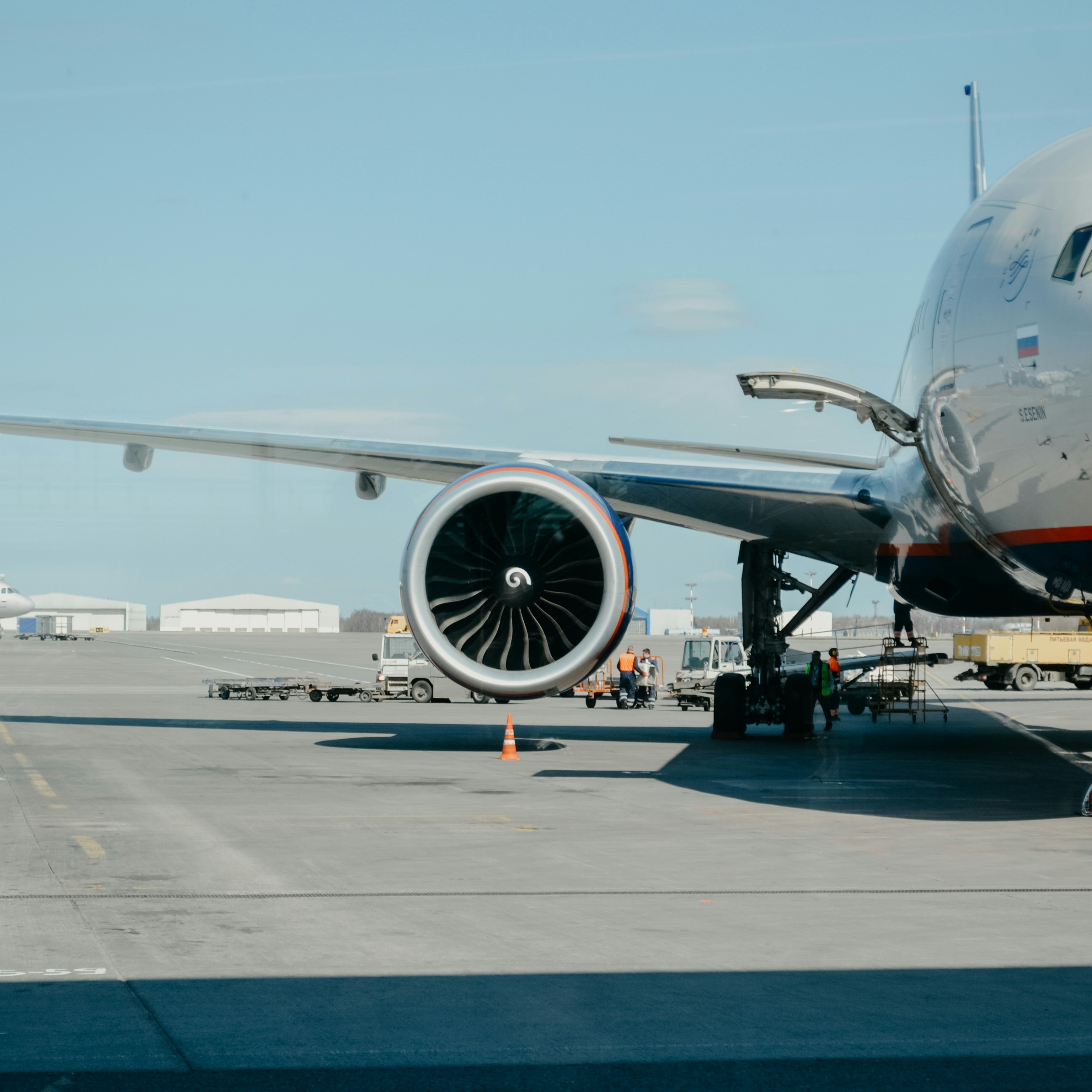
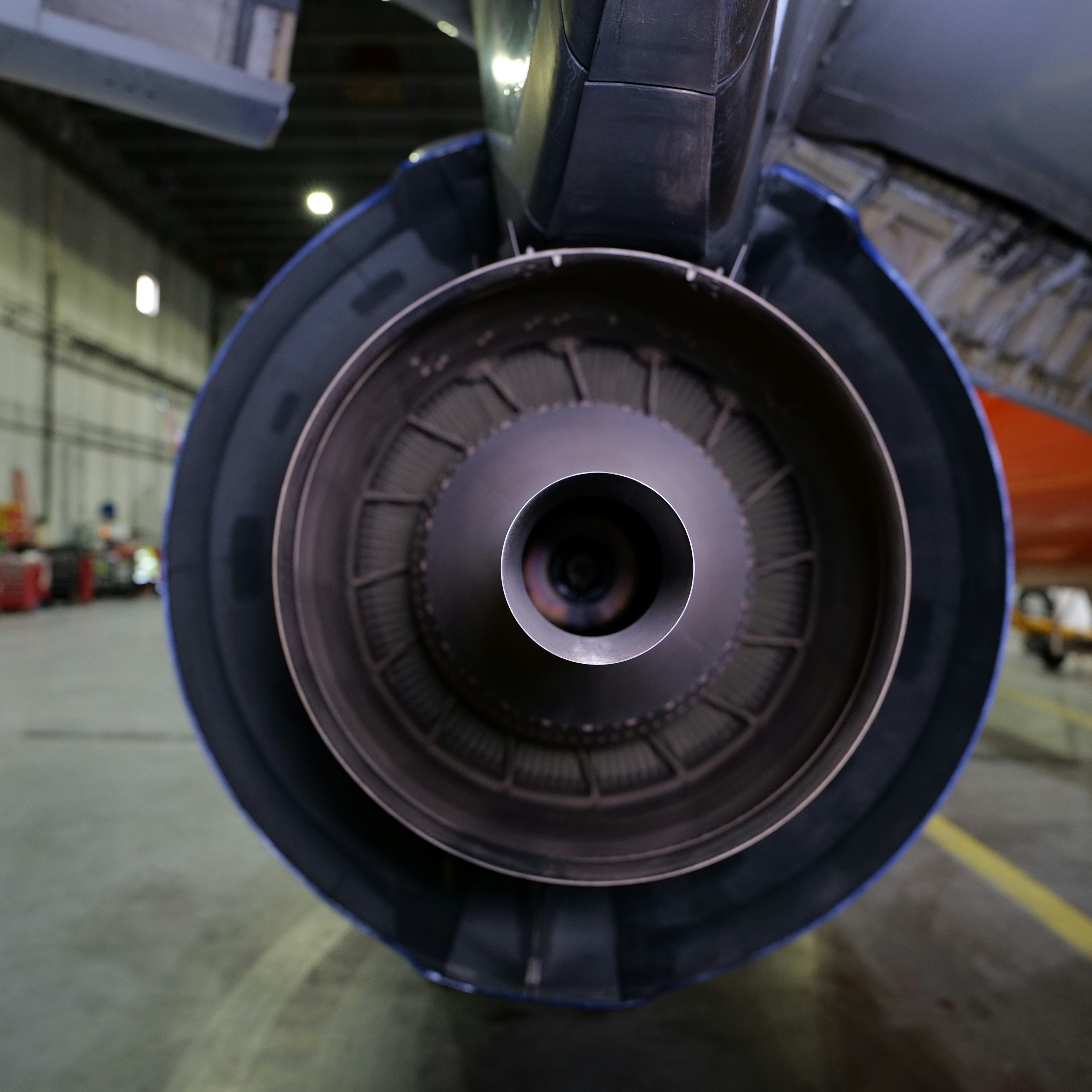
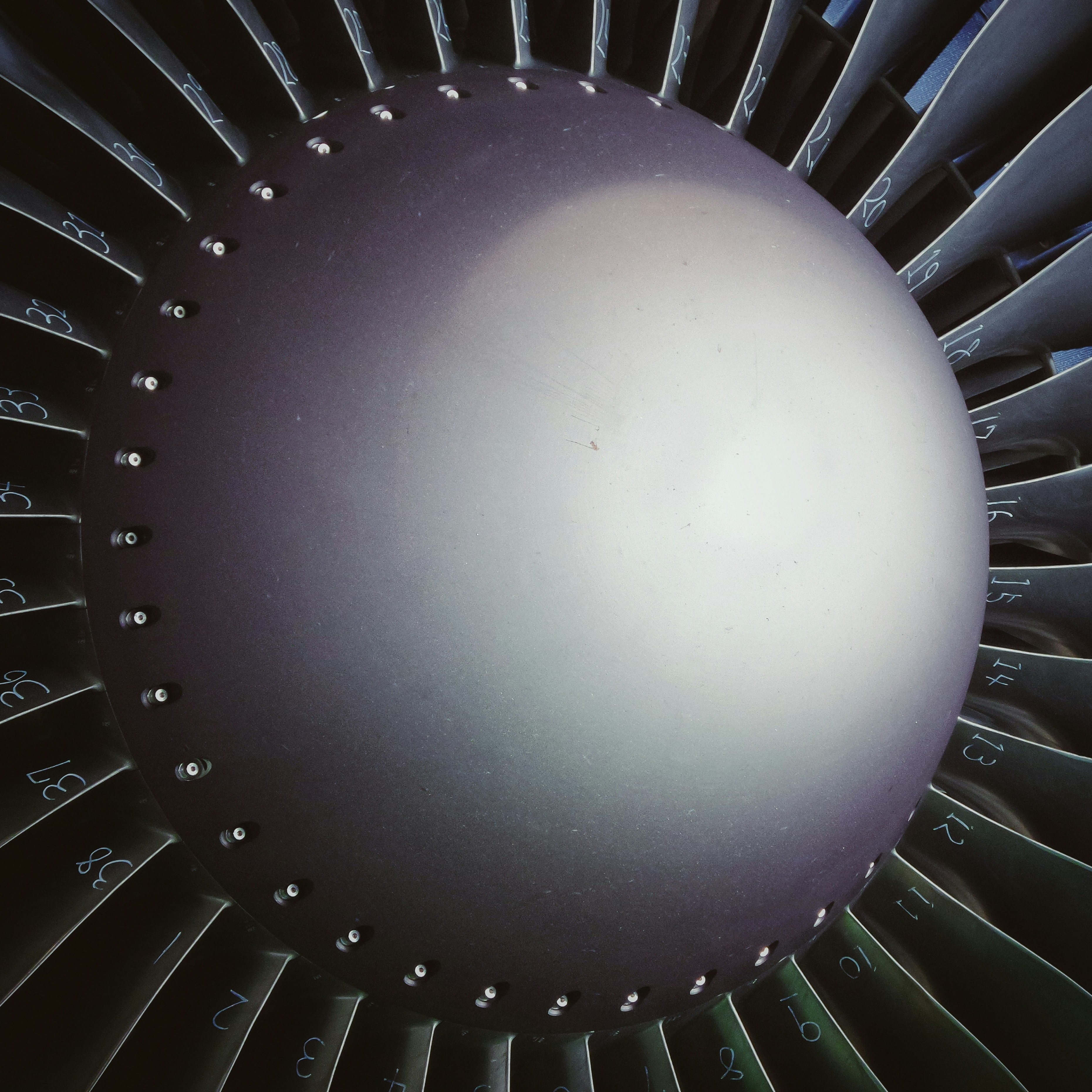
The aircraft gas turbine engine represents one of the most sophisticated propulsion systems in modern aviation, converting fuel energy into mechanical thrust through a continuous combustion process. This powerful engine operates by drawing air through a compressor, mixing it with fuel in a combustion chamber, and igniting the mixture to produce high-temperature, high-pressure gases that expand through a turbine and exhaust nozzle. The aircraft gas turbine engine serves as the primary power source for commercial airliners, military jets, helicopters, and business aircraft worldwide. Its main functions include generating thrust for propulsion, providing electrical power through integrated generators, and supplying pneumatic pressure for aircraft systems. Technological features of the aircraft gas turbine engine include advanced materials capable of withstanding extreme temperatures exceeding 1500 degrees Celsius, precision-engineered turbine blades with sophisticated cooling channels, digital engine control systems that optimize performance in real-time, and multi-stage compression systems that maximize efficiency. These engines are available in various configurations including turbofan, turbojet, turboprop, and turboshaft designs, each optimized for specific flight profiles and operational requirements. Applications span across civil aviation for passenger and cargo transport, military operations requiring high-speed interceptors and tactical aircraft, rotorcraft propulsion for helicopters, and auxiliary power generation. The aircraft gas turbine engine continues to evolve with improvements in fuel efficiency, noise reduction, emission control, and overall reliability, making it indispensable for modern air transportation and defense operations globally.


 EN