turboprop plane engine
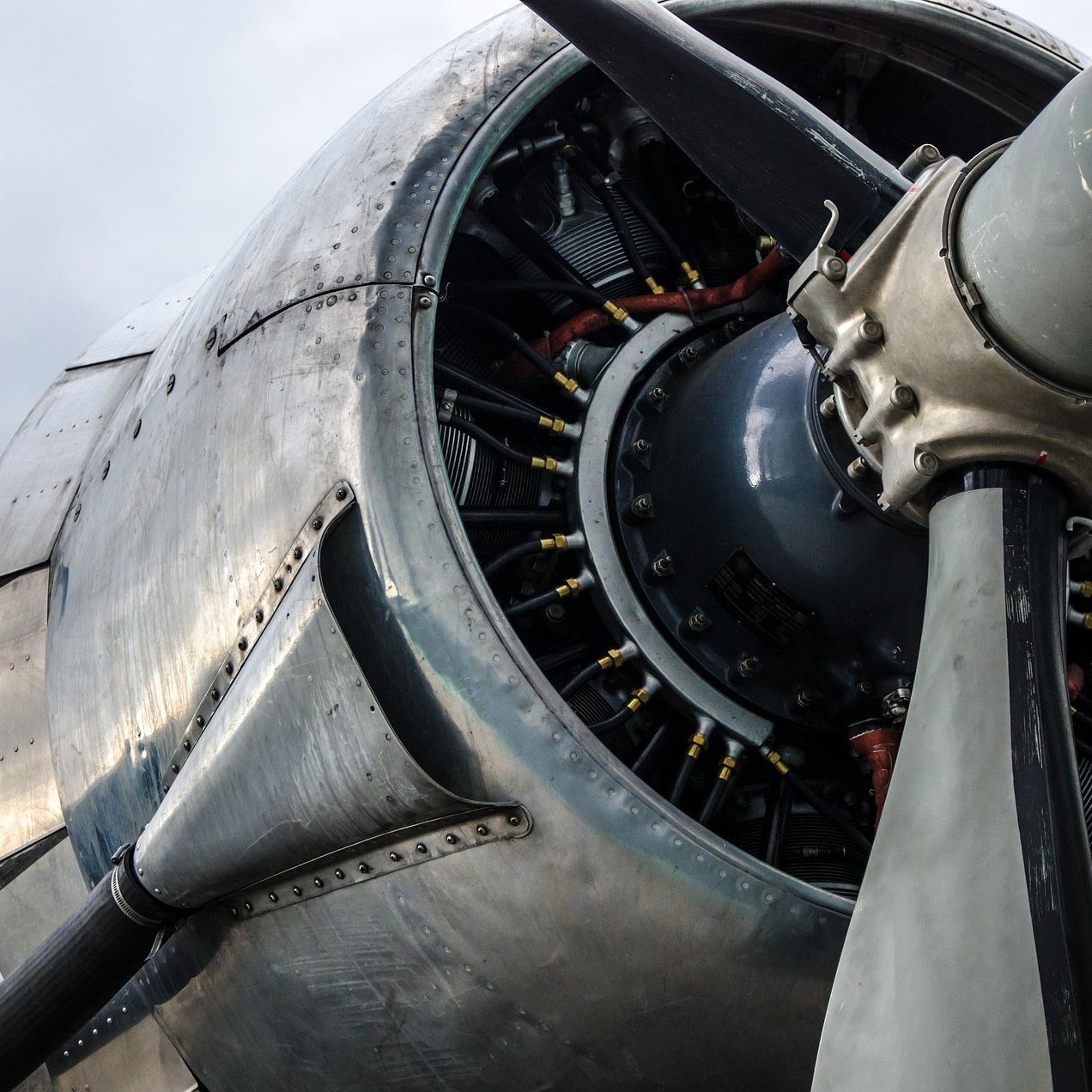
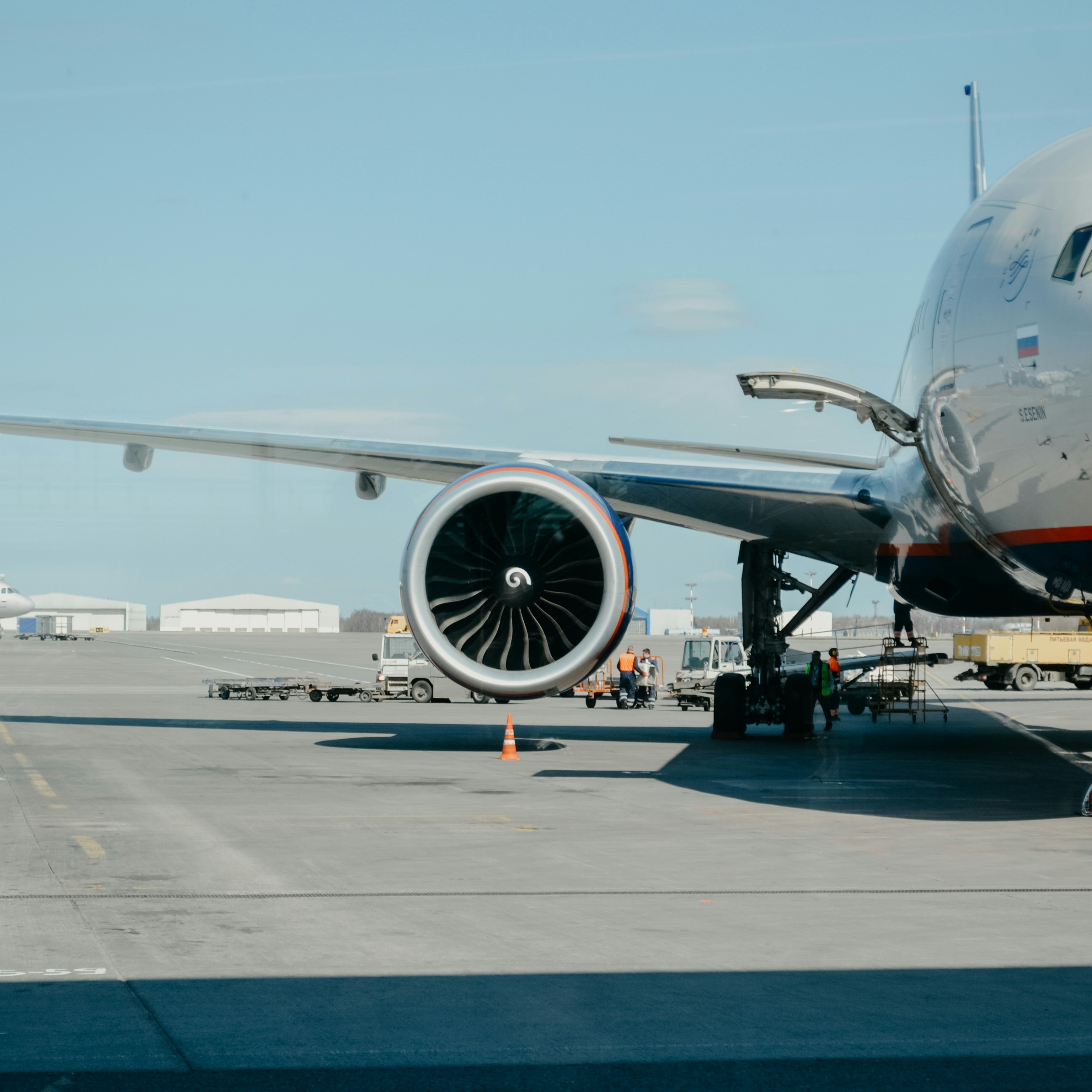
A turboprop plane engine represents a sophisticated propulsion system that combines the reliability of turbine technology with the efficiency of propeller-driven flight. This engine type utilizes a gas turbine core to drive a large propeller through a reduction gearbox, delivering exceptional performance for regional and short-haul aviation applications. The turboprop plane engine operates by compressing incoming air, mixing it with fuel in the combustion chamber, and igniting the mixture to produce high-energy exhaust gases. These gases spin a turbine, which powers both the compressor and the propeller shaft, generating thrust primarily through the propeller rather than jet exhaust. Modern turboprop plane engine designs feature advanced materials, digital engine control systems, and optimized aerodynamics to maximize fuel efficiency and operational reliability. The technology excels in aircraft requiring takeoff and landing capabilities on shorter runways, where its powerful thrust-to-weight ratio and excellent slow-speed performance prove invaluable. Applications range from regional airliners and cargo transports to military reconnaissance aircraft and agricultural aviation. The turboprop plane engine typically operates most efficiently at altitudes between 18,000 and 30,000 feet and at speeds below 450 miles per hour, making it the ideal choice for missions prioritizing fuel economy over maximum speed. With lower operating costs compared to pure jet engines and superior efficiency on routes under 600 miles, the turboprop plane engine continues to dominate specific aviation segments where its unique characteristics align perfectly with operational requirements.



 EN