Airplane Engine Price Guide & Value Analysis

application/airplane-engine-price, application/airplane-engine-price, 
Inquiry
Inquiry

airplane engine price

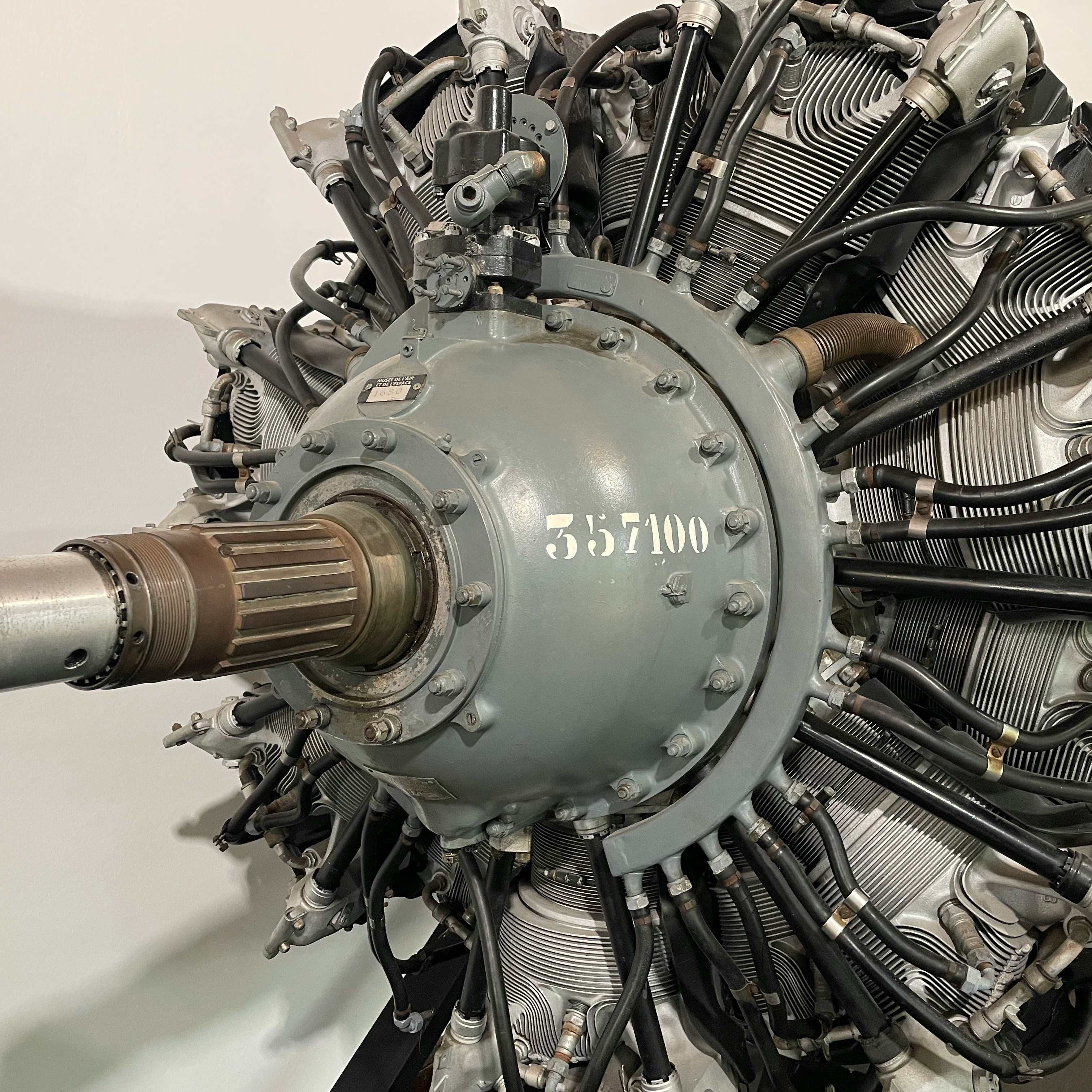
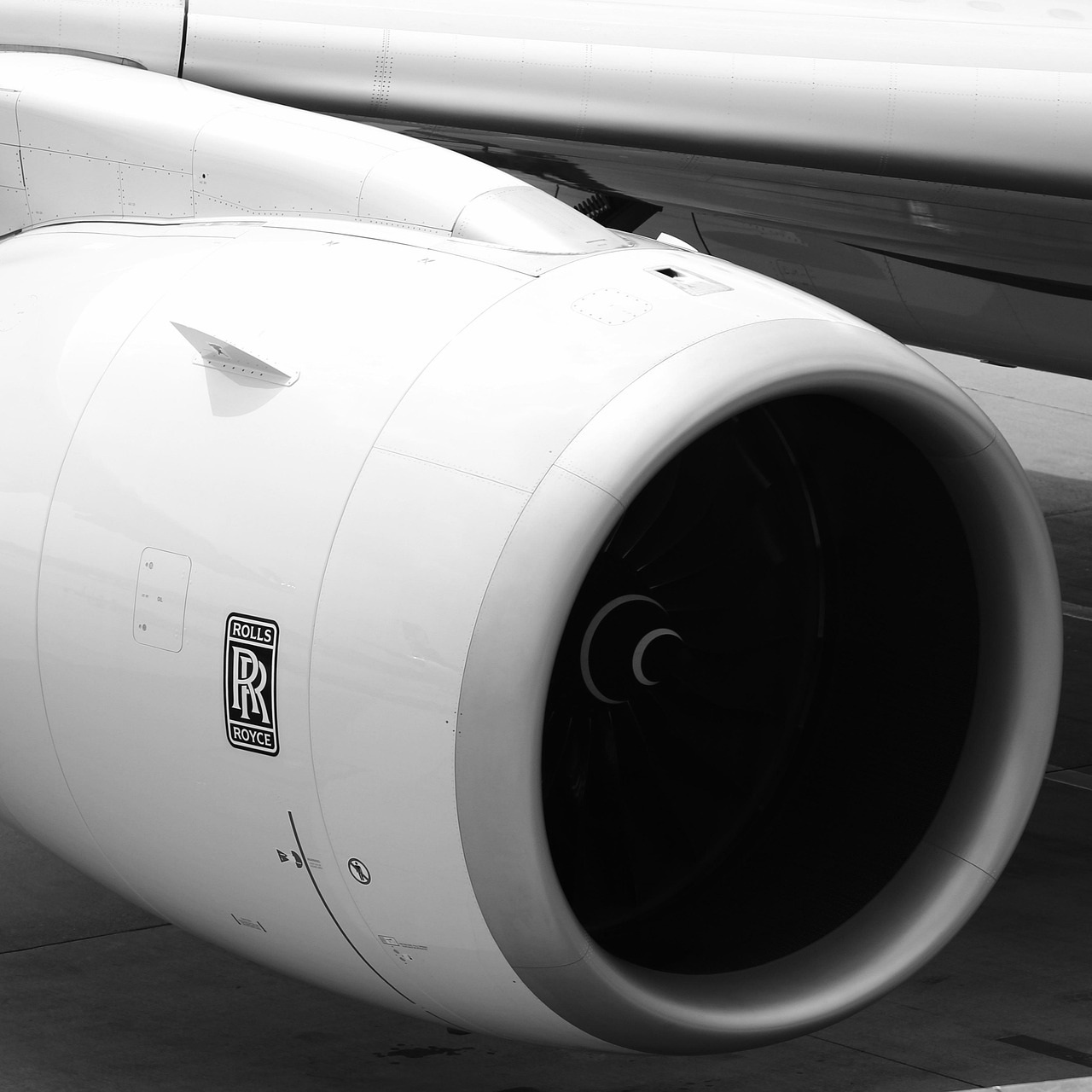
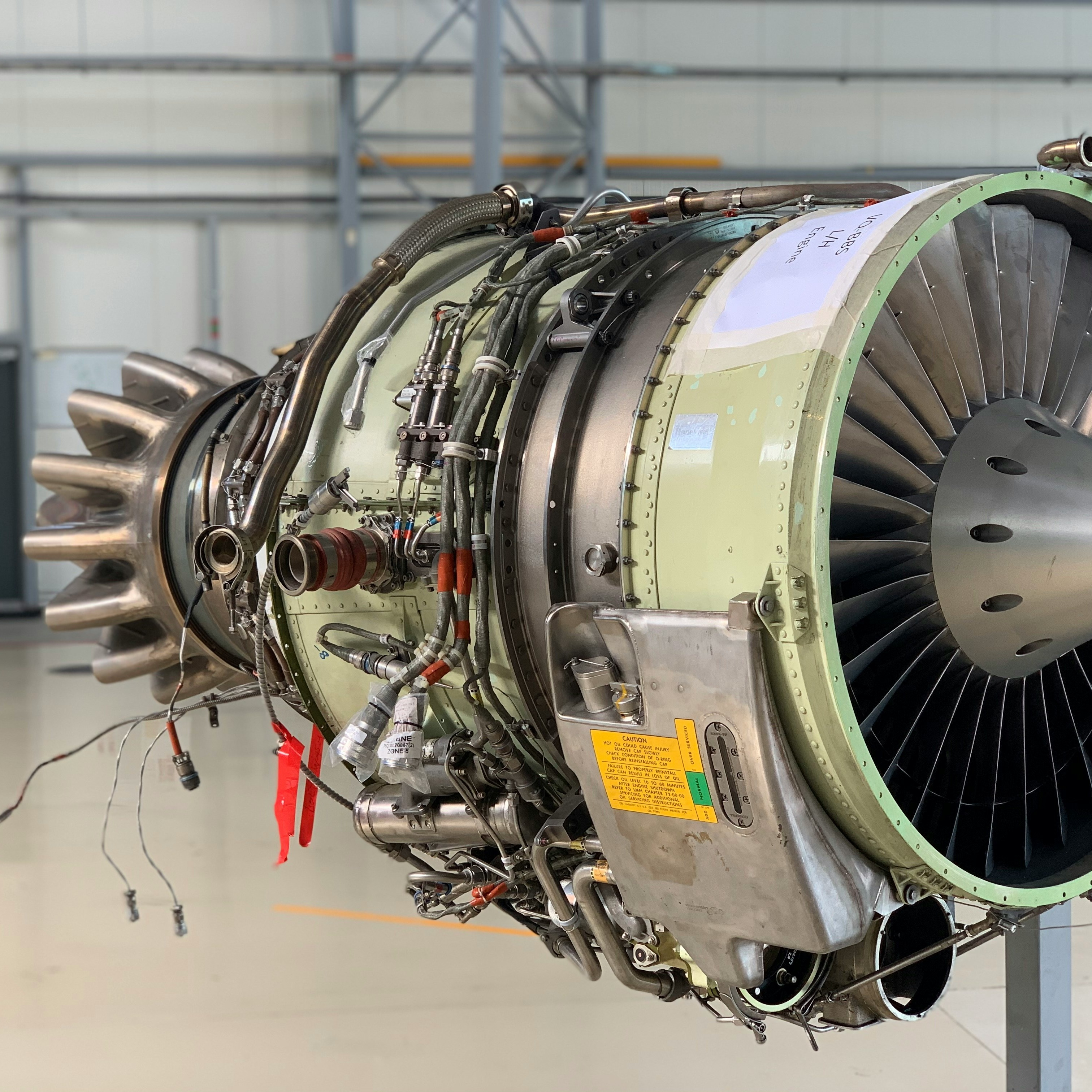
Understanding airplane engine price is essential for airlines, aircraft operators, and aviation businesses making critical procurement decisions. Airplane engine price varies significantly based on engine type, manufacturer, thrust capacity, and technological sophistication. Commercial jet engines from leading manufacturers typically range from $12 million to $35 million per unit for new turbofan engines, while smaller turboprop engines may cost between $2 million and $5 million. The airplane engine price encompasses not just the initial purchase cost but also reflects advanced engineering, certification standards, and performance capabilities. Modern aviation engines incorporate cutting-edge technologies including composite materials, advanced cooling systems, digital engine controls, and fuel-efficient designs that comply with stringent environmental regulations. These engines serve diverse applications across commercial aviation, cargo transport, business jets, and regional aircraft operations. When evaluating airplane engine price, buyers must consider the engine's thrust-to-weight ratio, fuel consumption rates, maintenance intervals, and compatibility with specific aircraft models. Major manufacturers like GE Aviation, Pratt & Whitney, Rolls-Royce, and CFM International dominate the market, each offering distinct pricing structures and performance characteristics. The total cost of ownership extends beyond the initial airplane engine price to include maintenance reserves, overhaul expenses, and operational efficiency over the engine's typical 20-30 year lifespan. Understanding these pricing dynamics enables operators to make informed investments that balance upfront costs with long-term operational economics and reliability.

Popular Products

Evaluating airplane engine price provides buyers with clear financial planning capabilities for fleet expansion and aircraft acquisition projects. Transparent pricing allows operators to accurately budget capital expenditures and secure appropriate financing arrangements. When you understand airplane engine price structures, you can negotiate better purchasing terms, explore leasing options, and compare offerings from different manufacturers to find optimal value. The competitive market for aviation engines means that informed buyers gain leverage in procurement negotiations, potentially saving millions on multi-engine orders. Knowing airplane engine price helps you assess total ownership costs by factoring in fuel efficiency ratings, which directly impact operational expenses over decades of service. Modern engines priced at premium levels often deliver superior fuel economy, reducing per-flight costs and environmental impact while meeting increasingly strict emissions standards. This operational benefit translates to lower carbon taxes and enhanced corporate sustainability profiles. Price transparency also enables better maintenance planning, as engines with higher initial costs frequently feature extended time-between-overhaul intervals and reduced maintenance requirements, lowering lifecycle expenses. For airlines operating on thin profit margins, understanding airplane engine price relative to performance metrics allows strategic fleet decisions that optimize route profitability. The price information helps match engine capabilities to specific mission profiles, whether prioritizing range, payload capacity, or operational flexibility. Additionally, knowing market pricing protects buyers from overpaying and identifies opportunities for purchasing during favorable market conditions. Access to comprehensive airplane engine price data supports due diligence in aircraft transactions, lease negotiations, and insurance valuations, ensuring all stakeholders base decisions on accurate financial information that reflects current market realities and future value retention.

Tips And Tricks

Ensuring Landing Gear Safety with Certified Parts

15

Sep

Ensuring Landing Gear Safety with Certified Parts

Why certified landing gear prevents runway incidents and meets FAA/EASA standards. Learn how to source, verify, and maintain compliant parts—get the guide now.
View More
Cost-Effective Procurement Strategies for Tools

15

Sep

Cost-Effective Procurement Strategies for Tools

Cut tool costs by 15–25% with proven procurement strategies: TCO analysis, supplier consolidation, preventive maintenance & tech-enabled management. Optimize value—start now.
View More
Key Steps to Evaluate Used Plane Engine Materials

14

Sep

Key Steps to Evaluate Used Plane Engine Materials

How to properly evaluate used plane engine materials for airworthiness, safety & compliance. Avoid costly failures—get the expert 10-step inspection protocol now.
View More
Comprehensive Cost Transparency for Strategic Planning

Comprehensive Cost Transparency for Strategic Planning

Understanding airplane engine price provides aviation businesses with the financial clarity needed for strategic fleet development and capital allocation decisions. The pricing information reveals not only the initial acquisition costs but also illuminates the relationship between purchase price and long-term operational value. Engines positioned at higher price points typically incorporate advanced materials like ceramic matrix composites and single-crystal turbine blades that deliver exceptional durability and performance. This transparency allows procurement teams to develop accurate financial models comparing lease versus purchase options, evaluate different manufacturer offerings side-by-side, and determine optimal timing for engine acquisitions based on market cycles. When operators clearly understand airplane engine price across different thrust categories and technology generations, they can align purchasing decisions with airline growth strategies, route network expansions, and fleet renewal programs. The pricing data also supports negotiations with OEMs and aftermarket suppliers, creating competitive tension that benefits buyers. Financial institutions require detailed airplane engine price information for loan underwriting and asset valuations, making this knowledge essential for securing favorable financing terms that improve return on investment across the aircraft's operational lifespan.
Performance Value Justified by Advanced Engineering

Performance Value Justified by Advanced Engineering

The airplane engine price reflects decades of research, development, and engineering excellence that delivers measurable operational advantages. Premium-priced engines incorporate sophisticated technologies such as adaptive thermodynamic cycles, advanced aerodynamics, and intelligent diagnostic systems that optimize performance across varying flight conditions. These engineering features translate directly into fuel savings, with modern engines consuming 15-25 percent less fuel than previous generations, resulting in millions of dollars in savings over the engine's service life. The price also accounts for rigorous certification processes ensuring safety and reliability standards that protect passengers and cargo. Engines commanding higher airplane engine price typically offer superior thrust-to-weight ratios, enabling aircraft to carry heavier payloads over longer distances while maintaining efficiency. Noise reduction technologies embedded in these engines help airlines comply with increasingly strict airport noise regulations, protecting access to noise-sensitive airports and expanded operating hours. The investment in higher-priced engines often includes comprehensive manufacturer support programs, technical training, and digital monitoring systems that predict maintenance needs before failures occur. This proactive approach minimizes unscheduled downtime and operational disruptions that cost airlines significantly more than the incremental airplane engine price difference, making premium engines economically rational choices for serious operators.
Lifecycle Economics Beyond Initial Purchase Price

Lifecycle Economics Beyond Initial Purchase Price

Analyzing airplane engine price requires looking beyond the initial acquisition cost to understand total lifecycle economics that determine true ownership value. While upfront airplane engine price represents a significant capital investment, the operational costs over 20-30 years of service typically exceed the purchase price by factors of three to five times. Engines with higher initial prices frequently feature extended maintenance intervals, sometimes reaching 10,000 flight hours between major overhauls compared to 5,000 hours for older technology engines. This extended durability reduces the frequency of costly shop visits and minimizes aircraft downtime that causes revenue loss. Modern engines priced at premium levels also retain residual value better than budget alternatives, providing stronger asset values for balance sheets and better returns during aircraft retirement or sale. The airplane engine price correlation with fuel efficiency becomes especially important given that fuel represents 20-30 percent of airline operating costs. An engine that costs $3 million more initially but saves $500,000 annually in fuel expenses achieves payback within six years while continuing to deliver savings for decades afterward. Additionally, engines with established market presence and widespread fleet adoption benefit from competitive aftermarket support, parts availability, and mechanic familiarity, reducing maintenance costs and logistical complexity throughout the operational lifecycle.