Electric Aircraft Engine Solutions & Benefits

application/electric-aircraft-engine, application/electric-aircraft-engine, 
Inquiry
Inquiry

electric aircraft engine

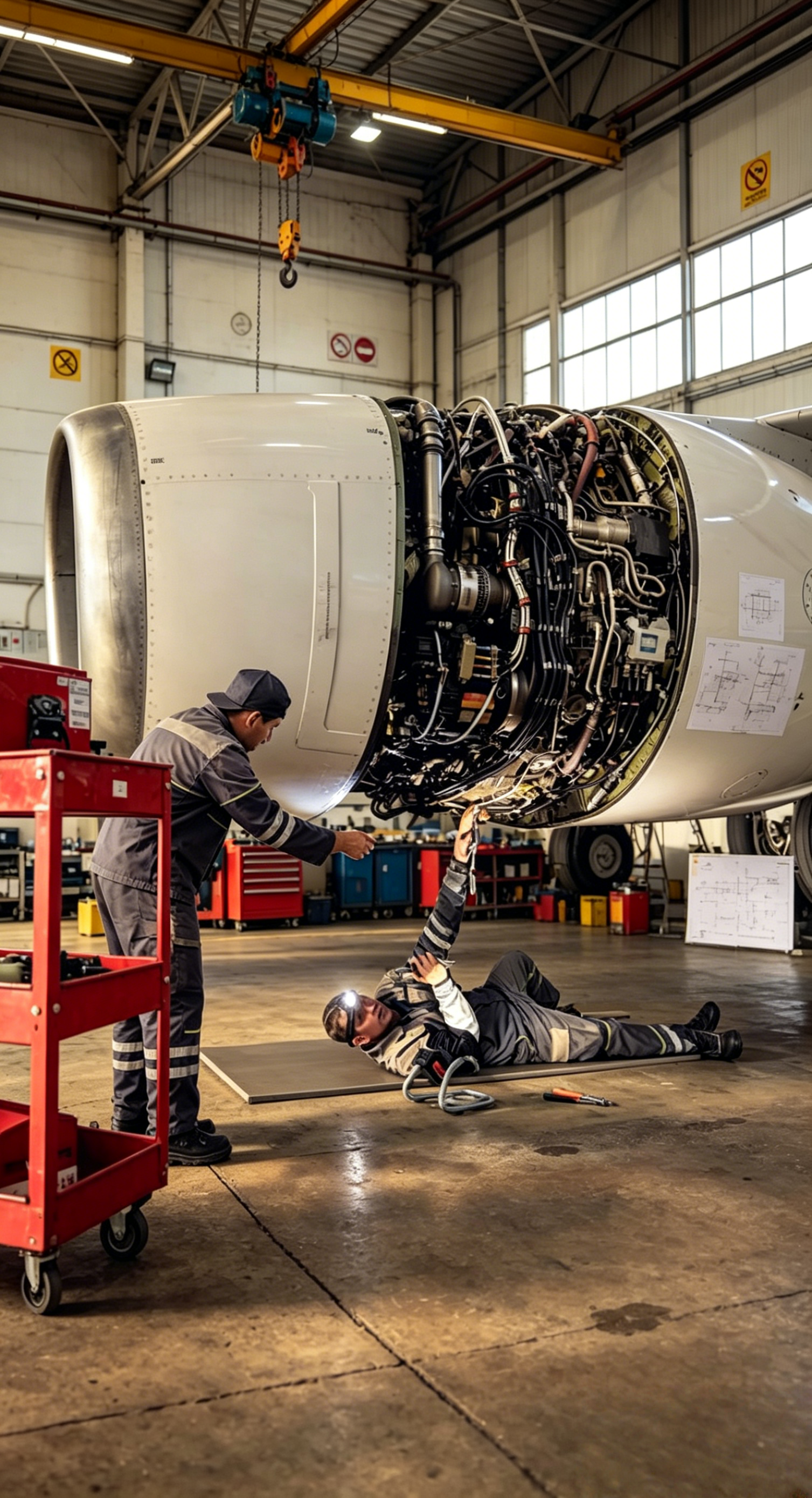
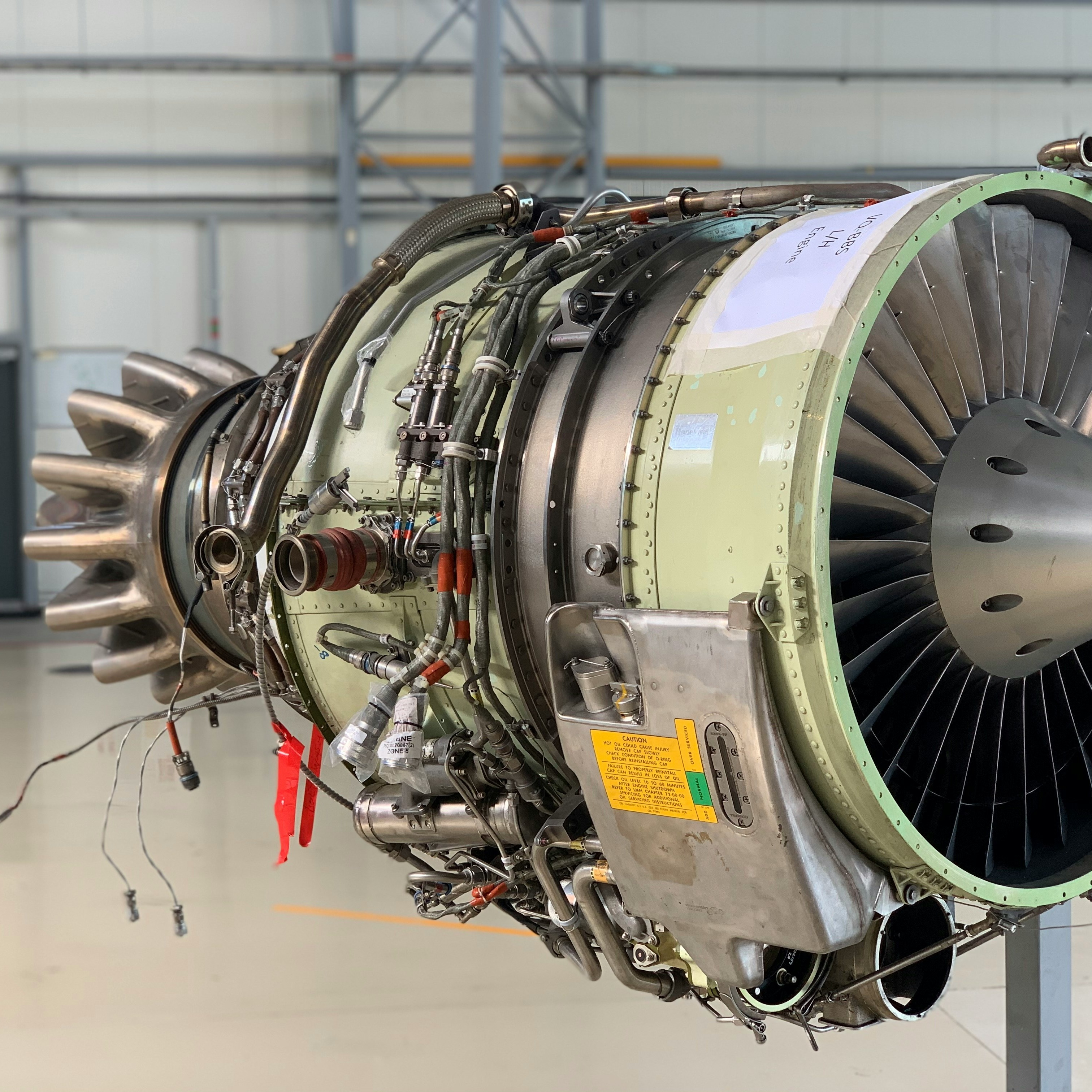
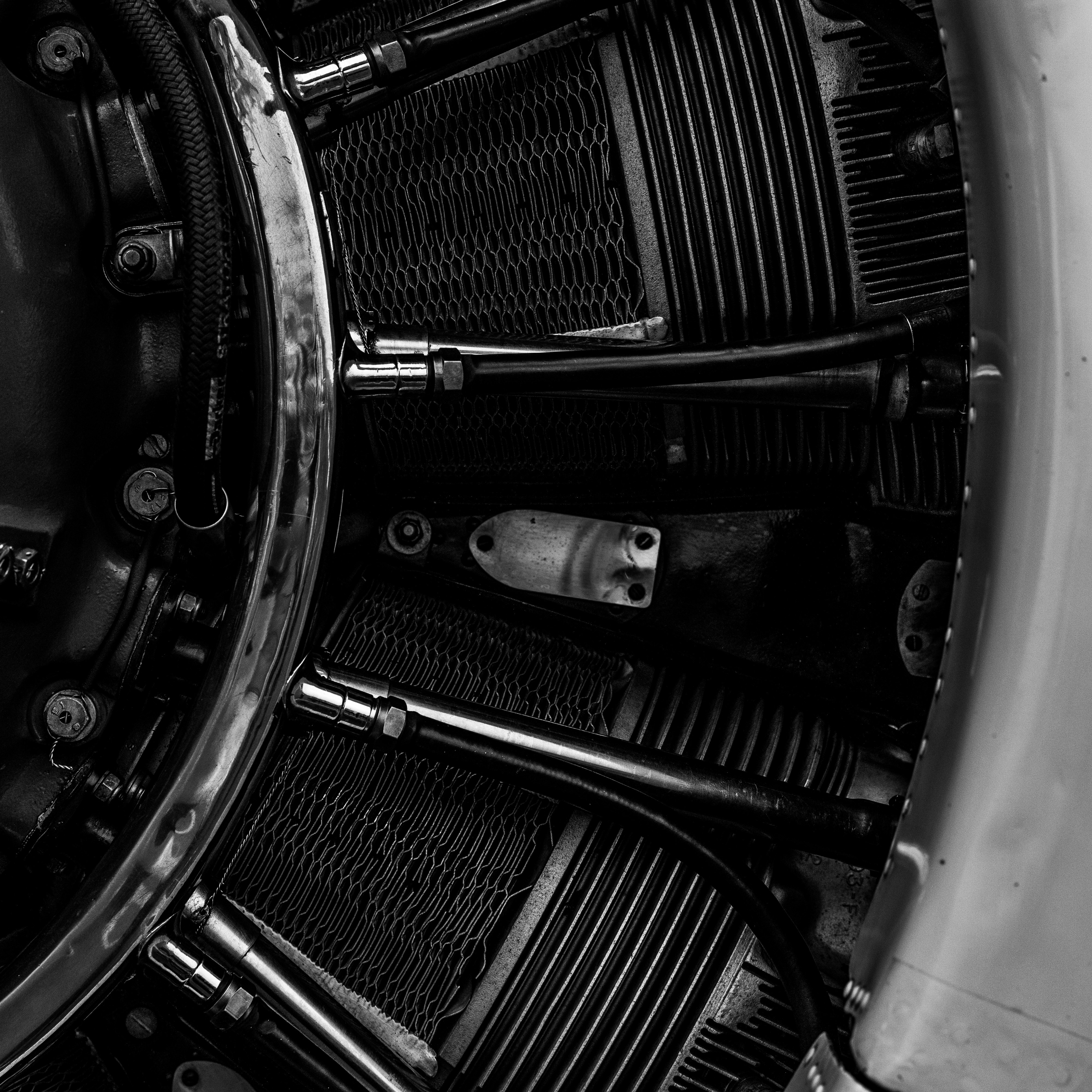
An electric aircraft engine represents a revolutionary propulsion system that uses electrical energy to power aircraft, replacing traditional fossil fuel engines with clean, efficient electric motors. This innovative technology converts electrical power from batteries or fuel cells into mechanical energy that drives propellers or fans, enabling flight without combustion emissions. The electric aircraft engine comprises several key components including electric motors, power electronics, thermal management systems, and energy storage units that work together seamlessly. These engines deliver instant torque, precise power control, and significantly reduced mechanical complexity compared to conventional aviation engines. The primary functions include thrust generation, energy conversion efficiency, and integration with advanced flight control systems. Technological features of the electric aircraft engine include high power-to-weight ratios, regenerative capabilities, modular designs, and smart monitoring systems that optimize performance in real-time. Applications span across various aviation sectors including urban air mobility vehicles, training aircraft, short-range commuter planes, cargo drones, and recreational flying. The electric aircraft engine is transforming regional aviation by enabling quieter operations near populated areas and reducing operational costs substantially. This propulsion technology supports sustainable aviation goals while maintaining safety standards and reliability. As battery technology advances and charging infrastructure expands, the electric aircraft engine continues to gain traction among manufacturers, operators, and regulatory bodies worldwide, positioning itself as a cornerstone of future aviation development.

New Product Recommendations

The electric aircraft engine delivers substantial cost savings through dramatically lower fuel expenses and reduced maintenance requirements. Unlike traditional engines with hundreds of moving parts, these electric systems feature fewer components that wear out, translating to longer service intervals and decreased downtime. Operators experience up to seventy percent reduction in direct operating costs, making aviation more economically viable for short-range missions and flight training operations. The simplicity of the electric aircraft engine means mechanics spend less time on routine maintenance, allowing aircraft to remain in service longer and generate more revenue. Environmental benefits provide compelling value as zero direct emissions help operators meet increasingly stringent regulations while appealing to environmentally conscious customers and investors. The quiet operation of the electric aircraft engine opens new possibilities for flight operations in noise-sensitive areas, extending available flight hours and enabling operations from locations previously restricted due to noise ordinances. Pilots appreciate the smooth, vibration-free operation that reduces fatigue during extended flights and provides superior handling characteristics with instant throttle response. The digital nature of electric propulsion allows seamless integration with modern avionics and autonomous flight systems, future-proofing your investment as aviation technology evolves. Reliability improves significantly because electric motors have fewer failure points than combustion engines, enhancing safety margins and reducing insurance costs. Training organizations benefit from predictable operating expenses and the ability to offer more affordable flight hours to students. The electric aircraft engine suits applications ranging from personal recreation to commercial operations, particularly excelling in missions under two hundred miles where current battery technology provides optimal performance and economics.

Latest News

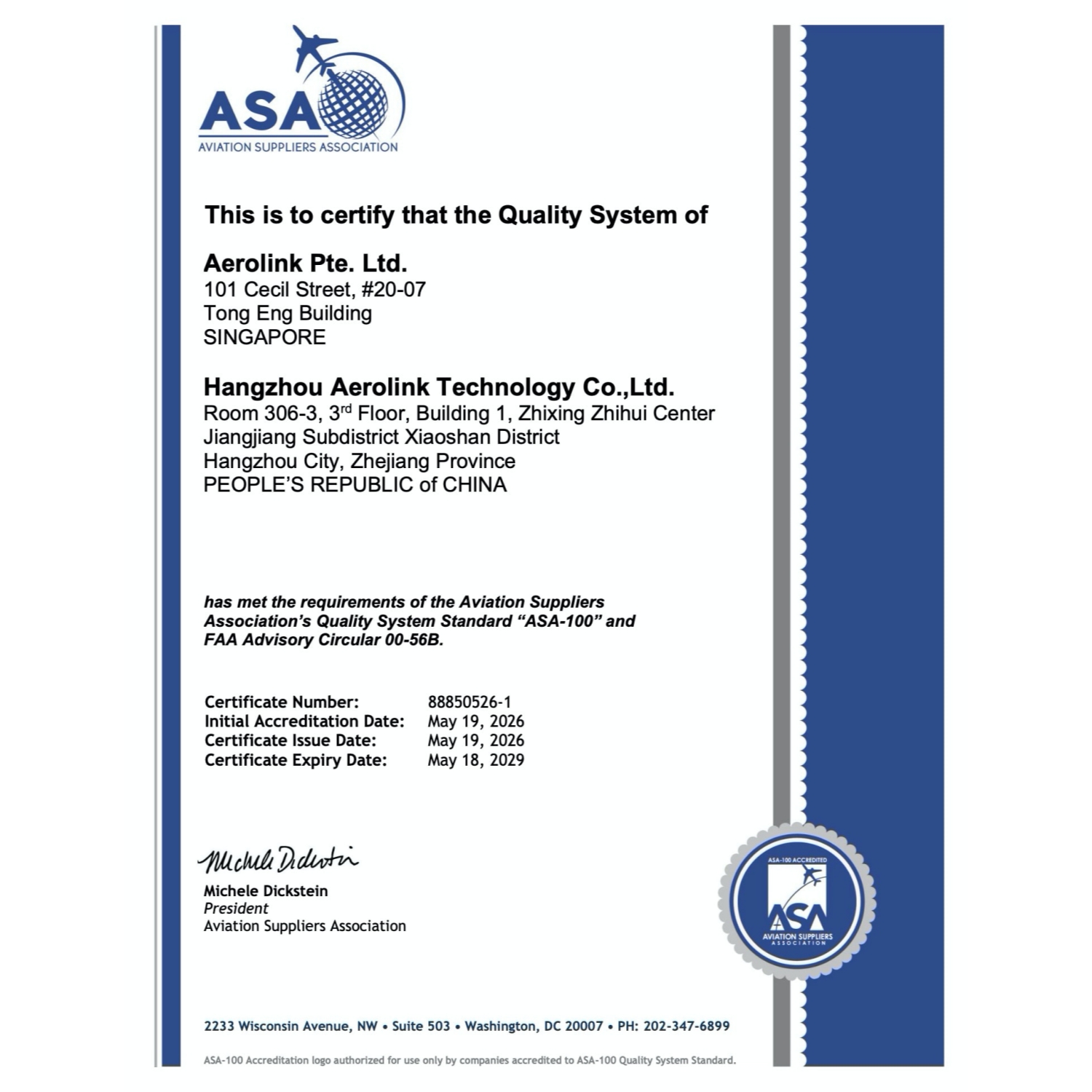
AeroLink Successfully Obtains ASA-100 and CAMAC Aviation Material Distributor Certifications

16

Jun

AeroLink Successfully Obtains ASA-100 and CAMAC Aviation Material Distributor Certifications

View More
Ensuring Landing Gear Safety with Certified Parts

15

Sep

Ensuring Landing Gear Safety with Certified Parts

Why certified landing gear prevents runway incidents and meets FAA/EASA standards. Learn how to source, verify, and maintain compliant parts—get the guide now.
View More
Key Steps to Evaluate Used Plane Engine Materials

14

Sep

Key Steps to Evaluate Used Plane Engine Materials

How to properly evaluate used plane engine materials for airworthiness, safety & compliance. Avoid costly failures—get the expert 10-step inspection protocol now.
View More
Zero Emissions and Environmental Leadership

Zero Emissions and Environmental Leadership

The electric aircraft engine produces absolutely no direct carbon emissions, particulate matter, or harmful pollutants during operation, positioning your organization as an environmental leader in aviation. This clean propulsion technology eliminates the carbon footprint associated with flight operations, helping companies achieve sustainability targets and corporate social responsibility goals that increasingly matter to stakeholders, customers, and regulators. The environmental advantage extends beyond emissions reduction to include elimination of fuel spills, groundwater contamination risks, and hazardous material handling associated with aviation fuel storage and distribution. Operators can market their services as genuinely green transportation options, attracting environmentally conscious passengers willing to pay premium prices for sustainable travel. Governments worldwide are implementing carbon pricing mechanisms and emission regulations that will make conventional aircraft increasingly expensive to operate, while electric propulsion remains exempt from these financial penalties. The electric aircraft engine enables access to green financing options, sustainability-focused investors, and government incentives specifically designed to accelerate clean technology adoption, providing financial advantages that improve your competitive position in an evolving regulatory landscape.
Dramatic Reduction in Operating Noise

Dramatic Reduction in Operating Noise

The electric aircraft engine operates at significantly lower noise levels compared to conventional propulsion systems, typically reducing operational noise by twenty to thirty decibels during takeoff and climb phases. This acoustic advantage transforms where and when aircraft can operate, enabling flights from urban locations, residential airfields, and city-center vertiports that combustion-powered aircraft cannot access due to noise restrictions. Quiet operation means extended operating hours without disturbing communities, allowing early morning and late evening flights that maximize aircraft utilization and revenue potential. Flight training schools particularly benefit as reduced noise complaints from neighbors improve community relations and reduce the risk of operational restrictions that threaten business viability. The pleasant acoustic environment inside the cockpit enhances pilot comfort and reduces communication difficulties, improving safety through clearer radio transmissions and better situational awareness. For passenger operations, the quiet cabin environment provides a premium travel experience that differentiates your service from competitors and justifies higher ticket prices. The electric aircraft engine eliminates the loud, intrusive sounds associated with piston engines and reduces the high-frequency whine of turbines, creating an aviation experience that passengers describe as remarkably peaceful and enjoyable.
Simplified Maintenance and Enhanced Reliability

Simplified Maintenance and Enhanced Reliability

The electric aircraft engine features fundamentally simpler mechanical architecture with approximately ninety percent fewer moving parts than traditional piston engines, translating directly into dramatically reduced maintenance requirements and enhanced operational reliability. Without complex systems like fuel injection, ignition timing, valve trains, or lubrication circuits, the maintenance burden decreases substantially, requiring only periodic inspections of electrical connections, cooling systems, and bearing conditions. This simplicity means lower maintenance costs, reduced hangar time, and fewer unexpected maintenance events that disrupt operational schedules and disappoint customers. The electric aircraft engine eliminates entire categories of maintenance tasks including oil changes, spark plug replacements, carburetor overhauls, and magneto inspections that consume time and money in conventional aircraft operations. Reliability improves because electric motors operate with minimal vibration and thermal stress compared to combustion engines, extending component lifespans and reducing failure rates significantly. Predictive maintenance becomes more effective as sensors continuously monitor electrical parameters, temperatures, and performance metrics, enabling condition-based maintenance that prevents failures before they occur. Operators experience improved dispatch reliability with fewer cancellations due to mechanical issues, protecting revenue and building customer confidence in service dependability that strengthens brand reputation.