Best Airplane Engine: Performance & Efficiency

application/best-airplane-engine, application/best-airplane-engine, 
Inquiry
Inquiry

best airplane engine

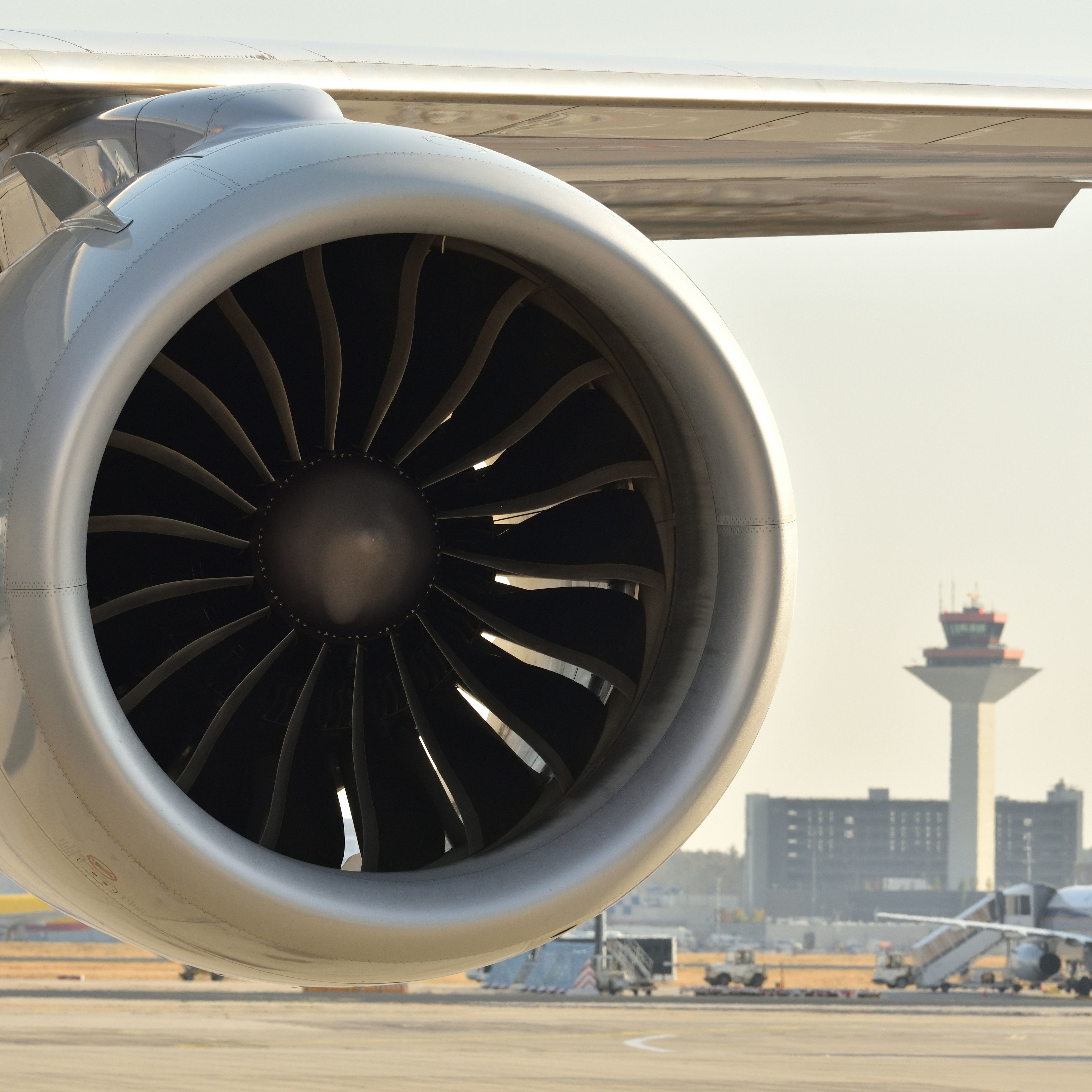
The best airplane engine represents the pinnacle of aviation propulsion technology, combining exceptional power output with remarkable fuel efficiency and operational reliability. Modern turbofan engines dominate commercial aviation, delivering thrust through a sophisticated combination of fan blades, compressor stages, combustion chambers, and turbine sections. The best airplane engine serves multiple critical functions: generating sufficient thrust for takeoff, maintaining efficient cruise performance at high altitudes, and providing dependable power throughout all flight phases. Technological features include advanced composite materials that reduce weight while increasing durability, precision-engineered fan blades optimized for aerodynamic performance, and digital engine control systems that monitor thousands of parameters in real-time. These engines incorporate cutting-edge cooling technologies to withstand extreme temperatures exceeding 3000 degrees Fahrenheit in combustion zones. Applications span across commercial aviation, cargo transport, business jets, and military aircraft. The best airplane engine achieves thrust ratings ranging from 20,000 to over 100,000 pounds, depending on aircraft size and mission requirements. Manufacturers integrate noise reduction technologies to meet stringent environmental regulations while maintaining performance standards. Advanced health monitoring systems enable predictive maintenance, reducing unscheduled downtime and enhancing safety margins. The best airplane engine balances multiple performance parameters including specific fuel consumption, thrust-to-weight ratio, bypass ratio, and overall pressure ratio to deliver optimal efficiency across varying operational conditions and altitude ranges.

New Product Recommendations

Choosing the best airplane engine delivers substantial operational savings through superior fuel efficiency, translating directly to reduced operating costs per flight hour. Airlines and operators benefit from extended time between overhauls, minimizing maintenance expenses and maximizing aircraft availability for revenue-generating flights. The reliability of the best airplane engine means fewer flight cancellations and delays, protecting your reputation and customer satisfaction while avoiding costly disruptions. Advanced materials and engineering reduce overall engine weight, allowing aircraft to carry more passengers or cargo without sacrificing range or performance capabilities. You gain access to proven technology backed by millions of flight hours, providing confidence in safety and dependability for every mission. The best airplane engine incorporates modular design principles, enabling faster component replacement and streamlined maintenance procedures that reduce aircraft ground time. Digital monitoring systems provide real-time performance data, allowing operators to optimize flight profiles and identify potential issues before they become critical problems. Environmental benefits include lower emissions and reduced noise footprints, helping operators meet increasingly strict regulatory requirements while demonstrating corporate responsibility. The best airplane engine maintains consistent performance across diverse operating conditions, from hot and high airports to extreme cold environments, ensuring operational flexibility worldwide. Long-term value retention remains strong due to widespread adoption and comprehensive support networks spanning global markets. Operators appreciate standardized training programs and extensive parts availability that simplify fleet management and reduce inventory costs. The best airplane engine represents a strategic investment that enhances operational efficiency, reduces total cost of ownership, and positions operators competitively in demanding aviation markets.

Tips And Tricks

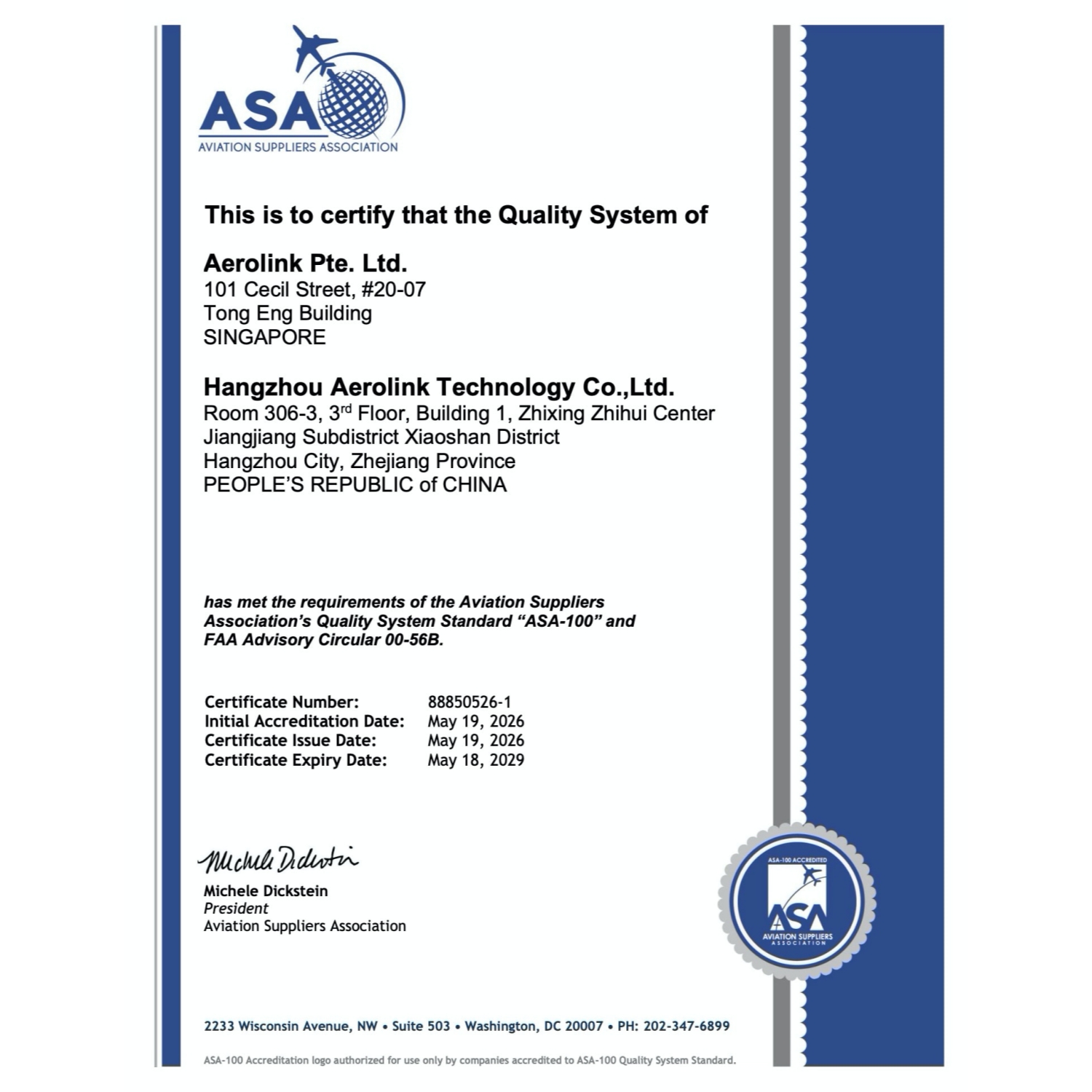
AeroLink Successfully Obtains ASA-100 and CAMAC Aviation Material Distributor Certifications

16

Jun

AeroLink Successfully Obtains ASA-100 and CAMAC Aviation Material Distributor Certifications

View More
Why Traceable Tools Are Vital for Compliance

15

Sep

Why Traceable Tools Are Vital for Compliance

Why traceable tools are non-negotiable for audit readiness, legal protection, and operational excellence.
View More
Selecting Reliable GSE to Improve Ground Ops

15

Sep

Selecting Reliable GSE to Improve Ground Ops

Struggling with aircraft delays? Discover how choosing reliable GSE vendors improves turnaround time. Get your free vendor evaluation checklist.
View More
Unmatched Fuel Efficiency and Performance

Unmatched Fuel Efficiency and Performance

The best airplane engine achieves breakthrough fuel efficiency through advanced aerodynamic design and innovative materials engineering. High bypass ratios direct more air around the engine core rather than through it, generating thrust more efficiently while consuming less fuel per pound of thrust produced. Advanced fan blade geometries, often incorporating swept designs and composite construction, optimize airflow characteristics across the entire operational envelope. Sophisticated combustion chamber designs ensure complete fuel burning while minimizing harmful emissions, meeting stringent environmental standards without compromising power output. Digital engine control systems continuously adjust fuel flow, variable geometry components, and other parameters to maintain optimal performance regardless of altitude, speed, or atmospheric conditions. This intelligent management results in fuel savings of fifteen to twenty-five percent compared to previous generation engines, directly impacting operational profitability. The efficiency gains compound over thousands of flight hours, delivering substantial cost reductions that improve competitive positioning and financial performance for operators across all aviation segments.
Superior Reliability and Durability

Superior Reliability and Durability

The best airplane engine establishes industry-leading reliability through rigorous testing protocols and proven design philosophies refined over decades of operational experience. Advanced single-crystal turbine blades withstand extreme temperatures and rotational stresses while maintaining structural integrity throughout extended service intervals. Comprehensive health monitoring systems track critical parameters including vibration signatures, temperature profiles, and performance trends to enable predictive maintenance strategies. This proactive approach identifies potential issues during routine inspections rather than during flight operations, dramatically reducing unscheduled maintenance events. Operators benefit from dispatch reliability rates exceeding ninety-nine percent, ensuring aircraft availability when schedules demand. The best airplane engine incorporates redundant systems and fail-safe design features that maintain safe operation even when individual components experience degradation. Extended time on wing capabilities mean engines remain installed longer between shop visits, reducing maintenance costs and operational disruptions. Modular architecture allows technicians to replace specific components without complete engine removal, further minimizing downtime. This exceptional durability translates to lower lifecycle costs and enhanced operational confidence for airlines, cargo operators, and business aviation customers worldwide.
Advanced Technology Integration

Advanced Technology Integration

The best airplane engine leverages cutting-edge technology integration to deliver unprecedented performance and operational capabilities. Full Authority Digital Engine Control systems process data from hundreds of sensors thousands of times per second, optimizing every aspect of engine operation automatically. Advanced materials including ceramic matrix composites and titanium aluminide alloys enable higher operating temperatures while reducing component weight, improving overall thrust-to-weight ratios. Three-dimensional aerodynamic modeling and computational fluid dynamics inform every design decision, ensuring optimal airflow through each engine section. Additive manufacturing techniques produce complex geometries previously impossible with traditional machining methods, enabling innovative cooling passages and lightweight structures. Real-time connectivity allows ground-based engineers to monitor engine health during flight, analyzing performance trends and recommending operational adjustments. Acoustic liners and chevron nozzles significantly reduce noise signatures, addressing community concerns around airports while maintaining aerodynamic efficiency. The best airplane engine represents the convergence of materials science, aerodynamics, digital controls, and manufacturing innovation, delivering measurable advantages that extend across performance, efficiency, reliability, and environmental stewardship for modern aviation operations.