aircraft gas turbine
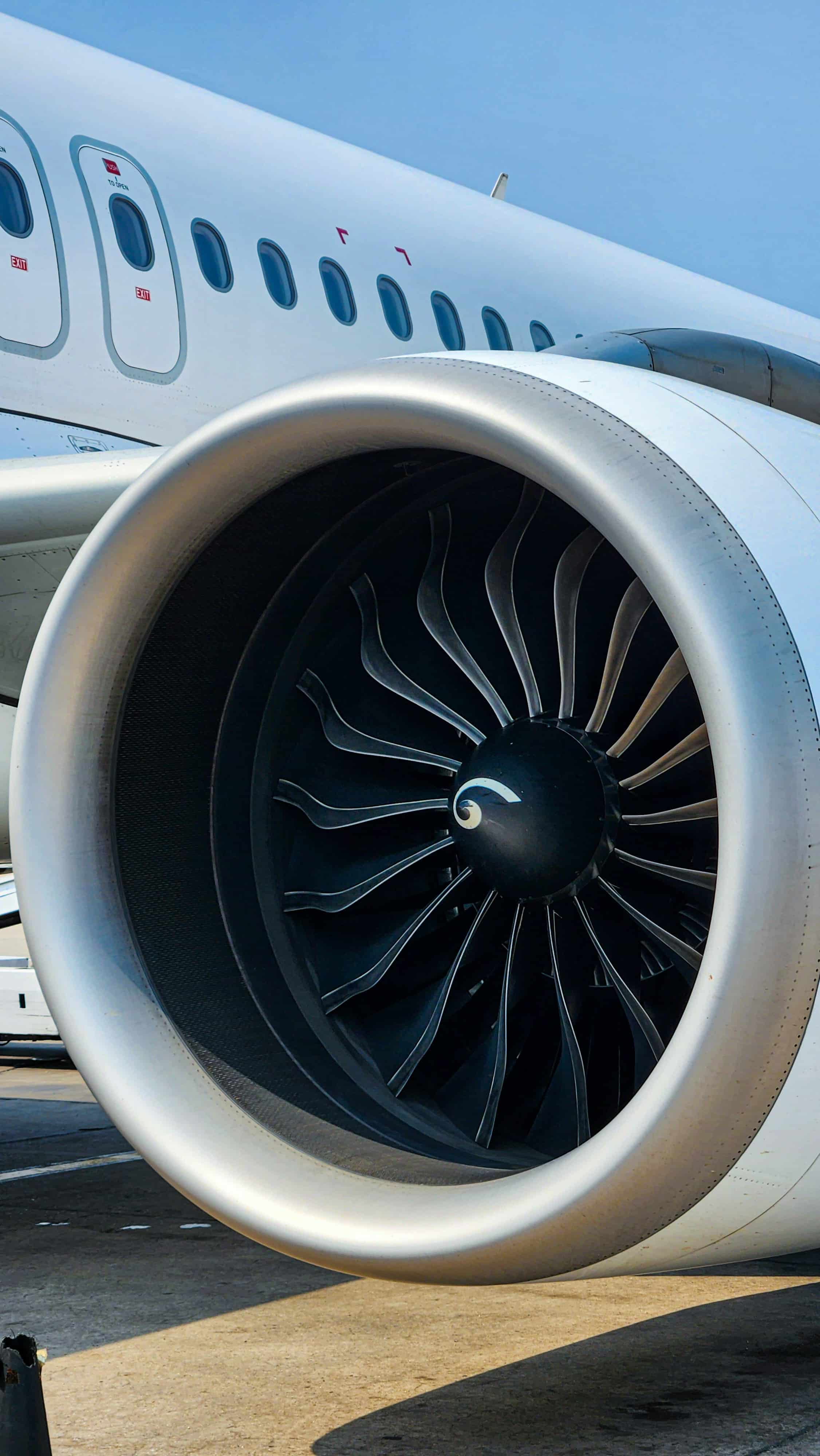
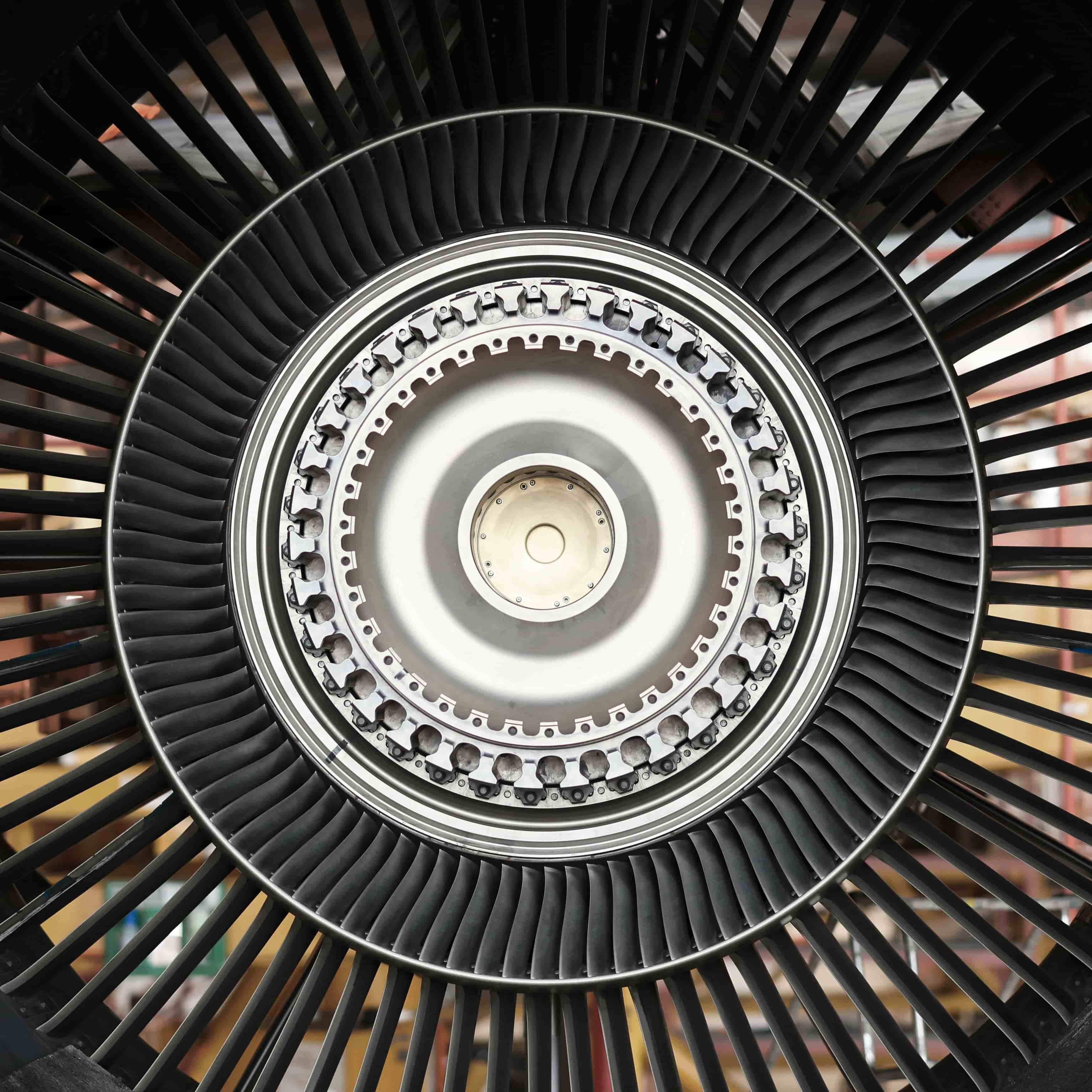
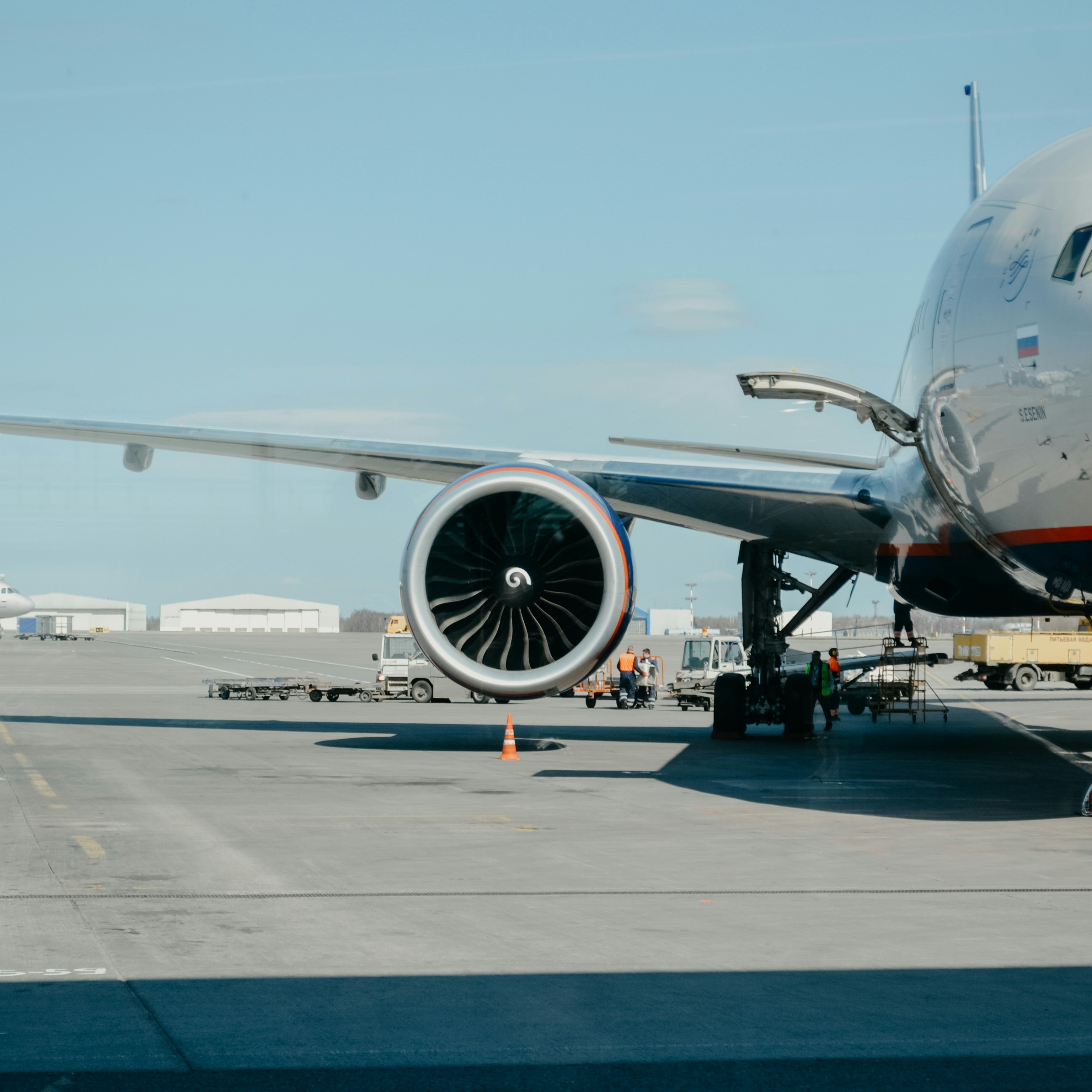
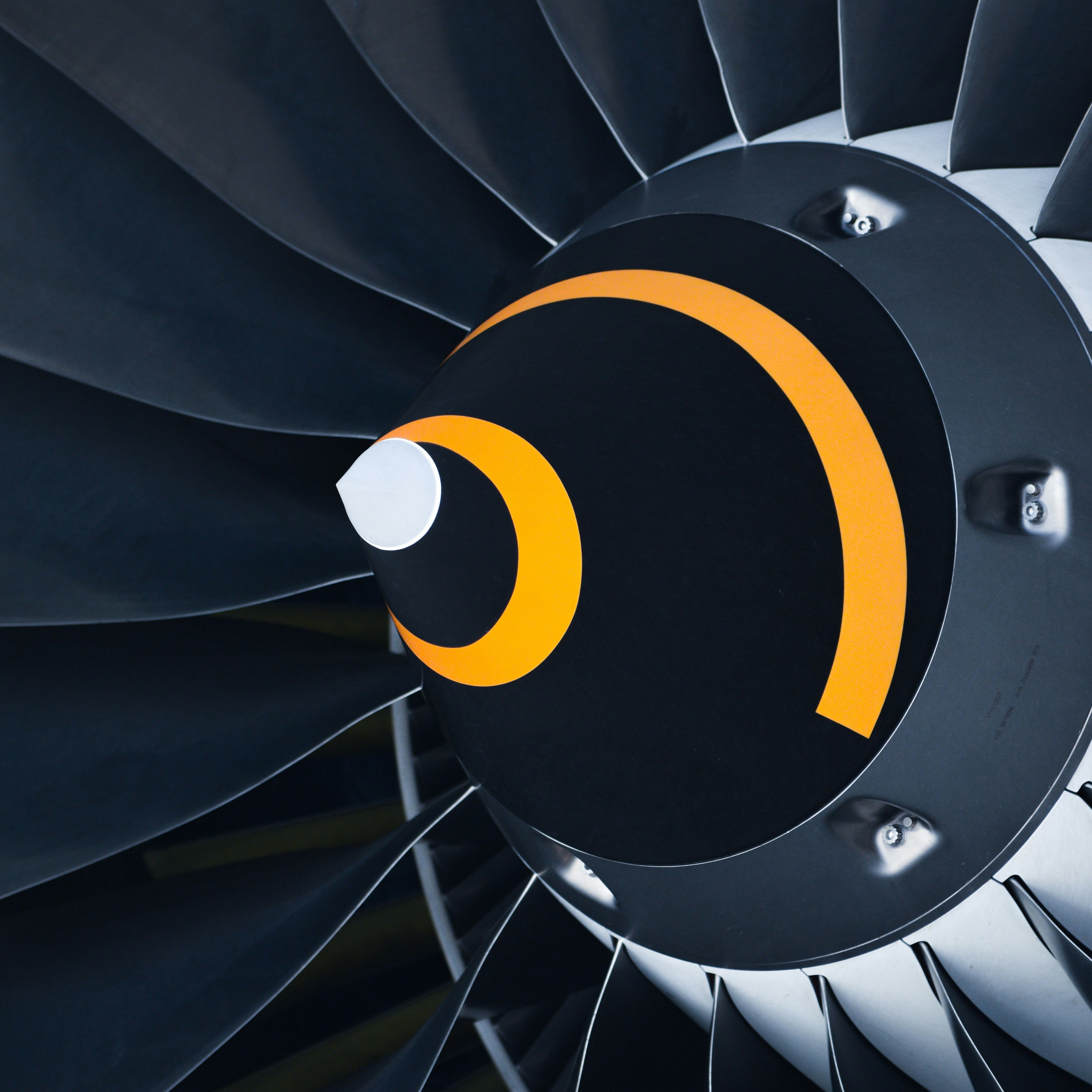
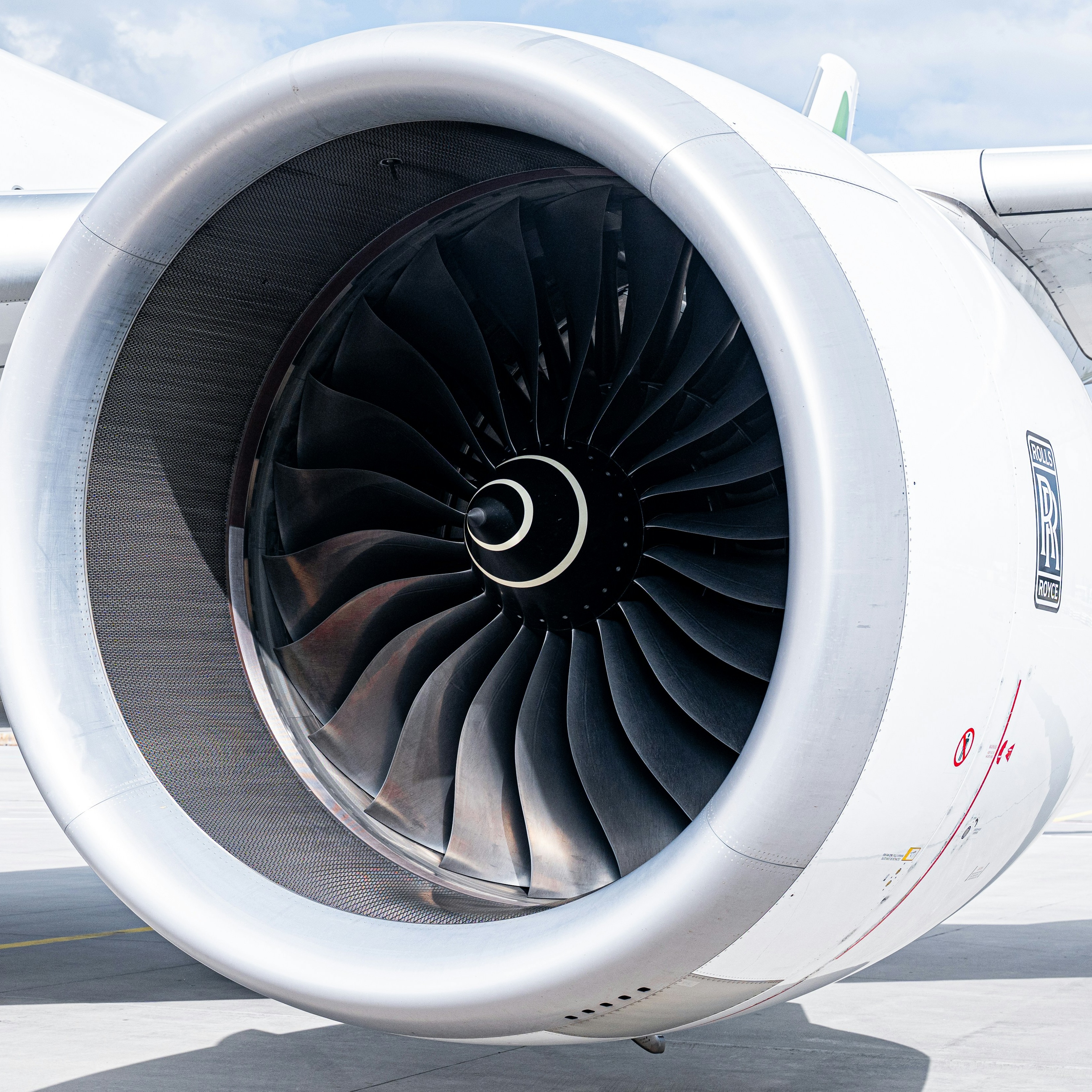
An aircraft gas turbine is a sophisticated propulsion system that converts fuel energy into mechanical power to drive aircraft forward through the atmosphere. This advanced engine operates on the Brayton cycle, drawing in ambient air, compressing it to high pressure, mixing it with fuel for combustion, and expelling hot exhaust gases at tremendous velocity to generate thrust. The aircraft gas turbine consists of several critical components including the compressor section, combustion chamber, turbine assembly, and exhaust nozzle, all working in precise coordination. Modern iterations incorporate multi-stage axial compressors, annular combustors with advanced fuel injection systems, and high-temperature turbine blades manufactured from specialized superalloys. These engines power commercial airliners, military fighters, cargo transporters, business jets, and helicopters across global aviation. The aircraft gas turbine delivers exceptional power-to-weight ratios, operating reliably at extreme altitudes where oxygen levels diminish significantly. Technological innovations have enhanced fuel efficiency, reduced emissions, minimized noise pollution, and extended operational lifespans. Digital engine control systems continuously monitor performance parameters, adjusting fuel flow and variable geometry components to optimize efficiency across varying flight conditions. The aircraft gas turbine represents decades of aerospace engineering refinement, incorporating ceramic matrix composites, thermal barrier coatings, and aerodynamic blade designs that withstand temperatures exceeding 1500 degrees Celsius. These propulsion systems undergo rigorous certification processes, ensuring safety standards that make air travel remarkably secure and dependable for millions of passengers worldwide.

 EN