Best Aircraft Engine: Performance & Efficiency

application/best-aircraft-engine, application/best-aircraft-engine, 
Inquiry
Inquiry

best aircraft engine

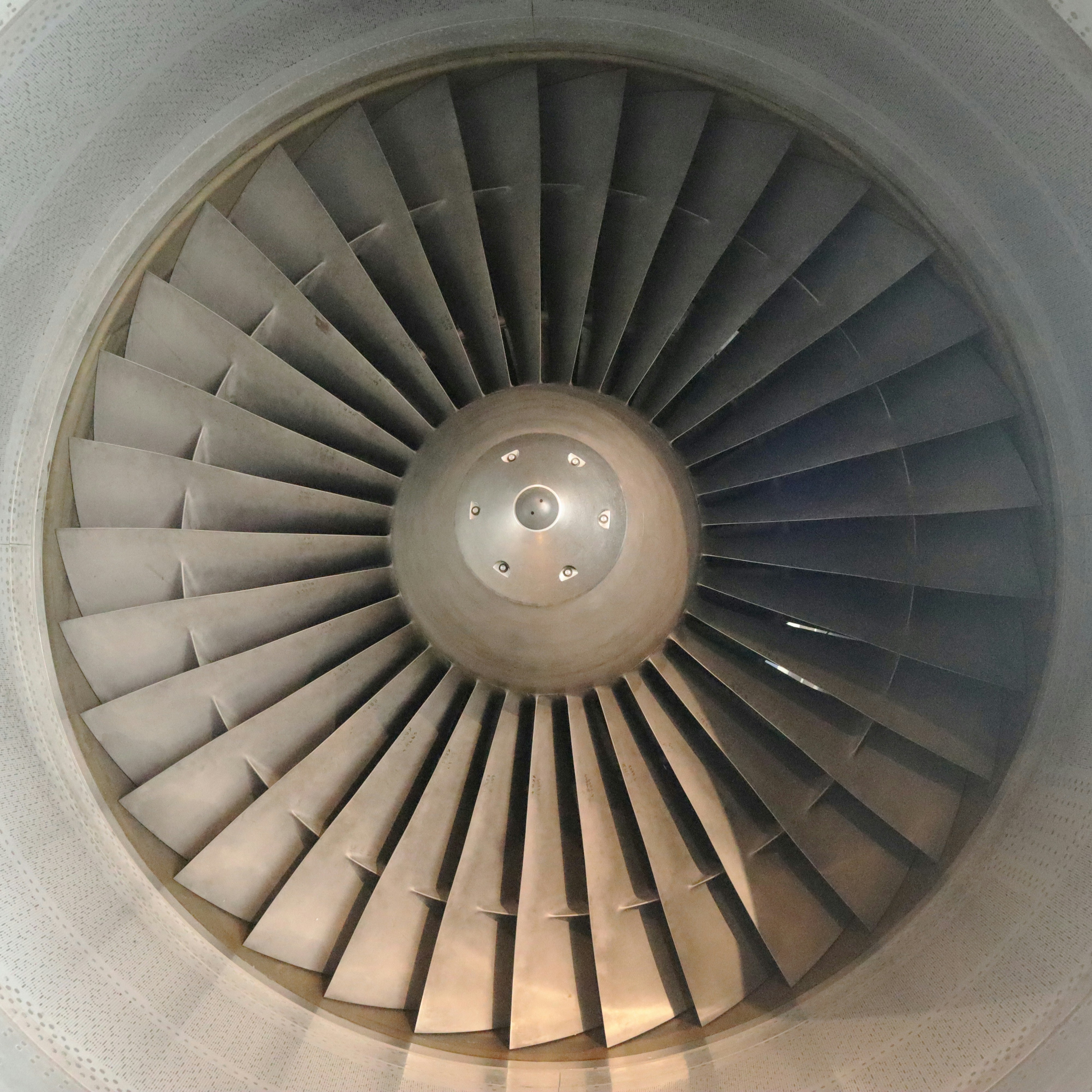
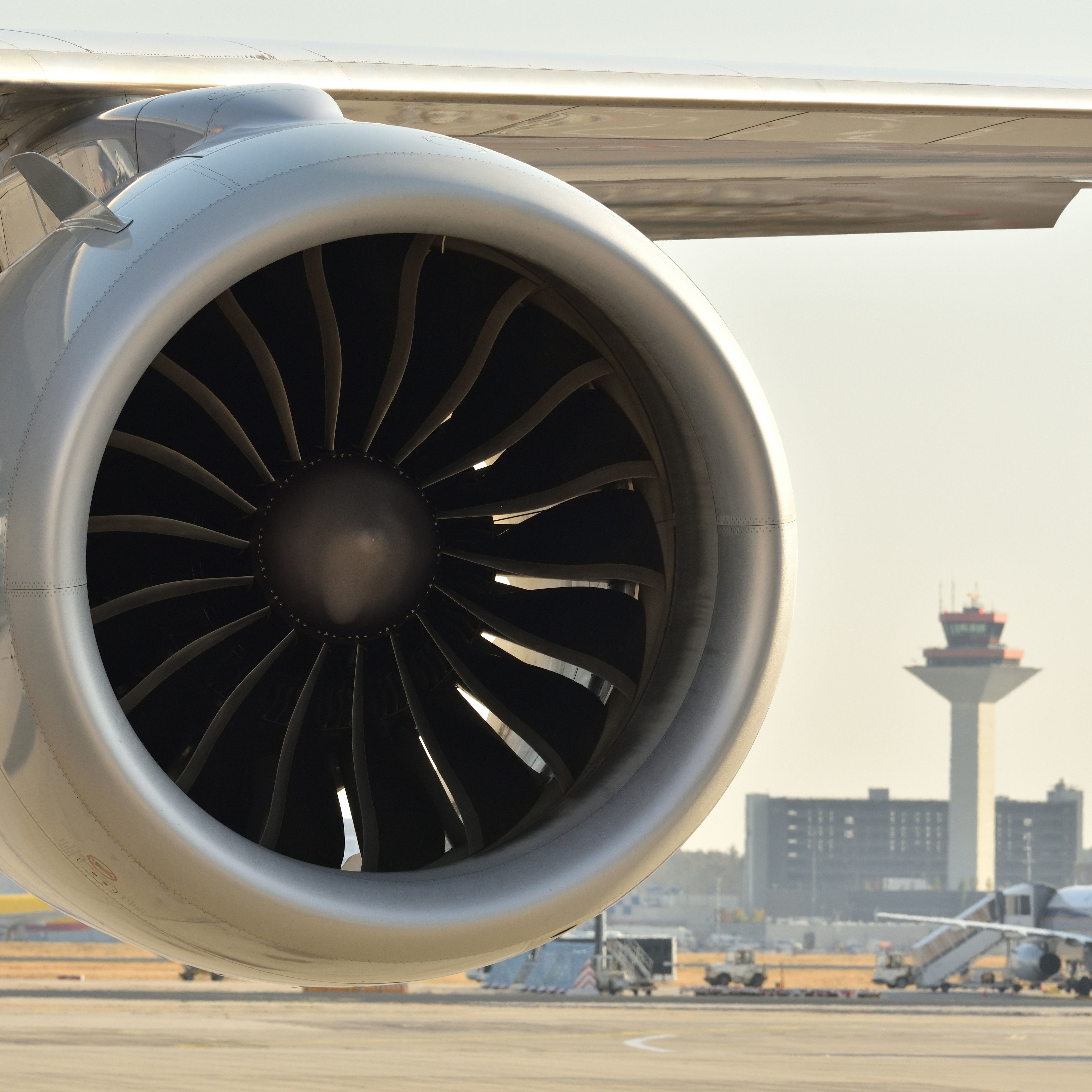
The best aircraft engine represents the pinnacle of aerospace engineering, combining cutting-edge technology with proven reliability to power modern aviation. These sophisticated powerplants serve as the heart of commercial airliners, military jets, and private aircraft, converting fuel into thrust with remarkable efficiency. The best aircraft engine incorporates advanced materials, precision manufacturing, and intelligent control systems to deliver exceptional performance across diverse flight conditions. Key functions include generating thrust for takeoff and cruise, maintaining optimal fuel consumption, and ensuring passenger safety through redundant systems. Technological features of the best aircraft engine include high-bypass turbofan designs that maximize efficiency, composite fan blades that reduce weight while increasing durability, and full-authority digital engine control systems that optimize performance in real-time. Advanced cooling technologies protect critical components during extreme operating conditions, while noise-reduction innovations meet increasingly stringent environmental regulations. These engines find applications across the aviation spectrum, from long-haul international flights requiring sustained power over thousands of miles to regional carriers prioritizing fuel economy and quick turnaround times. Military applications demand rapid acceleration and high-altitude performance, while business aviation values smooth operation and reliability. The best aircraft engine delivers on all these requirements through continuous innovation, extensive testing, and decades of operational refinement, making it the preferred choice for aircraft manufacturers and operators worldwide.

New Product Releases

Choosing the best aircraft engine delivers tangible benefits that directly impact your operational success and bottom line. Fuel efficiency stands as the primary advantage, with modern designs reducing consumption by up to thirty percent compared to previous generations, translating to significant cost savings over the engine's lifecycle. This efficiency means fewer fuel stops on long routes, extended range capabilities, and reduced environmental impact through lower carbon emissions. Reliability represents another critical benefit, as the best aircraft engine undergoes rigorous testing and quality control to ensure consistent performance across millions of flight hours. This dependability minimizes unexpected maintenance events, reduces aircraft downtime, and helps maintain your flight schedules without costly disruptions. Lower maintenance requirements mean your operations run smoothly with predictable service intervals and readily available spare parts supported by global service networks. The best aircraft engine offers superior power-to-weight ratios, enabling aircraft to carry more passengers or cargo while maintaining excellent climb performance and operational flexibility. Advanced monitoring systems provide real-time diagnostics, allowing maintenance teams to address potential issues before they affect operations, further enhancing dispatch reliability. Noise reduction technology built into the best aircraft engine helps operators meet strict airport noise regulations, opening access to noise-sensitive airports and expanding route possibilities. Resale value benefits accrue to aircraft equipped with the best aircraft engine, as buyers recognize the proven track record and ongoing manufacturer support. Operational versatility allows these engines to perform efficiently across varying altitudes, temperatures, and atmospheric conditions, making them suitable for diverse global operations from desert climates to arctic regions.

Latest News

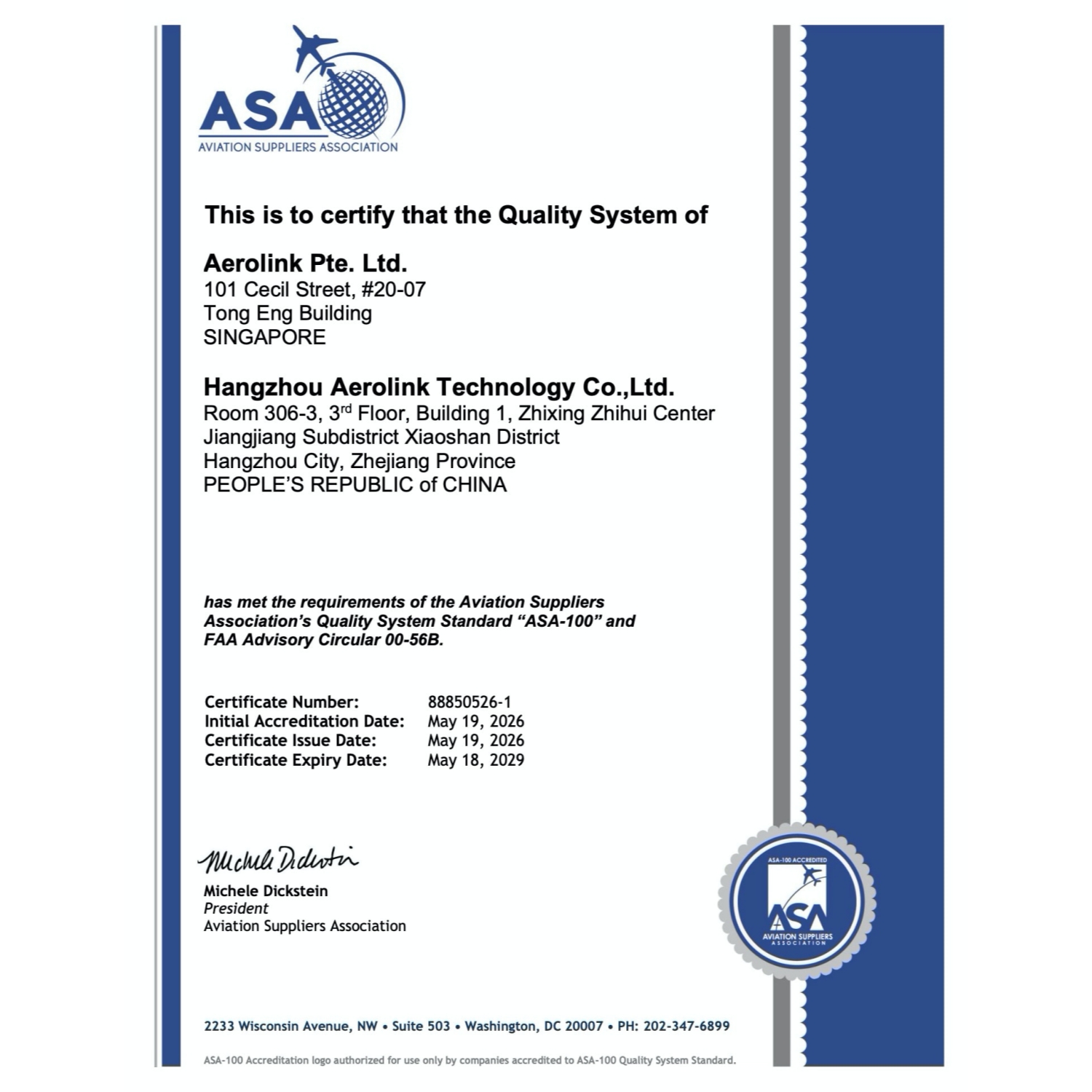
AeroLink Successfully Obtains ASA-100 and CAMAC Aviation Material Distributor Certifications

16

Jun

AeroLink Successfully Obtains ASA-100 and CAMAC Aviation Material Distributor Certifications

View More
AeroLink Participates in MRO Greater China 2026 to Strengthen Global Aviation Supply Chain Cooperation

16

Jun

AeroLink Participates in MRO Greater China 2026 to Strengthen Global Aviation Supply Chain Cooperation

View More
Sourcing Certified GSE Spares with Traceability

15

Sep

Sourcing Certified GSE Spares with Traceability

Struggling with aviation compliance risks? Source certified GSE spares with end-to-end traceability to ensure AS9100/ISO 9001 compliance. Download best practices now.
View More
Essential Avio Procurement Advice for Operators

15

Sep

Essential Avio Procurement Advice for Operators

Struggling with aircraft downtime or compliance risks? This essential avio procurement guide helps operators optimize sourcing. Download your strategy blueprint now.
View More
Advanced Efficiency Technology

Advanced Efficiency Technology

The best aircraft engine incorporates revolutionary efficiency technologies that redefine operational economics for aircraft operators. High-bypass turbofan architecture routes significantly more air around the engine core rather than through it, creating thrust more efficiently while consuming less fuel. This design reduces operating costs substantially over the engine's service life, often saving millions in fuel expenses for commercial operators. Advanced computational fluid dynamics optimize every airflow path, extracting maximum energy from each drop of fuel burned. Ceramic matrix composites in hot-section components withstand extreme temperatures while weighing considerably less than traditional metal alloys, contributing to overall efficiency gains. Variable geometry systems automatically adjust internal components to maintain optimal performance throughout the flight envelope, from takeoff thrust to high-altitude cruise. The best aircraft engine achieves thermal efficiency levels previously thought impossible, converting more chemical energy into useful thrust while generating less waste heat. These efficiency improvements directly benefit operators through extended range, increased payload capacity, and reduced environmental footprint, making the best aircraft engine a financially and environmentally responsible choice.
Unmatched Reliability Standards

Unmatched Reliability Standards

Reliability defines the best aircraft engine through exhaustive testing protocols and proven in-service performance across global fleets. Each engine completes thousands of hours of ground testing under extreme conditions before entering service, simulating decades of operational stress to identify and eliminate potential failure modes. Triple-redundant control systems ensure continued safe operation even if individual components fail, providing peace of mind for operators and passengers alike. The best aircraft engine utilizes health monitoring systems that continuously track hundreds of parameters, detecting subtle changes that might indicate developing issues long before they affect performance. Predictive maintenance capabilities allow operators to schedule service during planned downtime rather than responding to unexpected failures, maximizing aircraft availability and revenue generation. Manufacturers support the best aircraft engine with comprehensive warranty programs and global service networks, ensuring rapid response when support is needed anywhere in the world. Foreign object damage resistance protects against hazards encountered during typical operations, while robust bearing designs and advanced lubrication systems extend component life far beyond industry standards. This reliability translates directly into higher dispatch rates, lower insurance costs, and enhanced reputation for operators who choose the best aircraft engine.
Comprehensive Environmental Performance

Comprehensive Environmental Performance

Environmental responsibility distinguishes the best aircraft engine through integrated technologies that minimize ecological impact while maintaining superior performance. Emissions reduction systems incorporate lean-burn combustor technology that dramatically lowers nitrogen oxide production, helping operators meet increasingly strict international environmental regulations. The best aircraft engine produces significantly fewer particulates and unburned hydrocarbons compared to older designs, contributing to improved air quality around airports and along flight paths. Acoustic engineering reduces noise signatures through chevron nozzles and advanced nacelle designs, making aircraft powered by the best aircraft engine substantially quieter during takeoff, approach, and landing phases. This noise reduction opens operational opportunities at noise-restricted airports and reduces community impact in densely populated areas. Fuel efficiency improvements directly correlate with reduced carbon dioxide emissions, positioning operators to meet sustainability goals and prepare for potential carbon taxation schemes. Sustainable aviation fuel compatibility allows the best aircraft engine to operate on alternative fuels derived from renewable sources, providing a pathway toward carbon-neutral aviation. Extended service intervals mean fewer replacement parts and reduced waste generation throughout the engine's operational life. These environmental advantages help forward-thinking operators build their sustainability credentials while maintaining the operational excellence that defines the best aircraft engine.