Commercial Plane Engine Solutions & Technology

application/commercial-plane-engine, application/commercial-plane-engine, 
Inquiry
Inquiry

commercial plane engine

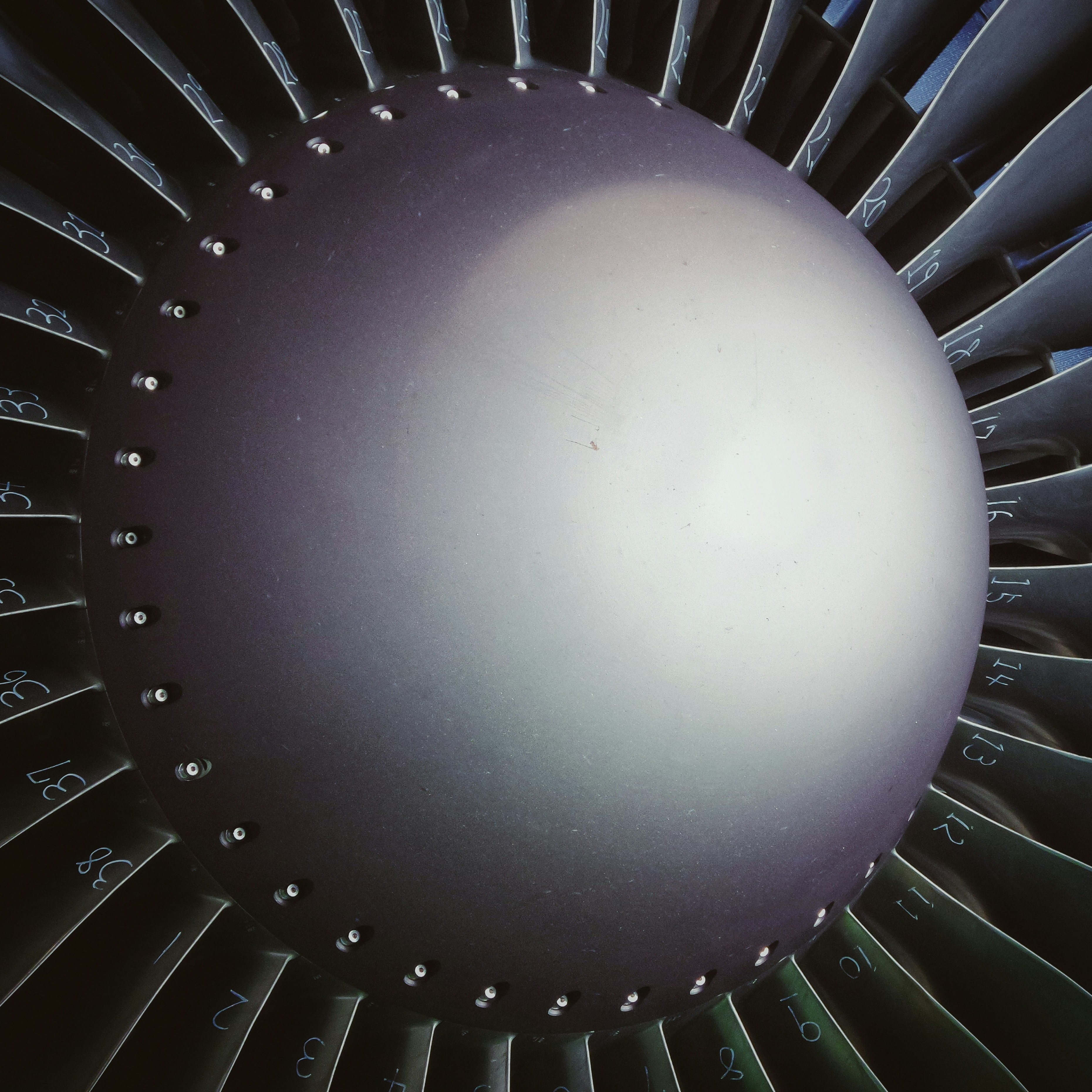
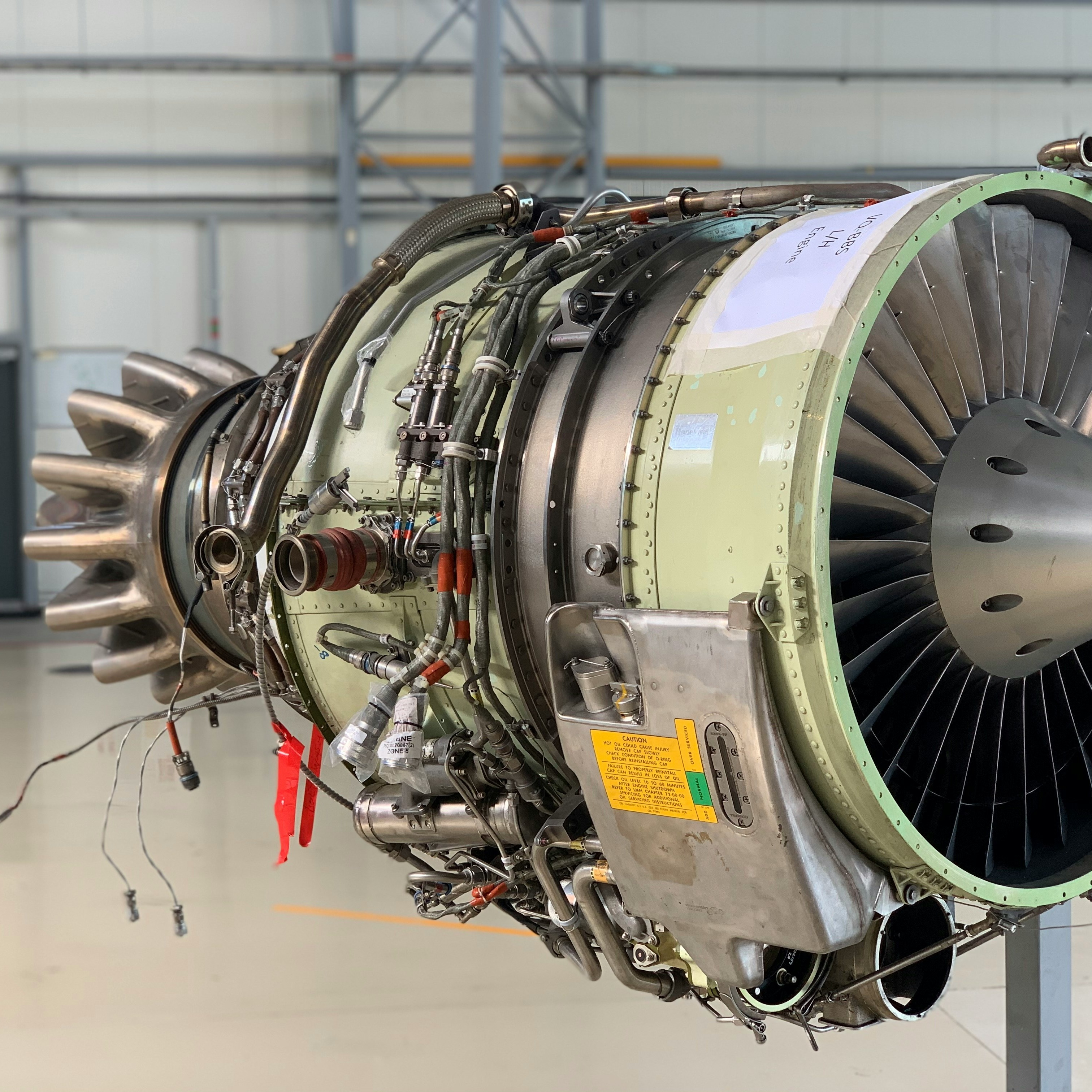
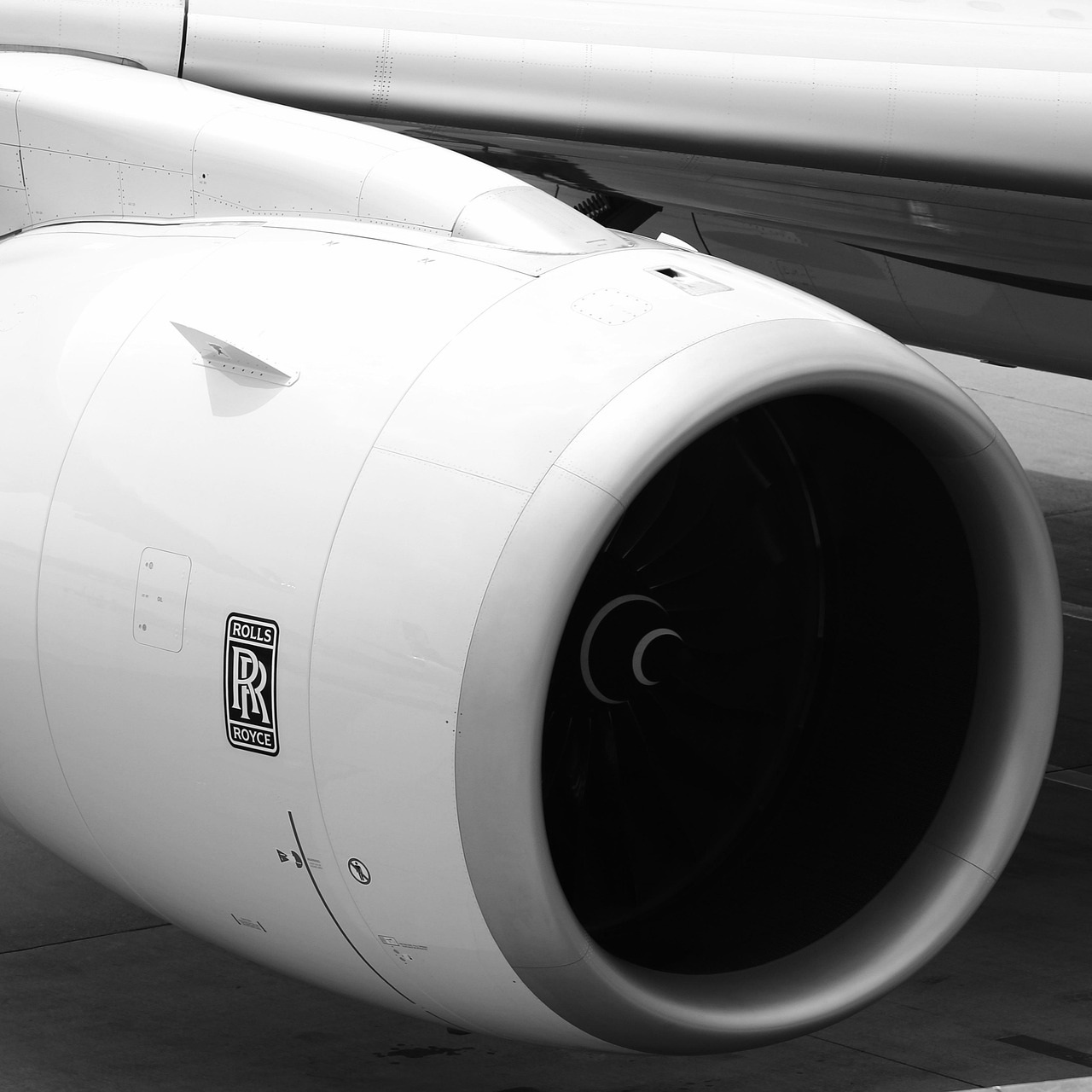
A commercial plane engine represents the powerhouse behind modern aviation, delivering the thrust necessary to propel passenger and cargo aircraft safely across global routes. These sophisticated propulsion systems convert fuel into mechanical energy, generating the force required for takeoff, sustained flight, and landing operations. The commercial plane engine operates through either turbofan or turboprop technology, with turbofan engines dominating long-haul aircraft due to their exceptional fuel efficiency and thrust capabilities. Each commercial plane engine undergoes rigorous testing and certification processes to meet international aviation safety standards. The core components include the compressor, combustion chamber, turbine, and exhaust nozzle, all working in precise coordination to produce reliable thrust. Modern designs incorporate advanced materials like titanium alloys and ceramic composites that withstand extreme temperatures while reducing overall weight. The commercial plane engine must perform flawlessly across diverse operating conditions, from arctic cold to tropical heat, at altitudes exceeding 40,000 feet. Manufacturers continuously innovate to enhance fuel economy, reduce emissions, and minimize noise pollution, responding to environmental regulations and airline operational demands. These engines power everything from regional jets carrying 50 passengers to wide-body aircraft transporting over 500 travelers. The reliability of the commercial plane engine directly impacts airline profitability, passenger safety, and schedule integrity, making it the most critical component in aviation infrastructure.


Popular Products

Choosing the right commercial plane engine delivers substantial operational benefits that directly impact your bottom line and service quality. These engines provide exceptional fuel efficiency, reducing operational costs by up to 15-20 percent compared to older generation models, which translates to millions in annual savings for airline operators. The advanced design ensures remarkable reliability, with modern engines achieving dispatch reliability rates exceeding 99.9 percent, minimizing costly delays and cancellations that damage your reputation and revenue. Maintenance intervals have been extended significantly, with some commercial plane engine models operating 30,000 hours between major overhauls, reducing downtime and service costs. The thrust-to-weight ratio improvements mean aircraft can carry more passengers or cargo over longer distances, expanding your route possibilities and revenue opportunities. Noise reduction technology makes these engines compliant with the strictest airport noise regulations, allowing operations at noise-sensitive airports and during restricted hours. Environmental performance has improved dramatically, with current commercial plane engine designs producing 50 percent fewer emissions than engines from two decades ago, helping you meet regulatory requirements and corporate sustainability goals. The modular design facilitates faster repairs and component replacement, keeping aircraft in service and generating revenue. Manufacturers provide comprehensive support networks with global parts availability and technical expertise, ensuring rapid resolution of any issues. The proven track record across millions of flight hours provides confidence in performance consistency. Investing in modern commercial plane engine technology positions your fleet competitively, attracts environmentally conscious customers, and ensures compliance with evolving international aviation standards while delivering measurable financial returns through reduced fuel consumption and maintenance expenses.

Practical Tips

Sourcing Certified GSE Spares with Traceability

15

Sep

Sourcing Certified GSE Spares with Traceability

Struggling with aviation compliance risks? Source certified GSE spares with end-to-end traceability to ensure AS9100/ISO 9001 compliance. Download best practices now.
View More
Key Steps to Evaluate Used Plane Engine Materials

14

Sep

Key Steps to Evaluate Used Plane Engine Materials

How to properly evaluate used plane engine materials for airworthiness, safety & compliance. Avoid costly failures—get the expert 10-step inspection protocol now.
View More
Advanced Fuel Efficiency Technology

Advanced Fuel Efficiency Technology

The commercial plane engine incorporates cutting-edge fuel efficiency innovations that revolutionize operational economics for airlines worldwide. Through precision-engineered fan blades with advanced aerodynamic profiles, optimized combustion chamber designs, and intelligent engine control systems, these powerplants extract maximum thrust from every drop of fuel. The high-bypass turbofan architecture channels more air around the engine core rather than through it, significantly improving propulsive efficiency while reducing fuel burn. Composite materials and lightweight alloys reduce engine weight without compromising structural integrity, further enhancing fuel economy. Real-time monitoring systems continuously adjust fuel flow, air mixture, and operating parameters to maintain optimal efficiency across all flight phases, from fuel-intensive takeoff to economical cruise altitude. Airlines operating modern commercial plane engine technology report fuel savings of 15-25 percent per flight compared to previous generation engines, representing millions in annual cost reductions. These savings compound over the typical 25-30 year engine lifespan, delivering substantial return on investment. The environmental benefits parallel the economic advantages, with reduced fuel consumption directly decreasing carbon emissions and supporting global aviation sustainability initiatives.
Exceptional Reliability and Durability

Exceptional Reliability and Durability

The commercial plane engine sets industry benchmarks for reliability through rigorous engineering, exhaustive testing protocols, and proven operational performance across diverse conditions. Manufacturers subject each engine design to thousands of test hours simulating extreme scenarios, including bird strikes, ice ingestion, and sustained operation at maximum thrust, ensuring dependability before entering service. Advanced materials like single-crystal turbine blades withstand temperatures exceeding 1,500 degrees Celsius while maintaining structural integrity through tens of thousands of flight cycles. Sophisticated health monitoring systems track hundreds of parameters in real-time, detecting potential issues before they become problems and enabling predictive maintenance that prevents unscheduled downtime. The modular architecture allows quick replacement of components during routine maintenance, minimizing aircraft ground time. Modern commercial plane engine designs achieve mean time between unscheduled removals exceeding 50,000 flight hours, far surpassing earlier models. This exceptional reliability translates directly to improved schedule integrity, reduced maintenance costs, and enhanced passenger confidence. Airlines depend on this consistent performance to maintain tight turnaround times, maximize aircraft utilization, and protect their reputation for on-time service, making reliability the foundation of operational success.
Comprehensive Global Support Network

Comprehensive Global Support Network

Investing in a commercial plane engine means accessing an extensive worldwide support infrastructure that ensures continuous operation and rapid problem resolution. Manufacturers maintain strategically located service centers across major aviation hubs, stocking critical components and employing certified technicians ready to respond to maintenance needs. The support network provides 24/7 technical assistance, troubleshooting guidance, and emergency parts delivery to minimize operational disruptions. Comprehensive training programs ensure your maintenance teams develop expertise in servicing, inspecting, and repairing these sophisticated powerplants according to exact manufacturer specifications. Advanced diagnostic tools and proprietary software enable remote monitoring and analysis, often identifying and resolving issues before they impact flight operations. The global parts distribution system guarantees component availability, with expedited shipping options for time-sensitive situations. Long-term service agreements offer predictable maintenance budgeting and access to the latest technical updates and improvements. This support ecosystem extends throughout the engine's operational life, protecting your investment and ensuring optimal performance. The collaborative relationship between manufacturers and operators continuously improves engine design based on real-world operational data, enhancing reliability and efficiency for all users. This comprehensive support framework provides peace of mind, knowing expert assistance stands ready whenever needed.