Aircraft Engine Propeller Guide & Benefits

application/aircraft-engine-propeller, application/aircraft-engine-propeller, 
Inquiry
Inquiry

aircraft engine propeller

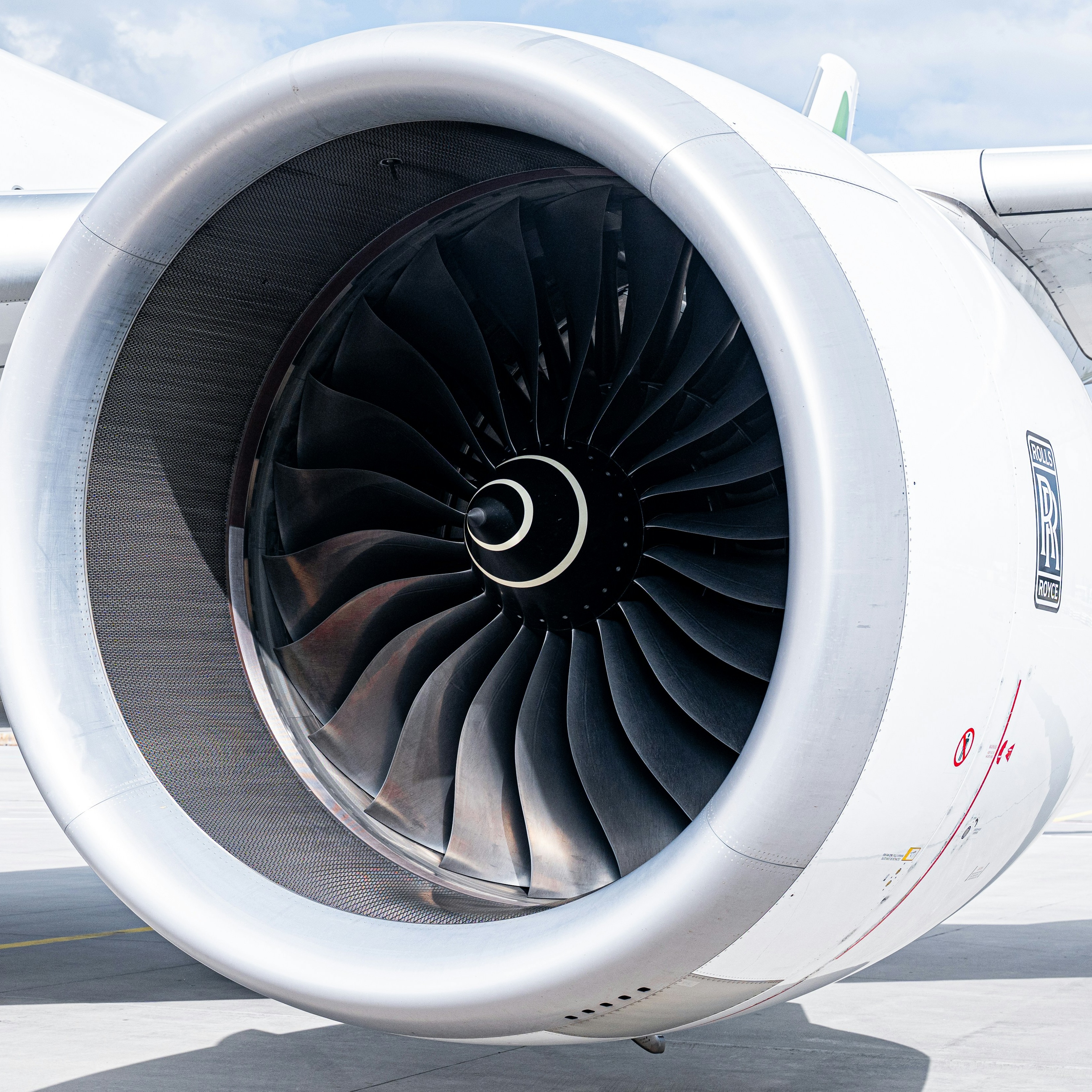
An aircraft engine propeller is a critical aeronautical component that converts rotational engine power into thrust, propelling aircraft through the air. This mechanical device features multiple blades arranged radially around a central hub, designed with precision-engineered airfoil profiles that generate forward motion. The aircraft engine propeller operates by creating a pressure differential as blades rotate at high speeds, pulling air backward and pushing the aircraft forward according to Newton's third law of motion. Modern aircraft engine propeller designs incorporate advanced materials like aluminum alloys, composite materials, and carbon fiber, ensuring optimal strength-to-weight ratios while withstanding extreme operational stresses. These propellers serve various aviation sectors, from small general aviation aircraft and agricultural planes to regional turboprops and vintage warbirds. Key technological features include variable pitch mechanisms that adjust blade angles during flight, allowing pilots to optimize performance across different flight phases. Some aircraft engine propeller systems feature constant-speed governors that automatically maintain optimal rotation speeds, maximizing fuel efficiency and engine longevity. Fixed-pitch propellers offer simplicity and reliability for training aircraft and recreational flying. The aircraft engine propeller remains indispensable in aviation applications where fuel efficiency, reliability, and operational economy matter most, particularly for short-haul routes, flight training operations, and specialized missions requiring lower cruise speeds and enhanced maneuverability at reduced operational costs.


New Product Releases

The aircraft engine propeller delivers exceptional fuel efficiency compared to jet propulsion systems, making it the economical choice for operators prioritizing cost-effective flight operations. Your operational expenses decrease significantly because propeller-driven aircraft consume substantially less fuel per flight hour, translating directly into reduced operating budgets and improved profit margins. This efficiency advantage becomes particularly valuable for flight schools, charter services, and regional carriers operating frequent short-distance routes. The aircraft engine propeller provides superior low-speed performance and takeoff characteristics, enabling operations from shorter runways and unprepared airstrips that jet aircraft cannot access. You gain operational flexibility to serve remote communities, rural airports, and challenging environments where infrastructure limitations would otherwise restrict aviation services. Maintenance requirements for aircraft engine propeller systems remain straightforward and cost-effective, with longer intervals between major overhauls compared to complex jet engines. Your maintenance teams can service propeller systems using standard tools and procedures, reducing downtime and specialized labor costs. The aircraft engine propeller generates less noise pollution than jet engines, satisfying increasingly strict environmental regulations and community noise abatement requirements. You benefit from expanded operational windows at noise-sensitive airports and residential areas where jet operations face restrictions. Reliability stands as another compelling advantage, with aircraft engine propeller systems demonstrating proven durability across decades of aviation history. Your aircraft availability rates improve because propeller systems feature fewer complex components prone to failure, ensuring consistent mission readiness. The simplicity of aircraft engine propeller technology also facilitates pilot training, allowing students to master fundamental aerodynamic principles before progressing to advanced propulsion systems.

Latest News

Ensuring Landing Gear Safety with Certified Parts

15

Sep

Ensuring Landing Gear Safety with Certified Parts

Why certified landing gear prevents runway incidents and meets FAA/EASA standards. Learn how to source, verify, and maintain compliant parts—get the guide now.
View More
Selecting Reliable GSE to Improve Ground Ops

15

Sep

Selecting Reliable GSE to Improve Ground Ops

Struggling with aircraft delays? Discover how choosing reliable GSE vendors improves turnaround time. Get your free vendor evaluation checklist.
View More
How Plane Engine Sourcing Impacts Fleet Budgets

15

Sep

How Plane Engine Sourcing Impacts Fleet Budgets

How does plane engine sourcing really affect your fleet budget? Discover TCO drivers, spare parts costs, maintenance risks & ROI-optimized strategies. Download the guide.
View More
Variable Pitch Technology for Optimal Performance

Variable Pitch Technology for Optimal Performance

The aircraft engine propeller equipped with variable pitch technology represents a sophisticated advancement that maximizes aircraft performance across all flight phases. This intelligent system allows pilots to adjust blade angles during flight, optimizing thrust production for takeoff, cruise, and landing operations. During takeoff, the system sets blades to a lower pitch angle, enabling the engine to rotate faster and generate maximum thrust when you need it most. As your aircraft climbs and accelerates, the mechanism progressively increases blade pitch, maintaining optimal engine speeds while extracting maximum efficiency from available power. This adaptability ensures your engine operates within ideal parameters regardless of altitude, airspeed, or atmospheric conditions. The constant-speed variant automatically adjusts pitch angles to maintain predetermined RPM settings, relieving pilot workload while protecting the engine from overspeed conditions or excessive stress. You gain significant fuel savings throughout extended operations because the aircraft engine propeller continuously optimizes blade angles for prevailing flight conditions. This technology also extends engine service life by preventing harmful operating conditions that accelerate wear and increase maintenance requirements, delivering measurable long-term value for your aviation investment.
Advanced Materials for Enhanced Durability

Advanced Materials for Enhanced Durability

Modern aircraft engine propeller construction utilizes cutting-edge materials engineering to deliver unprecedented durability, performance, and safety margins. Aerospace-grade aluminum alloys provide excellent strength while minimizing weight, allowing your aircraft to achieve better payload capacity and fuel efficiency. Composite materials incorporating carbon fiber and advanced resins offer superior fatigue resistance, withstanding millions of stress cycles without developing the microscopic cracks that compromise metal propellers over time. These materials resist corrosion from moisture, salt air, and chemical exposure, making the aircraft engine propeller ideal for coastal operations, agricultural applications, and humid tropical environments where traditional materials deteriorate rapidly. Advanced surface treatments and protective coatings further enhance longevity, reducing maintenance intervals and replacement costs. The precision manufacturing processes ensure each blade maintains exact aerodynamic profiles with tolerances measured in thousandths of an inch, guaranteeing balanced operation that eliminates destructive vibrations. You benefit from reduced maintenance expenses because these durable materials require fewer inspections and repairs throughout their operational lifespan. The aircraft engine propeller constructed from modern materials also provides improved impact resistance against foreign object damage, protecting your investment from costly blade replacements after minor ground incidents or bird strikes that would destroy conventional propellers.
Proven Reliability Across Diverse Applications

Proven Reliability Across Diverse Applications

The aircraft engine propeller has earned its reputation through decades of dependable service across every aviation sector imaginable. From remote bush flying operations in Alaska to agricultural crop dusting missions, from flight training schools to commuter airline services, this propulsion system consistently delivers reliable performance under demanding conditions. Your operations benefit from this proven track record because aircraft engine propeller systems feature simpler mechanical designs with fewer failure points compared to complex turbine engines. The straightforward operation means your pilots can quickly master propeller management techniques, understanding cause-and-effect relationships between control inputs and aircraft performance. Maintenance personnel appreciate the accessibility of propeller systems, which allow visual inspections and service procedures without specialized equipment or extensive disassembly. The aircraft engine propeller adapts seamlessly to various engine types, from traditional piston engines to modern turboprop powerplants, providing scalable solutions as your operational requirements evolve. You gain flexibility to select aircraft configurations matching specific mission profiles, whether prioritizing passenger comfort, cargo capacity, or operational range. The extensive service history means replacement parts remain readily available through established supply chains, minimizing aircraft downtime when components require replacement. This reliability translates directly into higher aircraft utilization rates and customer satisfaction, essential factors for profitable aviation operations.