Plane Engine Price Guide: Costs & Value Analysis

application/plane-engine-price, application/plane-engine-price, 
Inquiry
Inquiry

plane engine price

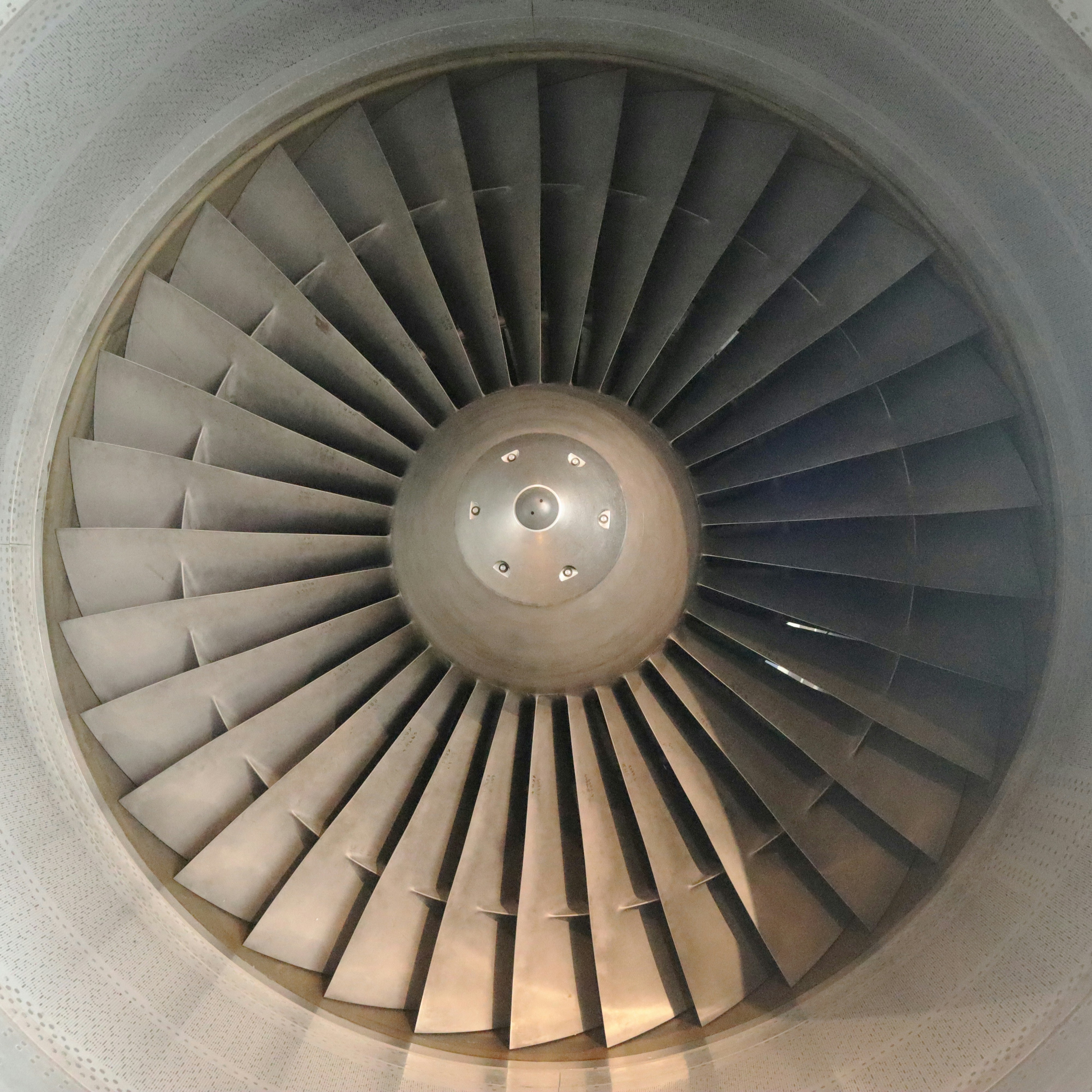
Understanding plane engine price is essential for airlines, aircraft operators, and aviation businesses planning fleet acquisition or maintenance budgets. Aircraft engines represent one of the most significant investments in aviation, with costs varying dramatically based on engine type, thrust capacity, and technological sophistication. Commercial jet engines for narrow-body aircraft typically range from $10 million to $15 million per unit, while wide-body engines can exceed $30 million. Turboprop engines for regional aircraft generally cost between $1 million and $4 million. The plane engine price encompasses not only the initial purchase but also long-term operational considerations including fuel efficiency, maintenance intervals, and availability of spare parts. Modern engines incorporate advanced materials like ceramic matrix composites and single-crystal turbine blades that improve performance while reducing weight. Technological features such as high-bypass turbofan designs, advanced combustion systems, and integrated digital monitoring capabilities significantly influence pricing structures. These engines serve diverse applications from commercial passenger transport and cargo operations to business aviation and military use. Manufacturers like GE Aviation, Rolls-Royce, and Pratt & Whitney dominate the market, each offering distinct engine families with different performance characteristics and price points. When evaluating plane engine price, buyers must consider total cost of ownership including fuel consumption rates, recommended maintenance schedules, and expected operational lifespan, which typically extends 20-30 years with proper care and overhaul cycles.


New Product Releases

Evaluating plane engine price strategically delivers substantial buyer value through informed investment decisions that align with operational requirements and financial capabilities. Understanding pricing structures helps airlines and operators select engines that optimize fuel efficiency, directly reducing operational costs over the engine's lifespan. Modern engines priced at premium levels often incorporate fuel-saving technologies that generate significant savings, potentially offsetting higher initial investment within several years of operation. Buyers gain operational benefits by comparing plane engine price across manufacturers, identifying options that balance upfront costs with maintenance affordability and parts availability. Engines with transparent pricing typically come from established manufacturers offering comprehensive support networks, ensuring minimal downtime and predictable maintenance expenses. Application suitability becomes clearer when plane engine price reflects specific performance capabilities, allowing operators to match thrust requirements with mission profiles whether for short-haul regional routes or long-distance international flights. Price transparency enables better financial planning, helping businesses secure appropriate financing and budget accurately for engine acquisitions or lease arrangements. Decision-useful context emerges when plane engine price comparisons include warranty coverage, overhaul costs, and expected time between removals, providing complete lifecycle cost visibility. Operators benefit from understanding how engine prices correlate with reliability ratings and technological advancements that improve environmental compliance with noise and emissions regulations. Competitive pricing among manufacturers creates opportunities for negotiation, particularly for bulk orders or long-term service agreements. Access to accurate plane engine price information empowers buyers to evaluate trade-offs between proven engine models and newer designs offering advanced features. This knowledge supports strategic fleet planning, helping aviation businesses maintain competitive advantages through optimal engine selection that balances performance, reliability, and total ownership costs.

Practical Tips

Ensuring Landing Gear Safety with Certified Parts

15

Sep

Ensuring Landing Gear Safety with Certified Parts

Why certified landing gear prevents runway incidents and meets FAA/EASA standards. Learn how to source, verify, and maintain compliant parts—get the guide now.
View More
Sourcing Certified Aerospace Tools with Ease

15

Sep

Sourcing Certified Aerospace Tools with Ease

Struggling with FAA/EASA-compliant tool procurement? Discover how to source certified aerospace tools fast. Download the full guide now.
View More
Sourcing Traceable APU Spare Parts Efficiently

14

Sep

Sourcing Traceable APU Spare Parts Efficiently

Struggling with APU part delays and audit risks? Discover how to source traceable APU spare parts efficiently while ensuring FAA/EASA compliance. Get actionable steps now.
View More
Comprehensive Cost Structure Transparency

Comprehensive Cost Structure Transparency

The plane engine price framework provides buyers with detailed visibility into both initial acquisition costs and long-term ownership expenses, enabling truly informed purchasing decisions. Modern engine pricing includes clear breakdowns of base engine costs, optional performance upgrades, and available warranty packages that extend coverage beyond standard terms. This transparency allows operators to build accurate financial models that account for depreciation, financing costs, and residual values when planning fleet investments. Understanding plane engine price structures helps identify hidden costs such as specialized tooling requirements, mandatory training programs for maintenance crews, and proprietary diagnostic systems that affect total ownership expenses. Manufacturers increasingly offer flexible pricing models including power-by-the-hour arrangements where operators pay based on actual usage rather than upfront purchase, reducing capital requirements and transferring maintenance risk. Comprehensive price information includes fuel burn specifications that translate directly into operational cost projections, helping airlines calculate break-even points and return on investment timelines. Access to competitive plane engine price comparisons empowers negotiations and supports alternative financing arrangements including operating leases and sale-leaseback structures that preserve working capital while maintaining modern, efficient powerplants.
Performance-Matched Investment Options

Performance-Matched Investment Options

Plane engine price variations reflect distinct performance capabilities, allowing operators to select powerplants precisely matched to their operational requirements and route structures. Engines priced at different tiers offer varying thrust levels, fuel efficiency ratings, and operational ranges that directly impact aircraft capabilities and mission suitability. Regional carriers benefit from understanding how plane engine price correlates with turboprop efficiency for short-haul operations, while international airlines evaluate high-bypass turbofan engines optimized for long-distance fuel economy. Performance specifications tied to pricing include thrust-to-weight ratios, specific fuel consumption rates, and noise footprints that determine airport access and operating restrictions. Higher-priced engines frequently incorporate advanced technologies like geared turbofan architectures or open rotor designs that deliver breakthrough efficiency improvements justifying premium costs through operational savings. Understanding the relationship between plane engine price and certified performance enables operators to calculate payload capabilities, range limitations, and operating economics for specific aircraft-engine combinations. This performance transparency supports fleet optimization strategies where operators select engine variants that maximize revenue potential on primary routes while maintaining operational flexibility. Buyers gain confidence knowing that plane engine price reflects measurable performance attributes backed by certified testing and real-world operational data from existing operators.
Lifecycle Value and Support Infrastructure

Lifecycle Value and Support Infrastructure

The plane engine price represents not merely hardware acquisition but access to comprehensive support ecosystems that determine long-term operational success and asset value preservation. Premium-priced engines typically include extensive manufacturer support networks with global service centers, guaranteed parts availability, and rapid technical assistance that minimize aircraft-on-ground situations. Understanding plane engine price in context of maintenance support reveals value propositions where higher initial costs deliver lower lifecycle expenses through extended time-on-wing and reduced unscheduled removals. Manufacturers bundle pricing with training programs, technical documentation, and digital monitoring platforms that optimize maintenance planning and predict component failures before they cause operational disruptions. The support infrastructure behind plane engine price includes access to engine health monitoring systems that track thousands of parameters in real-time, enabling predictive maintenance strategies that reduce costs and improve dispatch reliability. Operators benefit from understanding how engine pricing correlates with parts commonality across engine families, reducing inventory requirements and maintenance complexity for airlines operating mixed fleets. Residual value considerations tied to plane engine price affect lease rates and resale opportunities, with well-supported engine models maintaining stronger market values throughout their operational lives. Comprehensive support packages justify plane engine price premiums by delivering measurable reliability improvements and operational cost reductions that enhance overall fleet profitability and competitive positioning.