Electric Airplane Engine - Clean Aviation Power

application/electric-airplane-engine, application/electric-airplane-engine, 
Inquiry
Inquiry

electric airplane engine

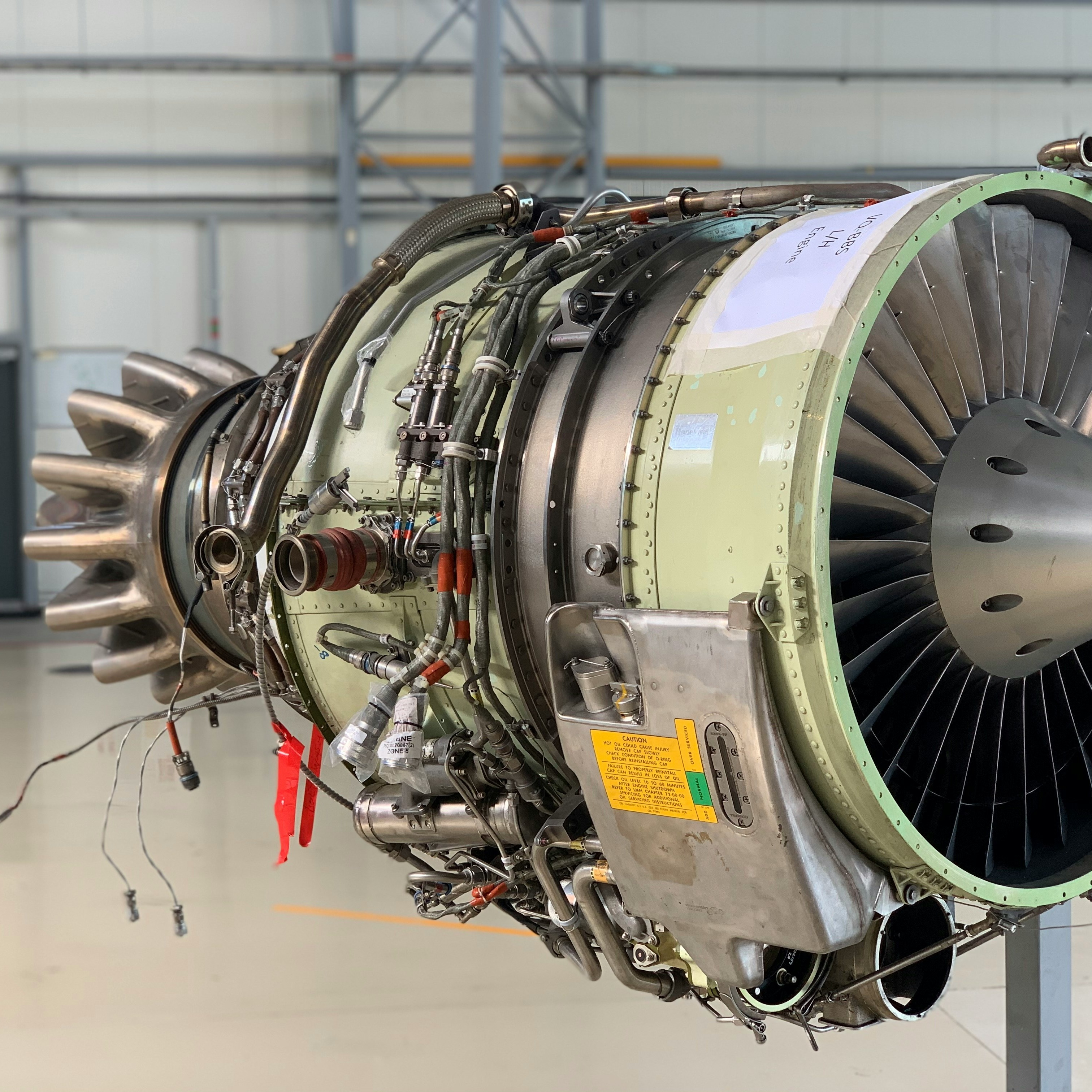
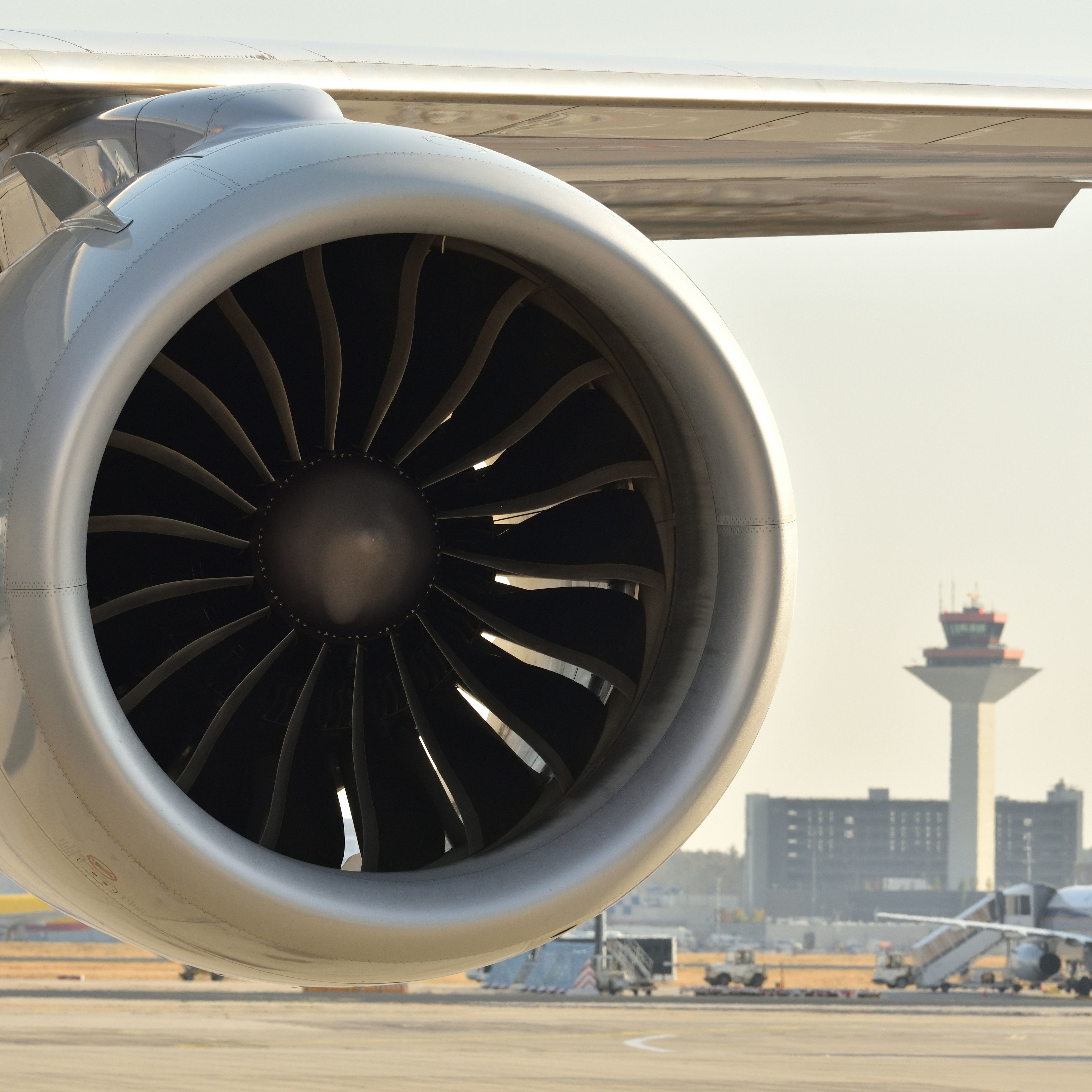
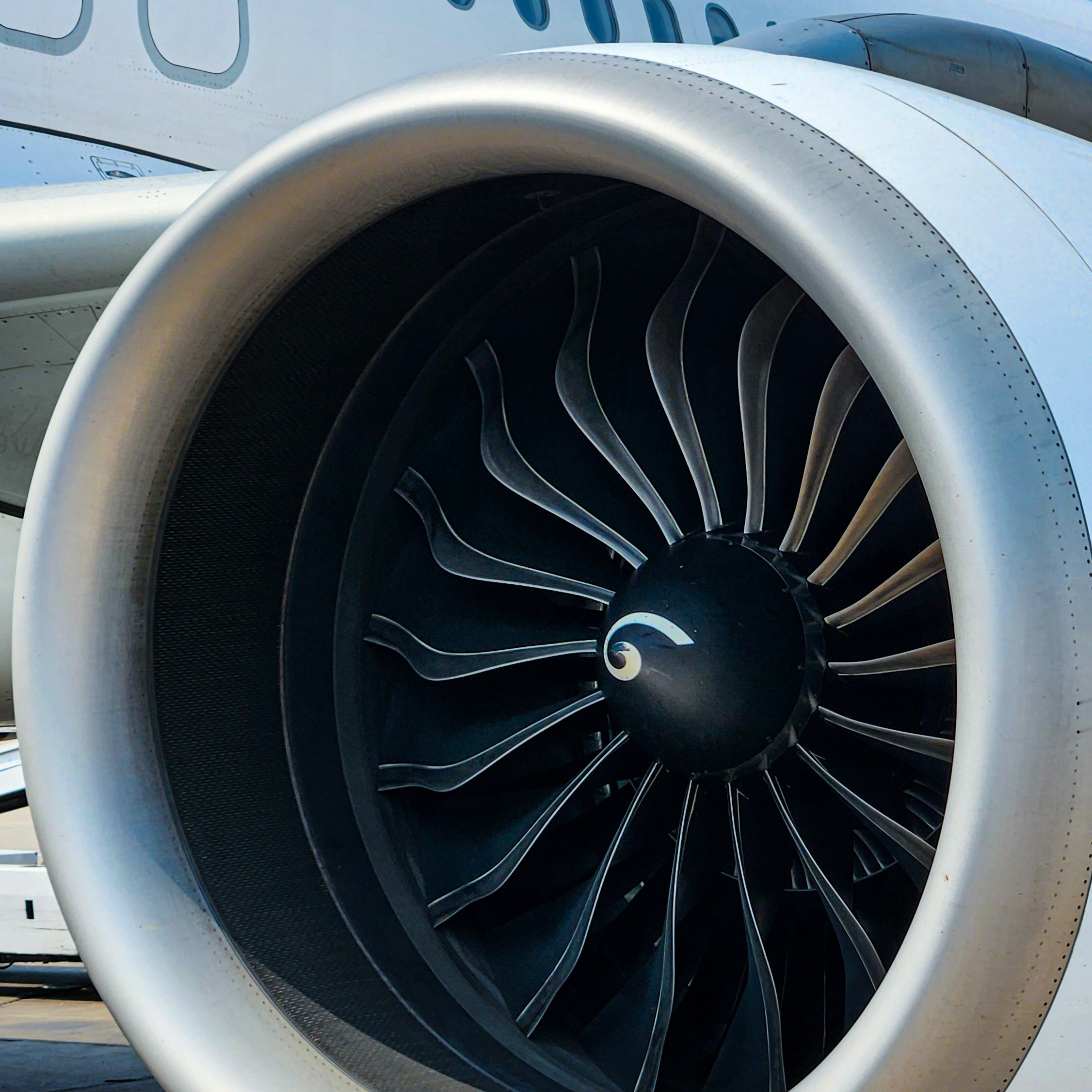
An electric airplane engine represents a revolutionary advancement in aviation propulsion technology, designed to power aircraft using electrical energy instead of traditional fossil fuels. This innovative propulsion system converts electrical power from batteries or hybrid sources into mechanical thrust, enabling aircraft to achieve flight with significantly reduced environmental impact. The electric airplane engine consists of several critical components including electric motors, power electronics, cooling systems, and energy storage units that work together seamlessly. These engines deliver exceptional performance by producing instant torque and maintaining consistent power output throughout the flight envelope. The technology features sophisticated control systems that optimize energy consumption and provide pilots with precise throttle response. Electric airplane engines are transforming multiple aviation sectors, from small general aviation aircraft and pilot training platforms to urban air mobility vehicles and regional transport solutions. They excel in short-range missions where their quiet operation and zero direct emissions provide substantial benefits. The applications extend to recreational flying, flight schools, aerial surveillance, and emerging electric vertical takeoff and landing aircraft. As battery technology advances and charging infrastructure expands, the electric airplane engine continues to gain traction as a viable alternative to conventional combustion engines, offering aviation a pathway toward sustainable flight operations and reduced operational complexity.

Popular Products

The electric airplane engine delivers remarkable benefits that directly impact your bottom line and operational efficiency. You will immediately notice drastically lower fuel costs since electricity costs significantly less than aviation fuel, allowing you to save thousands of dollars annually on each aircraft. Maintenance requirements drop dramatically because the electric airplane engine contains fewer moving parts than traditional piston or turbine engines, eliminating the need for oil changes, spark plug replacements, and complex engine overhauls. This simplicity translates to reduced downtime and lower mechanic labor expenses. The engines operate with exceptional reliability due to their straightforward design, giving you peace of mind during every flight. Noise reduction stands out as a game-changing advantage, with electric airplane engines producing minimal sound compared to combustion engines, opening opportunities to operate from noise-sensitive locations and extending permissible flight hours. Environmental benefits resonate strongly with today's conscious consumers and regulatory bodies, as these engines produce zero direct emissions during operation, helping you meet increasingly strict environmental standards while enhancing your brand reputation. The smooth, vibration-free operation enhances passenger comfort and reduces airframe stress, potentially extending aircraft lifespan. Training costs decrease substantially since the electric airplane engine offers simpler systems for pilots to learn and manage. Flight schools particularly benefit from the combination of lower operating costs and quieter operations. The instant torque delivery provides superior takeoff performance and responsive handling characteristics that pilots appreciate. For commercial operators, the reduced operational complexity means easier fleet management and more predictable budgeting, while the growing regulatory support for electric aviation positions early adopters favorably for future market opportunities.

Practical Tips

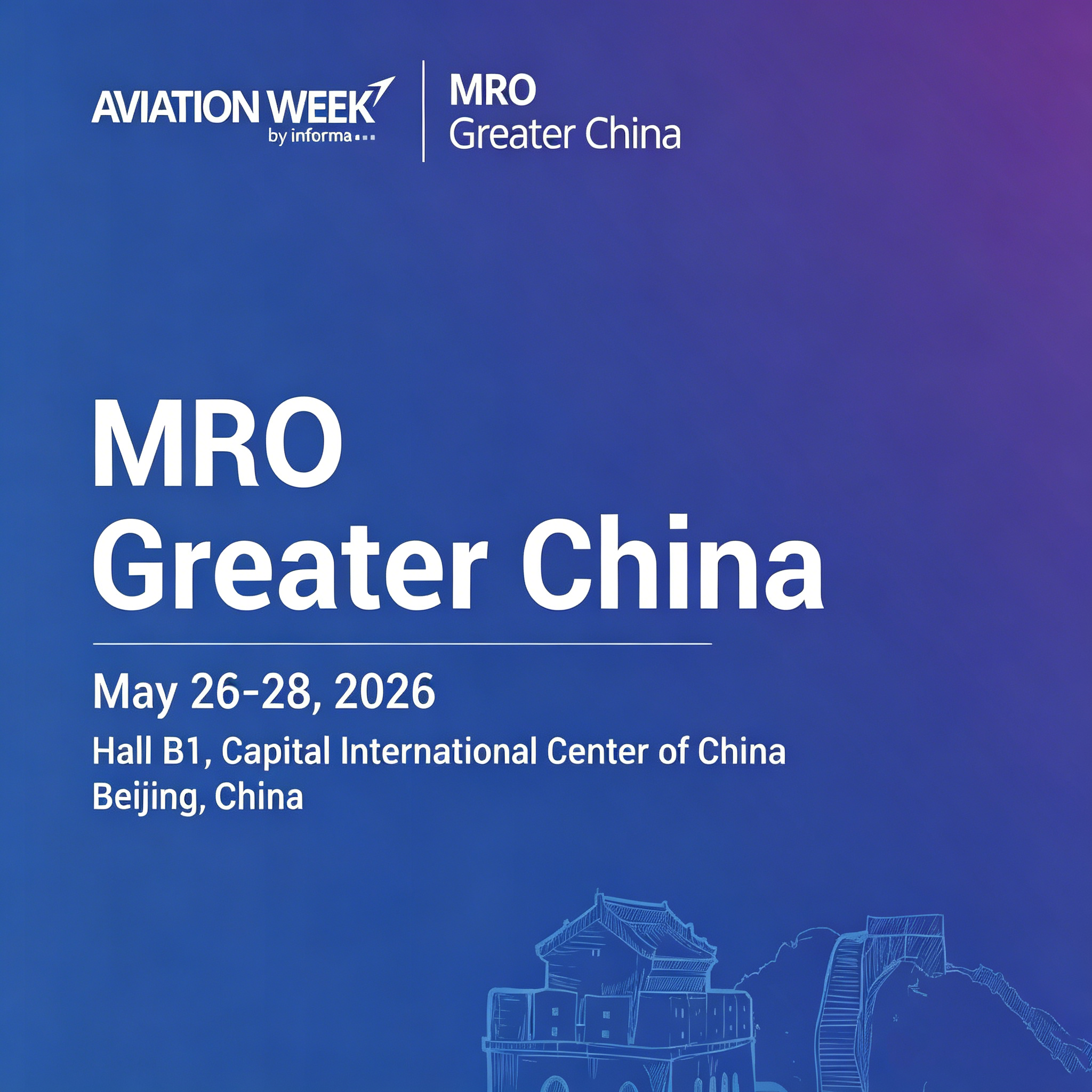
AeroLink Participates in MRO Greater China 2026 to Strengthen Global Aviation Supply Chain Cooperation

16

Jun

AeroLink Participates in MRO Greater China 2026 to Strengthen Global Aviation Supply Chain Cooperation

View More
Why Traceable Tools Are Vital for Compliance

15

Sep

Why Traceable Tools Are Vital for Compliance

Why traceable tools are non-negotiable for audit readiness, legal protection, and operational excellence.
View More
Cost-Effective GSE Solutions for Busy Airfields

15

Sep

Cost-Effective GSE Solutions for Busy Airfields

Cut GSE costs by 15–30% without sacrificing safety. Discover preventive maintenance, energy-efficient upgrades & right-sizing strategies. Get your free fleet assessment.
View More
Zero Emissions and Environmental Leadership

Zero Emissions and Environmental Leadership

The electric airplane engine stands at the forefront of sustainable aviation, producing absolutely no direct carbon emissions or pollutants during flight operations. This environmental advantage positions your operation as an industry leader in corporate responsibility and aligns perfectly with global initiatives to reduce aviation's carbon footprint. Unlike conventional engines that release harmful gases and particulates into the atmosphere, the electric airplane engine operates cleanly, contributing to improved air quality around airports and communities. This environmental stewardship opens doors to incentives, grants, and favorable regulatory treatment in many jurisdictions that support green technology adoption. Your commitment to electric propulsion resonates powerfully with environmentally conscious customers, partners, and stakeholders, enhancing brand value and market differentiation. The technology supports compliance with tightening emissions regulations while future-proofing your fleet against potential carbon taxes and operational restrictions. Educational institutions and commercial operators find that showcasing electric airplane engines attracts students and customers who prioritize sustainability, creating competitive advantages in recruitment and customer acquisition that extend far beyond the direct environmental benefits.
Dramatically Reduced Operating Costs

Dramatically Reduced Operating Costs

The electric airplane engine transforms aviation economics by slashing your ongoing operational expenses across multiple categories. Electricity costs just a fraction of aviation gasoline or jet fuel per flight hour, delivering immediate and substantial savings every time you fly. The simplicity of electric propulsion eliminates expensive scheduled maintenance items that plague traditional engines, including magneto services, cylinder overhauls, and fuel system maintenance. You will experience extended intervals between major inspections because the electric airplane engine design inherently reduces wear and tear through fewer moving components and the elimination of combustion-related stresses. Insurance premiums often decrease due to the improved safety profile and reliability statistics associated with electric propulsion systems. The predictability of operating costs becomes a powerful planning advantage, as electricity prices remain more stable than volatile aviation fuel markets, enabling accurate budget forecasting and financial planning. Training expenses diminish significantly since instructors and pilots spend less time mastering complex engine management procedures. For flight schools and commercial operators running multiple aircraft, these savings multiply across the fleet, fundamentally improving profitability margins and competitive positioning while freeing capital for business expansion and modernization initiatives that drive long-term growth.
Superior Performance and Operational Simplicity

Superior Performance and Operational Simplicity

The electric airplane engine delivers exceptional performance characteristics that enhance every aspect of flight operations while simplifying pilot workload and aircraft systems. Instant torque availability from electric motors provides responsive acceleration and superior climb performance compared to traditional engines that require time to spool up and reach optimal power output. This immediate power delivery improves safety margins during critical flight phases like takeoff and go-around maneuvers. The whisper-quiet operation of the electric airplane engine dramatically reduces cockpit noise levels, decreasing pilot fatigue on longer flights and enabling clear communication without headset interference. Vibration levels drop nearly to zero, creating a smoother flight experience that passengers genuinely appreciate while reducing stress on airframe components and avionics systems. Engine management becomes remarkably straightforward with digital controls replacing complex mixture, propeller pitch, and magneto settings, allowing pilots to focus more attention on navigation and situational awareness. The consistent power output across various altitudes and temperatures eliminates performance degradation issues common with combustion engines, ensuring reliable operation in diverse conditions. Preflight procedures simplify considerably without the need for extensive engine warm-ups or run-up checks, improving operational efficiency and aircraft utilization rates throughout your flying day.