Aircraft Engine Price Guide & Value Analysis

application/aircraft-engine-price, application/aircraft-engine-price, 
Inquiry
Inquiry

aircraft engine price

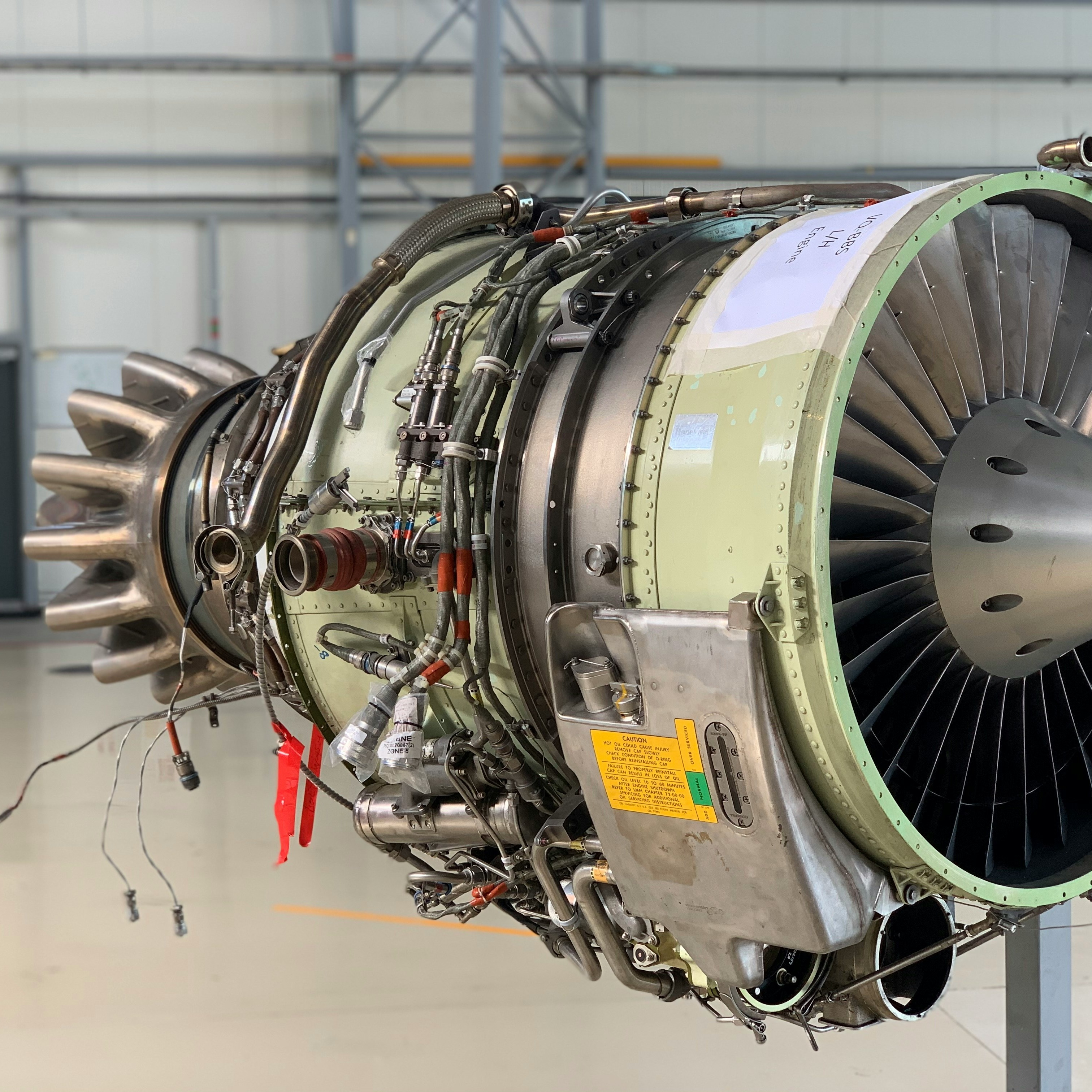
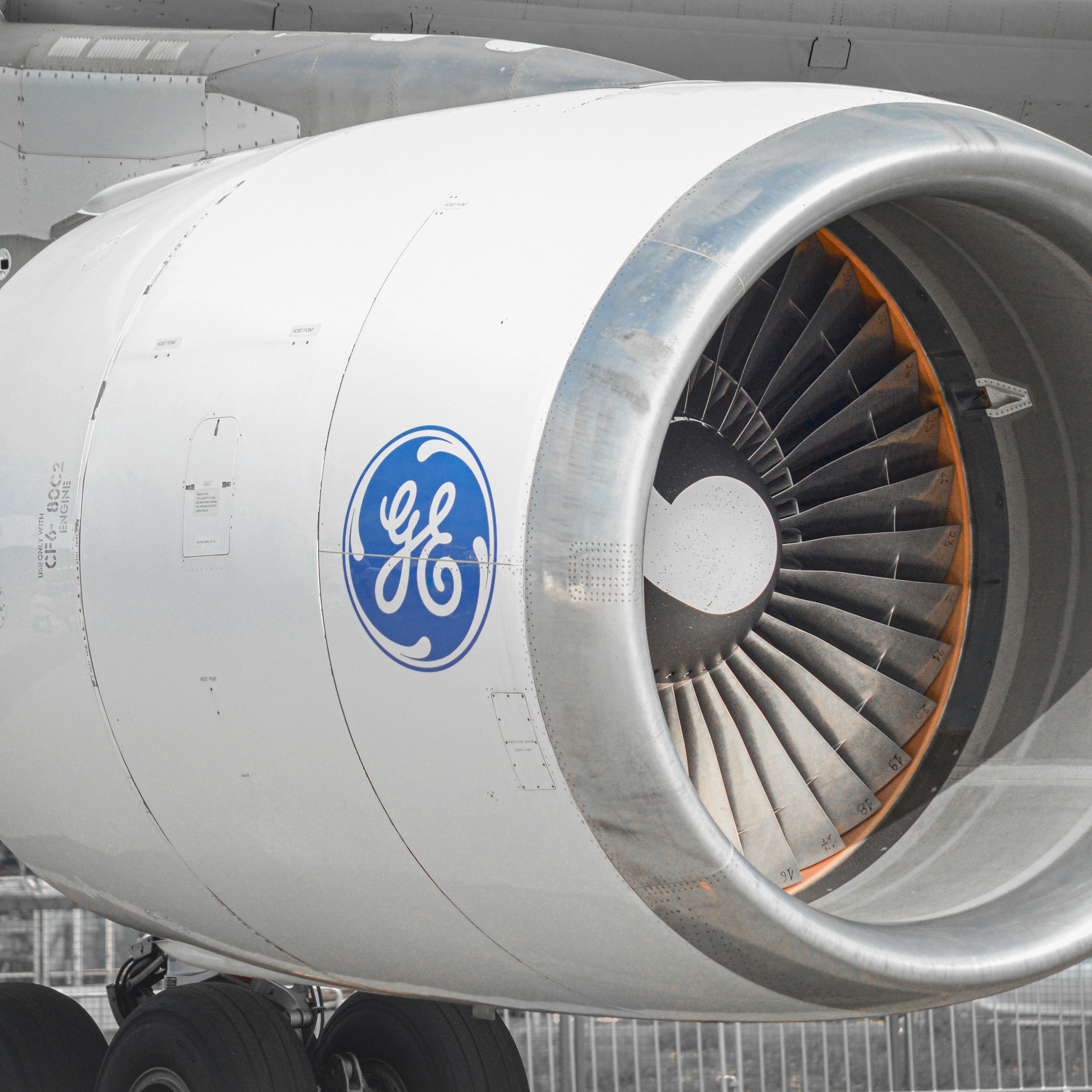
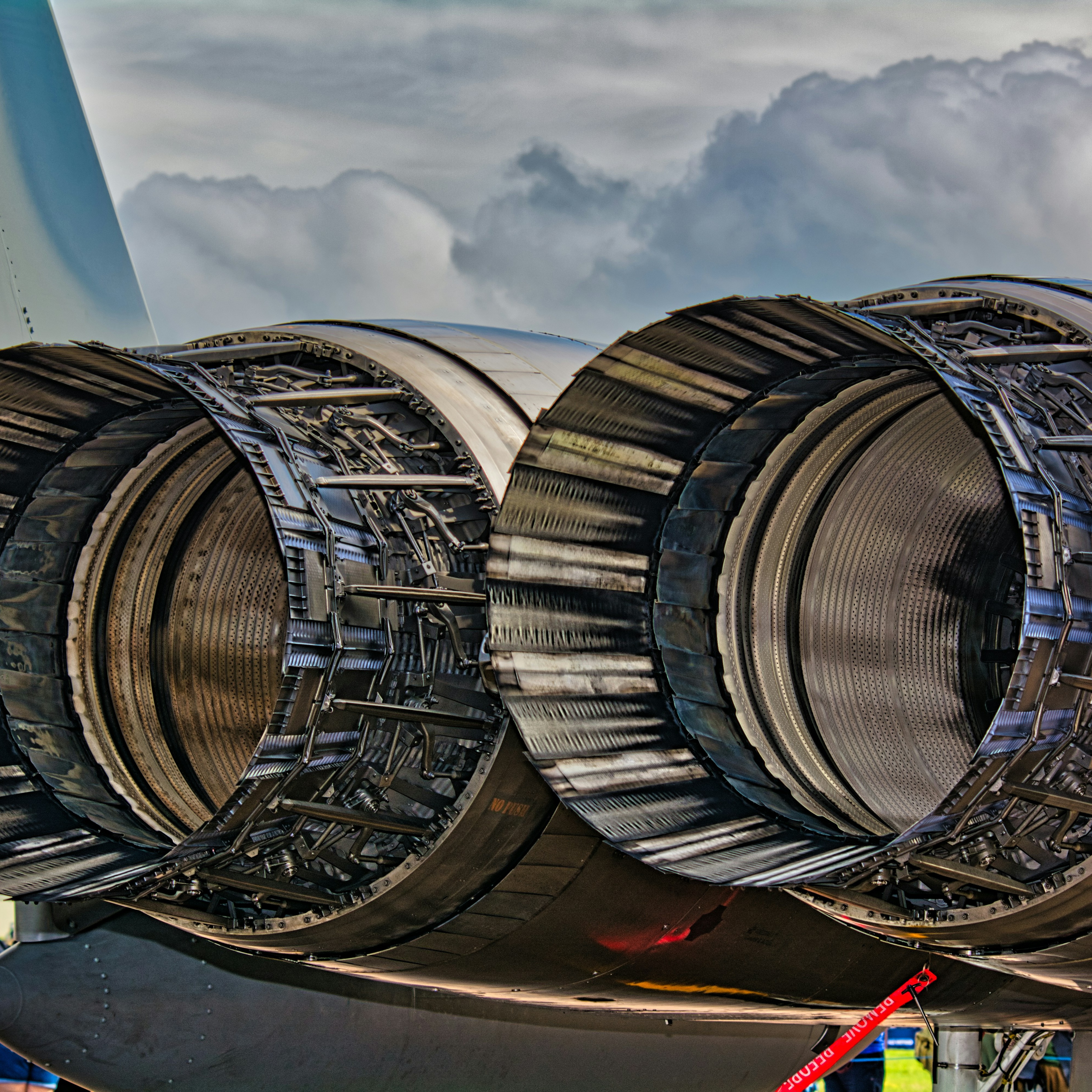
Understanding aircraft engine price is essential for airlines, charter operators, maintenance facilities, and aviation investors making strategic procurement decisions. The aircraft engine price encompasses the total cost of acquiring propulsion systems that power commercial airliners, business jets, cargo planes, and military aircraft. These sophisticated powerplants represent one of the most significant investments in aviation, with prices ranging from several hundred thousand dollars for smaller turboprop engines to over $30 million for advanced turbofan engines used on wide-body aircraft. The aircraft engine price reflects cutting-edge engineering, incorporating advanced materials like titanium alloys and ceramic matrix composites, computerized control systems, and fuel-efficient designs that meet stringent environmental regulations. Modern engines deliver exceptional thrust-to-weight ratios, reduced emissions, and superior reliability through technologies such as high-bypass turbofans, advanced combustion chambers, and sophisticated monitoring systems. Applications span the entire aviation spectrum, from regional carriers operating short-haul routes to international airlines flying long-distance transcontinental journeys. Understanding what influences aircraft engine price helps buyers evaluate lifecycle costs, maintenance requirements, fuel consumption patterns, and overall operational economics. Factors affecting pricing include thrust capacity, technology generation, manufacturer reputation, certification standards, warranty coverage, and available aftermarket support networks that ensure decades of reliable service.


Popular Products

Evaluating aircraft engine price provides buyers with critical insights that drive smart investment decisions and optimize fleet performance over the operational lifetime. When you analyze aircraft engine price comprehensively, you gain transparency into total ownership costs beyond the initial purchase, including fuel efficiency that directly impacts operating margins, maintenance intervals that affect aircraft availability, and parts availability that minimizes downtime. Modern engines priced at premium levels typically deliver substantial fuel savings through advanced aerodynamics and thermodynamic efficiency, translating to millions of dollars in reduced operating expenses annually for high-utilization operators. The aircraft engine price also reflects reliability improvements that reduce unscheduled maintenance events, keeping aircraft revenue-generating rather than grounded for repairs. Buyers benefit from comparing aircraft engine price across manufacturers to identify the best value proposition for their specific mission profiles, whether prioritizing short-field performance, high-altitude capability, or extended-range operations. Understanding pricing structures helps operators negotiate favorable terms, including performance guarantees, maintenance reserves, and leasing options that preserve capital for other investments. The aircraft engine price consideration extends to residual values and remarketing potential, ensuring assets retain worth throughout their service life. Operators who thoroughly assess aircraft engine price position themselves to select powerplants that match their route networks, passenger loads, and environmental commitments while maintaining competitive cost structures. This informed approach to aircraft engine price evaluation enables airlines to enhance profitability, meet sustainability targets, and maintain operational flexibility in dynamic market conditions.

Tips And Tricks

AeroLink Team Participates in Singapore Airshow to Strengthen Global Aviation Industry Cooperation

16

Jun

AeroLink Team Participates in Singapore Airshow to Strengthen Global Aviation Industry Cooperation

View More
Cost-Effective Procurement Strategies for Tools

15

Sep

Cost-Effective Procurement Strategies for Tools

Cut tool costs by 15–25% with proven procurement strategies: TCO analysis, supplier consolidation, preventive maintenance & tech-enabled management. Optimize value—start now.
View More
Maximizing APU Reliability via Better Sourcing

15

Sep

Maximizing APU Reliability via Better Sourcing

Struggling with APU downtime and costly unscheduled maintenance? Discover how certified sourcing and traceability slash failure rates. Optimize your aircraft reliability now.
View More
Advanced Technology Reduces Lifecycle Costs

Advanced Technology Reduces Lifecycle Costs

The aircraft engine price reflects decades of research investment that delivers tangible operational savings through breakthrough technologies. Modern engines incorporate geared turbofan architectures, advanced fan blade designs, and sophisticated materials that substantially reduce fuel consumption compared to previous generations. This technological advancement means that higher aircraft engine price points often represent superior long-term value through dramatic reductions in fuel burn, which constitutes the largest operational expense for most operators. Engines featuring these innovations deliver 15-25 percent fuel efficiency improvements, translating to substantial cost savings over 20-30 year service lives. Additionally, advanced diagnostic systems embedded in premium-priced engines enable predictive maintenance strategies that identify potential issues before they cause failures, reducing costly unscheduled maintenance events and improving dispatch reliability. The aircraft engine price for these sophisticated powerplants includes comprehensive digital monitoring capabilities that optimize performance parameters in real-time, extending component life and maximizing time between overhauls. Operators investing in advanced-technology engines benefit from lower emissions profiles that future-proof their fleets against tightening environmental regulations and potential carbon pricing schemes.
Comprehensive Support Networks Justify Investment

Comprehensive Support Networks Justify Investment

The aircraft engine price includes access to global support infrastructures that ensure continuous operational readiness and minimize revenue disruptions. Leading manufacturers backing premium-priced engines maintain extensive spare parts distribution networks, technical support teams, and authorized maintenance facilities worldwide, enabling rapid response to any service requirement regardless of operating location. This comprehensive support ecosystem represents significant value embedded in the aircraft engine price, as operators gain confidence that critical components remain available throughout the engine's operational life, preventing extended aircraft-on-ground situations that devastate revenue streams. Premium aircraft engine price points typically include robust warranty programs, performance guarantees, and technical assistance packages that transfer risk from operators to manufacturers during critical early service periods. Many engine programs offer flexible maintenance agreements and hourly cost programs that provide budget predictability by converting variable maintenance expenses into fixed hourly rates. These financial instruments, reflected in the aircraft engine price structure, enable operators to accurately forecast costs and protect against unexpected overhaul expenses. The global service networks supporting major engine platforms ensure operators receive consistent maintenance quality and genuine parts, preserving reliability standards and protecting residual asset values that justify premium aircraft engine price levels.
Customization Options Match Operational Requirements

Customization Options Match Operational Requirements

Understanding aircraft engine price variations across configuration options empowers buyers to select powerplants precisely tailored to their operational needs without paying for unnecessary capabilities. Engine manufacturers offer thrust ratings, accessory packages, and performance options that significantly influence aircraft engine price while enabling optimization for specific missions. Regional carriers operating shorter routes benefit from selecting lower-thrust variants at reduced aircraft engine price points, avoiding excess capability that provides no operational advantage while minimizing initial investment and maintenance complexity. Conversely, long-haul operators justify premium aircraft engine price levels for higher-thrust variants that enable maximum payload capacity on extended-range missions, directly enhancing revenue potential. Customization extends to environmental control system integration, electrical power generation capacity, and anti-icing configurations that affect aircraft engine price but deliver mission-critical functionality. Buyers can specify monitoring system sophistication levels, choosing between basic instrumentation and advanced health management systems that impact aircraft engine price while aligning with maintenance philosophy and operational complexity. This flexibility ensures operators pay only for capabilities they utilize, optimizing the aircraft engine price relative to actual operational requirements. Careful specification review during procurement enables buyers to balance aircraft engine price against performance needs, achieving the ideal cost-performance equilibrium for their unique business model.