Plane Engine Companies: Leaders in Aviation

application/plane-engine-companies, application/plane-engine-companies, 
Inquiry
Inquiry

plane engine companies

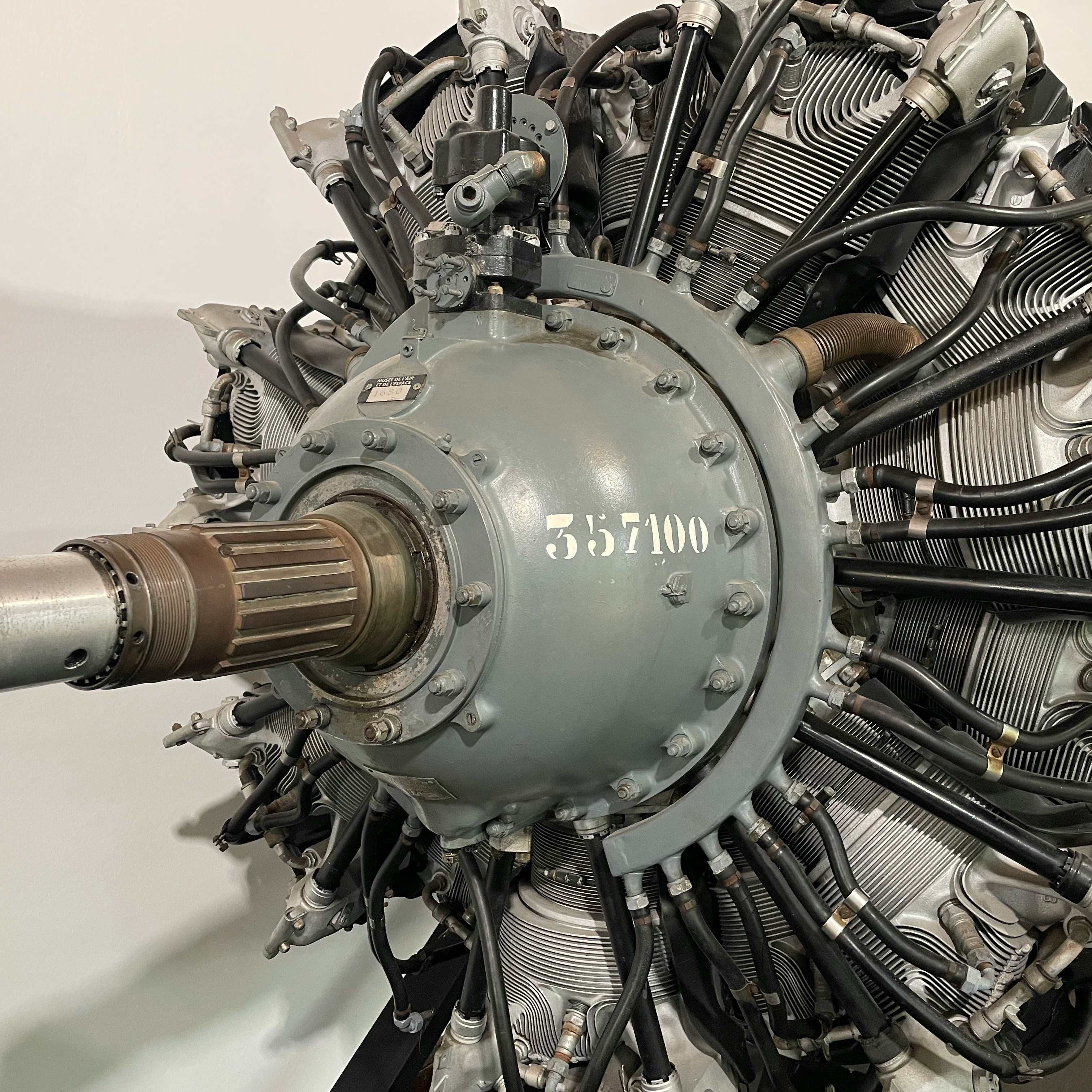
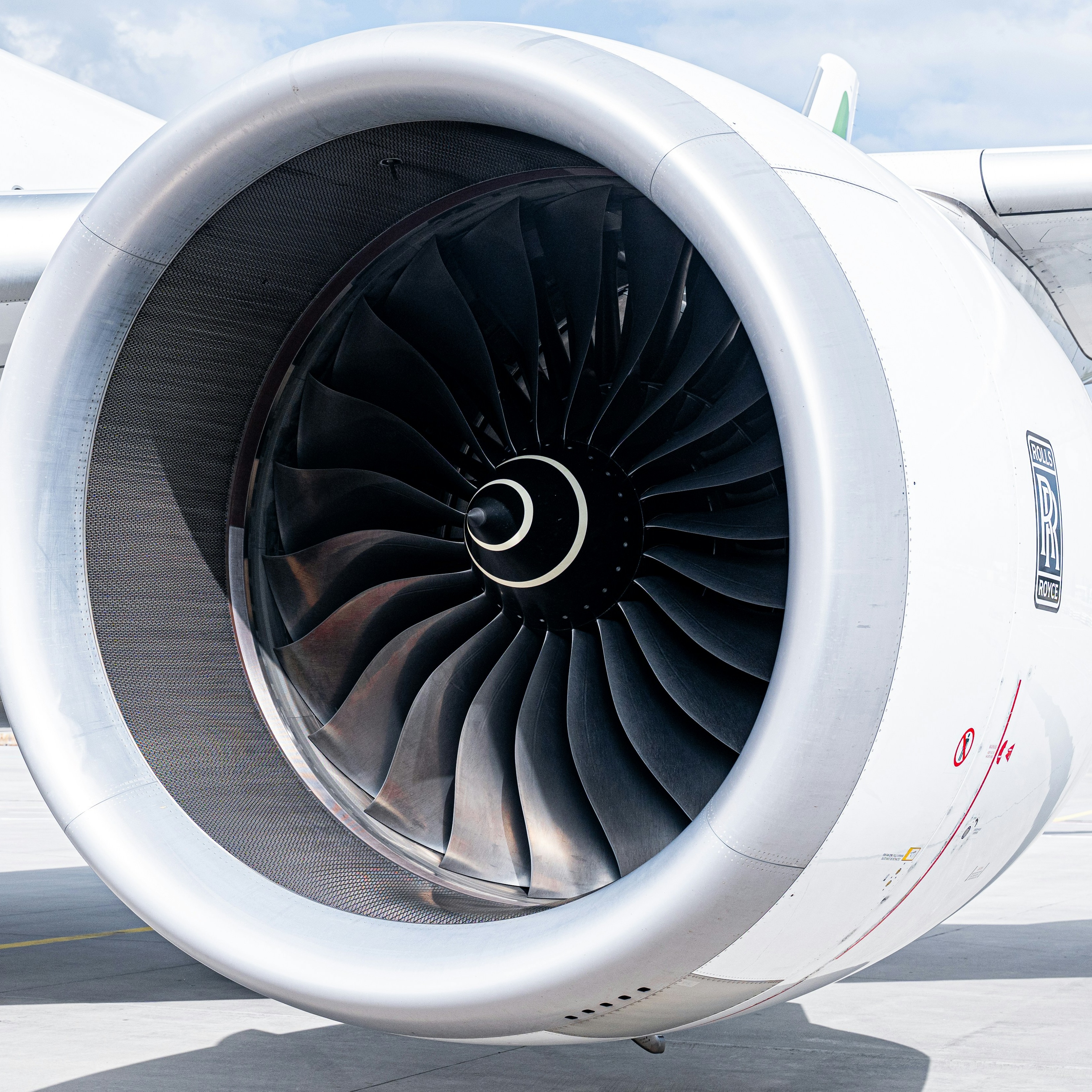
Plane engine companies represent the backbone of aviation technology, designing and manufacturing advanced propulsion systems that power commercial airliners, military aircraft, and private jets worldwide. These specialized manufacturers invest billions in research and development to create engines that deliver exceptional thrust, fuel efficiency, and reliability under extreme conditions. Leading plane engine companies such as General Electric Aviation, Rolls-Royce, Pratt & Whitney, and CFM International dominate the global market, each bringing unique technological innovations to the aerospace industry. Their main functions encompass complete engine lifecycle management, from initial design and testing through production, maintenance support, and performance upgrades. These companies employ cutting-edge technologies including advanced materials like ceramic matrix composites, additive manufacturing for complex components, and sophisticated digital twin simulations for predictive maintenance. Modern engines incorporate high-bypass turbofan designs, optimized combustion chambers, and intelligent monitoring systems that track thousands of parameters in real-time. The applications span diverse aviation sectors: commercial aviation relies on these engines for passenger transport efficiency, military operations demand superior performance and durability, and cargo carriers prioritize reliability for global logistics. Plane engine companies also support regional aviation, business jets, and helicopter propulsion systems, adapting their core technologies to meet specific operational requirements across altitude ranges, climates, and mission profiles.

New Product Releases

Choosing reputable plane engine companies delivers substantial practical benefits that directly impact operational success and financial performance. These manufacturers provide proven reliability that translates to reduced downtime, fewer unscheduled maintenance events, and consistent flight schedule adherence, which airlines value for protecting revenue and customer satisfaction. Fuel efficiency represents another critical advantage, as modern engines from leading plane engine companies achieve 15-25 percent better consumption rates compared to previous generations, delivering millions in annual savings for operators managing large fleets. The comprehensive support networks these companies maintain ensure parts availability, technical expertise, and rapid response times across global locations, minimizing aircraft-on-ground situations that cost operators significantly. Buyers gain access to continuous technology upgrades and retrofit programs that extend engine life and improve performance without complete replacement, protecting capital investments over decades of service. Plane engine companies also provide flexible financing options, performance-based maintenance contracts, and predictive analytics platforms that help operators optimize their maintenance schedules based on actual usage patterns rather than fixed intervals. Environmental compliance represents an increasingly important benefit, as these manufacturers engineer engines meeting stringent emissions regulations while reducing noise footprints around airports. The operational benefits extend to crew confidence and passenger comfort, knowing that thoroughly tested, certified engines power their aircraft. Decision-makers appreciate the transparent performance data, established safety records, and regulatory compliance documentation that plane engine companies provide, facilitating informed procurement choices aligned with specific operational requirements, route networks, and business models.

Tips And Tricks

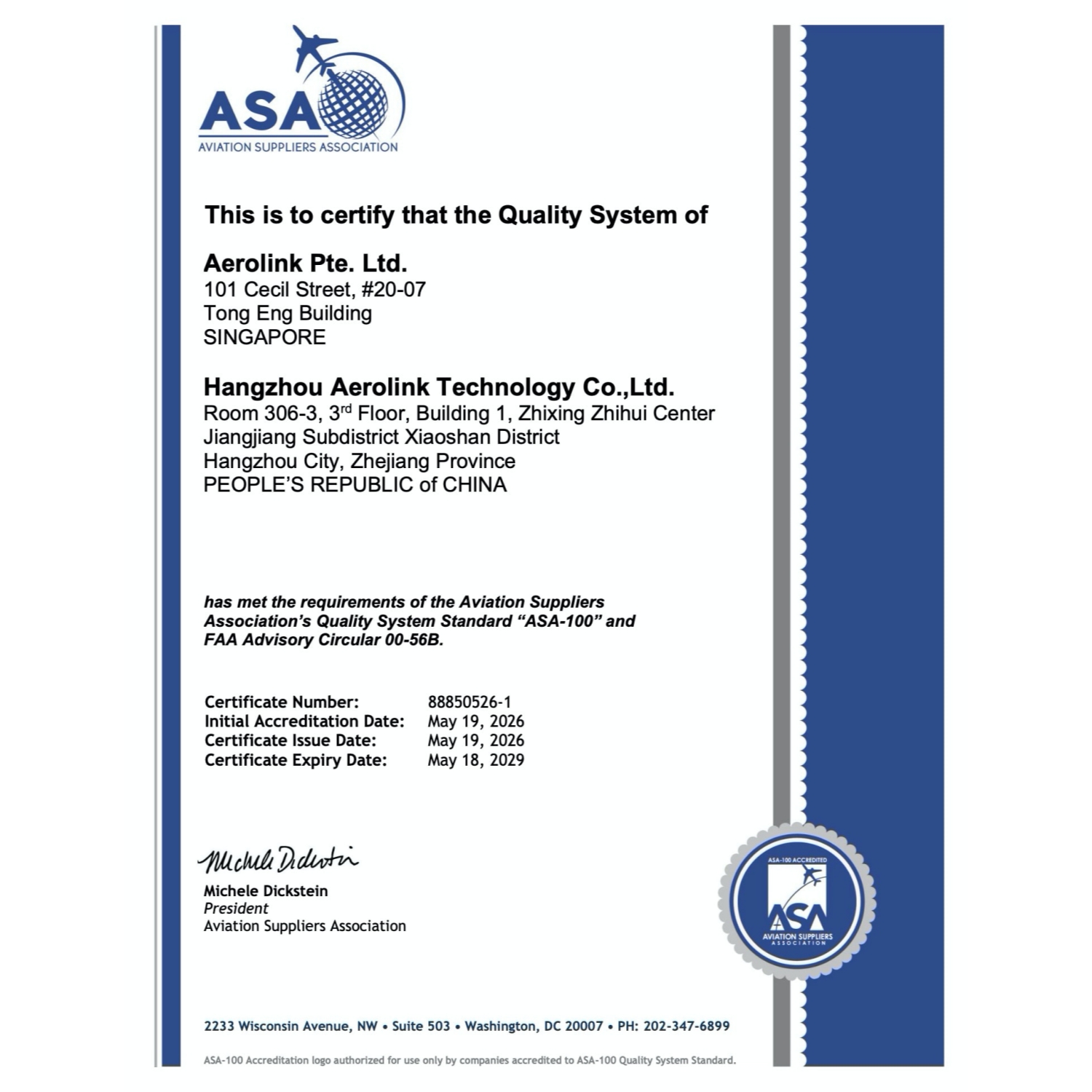
AeroLink Successfully Obtains ASA-100 and CAMAC Aviation Material Distributor Certifications

16

Jun

AeroLink Successfully Obtains ASA-100 and CAMAC Aviation Material Distributor Certifications

View More
AeroLink Team Participates in Singapore Airshow to Strengthen Global Aviation Industry Cooperation

16

Jun

AeroLink Team Participates in Singapore Airshow to Strengthen Global Aviation Industry Cooperation

View More
Cost-Effective GSE Solutions for Busy Airfields

15

Sep

Cost-Effective GSE Solutions for Busy Airfields

Cut GSE costs by 15–30% without sacrificing safety. Discover preventive maintenance, energy-efficient upgrades & right-sizing strategies. Get your free fleet assessment.
View More
Selecting Reliable GSE to Improve Ground Ops

15

Sep

Selecting Reliable GSE to Improve Ground Ops

Struggling with aircraft delays? Discover how choosing reliable GSE vendors improves turnaround time. Get your free vendor evaluation checklist.
View More
Advanced Engineering and Innovation Leadership

Advanced Engineering and Innovation Leadership

Plane engine companies distinguish themselves through relentless engineering innovation that pushes the boundaries of aerospace propulsion technology. These industry leaders invest 10-15 percent of annual revenue into research and development, creating breakthrough technologies that redefine performance standards. Their engineering teams develop revolutionary fan blade designs using computational fluid dynamics, test materials in extreme conditions exceeding operational parameters, and integrate artificial intelligence for real-time engine optimization. The value this brings to customers manifests in tangible performance improvements: higher thrust-to-weight ratios enable better takeoff performance from challenging airports, advanced cooling systems extend component life between overhauls, and modular designs simplify maintenance procedures. Plane engine companies collaborate with airframe manufacturers during aircraft development, ensuring optimal integration that maximizes overall efficiency. This innovation leadership means customers receive engines incorporating the latest technological advances, from additive-manufactured fuel nozzles that improve combustion efficiency to health monitoring systems that predict component failures before they occur, ultimately reducing operational risks and costs.
Global Service and Support Infrastructure

Global Service and Support Infrastructure

The comprehensive global service networks that plane engine companies maintain provide unmatched operational support that keeps aircraft flying reliably worldwide. These manufacturers establish strategically located service centers, stock critical spare parts across continents, and deploy field service engineers who deliver on-site technical assistance within hours of request. This infrastructure represents enormous value for operators, as engine issues can be addressed quickly regardless of location, preventing costly delays and diversions. Plane engine companies offer various support packages tailored to different operational models, from full-service agreements covering all maintenance to time-and-material arrangements for operators with in-house capabilities. Their digital platforms provide real-time engine health monitoring, analyzing flight data to identify trends and recommend proactive interventions before issues affect operations. Training programs ensure customer maintenance personnel understand proper procedures, reducing human error and optimizing engine longevity. The importance of this global presence becomes critical during irregular operations, when immediate technical support can mean the difference between minor delays and major disruptions affecting hundreds of passengers and significant revenue loss.
Proven Reliability and Safety Standards

Proven Reliability and Safety Standards

Plane engine companies build their reputations on unwavering commitment to reliability and safety, subjecting every engine design to exhaustive testing protocols that far exceed regulatory requirements. Before entering service, engines endure thousands of hours of ground testing, including bird strike simulations, ice ingestion trials, extreme temperature cycling, and deliberate blade-out scenarios to validate containment systems. This rigorous validation process delivers exceptional value by ensuring engines perform predictably across their entire operational envelope, giving operators confidence in dispatch reliability rates exceeding 99.9 percent. The safety standards these companies maintain involve continuous monitoring of in-service fleets, rapid investigation of any anomalies, and proactive service bulletins addressing potential issues before they affect operations. Plane engine companies maintain transparent communication with regulatory authorities, sharing performance data that informs industry-wide safety improvements. For customers, this translates to engines with documented performance histories, clearly defined maintenance intervals based on millions of flight hours, and robust support when unexpected situations arise, ultimately protecting their most valuable assets: passengers, crew, aircraft, and brand reputation in an industry where safety remains paramount.