Airplane Engine Companies: Leaders in Aviation

application/airplane-engine-companies, application/airplane-engine-companies, 
Inquiry
Inquiry

airplane engine companies

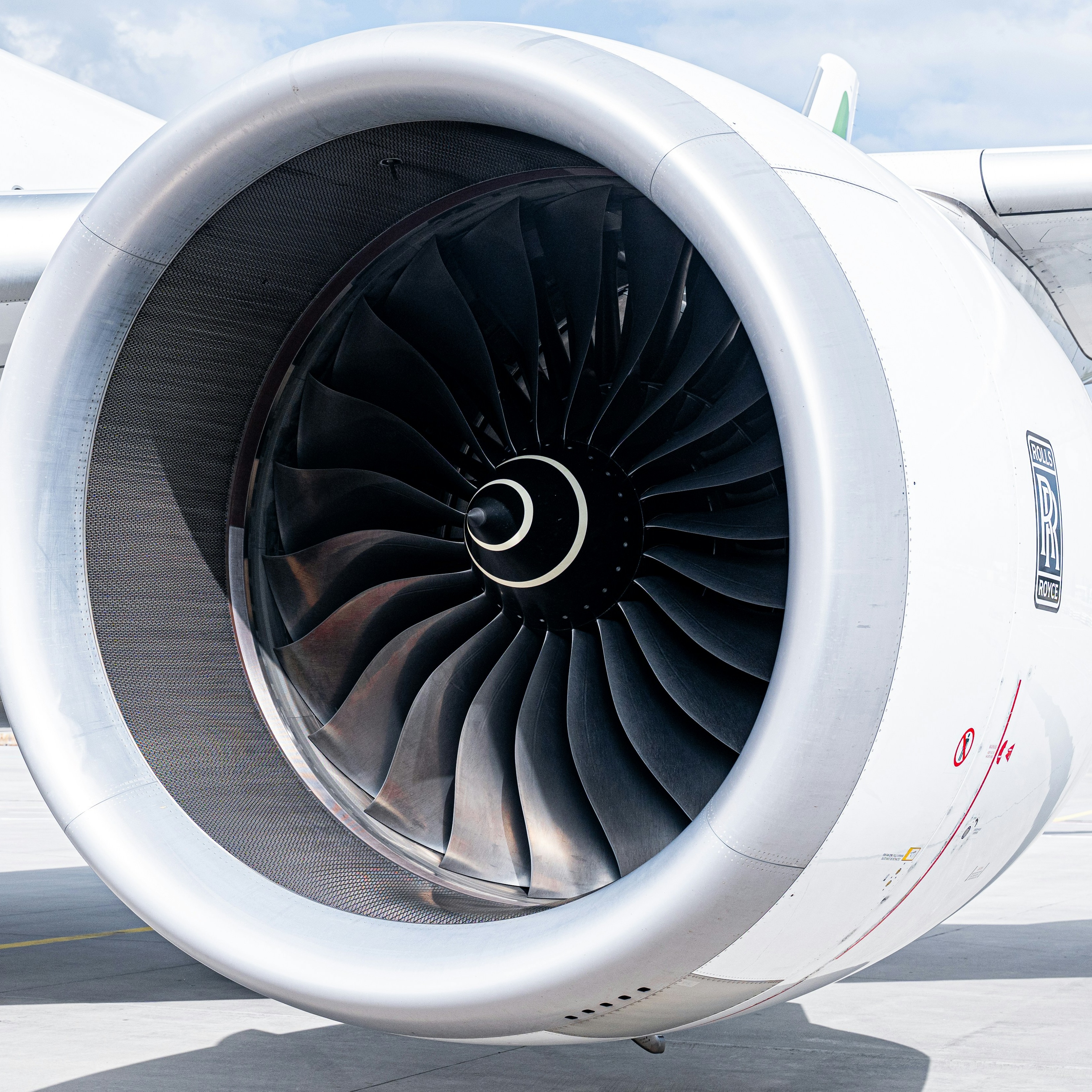
Airplane engine companies represent the backbone of global aviation, designing and manufacturing the propulsion systems that power commercial, military, and private aircraft worldwide. These specialized manufacturers focus on developing turbofan, turbojet, turboprop, and piston engines that meet stringent safety standards and performance requirements. Leading airplane engine companies invest billions in research and development to create engines that deliver optimal thrust, fuel efficiency, and reliability across diverse flight conditions. The main functions of these organizations include engineering advanced propulsion technologies, conducting rigorous testing protocols, providing comprehensive maintenance support, and ensuring regulatory compliance with international aviation authorities. Technological features distinguishing modern airplane engine companies include sophisticated materials like titanium alloys and carbon composites, advanced computational fluid dynamics for aerodynamic optimization, digital twin simulation capabilities, and integrated health monitoring systems. Applications span across multiple sectors including commercial passenger transportation, cargo logistics, military defense operations, business aviation, and regional connectivity services. Airplane engine companies collaborate closely with airframe manufacturers, airlines, and maintenance organizations to deliver integrated propulsion solutions that maximize operational efficiency and minimize environmental impact. These companies maintain global service networks offering spare parts distribution, technical training programs, and round-the-clock support to ensure continuous aircraft availability and operational safety for customers worldwide.

New Products

Choosing established airplane engine companies delivers significant value through proven reliability records spanning decades of operational experience across millions of flight hours. These manufacturers provide customers with engines featuring superior fuel efficiency that directly reduces operating costs, often achieving 15-25 percent better consumption rates compared to previous generation models. Buyers benefit from comprehensive warranty programs and flexible maintenance agreements that protect their investment while ensuring predictable lifecycle costs throughout engine ownership. Operational benefits include extended time between overhauls, reduced unscheduled maintenance events, and higher dispatch reliability rates that minimize flight cancellations and revenue losses. Airplane engine companies offer modular design architectures enabling faster component replacements and reduced aircraft downtime during maintenance activities. Application suitability varies across different engine families, with manufacturers providing tailored solutions for short-haul regional routes, long-range intercontinental flights, extreme climate operations, and high-altitude performance requirements. Decision-useful context includes transparent performance data, validated emissions profiles meeting current environmental regulations, and noise characteristics complying with international airport restrictions. Leading airplane engine companies maintain extensive training facilities where airline personnel receive hands-on instruction for optimal engine operation and troubleshooting procedures. Customers gain access to predictive maintenance technologies utilizing real-time data analytics that identify potential issues before they cause operational disruptions. The global support infrastructure ensures parts availability and technical expertise wherever aircraft operate, providing peace of mind for fleet operators managing international route networks and diverse operational environments.

Latest News

AeroLink Participates in MRO Greater China 2026 to Strengthen Global Aviation Supply Chain Cooperation

16

Jun

AeroLink Participates in MRO Greater China 2026 to Strengthen Global Aviation Supply Chain Cooperation

View More
Sourcing Certified Aerospace Tools with Ease

15

Sep

Sourcing Certified Aerospace Tools with Ease

Struggling with FAA/EASA-compliant tool procurement? Discover how to source certified aerospace tools fast. Download the full guide now.
View More
Sourcing Verified Plane Engine Components Fast

15

Sep

Sourcing Verified Plane Engine Components Fast

Struggling with aircraft downtime? Discover proven strategies to source verified plane engine components rapidly—without compromising safety or compliance. Get started today.
View More
Cost-Effective APU Procurement for Multi-Fleets

15

Sep

Cost-Effective APU Procurement for Multi-Fleets

Struggling with rising APU costs across diverse fleets? Discover proven strategies to cut TCO by 30%+ through standardization Download the guide.
View More
Advanced Engineering Excellence

Advanced Engineering Excellence

Airplane engine companies distinguish themselves through relentless engineering innovation that pushes the boundaries of propulsion technology. These organizations employ thousands of specialized engineers who utilize cutting-edge design tools including artificial intelligence-driven optimization algorithms and advanced materials science to create engines delivering unprecedented performance levels. The development process involves extensive computational modeling, wind tunnel testing, and full-scale prototype validation under extreme conditions simulating real-world operational stresses. Modern engines incorporate sophisticated cooling systems, precision-manufactured turbine blades with complex aerodynamic profiles, and advanced combustion chambers that maximize thermal efficiency while minimizing harmful emissions. This engineering excellence translates directly into tangible customer benefits including reduced fuel consumption, extended component life, and enhanced operational flexibility. Airplane engine companies continuously refine their designs based on operational feedback from global airline partners, incorporating lessons learned from billions of flight hours into successive engine generations. The result is propulsion systems that consistently exceed performance expectations while meeting increasingly stringent environmental regulations governing carbon emissions and noise pollution in urban environments.
Comprehensive Lifecycle Support

Comprehensive Lifecycle Support

Leading airplane engine companies provide end-to-end lifecycle support that extends far beyond initial engine delivery, creating long-term partnerships with operators worldwide. This comprehensive approach includes dedicated customer service teams, strategically positioned maintenance facilities, extensive spare parts inventories, and advanced diagnostic capabilities that ensure maximum engine availability throughout operational life. Customers benefit from flexible support programs tailored to their specific operational requirements, whether managing large fleets or operating single aircraft. Airplane engine companies offer performance monitoring services that track engine health parameters in real-time, enabling predictive maintenance strategies that prevent unexpected failures and optimize maintenance scheduling around operational demands. Training programs ensure maintenance personnel and flight crews understand engine systems thoroughly, maximizing safety and operational efficiency. The global service network maintained by these manufacturers provides rapid response capabilities anywhere aircraft operate, minimizing downtime when issues arise. Additionally, engine lease programs and power-by-the-hour arrangements offer financial flexibility, allowing operators to align costs directly with aircraft utilization while transferring maintenance risk to the manufacturer.
Sustainability and Future Innovation

Sustainability and Future Innovation

Progressive airplane engine companies prioritize environmental sustainability through aggressive development programs targeting carbon-neutral aviation technologies. These manufacturers invest heavily in sustainable aviation fuel compatibility, ensuring current engine designs operate efficiently with alternative fuels derived from renewable sources that reduce lifecycle carbon emissions by up to 80 percent. Research initiatives explore revolutionary propulsion concepts including hybrid-electric systems, hydrogen combustion technologies, and fully electric powerplants for short-range applications. Airplane engine companies collaborate with academic institutions, government agencies, and industry partners to accelerate the transition toward environmentally responsible aviation. Near-term improvements focus on incremental efficiency gains through advanced materials, optimized aerodynamics, and intelligent engine control systems that adapt operating parameters to minimize fuel consumption and emissions during all flight phases. Noise reduction remains another priority, with new engine architectures incorporating acoustic treatment technologies and advanced fan designs that significantly decrease community noise impact around airports. These sustainability initiatives position airplane engine companies as responsible industry leaders while delivering practical benefits to customers facing increasing regulatory pressures and public scrutiny regarding aviation's environmental footprint.