Aircraft Engine Companies: Leaders & Solutions

application/aircraft-engine-companies, application/aircraft-engine-companies, 
Inquiry
Inquiry

aircraft engine companies

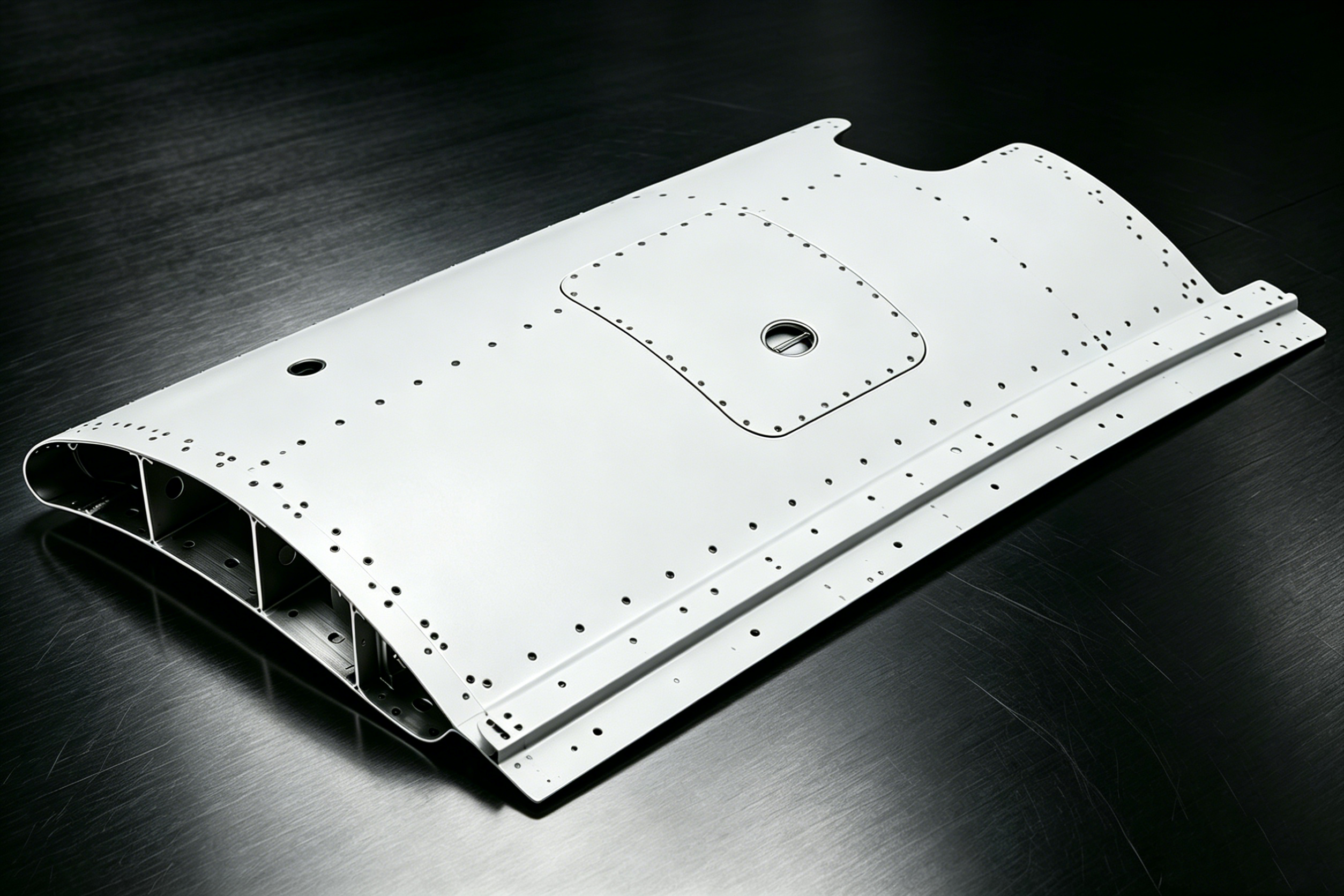
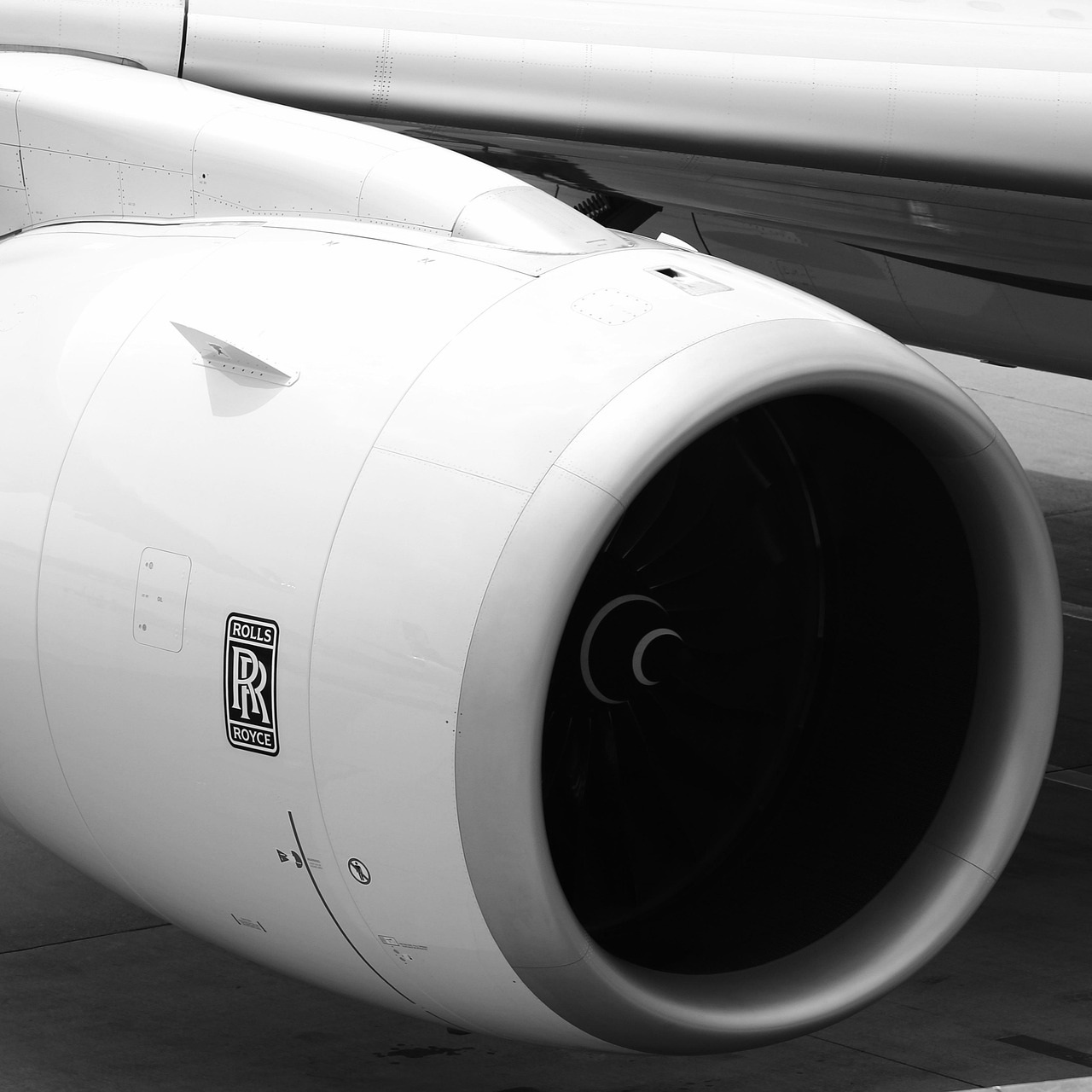
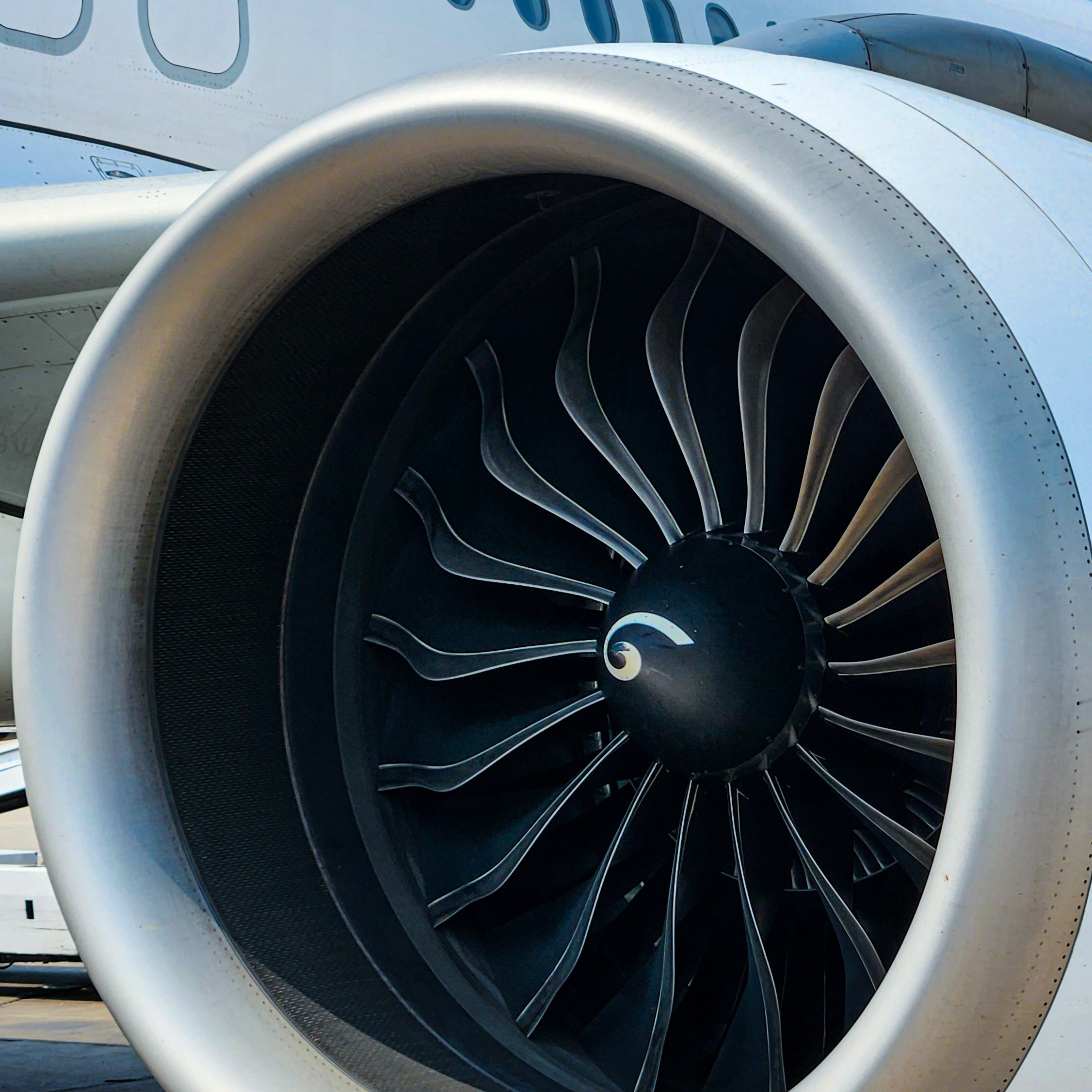
Aircraft engine companies represent the specialized manufacturers and technology leaders that design, develop, and produce propulsion systems for commercial aviation, military defense, and private aerospace applications. These organizations operate at the intersection of advanced engineering, materials science, and aerodynamics to create reliable powerplants that enable safe flight across all categories of aircraft. Aircraft engine companies invest billions in research and development to push technological boundaries while meeting stringent safety regulations and environmental standards. The global aerospace industry depends on a select group of aircraft engine companies that maintain decades of expertise in turbofan, turboprop, turboshaft, and piston engine technologies. Leading aircraft engine companies provide comprehensive lifecycle support including maintenance services, spare parts distribution, and performance optimization programs. Their products power everything from single-engine trainers to wide-body intercontinental jets, military fighters to cargo helicopters. Modern aircraft engine companies face evolving challenges including fuel efficiency demands, emission reduction requirements, noise pollution mitigation, and the integration of digital monitoring systems. These manufacturers work closely with airframe producers, airlines, and regulatory authorities to ensure compatibility and certification. The competitive landscape among aircraft engine companies drives continuous innovation in thrust-to-weight ratios, operational reliability, and total cost of ownership. Understanding the capabilities and specializations of different aircraft engine companies helps stakeholders make informed decisions about fleet planning, procurement strategies, and long-term partnerships in an industry where engine selection profoundly impacts operational economics and performance outcomes.

New Product Recommendations

Choosing established aircraft engine companies delivers multiple strategic advantages that directly impact operational success and financial performance. First, these manufacturers bring proven reliability through millions of accumulated flight hours and rigorous testing protocols that minimize unexpected failures and maximize dispatch availability. This reliability translates into reduced maintenance costs, fewer flight cancellations, and enhanced passenger confidence. Second, aircraft engine companies offer extensive global support networks with service centers, authorized repair stations, and parts distribution hubs positioned strategically worldwide, ensuring rapid response times when technical assistance becomes necessary. Third, leading manufacturers provide comprehensive training programs for maintenance personnel and flight crews, ensuring proper operation and care that extends engine lifespan and optimizes performance. Fourth, buyers benefit from continuous technology upgrades and service bulletins that improve efficiency and address emerging operational considerations without requiring complete engine replacement. Fifth, established aircraft engine companies maintain deep inventories of certified spare parts, reducing aircraft-on-ground time and supporting predictable maintenance scheduling. Sixth, their engineering teams offer customization options and application-specific configurations that match particular mission profiles, whether for high-altitude operations, hot-and-high conditions, or extended-range flights. Seventh, these companies provide transparent lifecycle cost analysis and flexible financing arrangements including power-by-the-hour programs that convert unpredictable maintenance expenses into manageable operating costs. Finally, aircraft engine companies invest heavily in sustainable aviation technologies including alternative fuel compatibility and hybrid-electric propulsion research, positioning customers to meet future environmental regulations while maintaining operational capability. These combined advantages make partnering with reputable aircraft engine companies a strategic decision that influences competitiveness, profitability, and long-term viability in an increasingly demanding aviation market.

Latest News

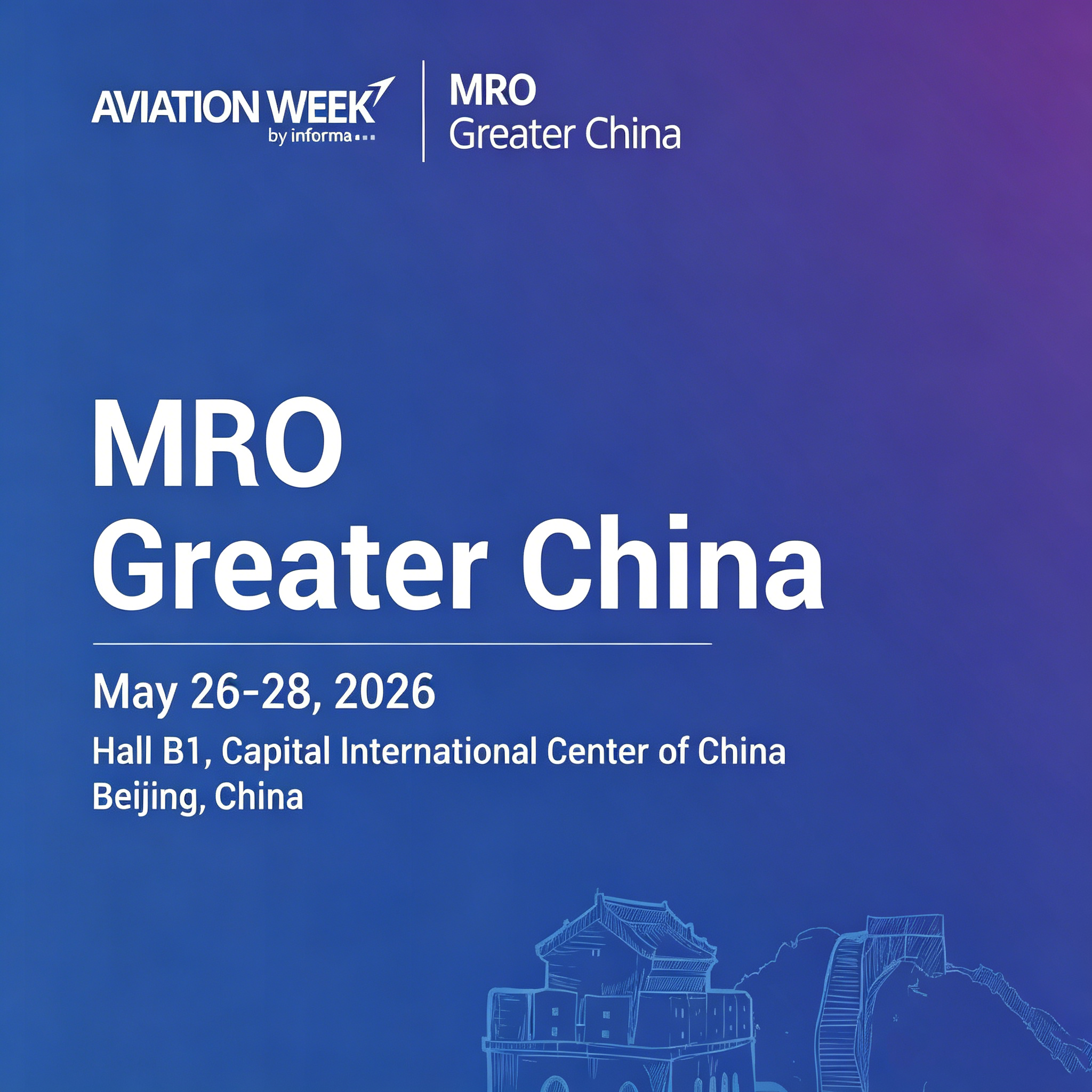
AeroLink Participates in MRO Greater China 2026 to Strengthen Global Aviation Supply Chain Cooperation

16

Jun

AeroLink Participates in MRO Greater China 2026 to Strengthen Global Aviation Supply Chain Cooperation

View More
Sourcing Certified GSE Spares with Traceability

15

Sep

Sourcing Certified GSE Spares with Traceability

Struggling with aviation compliance risks? Source certified GSE spares with end-to-end traceability to ensure AS9100/ISO 9001 compliance. Download best practices now.
View More
Sourcing Traceable APU Spare Parts Efficiently

14

Sep

Sourcing Traceable APU Spare Parts Efficiently

Struggling with APU part delays and audit risks? Discover how to source traceable APU spare parts efficiently while ensuring FAA/EASA compliance. Get actionable steps now.
View More
Advanced Engineering Excellence and Innovation Leadership

Advanced Engineering Excellence and Innovation Leadership

Aircraft engine companies distinguish themselves through extraordinary engineering capabilities that transform theoretical concepts into operational reality. These organizations employ thousands of specialized engineers across disciplines including thermodynamics, computational fluid dynamics, materials science, and systems integration who collaborate to solve complex propulsion challenges. Their research facilities feature state-of-the-art testing infrastructure including high-altitude simulation chambers, acoustic testing rooms, and full-scale engine test cells that replicate extreme operating conditions. Investment in advanced manufacturing techniques such as additive manufacturing, precision casting, and automated assembly ensures consistent quality while reducing production timeframes. Aircraft engine companies maintain proprietary databases containing decades of operational data that inform predictive maintenance algorithms and design improvements. Their commitment to innovation extends beyond current products to next-generation technologies including sustainable aviation fuels, hydrogen propulsion concepts, and electric hybrid systems. This engineering excellence ensures that customers receive products representing the absolute forefront of propulsion technology, delivering performance advantages that translate directly into competitive operational benefits including lower fuel consumption, extended maintenance intervals, and superior reliability metrics that define industry leadership.
Comprehensive Lifecycle Support and Global Service Infrastructure

Comprehensive Lifecycle Support and Global Service Infrastructure

Leading aircraft engine companies differentiate themselves through unmatched support ecosystems that extend far beyond initial product delivery. Their global service networks encompass hundreds of authorized maintenance facilities, parts distribution centers, and technical support offices strategically positioned to serve operators regardless of geographic location. These companies deploy field service representatives who provide on-site technical assistance, troubleshooting expertise, and emergency support that minimizes operational disruptions. Advanced digital platforms enable remote engine health monitoring, predictive maintenance alerts, and real-time performance optimization recommendations that prevent issues before they impact operations. Aircraft engine companies offer flexible maintenance programs including guaranteed cost-per-flight-hour agreements that provide budgetary predictability and transfer risk from operators to manufacturers. Their comprehensive training academies deliver certification programs for mechanics, engineers, and pilots using full-motion simulators and hands-on engine workshops. Extensive spare parts inventories supported by sophisticated logistics systems ensure critical components reach operators quickly, reducing aircraft downtime. This holistic approach to customer support creates lasting partnerships where aircraft engine companies function as strategic advisors rather than mere equipment suppliers, contributing directly to operational efficiency, safety excellence, and financial performance throughout the entire engine lifecycle.
Regulatory Compliance and Industry-Leading Safety Standards

Regulatory Compliance and Industry-Leading Safety Standards

Aircraft engine companies operate within the most demanding regulatory environment in any manufacturing sector, maintaining rigorous compliance with international aviation authorities including the FAA, EASA, and equivalent organizations worldwide. These manufacturers implement quality management systems that exceed ISO standards, incorporating multiple verification stages, redundant testing protocols, and comprehensive documentation requirements that ensure every engine meets exacting specifications. Their certification processes involve thousands of test hours under diverse conditions including extreme temperatures, altitude variations, foreign object ingestion scenarios, and endurance trials that validate safety margins far beyond normal operational parameters. Aircraft engine companies participate actively in industry safety initiatives, sharing operational data through confidential reporting systems that identify emerging trends and drive proactive improvements. Their traceability systems track every component from raw material sourcing through final assembly, enabling rapid response if quality concerns arise. This unwavering commitment to safety and regulatory excellence provides customers with confidence that their propulsion systems meet not just minimum requirements but represent best-in-class standards. For operators, this translates into simplified certification processes, reduced liability exposure, enhanced insurance terms, and most importantly, the assurance that their aircraft engines incorporate every possible safeguard to protect passengers, crew, and assets.