Aircraft Line Maintenance Services | Expert Support

application/aircraft-line-maintenance-services, application/aircraft-line-maintenance-services, 
Inquiry
Inquiry

aircraft line maintenance services

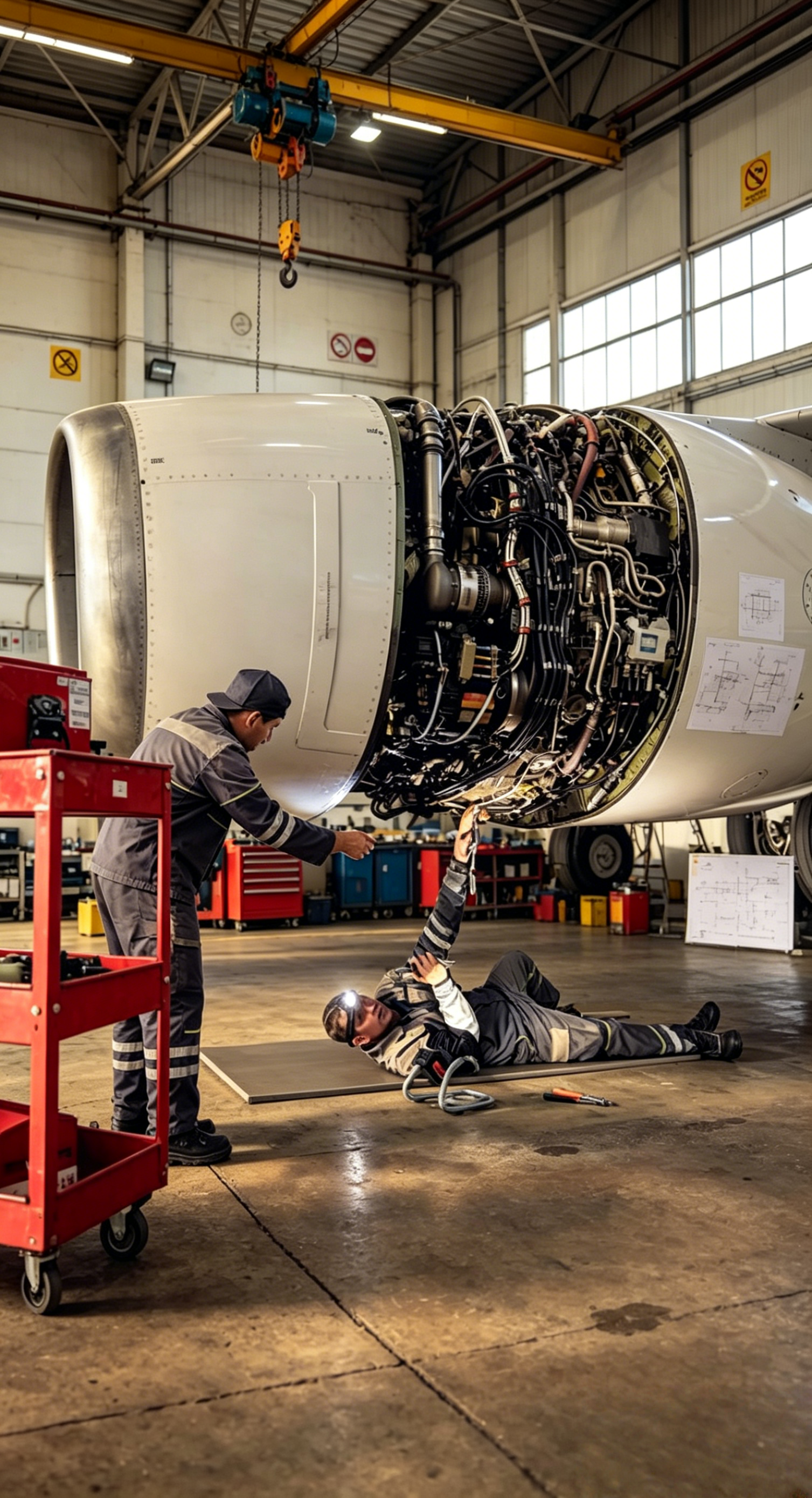
Aircraft line maintenance services represent essential day-to-day operational support that keeps commercial and private aircraft airworthy between scheduled heavy maintenance events. These services encompass routine inspections, minor repairs, troubleshooting, and component replacements performed at airport facilities to ensure aircraft meet safety standards before every flight. Aircraft line maintenance services include pre-flight checks, post-flight inspections, transit checks, daily inspections, weekly checks, and A-check level maintenance activities that occur at shorter intervals. The main functions involve visual inspections of critical systems, fluid level checks, tire pressure monitoring, brake assessments, and verification of all aircraft systems functionality. Technological features integrated into modern aircraft line maintenance services include digital maintenance tracking systems, predictive diagnostics tools, real-time reporting platforms, and electronic technical log management that streamline workflow efficiency. Technicians utilize advanced diagnostic equipment, specialized tooling, and manufacturer-approved procedures to identify and resolve issues quickly. Applications span across commercial aviation operators, cargo carriers, business jet operators, and helicopter services requiring immediate turnaround capabilities. These services are critical at hub airports, maintenance stations, and remote line stations where aircraft require quick attention between flights. The scope extends from minor defect rectification to cabin interior repairs, avionics troubleshooting, and ensuring compliance with airworthiness directives, providing comprehensive support that minimizes aircraft downtime while maintaining the highest safety standards throughout operational schedules.

Popular Products

Investing in professional aircraft line maintenance services delivers significant cost savings by preventing minor issues from escalating into major failures requiring expensive repairs and extended downtime. Operators benefit from maximized aircraft availability since skilled technicians resolve problems quickly at the gate or hangar, reducing flight delays and cancellations that impact revenue and customer satisfaction. These services provide flexible scheduling that adapts to operational demands, offering around-the-clock support that aligns with airline timetables and charter operations. Safety improvements represent a fundamental advantage, as regular inspections detect potential hazards early, ensuring every aircraft departure meets regulatory compliance and manufacturer specifications. Aircraft line maintenance services enhance operational efficiency through streamlined processes that minimize turnaround times, allowing airlines to maintain tight flight schedules and optimize fleet utilization rates. Operators gain access to experienced technicians familiar with diverse aircraft types, eliminating the need for extensive in-house maintenance teams and associated training costs. Documentation accuracy improves through digital record-keeping systems that track all maintenance actions, creating comprehensive audit trails for regulatory authorities and simplifying compliance verification. The services offer scalability, allowing operators to adjust maintenance support levels based on fleet size changes and seasonal demand fluctuations without significant infrastructure investments. Predictive maintenance capabilities identify component degradation patterns, enabling proactive replacements that prevent unexpected failures. Geographic coverage through established service networks ensures consistent maintenance quality across multiple airports, supporting route expansion and operational flexibility while maintaining standardized procedures that preserve aircraft value and extend operational lifespan through proper care and timely interventions.

Tips And Tricks

AeroLink Team Participates in Singapore Airshow to Strengthen Global Aviation Industry Cooperation

16

Jun

AeroLink Team Participates in Singapore Airshow to Strengthen Global Aviation Industry Cooperation

View More
Ensuring Landing Gear Safety with Certified Parts

15

Sep

Ensuring Landing Gear Safety with Certified Parts

Why certified landing gear prevents runway incidents and meets FAA/EASA standards. Learn how to source, verify, and maintain compliant parts—get the guide now.
View More
Why Traceable Tools Are Vital for Compliance

15

Sep

Why Traceable Tools Are Vital for Compliance

Why traceable tools are non-negotiable for audit readiness, legal protection, and operational excellence.
View More
Rapid Response and Minimal Downtime

Rapid Response and Minimal Downtime

Aircraft line maintenance services prioritize speed and efficiency, recognizing that every minute an aircraft remains grounded represents lost revenue and operational disruptions. Service providers station experienced technicians at strategic airport locations, ensuring immediate response to maintenance requests and unscheduled defects discovered during routine checks. This proximity enables rapid diagnosis and resolution of technical issues, often completing repairs within tight turnaround windows between flights. The services employ comprehensive parts inventory management systems that stock commonly replaced components on-site, eliminating delays associated with parts procurement. Technicians receive ongoing training on latest aircraft models and emerging technologies, maintaining proficiency across multiple aircraft types and systems. Advanced planning tools coordinate maintenance activities with flight schedules, optimizing resource allocation and preventing conflicts that could extend ground time. Mobile maintenance units provide flexibility to service aircraft at remote gates or parking positions, reducing towing requirements and associated delays. This operational agility translates directly into improved dispatch reliability, higher aircraft utilization rates, and enhanced passenger satisfaction through fewer schedule disruptions, making rapid response capabilities a cornerstone value proposition for operators seeking competitive advantages in demanding aviation markets.
Comprehensive Safety and Compliance Assurance

Comprehensive Safety and Compliance Assurance

Aircraft line maintenance services maintain unwavering focus on safety through rigorous adherence to regulatory requirements, manufacturer guidelines, and industry best practices that protect passengers, crew, and assets. Certified technicians conduct thorough inspections following detailed checklists that verify critical system functionality, structural integrity, and operational readiness before each flight release. Quality assurance programs include independent verification processes, peer reviews, and supervisory oversight that ensure maintenance actions meet exacting standards. The services maintain current knowledge of airworthiness directives, service bulletins, and regulatory amendments, implementing required modifications and inspections within mandated timeframes. Digital documentation systems create complete maintenance records that demonstrate compliance during audits and regulatory inspections, reducing administrative burden on operators. Continuous improvement initiatives analyze maintenance trends, recurring defects, and incident reports to identify systemic issues and implement preventive measures. Technicians utilize calibrated tools and approved materials that meet specifications, preventing substandard repairs that compromise safety. Training programs emphasize human factors awareness, error prevention techniques, and effective communication protocols that minimize mistakes during high-pressure situations. This comprehensive approach to safety and compliance provides operators with confidence that their aircraft meet all regulatory requirements while maintaining the highest safety margins throughout service life.
Cost-Effective Operational Flexibility

Cost-Effective Operational Flexibility

Aircraft line maintenance services deliver exceptional value through flexible service models that align costs directly with operational needs, eliminating fixed overhead expenses associated with maintaining dedicated in-house maintenance departments. Operators can scale services up or down based on fleet size, seasonal demand variations, and route network changes without capital investments in facilities, equipment, or personnel. Pay-per-use pricing structures ensure costs correlate with actual maintenance consumption rather than maintaining excess capacity during low-demand periods. Service providers absorb technology investments in diagnostic equipment, specialized tooling, and training infrastructure, distributing costs across multiple clients and delivering access to capabilities that would be prohibitively expensive for individual operators. Consolidated parts purchasing power reduces component costs through volume discounts and supplier relationships that small operators cannot achieve independently. Labor flexibility allows operators to avoid challenges associated with hiring, training, and retaining specialized technicians in competitive markets where qualified personnel command premium compensation. Geographic service networks eliminate the need for operators to establish maintenance capabilities at every airport served, supporting route expansion without proportional cost increases. Performance-based contracts align service provider incentives with operational outcomes, ensuring maintenance quality directly impacts provider compensation and encouraging continuous improvement that benefits both parties.