Aircraft Airframe Maintenance Services Guide

application/aircraft-airframe-maintenance, application/aircraft-airframe-maintenance, 
Inquiry
Inquiry

aircraft airframe maintenance

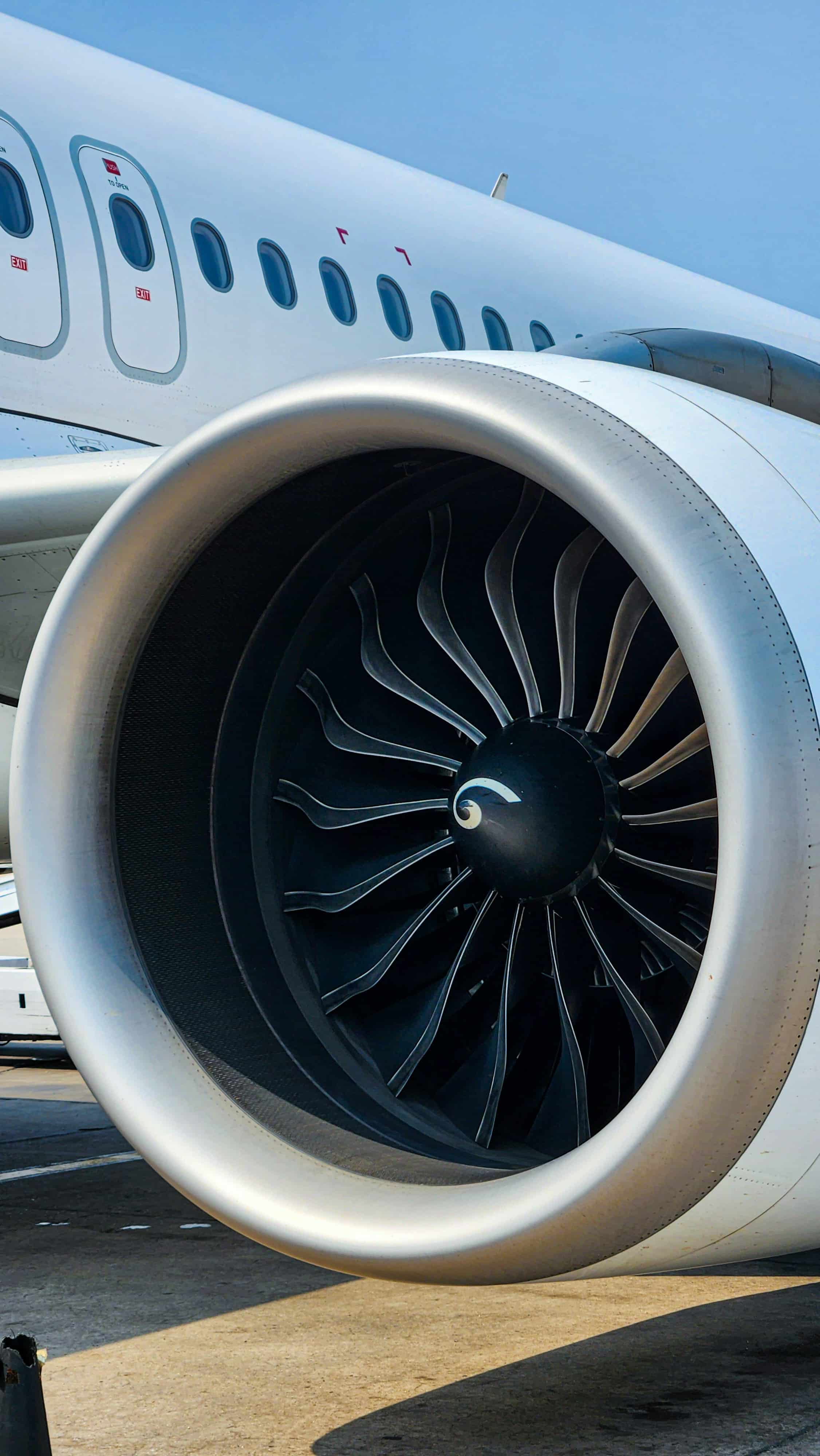
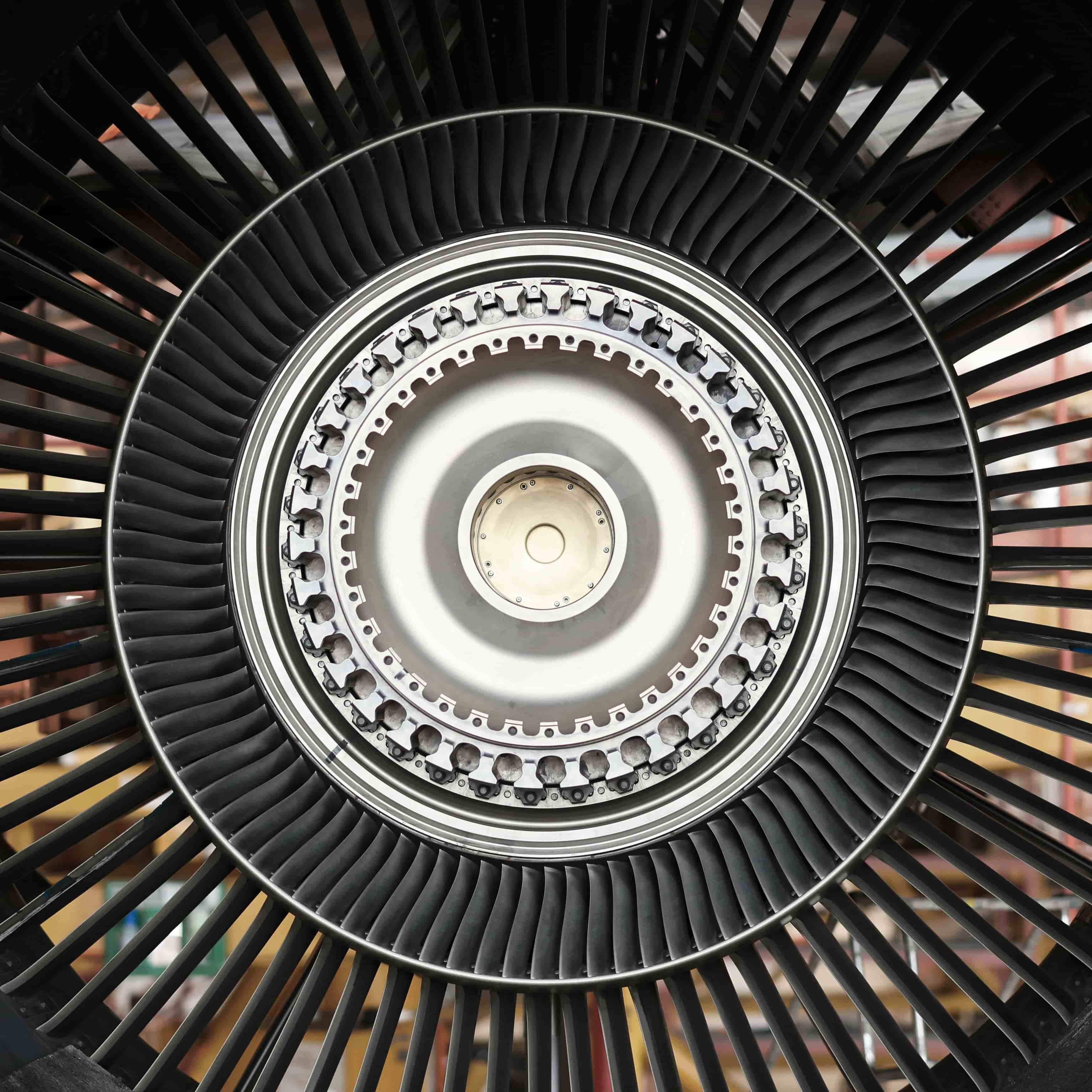
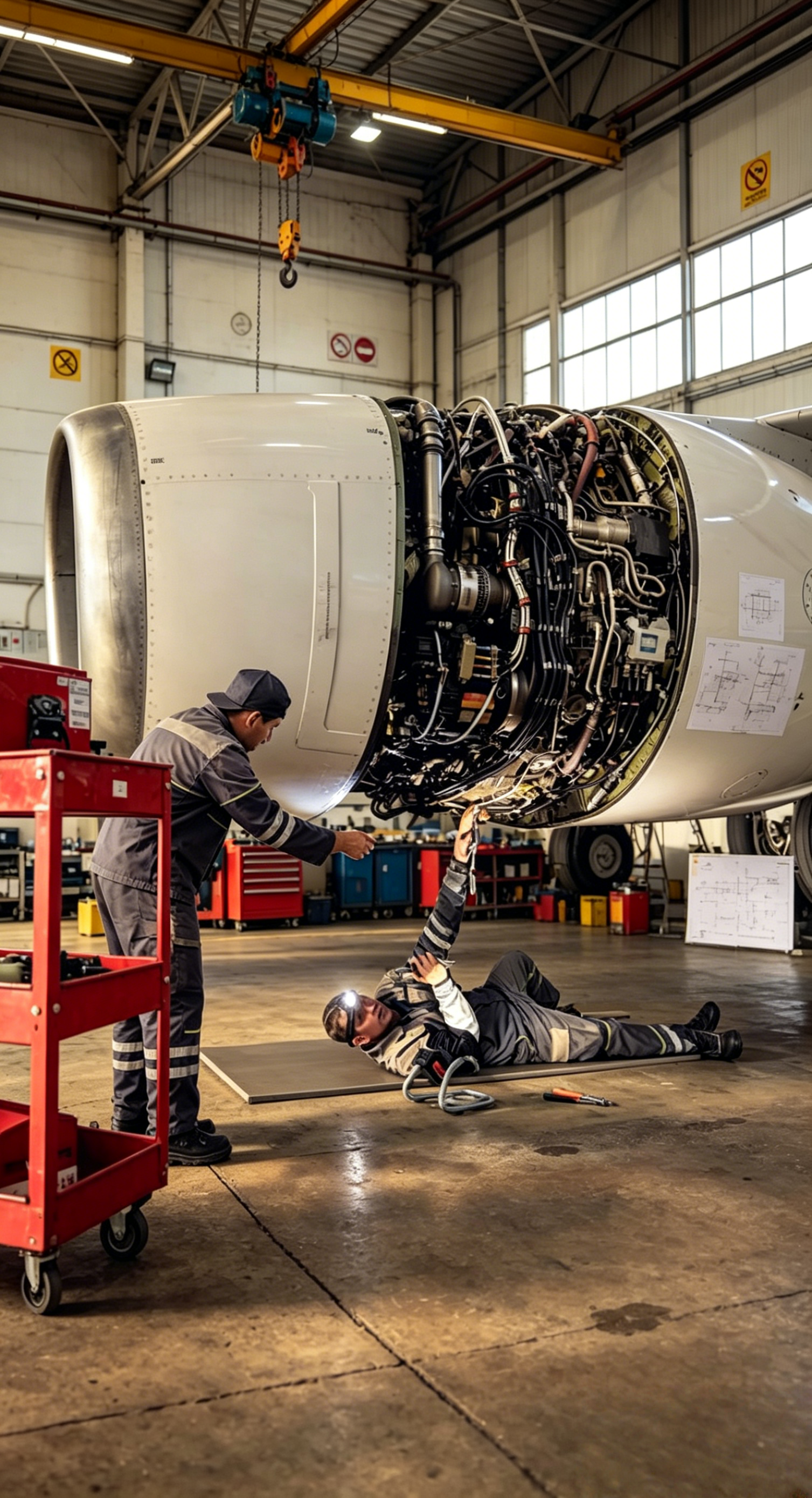
Aircraft airframe maintenance is the systematic process of inspecting, repairing, and preserving the structural components of an aircraft to ensure safe and reliable operation throughout its service life. This critical maintenance discipline focuses on the fuselage, wings, tail sections, landing gear attachments, and all structural elements that form the aircraft's primary load-bearing framework. The main functions of aircraft airframe maintenance include conducting routine inspections to detect corrosion, cracks, and structural fatigue, performing necessary repairs using approved materials and techniques, and implementing preventive measures to extend airframe longevity. Technological features integral to modern aircraft airframe maintenance incorporate advanced non-destructive testing methods such as ultrasonic inspection, eddy current testing, and thermography to identify hidden defects without compromising structural integrity. Maintenance technicians utilize composite repair technologies, precision measurement tools, and computer-aided design systems to restore airframes to manufacturer specifications. Applications of aircraft airframe maintenance span commercial aviation, military operations, cargo transport, and private aircraft ownership. Scheduled maintenance intervals follow strict regulatory guidelines established by aviation authorities, with checks ranging from daily walkarounds to comprehensive heavy maintenance visits occurring every several years. This maintenance discipline directly impacts aircraft safety, operational availability, and long-term value retention, making it an indispensable component of aviation operations worldwide.

New Product Recommendations

The primary advantage of professional aircraft airframe maintenance lies in its direct contribution to flight safety by systematically identifying and addressing structural issues before they compromise aircraft integrity. Regular maintenance programs prevent catastrophic failures, protect passenger lives, and ensure compliance with stringent aviation regulations. From an operational perspective, properly executed aircraft airframe maintenance maximizes aircraft availability by reducing unscheduled downtime and preventing costly emergency repairs that disrupt flight schedules. Airlines and operators benefit from extended aircraft service life, as proactive maintenance prevents accelerated deterioration and preserves the structural strength needed for continued airworthiness. Financial benefits include protecting your substantial aircraft investment through value retention, as well-maintained airframes command higher resale prices and attract quality buyers in the pre-owned market. Insurance premiums often reflect maintenance quality, with comprehensive programs potentially reducing coverage costs. Aircraft airframe maintenance enhances fuel efficiency by ensuring proper aerodynamic profiles through repair of dents, skin damage, and structural deformities that increase drag. Regulatory compliance represents another critical advantage, as documented maintenance history satisfies certification requirements and enables continued operating authority from aviation authorities. For commercial operators, passenger confidence increases when aircraft demonstrate visible care and professional maintenance standards. The application suitability of structured maintenance programs accommodates diverse aircraft types, from small single-engine planes to wide-body jets, with scalable approaches matching operational demands and budget constraints. Decision-makers gain peace of mind knowing that systematic aircraft airframe maintenance provides predictable maintenance costs, reduces liability exposure, and supports sustainable long-term operations.

Practical Tips

Ensuring Landing Gear Safety with Certified Parts

15

Sep

Ensuring Landing Gear Safety with Certified Parts

Why certified landing gear prevents runway incidents and meets FAA/EASA standards. Learn how to source, verify, and maintain compliant parts—get the guide now.
View More
Cost-Effective Procurement Strategies for Tools

15

Sep

Cost-Effective Procurement Strategies for Tools

Cut tool costs by 15–25% with proven procurement strategies: TCO analysis, supplier consolidation, preventive maintenance & tech-enabled management. Optimize value—start now.
View More
Maximizing APU Reliability via Better Sourcing

15

Sep

Maximizing APU Reliability via Better Sourcing

Struggling with APU downtime and costly unscheduled maintenance? Discover how certified sourcing and traceability slash failure rates. Optimize your aircraft reliability now.
View More
Essential Avio Procurement Advice for Operators

15

Sep

Essential Avio Procurement Advice for Operators

Struggling with aircraft downtime or compliance risks? This essential avio procurement guide helps operators optimize sourcing. Download your strategy blueprint now.
View More
Advanced Inspection Technologies for Structural Integrity

Advanced Inspection Technologies for Structural Integrity

Modern aircraft airframe maintenance leverages cutting-edge inspection technologies that revolutionize how structural defects are detected and assessed. Non-destructive testing methods allow technicians to examine critical structural components without disassembly or damage, significantly reducing inspection time while improving accuracy. Ultrasonic testing penetrates metal structures to identify internal cracks, delamination in composites, and corrosion hidden beneath surface layers. Eddy current inspection detects surface and near-surface flaws in conductive materials, proving invaluable for examining fastener holes and critical stress points. Thermographic imaging reveals temperature variations that indicate moisture intrusion, disbonding, or structural anomalies invisible to visual inspection. These technologies enable early detection of potential failures, allowing corrective action during scheduled maintenance rather than emergency situations. The implementation of advanced inspection equipment within aircraft airframe maintenance programs delivers substantial safety improvements while optimizing maintenance efficiency. Operators benefit from data-driven maintenance decisions based on actual structural condition rather than arbitrary time intervals, reducing unnecessary component replacement and associated costs while maintaining the highest safety standards.
Corrosion Prevention and Control Programs

Corrosion Prevention and Control Programs

Corrosion represents one of the most persistent threats to aircraft structural integrity, making comprehensive prevention and control programs essential elements of aircraft airframe maintenance. Exposure to moisture, salt air in coastal operations, and chemical contaminants gradually degrades aluminum alloys and other airframe materials, potentially compromising load-bearing capacity if left unaddressed. Effective corrosion control begins with regular inspection of susceptible areas including wheel wells, battery compartments, lavatories, and lower fuselage sections where moisture accumulates. Aircraft airframe maintenance specialists apply protective treatments including corrosion inhibiting compounds, sealants, and specialized coatings that create barriers against environmental attack. When corrosion is discovered, technicians assess its severity and implement appropriate remediation ranging from localized cleaning and treatment to structural component replacement for advanced deterioration. Preventive measures include proper drainage system maintenance, humidity control in storage environments, and thorough post-flight washing for aircraft operating in marine environments. The financial impact of proactive corrosion management proves substantial, as early intervention prevents expensive structural repairs and extends airframe service life by decades, protecting your investment while maintaining operational safety and reliability.
Regulatory Compliance and Documentation Excellence

Regulatory Compliance and Documentation Excellence

Comprehensive documentation represents a cornerstone of professional aircraft airframe maintenance, ensuring regulatory compliance while creating valuable historical records that support continued airworthiness and aircraft value. Aviation authorities mandate detailed recording of all maintenance activities, inspections, repairs, and component replacements throughout the aircraft's operational life. These records demonstrate adherence to manufacturer maintenance programs, regulatory airworthiness directives, and supplemental type certificate requirements. During aircraft airframe maintenance events, technicians document findings using standardized forms, digital maintenance tracking systems, and photographic evidence that captures pre-repair conditions and completed work quality. This documentation proves essential during annual inspections, pre-purchase evaluations, and regulatory audits where incomplete records can ground aircraft or significantly reduce market value. Proper record-keeping facilitates warranty claims, supports insurance requirements, and enables accurate tracking of component life limits and inspection intervals. For operators managing multiple aircraft, centralized maintenance documentation systems provide fleet-wide visibility into structural condition trends, helping optimize maintenance scheduling and resource allocation. The discipline of maintaining excellent records within your aircraft airframe maintenance program ultimately protects operational continuity, demonstrates professional standards, and preserves the substantial financial investment represented by your aircraft assets.