Aviation MRO Companies: Expert Maintenance Solutions

application/aviation-mro-companies, application/aviation-mro-companies, 
Inquiry
Inquiry

aviation mro companies

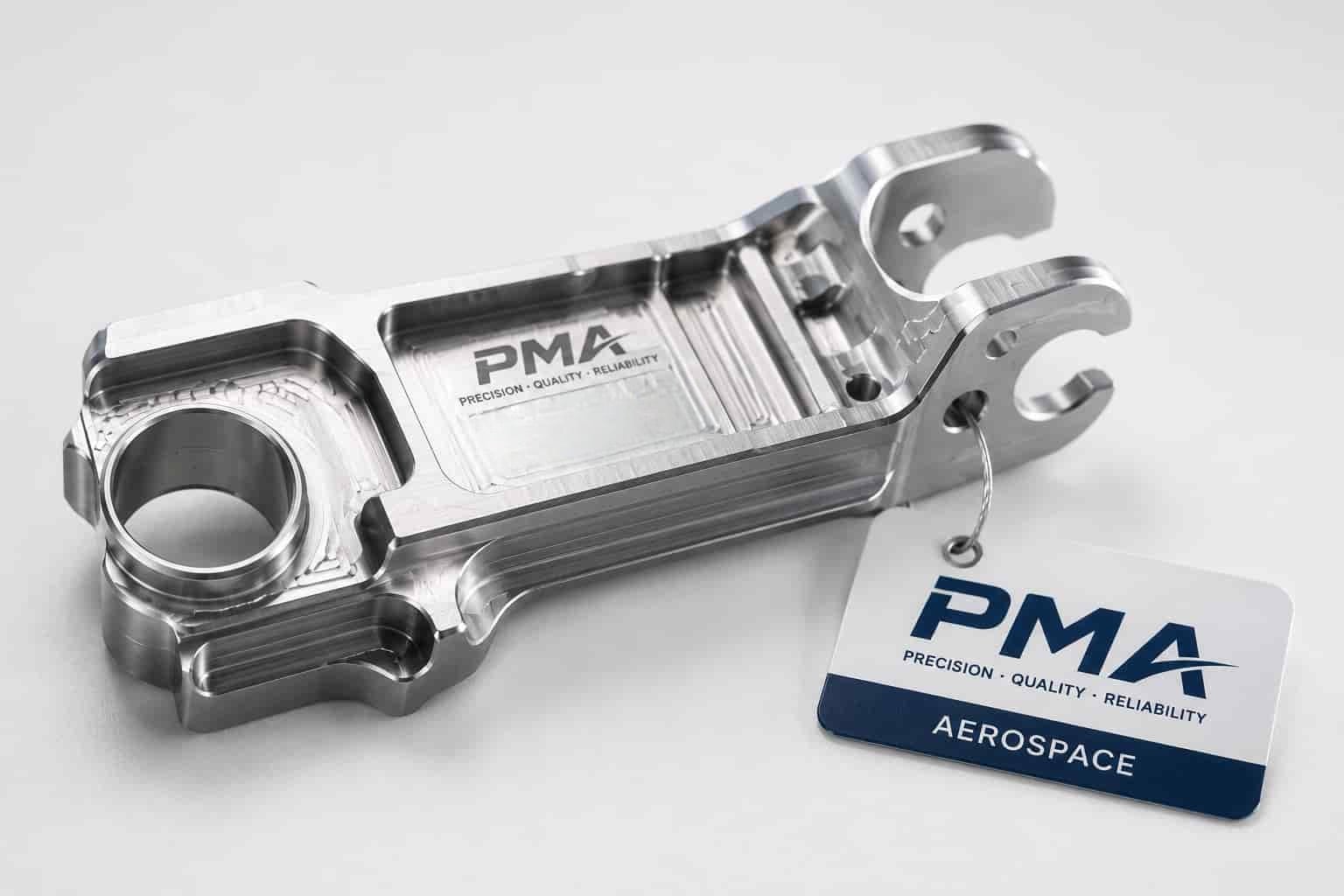
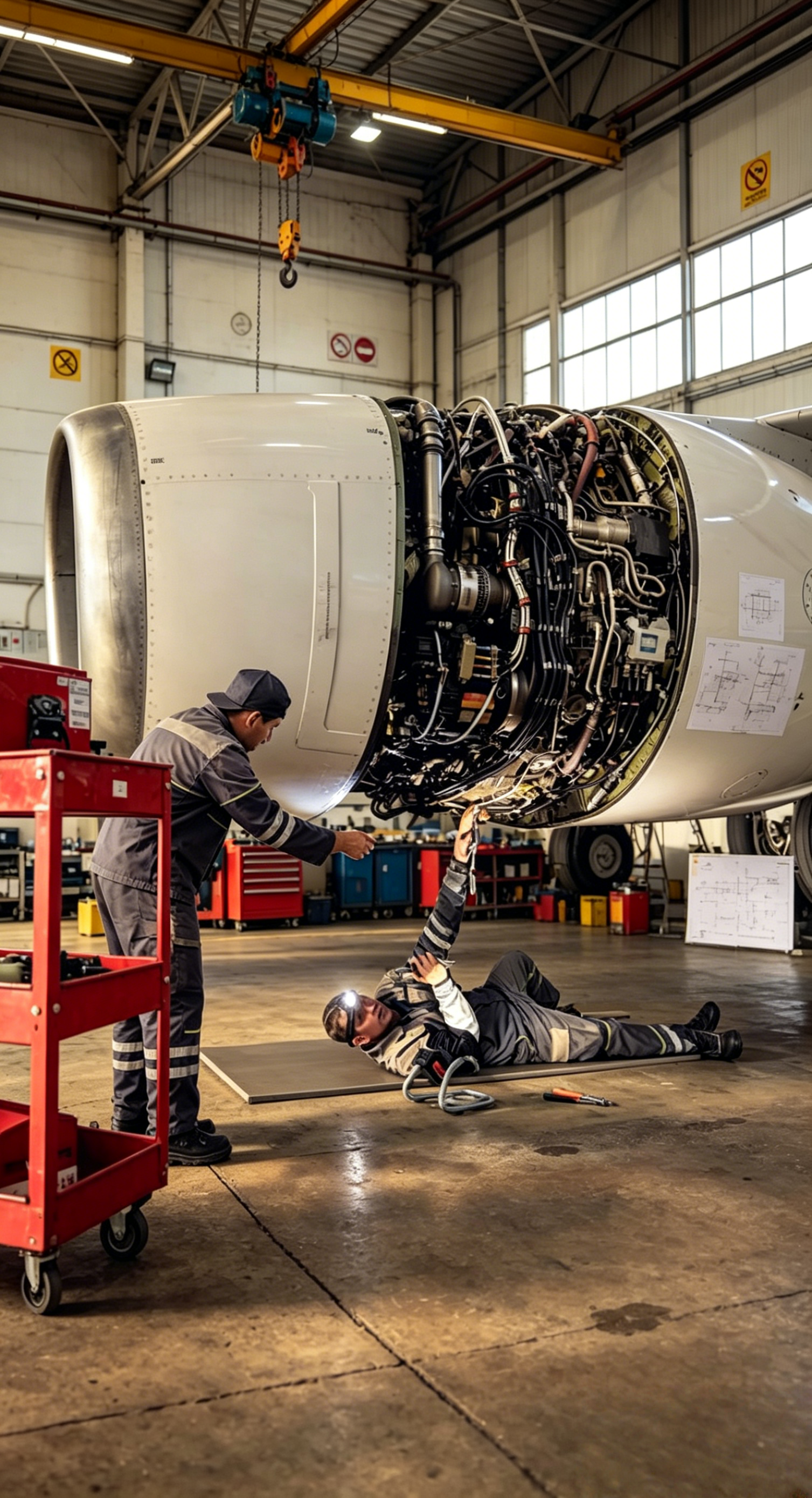
Aviation MRO companies are specialized service providers that offer comprehensive maintenance, repair, and overhaul solutions for aircraft and their components. These aviation mro companies play a critical role in ensuring flight safety, operational reliability, and regulatory compliance throughout the aviation industry. Their main functions encompass scheduled maintenance inspections, corrective repairs, component overhauls, airframe modifications, engine servicing, and avionics upgrades. Aviation mro companies utilize advanced diagnostic equipment, precision tooling, and certified technicians to maintain aircraft according to stringent manufacturer specifications and aviation authority regulations. The technological features employed by aviation mro companies include predictive maintenance analytics, digital tracking systems, automated inspection technologies, and advanced materials testing capabilities. Many aviation mro companies have adopted digital transformation initiatives, implementing IoT sensors, artificial intelligence algorithms, and blockchain-based record keeping to enhance service quality and traceability. Applications of aviation mro companies span commercial airlines, cargo operators, business aviation, military fleets, and helicopter operations. These providers serve as essential partners for aircraft operators who require expert technical support to maximize aircraft availability, extend component lifecycles, minimize unscheduled downtime, and maintain airworthiness certificates. Aviation mro companies range from original equipment manufacturers offering authorized service centers to independent providers specializing in specific aircraft types or component categories, creating a diverse ecosystem that supports global aviation operations.

New Product Recommendations

Choosing professional aviation mro companies delivers substantial operational and financial benefits for aircraft operators seeking reliable maintenance solutions. First, aviation mro companies provide access to specialized expertise and certified personnel who possess deep technical knowledge across various aircraft systems, ensuring that complex repairs meet exacting safety standards without requiring operators to maintain extensive in-house capabilities. This expertise translates directly into reduced aircraft downtime and improved dispatch reliability, enabling operators to maximize fleet utilization and revenue generation. Second, aviation mro companies offer significant cost advantages through economies of scale, shared tooling investments, and bulk parts procurement capabilities that individual operators cannot achieve independently. By consolidating maintenance volume, these providers deliver competitive pricing while maintaining quality standards, helping buyers control operating expenses and improve profitability margins. Third, aviation mro companies ensure regulatory compliance by staying current with evolving airworthiness directives, safety bulletins, and certification requirements across multiple jurisdictions, removing compliance burdens from operators and mitigating regulatory risks. Fourth, established aviation mro companies maintain extensive parts inventories and supplier networks that accelerate turnaround times, preventing lengthy aircraft-on-ground situations that devastate operational schedules. Fifth, aviation mro companies invest continuously in advanced diagnostic equipment, specialized tooling, and facility capabilities that would be prohibitively expensive for individual operators to acquire and maintain. This technological infrastructure enables precise troubleshooting, quality repairs, and warranty protection. Finally, aviation mro companies provide flexible service models including power-by-the-hour agreements, scheduled maintenance packages, and customized support programs that align costs with operational needs, offering financial predictability and budget management advantages that support strategic planning and investment decisions for growing aviation businesses.

Latest News

Ensuring Landing Gear Safety with Certified Parts

15

Sep

Ensuring Landing Gear Safety with Certified Parts

Why certified landing gear prevents runway incidents and meets FAA/EASA standards. Learn how to source, verify, and maintain compliant parts—get the guide now.
View More
Why Traceable Tools Are Vital for Compliance

15

Sep

Why Traceable Tools Are Vital for Compliance

Why traceable tools are non-negotiable for audit readiness, legal protection, and operational excellence.
View More
How Plane Engine Sourcing Impacts Fleet Budgets

15

Sep

How Plane Engine Sourcing Impacts Fleet Budgets

How does plane engine sourcing really affect your fleet budget? Discover TCO drivers, spare parts costs, maintenance risks & ROI-optimized strategies. Download the guide.
View More
Cost-Effective APU Procurement for Multi-Fleets

15

Sep

Cost-Effective APU Procurement for Multi-Fleets

Struggling with rising APU costs across diverse fleets? Discover proven strategies to cut TCO by 30%+ through standardization Download the guide.
View More
Comprehensive Technical Expertise and Certification

Comprehensive Technical Expertise and Certification

Aviation mro companies distinguish themselves through extensive technical capabilities backed by rigorous certification standards and highly trained personnel. These organizations employ licensed aircraft maintenance engineers, avionics specialists, powerplant technicians, and composite repair experts who undergo continuous training to maintain proficiency across evolving aircraft technologies. The certification portfolio of leading aviation mro companies typically includes approvals from multiple aviation authorities such as FAA, EASA, CAAC, and others, enabling them to service international fleets under recognized quality systems. This multi-jurisdictional certification capability proves invaluable for operators with diverse fleets or international routes, eliminating the complexity of coordinating maintenance across different regulatory frameworks. Furthermore, aviation mro companies maintain specialized capabilities in niche areas such as non-destructive testing, corrosion treatment, structural repairs, and avionics modifications that require substantial investment in equipment and expertise. By partnering with certified aviation mro companies, operators gain confidence that their aircraft receive maintenance that meets or exceeds manufacturer specifications while maintaining full regulatory compliance and comprehensive documentation traceability throughout the service lifecycle.
Advanced Technology and Digital Integration

Advanced Technology and Digital Integration

Modern aviation mro companies leverage cutting-edge technology platforms to enhance service quality, transparency, and operational efficiency for their clients. These digital ecosystems incorporate predictive maintenance analytics that analyze sensor data, flight parameters, and historical trends to forecast component failures before they occur, enabling proactive interventions that prevent costly unscheduled maintenance events. Aviation mro companies increasingly deploy automated inspection technologies including borescopes, ultrasonic testing equipment, and drone-based visual assessments that improve inspection accuracy while reducing inspection times. Digital work order management systems provide real-time visibility into maintenance progress, parts status, and completion timelines, allowing operators to plan operations with greater precision and confidence. Many aviation mro companies have implemented blockchain-based digital records that create immutable maintenance histories, enhancing aircraft value retention and simplifying regulatory audits. Mobile technology enables technicians to access technical documentation, service bulletins, and troubleshooting guides directly at the worksite, improving efficiency and reducing errors. This technological sophistication differentiates leading aviation mro companies from basic maintenance providers, delivering measurable improvements in aircraft reliability, maintenance efficiency, and lifecycle cost management that directly impact operator profitability and competitive positioning.
Flexible Service Models and Global Network Coverage

Flexible Service Models and Global Network Coverage

Aviation mro companies offer diverse service delivery models designed to accommodate varying operational requirements, fleet sizes, and budget constraints across the aviation industry. Comprehensive power-by-the-hour agreements provide predictable cost structures where operators pay fixed rates per flight hour, with aviation mro companies assuming responsibility for all scheduled and unscheduled maintenance activities, parts procurement, and reliability guarantees. This model proves particularly attractive for operators seeking to convert variable maintenance costs into predictable operational expenses while transferring maintenance risk to experienced providers. Alternative arrangements include scheduled maintenance packages, component exchange programs, and time-and-materials contracts that offer flexibility for operators with specific requirements or seasonal operations. Geographic coverage represents another critical advantage, as established aviation mro companies maintain service networks spanning multiple continents with strategically located maintenance facilities, mobile repair teams, and parts distribution centers. This global footprint ensures that operators can access qualified maintenance support wherever their aircraft operate, minimizing ferry costs and operational disruptions. The combination of flexible commercial frameworks and widespread geographic presence makes aviation mro companies essential partners for airlines, cargo operators, and business aviation companies seeking scalable maintenance solutions that adapt to changing operational demands.