Aircraft Maintenance Tools - Precision Equipment

application/aircraft-maintenance-tools, application/aircraft-maintenance-tools, 
Inquiry
Inquiry

aircraft maintenance tools

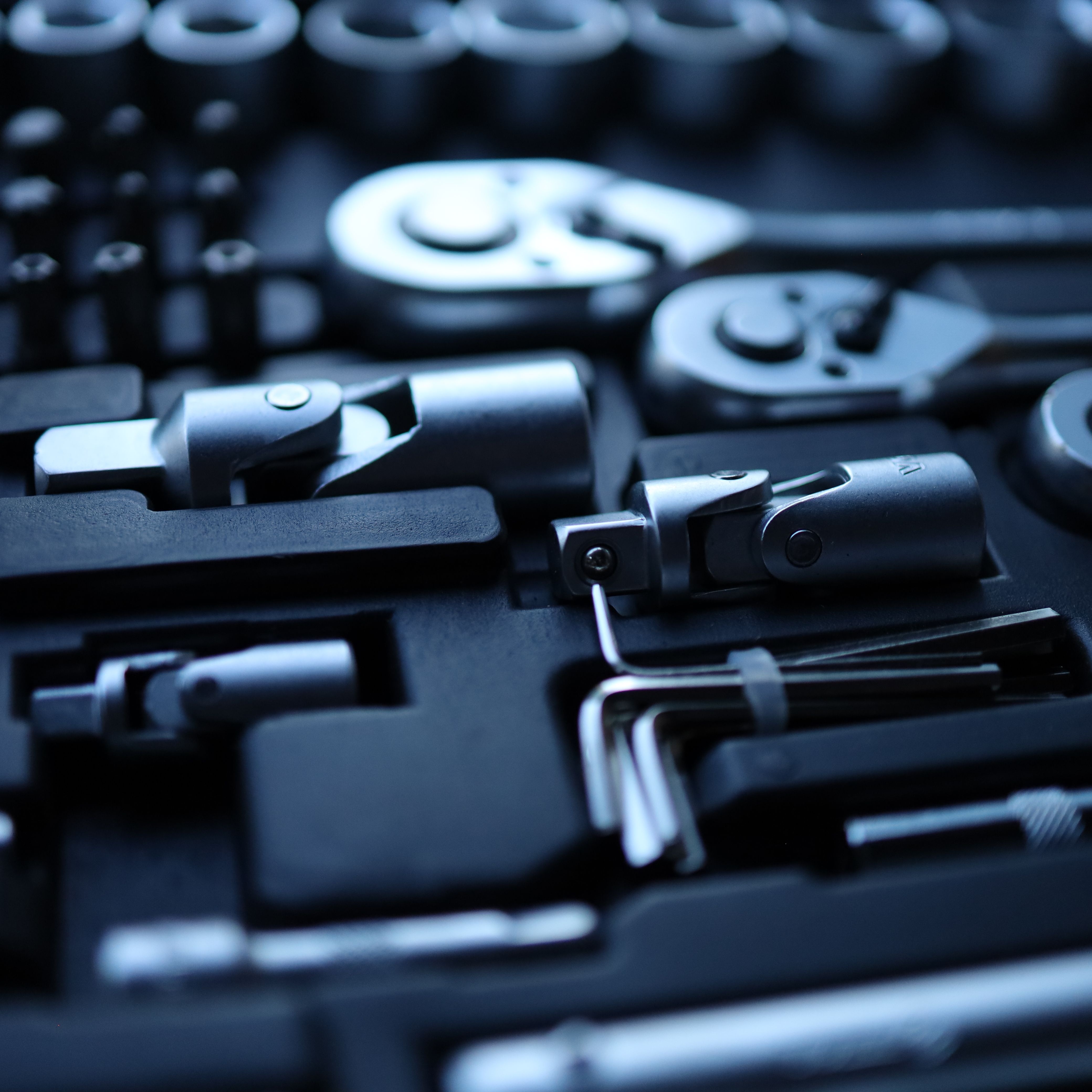
Aircraft maintenance tools are specialized equipment designed to ensure the safety, reliability, and optimal performance of aircraft throughout their operational lifecycle. These essential instruments encompass a wide range of devices, from precision torque wrenches and hydraulic test equipment to advanced diagnostic systems and composite repair kits. Modern aircraft maintenance tools integrate cutting-edge technology with ergonomic design to meet the rigorous standards set by aviation regulatory authorities worldwide. They serve critical functions including routine inspections, component replacements, system diagnostics, structural repairs, and preventive maintenance procedures. The technological features of aircraft maintenance tools include digital calibration capabilities, anti-FOD designs to prevent foreign object damage, corrosion-resistant materials, and compliance with aerospace quality standards such as AS9100 and ISO certifications. Many contemporary tools feature wireless connectivity for data logging and traceability, ensuring complete documentation of maintenance activities. Aircraft maintenance tools find applications across commercial aviation, military operations, general aviation, and helicopter services. They are indispensable in line maintenance stations, hangar facilities, and remote operational bases. From simple hand tools calibrated to exact specifications to sophisticated borescope inspection systems that examine internal engine components, these instruments enable technicians to perform complex tasks with precision and confidence. The quality and reliability of aircraft maintenance tools directly impact aircraft airworthiness, operational safety, and maintenance turnaround times, making them fundamental investments for any aviation maintenance organization committed to excellence and regulatory compliance.


New Product Releases

Investing in high-quality aircraft maintenance tools delivers substantial practical benefits that directly impact your operational efficiency and bottom line. These specialized instruments significantly reduce maintenance turnaround times, allowing you to return aircraft to service faster and maximize fleet availability. When technicians work with precision-calibrated tools designed specifically for aviation applications, they complete tasks correctly the first time, eliminating costly rework and minimizing aircraft downtime. The durability of professional-grade aircraft maintenance tools means lower replacement costs over time, as these robust instruments withstand the demanding conditions of daily maintenance operations. You gain improved safety outcomes because properly designed tools reduce the risk of technician injury and prevent damage to expensive aircraft components during maintenance procedures. Modern aircraft maintenance tools with built-in torque limiters and calibration indicators help your team avoid over-tightening or under-tightening critical fasteners, which could lead to component failure or safety incidents. The traceability features incorporated into advanced tools support your compliance documentation requirements, making audits smoother and demonstrating your commitment to regulatory standards. Your maintenance organization benefits from enhanced productivity as ergonomically designed tools reduce technician fatigue during lengthy maintenance tasks. The versatility of comprehensive aircraft maintenance tools allows your team to handle diverse maintenance scenarios without needing excessive inventory. You protect your reputation and customer relationships by ensuring consistent maintenance quality that keeps aircraft safe and reliable. The return on investment becomes clear when you consider reduced labor hours, fewer maintenance errors, extended aircraft service life, and the prevention of expensive in-service failures that could ground your fleet unexpectedly.

Latest News

Cost-Effective Procurement Strategies for Tools

15

Sep

Cost-Effective Procurement Strategies for Tools

Cut tool costs by 15–25% with proven procurement strategies: TCO analysis, supplier consolidation, preventive maintenance & tech-enabled management. Optimize value—start now.
View More
Sourcing Certified GSE Spares with Traceability

15

Sep

Sourcing Certified GSE Spares with Traceability

Struggling with aviation compliance risks? Source certified GSE spares with end-to-end traceability to ensure AS9100/ISO 9001 compliance. Download best practices now.
View More
Selecting Reliable GSE to Improve Ground Ops

15

Sep

Selecting Reliable GSE to Improve Ground Ops

Struggling with aircraft delays? Discover how choosing reliable GSE vendors improves turnaround time. Get your free vendor evaluation checklist.
View More
Maximizing APU Reliability via Better Sourcing

15

Sep

Maximizing APU Reliability via Better Sourcing

Struggling with APU downtime and costly unscheduled maintenance? Discover how certified sourcing and traceability slash failure rates. Optimize your aircraft reliability now.
View More
Precision Engineering for Critical Safety Applications

Precision Engineering for Critical Safety Applications

Aircraft maintenance tools are manufactured to exacting tolerances that far exceed standard industrial tool specifications, ensuring every maintenance task meets the stringent safety requirements of aviation operations. These precision instruments undergo rigorous quality control processes and calibration procedures that guarantee accuracy within micro-measurements, essential when working with aircraft components where even minor deviations can compromise structural integrity or system performance. The materials used in aircraft maintenance tools are carefully selected for their strength, durability, and resistance to the harsh chemicals and environmental conditions encountered in aviation maintenance environments. Many tools feature special coatings that prevent corrosion and contamination, critical factors in maintaining the purity of hydraulic systems and fuel components. This precision engineering translates directly into confidence for maintenance technicians who rely on their tools to perform life-critical work. The calibration certificates and traceability documentation that accompany professional aircraft maintenance tools provide verifiable proof of tool accuracy, supporting your quality management system and satisfying regulatory inspection requirements. When you choose precision-engineered tools, you invest in the safety of passengers, crew, and ground personnel while protecting your organization from liability associated with maintenance-related failures.
Comprehensive Compatibility Across Aircraft Types

Comprehensive Compatibility Across Aircraft Types

Modern aircraft maintenance tools are designed with versatility to accommodate the diverse range of aircraft models operating today, from legacy platforms to the latest composite-structure aircraft. This cross-platform compatibility means your maintenance organization can service multiple aircraft types without maintaining separate tool inventories for each model, significantly reducing capital investment and storage requirements. The adaptability of quality aircraft maintenance tools extends to various aircraft systems including powerplants, avionics, hydraulics, pneumatics, and structural components. Modular tool designs allow technicians to configure equipment for specific tasks by changing adapters or attachments, maximizing the utility of each tool investment. This flexibility proves especially valuable for maintenance facilities serving diverse customer fleets or operators managing mixed aircraft types. Universal aircraft maintenance tools that comply with both metric and imperial measurement standards eliminate confusion and errors during international operations or when servicing aircraft manufactured in different regions. The comprehensive nature of professional tool sets ensures technicians have immediate access to the right instrument for any maintenance scenario, eliminating delays caused by searching for specialized equipment. This compatibility advantage streamlines your maintenance workflows, reduces training complexity as technicians become proficient with standardized tools, and ensures consistent maintenance quality across your entire fleet regardless of aircraft manufacturer or model variant.
Advanced Technology Integration for Modern Maintenance

Advanced Technology Integration for Modern Maintenance

Contemporary aircraft maintenance tools incorporate smart technology features that transform traditional maintenance practices into data-driven, highly efficient operations. Digital torque wrenches with electronic displays provide real-time feedback and automatically record applied torque values, creating permanent maintenance records that enhance traceability and quality assurance. Wireless connectivity in advanced aircraft maintenance tools enables seamless integration with maintenance management systems, automatically uploading task completion data and eliminating manual paperwork that consumes valuable technician time. These technological capabilities support predictive maintenance programs by capturing performance data that reveals trends and potential issues before they cause failures. Battery-powered tools with intelligent power management systems deliver consistent performance throughout extended maintenance sessions while eliminating the hazards and limitations of pneumatic or corded equipment in confined aircraft spaces. Some sophisticated aircraft maintenance tools feature built-in diagnostics that guide technicians through complex procedures, reducing the learning curve for new personnel and ensuring experienced technicians follow current best practices. The integration of LED lighting, digital measurement displays, and video documentation capabilities in inspection tools enhances defect detection and creates comprehensive visual records for engineering analysis. This technology integration represents the evolution of aircraft maintenance from purely mechanical tasks to intelligent, documented processes that continuously improve safety and efficiency while providing the data transparency that modern aviation operations demand.