Commercial Aircraft Tooling Solutions

application/commercial-aircraft-tooling, application/commercial-aircraft-tooling, 
Inquiry
Inquiry

commercial aircraft tooling

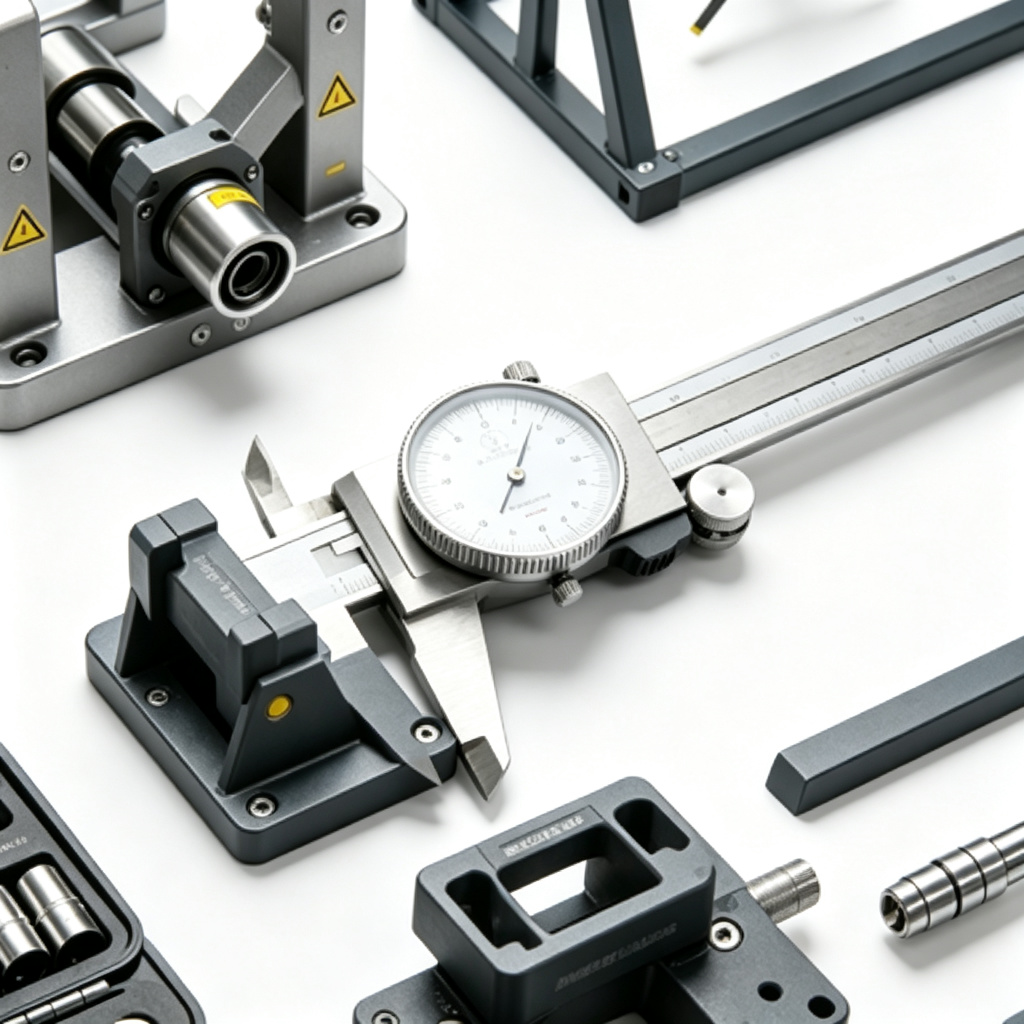
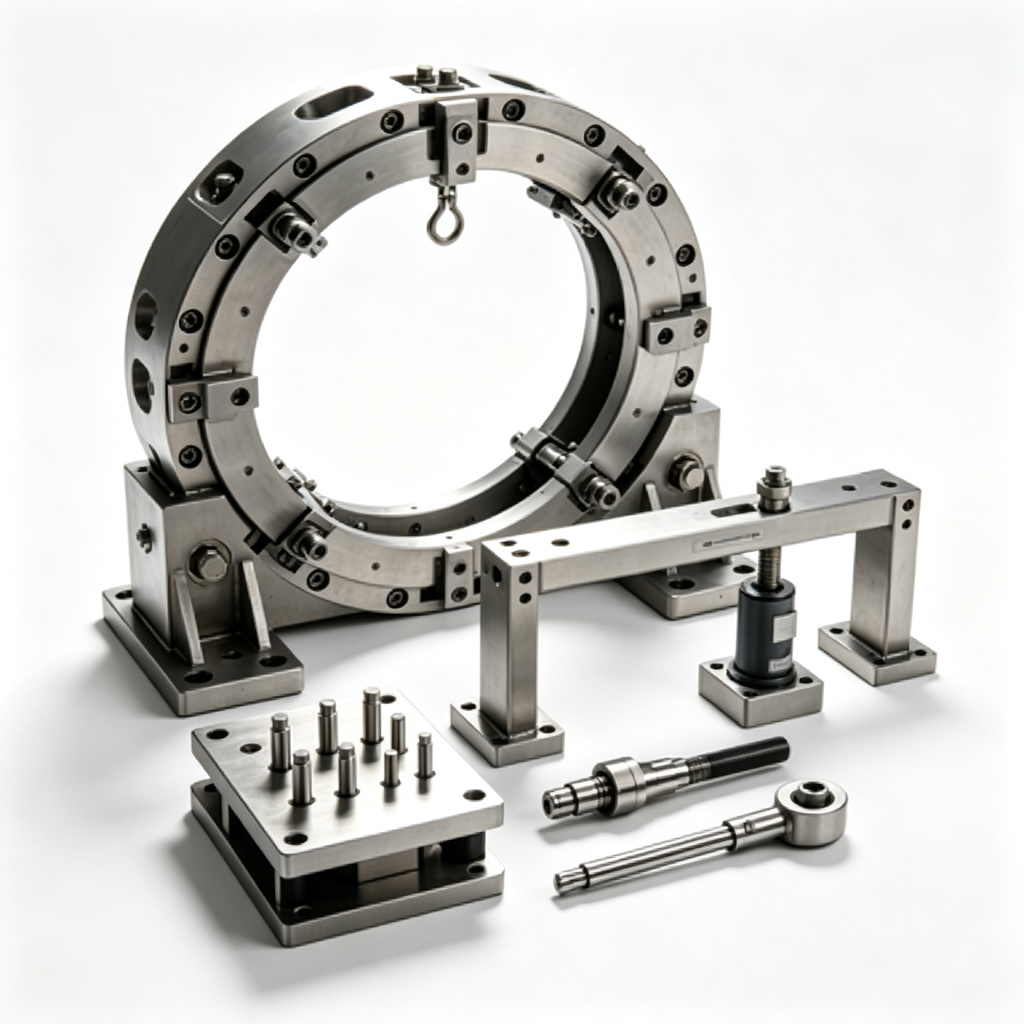
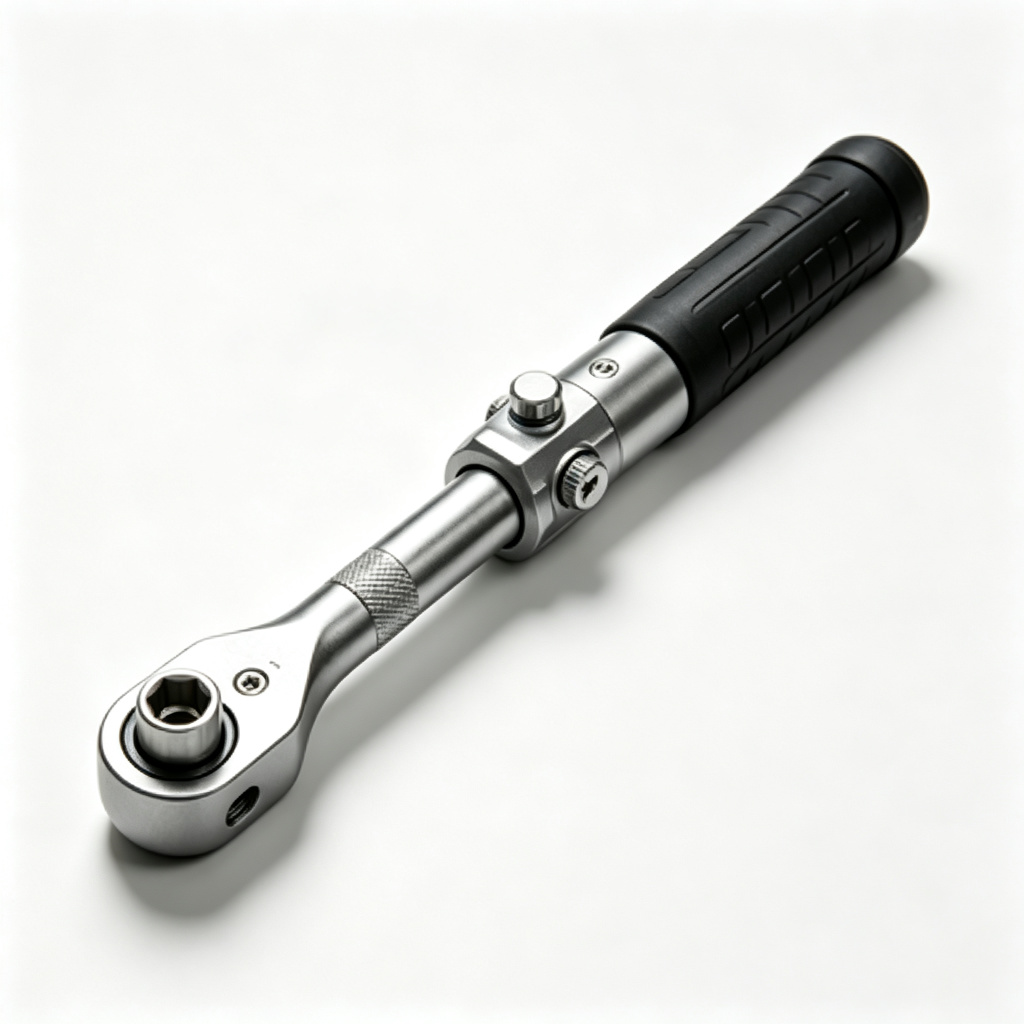
Commercial aircraft tooling represents specialized manufacturing equipment and fixtures designed to support the production, assembly, maintenance, and repair of passenger and cargo aircraft. This essential tooling encompasses a wide range of precision instruments including assembly jigs, drilling fixtures, composite layup molds, inspection gauges, and positioning devices that ensure aircraft components meet exacting aerospace standards. Commercial aircraft tooling plays a critical role throughout the entire aircraft lifecycle, from initial fabrication of airframe structures and wing assemblies to ongoing maintenance operations and component refurbishment. These tools are engineered to handle complex geometries, maintain tight tolerances within microns, and accommodate the unique materials used in modern aviation such as aluminum alloys, titanium, and advanced composite materials. The technological features of commercial aircraft tooling include computer-aided design integration, modular construction for flexibility, and compatibility with automated manufacturing systems. Many tooling solutions incorporate quick-change capabilities, vacuum systems for composite work, and precision alignment mechanisms that reduce setup time while improving accuracy. Applications span across fuselage assembly, engine installation, landing gear maintenance, interior fitting, and structural repair operations. As aircraft manufacturers pursue greater efficiency and airlines demand faster turnaround times, commercial aircraft tooling continues to evolve with innovations in materials, digital monitoring, and ergonomic design that enhance both productivity and worker safety in demanding aerospace environments.


New Products

Investing in quality commercial aircraft tooling delivers substantial operational benefits that directly impact your bottom line and competitive position. These specialized tools dramatically reduce production time by eliminating repetitive measurements and manual positioning, allowing technicians to complete complex assembly tasks with confidence and speed. The precision engineered into commercial aircraft tooling ensures consistent quality across every aircraft unit, minimizing costly rework and reducing scrap rates that can devastate project budgets. For maintenance facilities, properly designed tooling enables faster turnaround times on repairs, which translates to reduced aircraft downtime and improved fleet availability for airline customers. The ergonomic advantages cannot be overstated, as well-designed tooling reduces physical strain on workers, decreases injury rates, and improves overall workforce productivity throughout extended shifts. Commercial aircraft tooling also provides crucial documentation and traceability benefits, helping organizations maintain compliance with stringent aviation regulations and quality management systems required by authorities worldwide. The modularity of modern tooling systems offers exceptional flexibility, allowing manufacturers to adapt quickly to new aircraft variants or design changes without complete tooling replacement, protecting capital investments over time. buyers gain significant cost advantages through reduced labor hours, fewer quality escapes, and extended tool life when selecting durable commercial aircraft tooling built to aerospace standards. These tools prove their value across diverse applications from large-scale production facilities building hundreds of aircraft annually to smaller repair stations servicing regional fleets. The decision to upgrade tooling capabilities represents a strategic investment that enhances competitiveness, supports growth initiatives, and positions organizations to win contracts in an industry where precision and reliability are non-negotiable requirements for success.

Tips And Tricks

Cost-Effective GSE Solutions for Busy Airfields

15

Sep

Cost-Effective GSE Solutions for Busy Airfields

Cut GSE costs by 15–30% without sacrificing safety. Discover preventive maintenance, energy-efficient upgrades & right-sizing strategies. Get your free fleet assessment.
View More
How Plane Engine Sourcing Impacts Fleet Budgets

15

Sep

How Plane Engine Sourcing Impacts Fleet Budgets

How does plane engine sourcing really affect your fleet budget? Discover TCO drivers, spare parts costs, maintenance risks & ROI-optimized strategies. Download the guide.
View More
Precision Engineering for Aerospace Standards

Precision Engineering for Aerospace Standards

Commercial aircraft tooling incorporates unparalleled precision engineering that meets the demanding tolerances required in aerospace manufacturing and maintenance. Every fixture, jig, and assembly tool undergoes rigorous design validation and quality testing to ensure it can repeatedly position components within tolerances often measured in thousandths of an inch. This precision is essential because even minor deviations in aircraft assembly can compromise structural integrity, aerodynamic performance, and passenger safety. The engineering process behind commercial aircraft tooling utilizes advanced CAD modeling, finite element analysis, and prototype testing to verify that tools will perform reliably under production conditions. Materials selection focuses on stability and durability, with tool bodies constructed from heat-treated aluminum, steel alloys, and composite materials that resist warping and wear over thousands of cycles. Precision alignment features such as hardened bushings, adjustable locators, and laser-verified reference points ensure that every use of the tooling produces identical results. This consistency eliminates variation between aircraft units and supports lean manufacturing principles by reducing inspection time and quality control interventions. For maintenance operations, precision tooling ensures that replacement components fit perfectly, maintaining the original equipment manufacturer specifications that are critical for airworthiness certification and long-term aircraft reliability.
Accelerated Production and Maintenance Cycles

Accelerated Production and Maintenance Cycles

Commercial aircraft tooling fundamentally transforms production efficiency by streamlining workflows and eliminating time-consuming manual processes that slow aircraft completion. Purpose-built assembly fixtures allow multiple technicians to work simultaneously on different sections of an airframe, dramatically compressing build schedules compared to traditional sequential methods. Quick-change tooling systems enable rapid reconfiguration between different aircraft models or variants, maximizing facility utilization and reducing idle time between production runs. In maintenance environments, specialized commercial aircraft tooling cuts repair times significantly by providing immediate access to components, proper support during disassembly, and accurate positioning during reinstallation. The time savings compound across an entire aircraft program, with production facilities reporting cycle time reductions of twenty to forty percent when transitioning from generic tooling to optimized commercial aircraft tooling solutions. These efficiency gains translate directly to cost savings through reduced labor hours, lower overhead allocation per unit, and faster revenue recognition as completed aircraft reach delivery milestones sooner. Airlines and maintenance providers benefit from shortened aircraft-on-ground periods, which improves fleet availability and revenue-generating flight hours. The competitive advantage gained through faster production or maintenance turnaround enables organizations to accept more contracts, satisfy customer delivery expectations, and respond more effectively to market opportunities in the dynamic aerospace sector.
Modular Adaptability for Future Requirements

Modular Adaptability for Future Requirements

Modern commercial aircraft tooling embraces modular design principles that provide exceptional adaptability to evolving aircraft designs and changing production requirements. Unlike traditional fixed tooling that becomes obsolete with each new aircraft variant, modular systems feature interchangeable components, adjustable positioning elements, and reconfigurable base structures that accommodate design changes without complete replacement. This adaptability protects capital investments by extending tooling useful life across multiple aircraft programs and derivative models that share common structural elements. Manufacturers can respond quickly to engineering changes by swapping specific tooling modules rather than waiting months for entirely new fixtures, maintaining production momentum during aircraft development phases. The modular approach also supports mixed-model production, where facilities build different aircraft types on the same assembly line by quickly reconfiguring commercial aircraft tooling between production runs. This flexibility is increasingly valuable as the aerospace industry moves toward more customized aircraft configurations and shorter production runs for specialized variants. For smaller organizations, modular commercial aircraft tooling reduces the initial capital barrier to entry by allowing incremental investment in tooling capabilities as business volume grows. The standardization inherent in modular systems also simplifies training, as technicians learn a common set of tooling principles applicable across multiple applications, reducing the learning curve when introducing new aircraft programs or expanding operational capabilities into adjacent market segments.