Aircraft Structural Repair Tooling Solutions

application/aircraft-structural-repair-tooling, application/aircraft-structural-repair-tooling, 
Inquiry
Inquiry

aircraft structural repair tooling

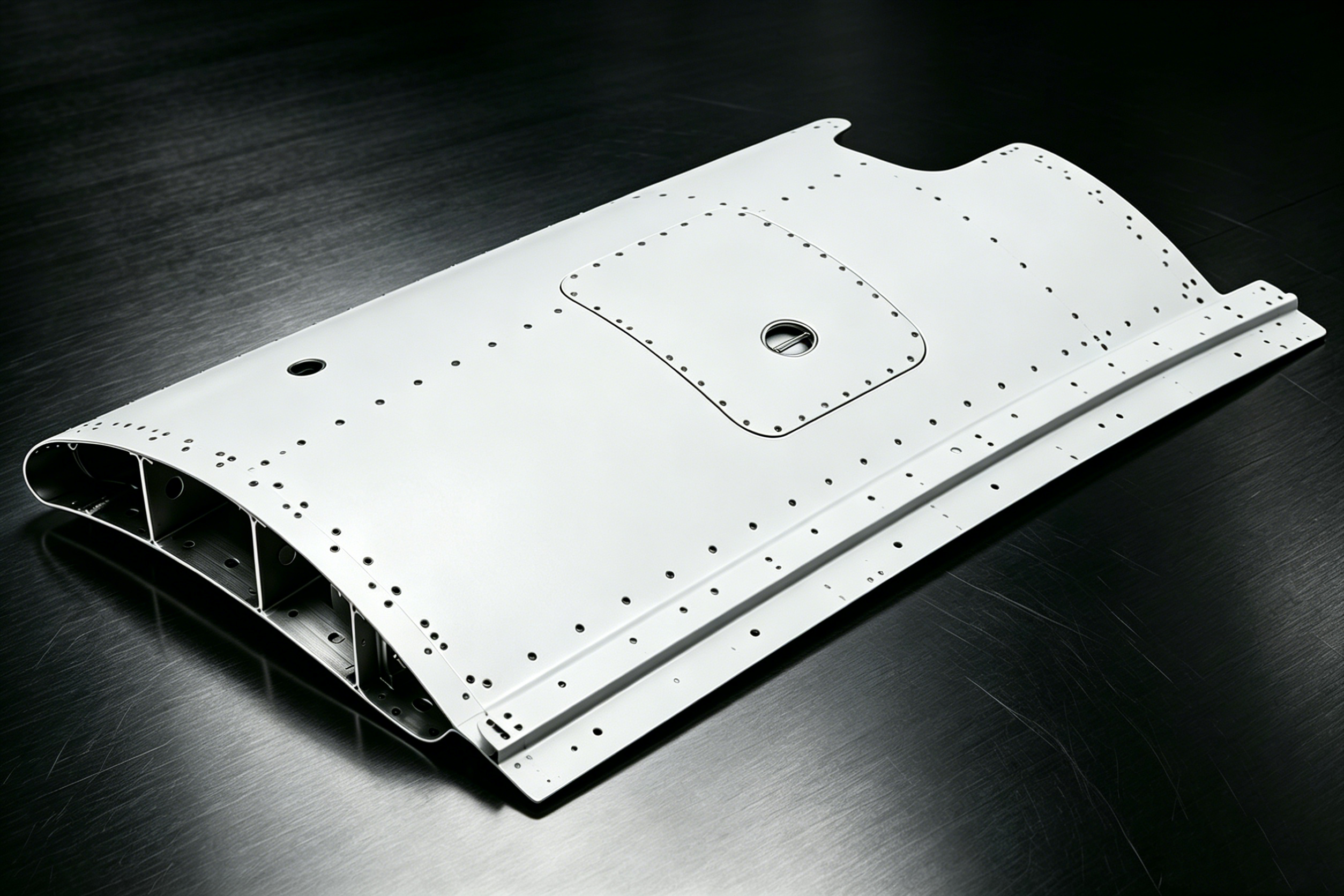
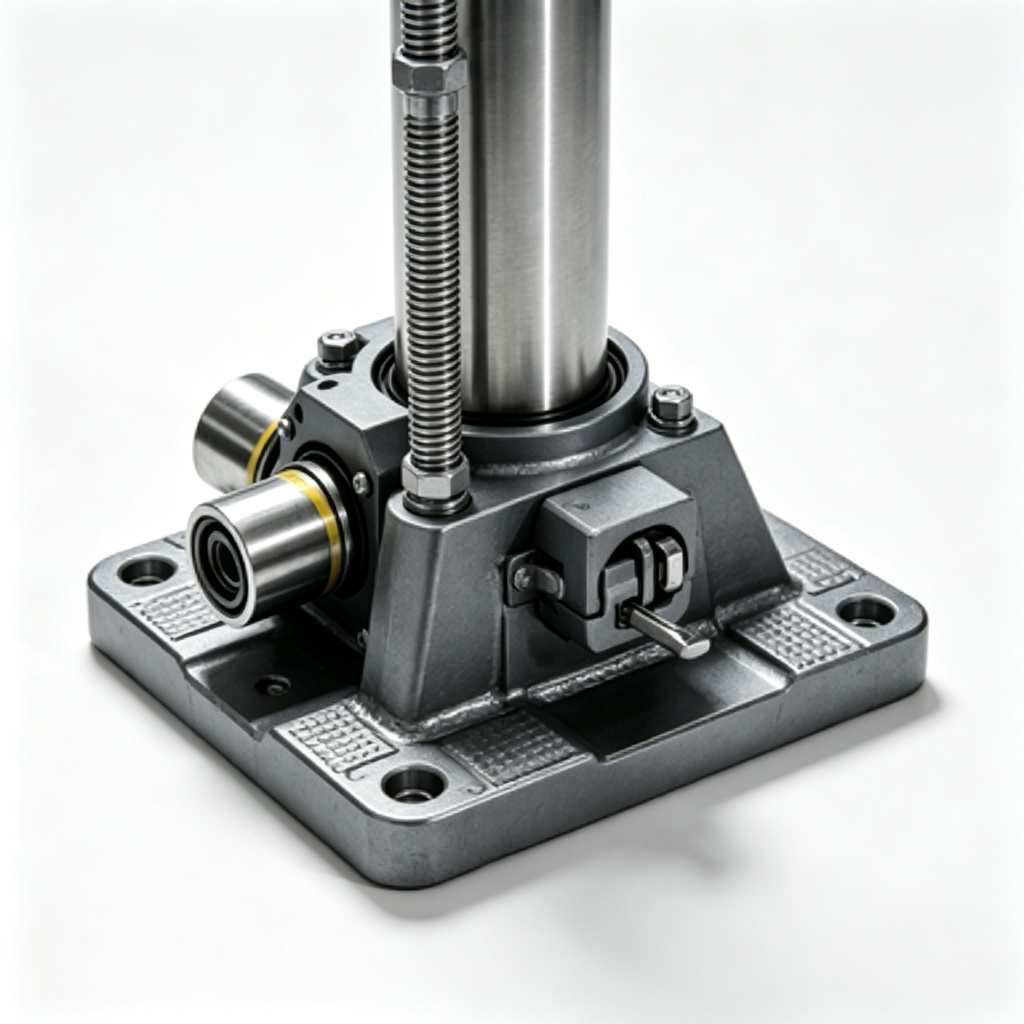
Aircraft structural repair tooling encompasses a comprehensive range of specialized equipment and devices designed to restore and maintain the structural integrity of aircraft components. This essential tooling enables maintenance technicians and engineers to perform precise repairs on damaged airframes, fuselages, wings, and other critical structural elements. The main functions include drilling, fastening, bonding, forming, and alignment of aircraft materials such as aluminum alloys, composite materials, and titanium. Aircraft structural repair tooling incorporates advanced technological features like ergonomic designs that reduce operator fatigue, precision-engineered components that ensure accurate hole placement and fastener installation, and lightweight construction that facilitates maneuverability in confined spaces. Many modern tooling systems feature quick-change capabilities, allowing technicians to switch between different repair operations efficiently. The applications span across commercial aviation, military aircraft maintenance, helicopter servicing, and general aviation repair facilities. These tools are indispensable in both scheduled maintenance programs and unscheduled repair scenarios, ranging from minor cosmetic fixes to major structural restoration projects. Aircraft structural repair tooling must comply with stringent aviation regulations and manufacturer specifications to ensure that all repairs meet safety standards. The tooling supports various repair techniques including rivet installation, fastener removal, surface preparation, and composite patching, making it an integral component of any professional aircraft maintenance operation.


New Products

Investing in quality aircraft structural repair tooling delivers substantial operational benefits that directly impact your bottom line and service capabilities. First, these specialized tools significantly reduce repair time by enabling technicians to complete tasks with greater speed and accuracy, which translates to reduced aircraft downtime and improved fleet availability. This efficiency gain means you can service more aircraft within the same timeframe, increasing revenue potential while meeting tight maintenance schedules. The precision engineering inherent in professional repair tooling minimizes the risk of costly errors and rework, ensuring that repairs meet exact specifications the first time. This reliability protects your reputation and helps maintain compliance with aviation authorities, avoiding expensive penalties or recertification requirements. From a safety perspective, using appropriate aircraft structural repair tooling ensures that all structural repairs maintain the aircraft's original strength and integrity, protecting passengers, crew, and assets. The durability of professional-grade tooling provides long-term value, as these tools withstand demanding workshop environments and frequent use without degradation in performance. Ergonomic designs reduce operator fatigue and the risk of workplace injuries, contributing to a healthier workforce and lower insurance costs. The versatility of comprehensive tooling sets allows your facility to handle diverse repair scenarios without outsourcing specialized work, keeping projects in-house and maintaining control over quality and timelines. Modern aircraft structural repair tooling often features compatibility with multiple aircraft types and models, maximizing your investment by serving a broader range of maintenance needs. These practical advantages combine to create a compelling value proposition for maintenance facilities seeking to optimize operations, enhance service quality, and maintain competitive positioning in the aviation maintenance market.

Practical Tips

Sourcing Certified Aerospace Tools with Ease

15

Sep

Sourcing Certified Aerospace Tools with Ease

Struggling with FAA/EASA-compliant tool procurement? Discover how to source certified aerospace tools fast. Download the full guide now.
View More
Key Steps to Evaluate Used Plane Engine Materials

14

Sep

Key Steps to Evaluate Used Plane Engine Materials

How to properly evaluate used plane engine materials for airworthiness, safety & compliance. Avoid costly failures—get the expert 10-step inspection protocol now.
View More
Sourcing Traceable APU Spare Parts Efficiently

14

Sep

Sourcing Traceable APU Spare Parts Efficiently

Struggling with APU part delays and audit risks? Discover how to source traceable APU spare parts efficiently while ensuring FAA/EASA compliance. Get actionable steps now.
View More
Cost-Effective APU Procurement for Multi-Fleets

15

Sep

Cost-Effective APU Procurement for Multi-Fleets

Struggling with rising APU costs across diverse fleets? Discover proven strategies to cut TCO by 30%+ through standardization Download the guide.
View More
Precision Engineering for Critical Repairs

Precision Engineering for Critical Repairs

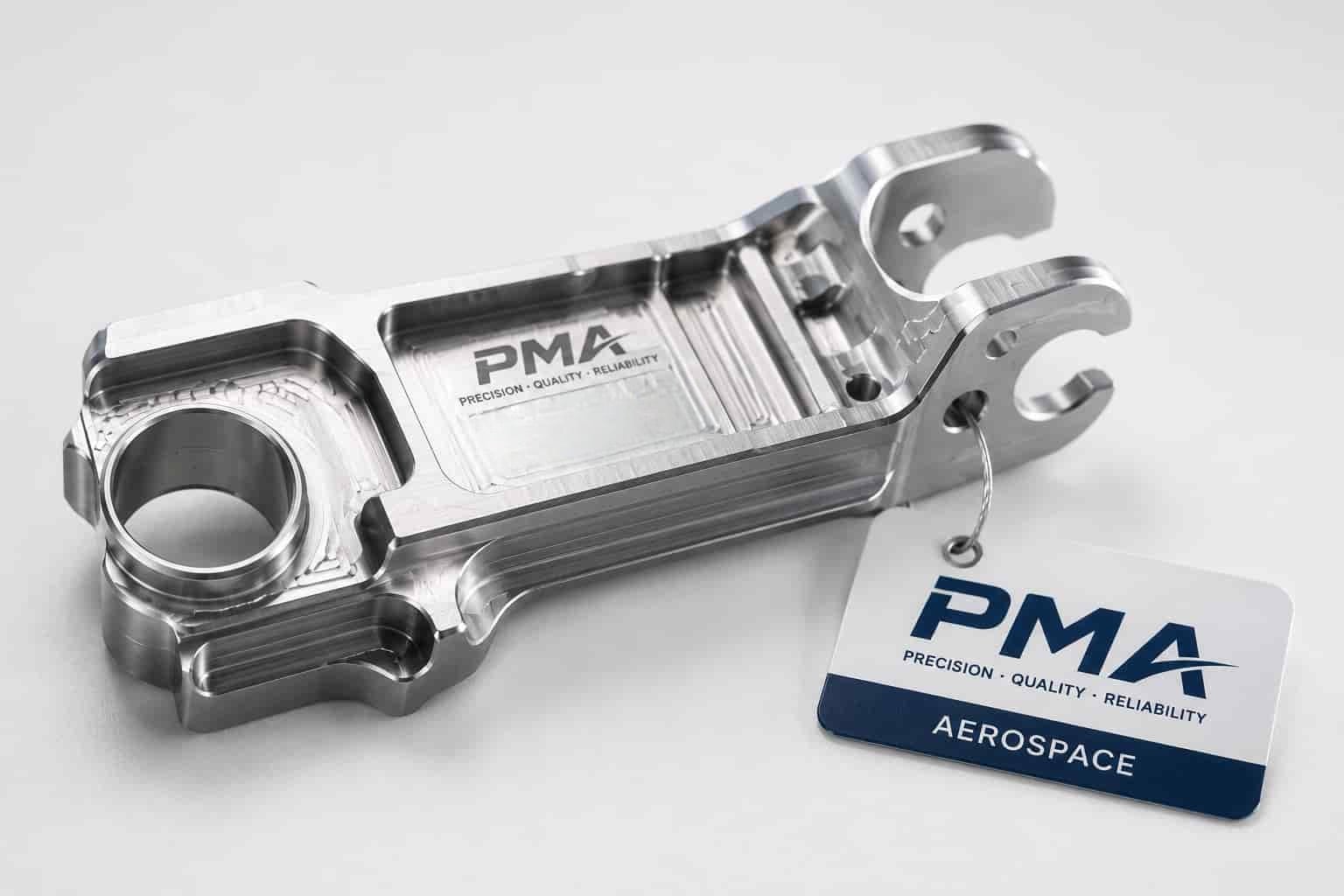
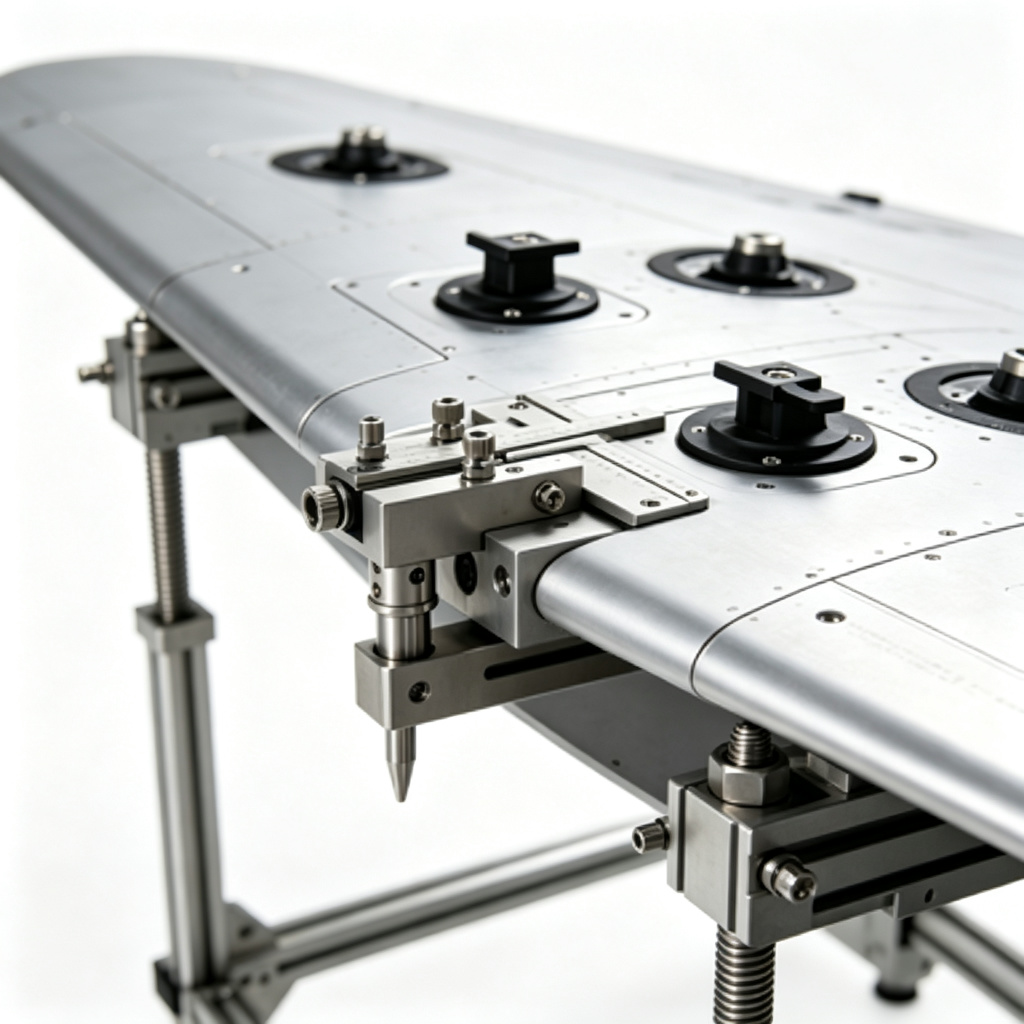
Aircraft structural repair tooling features precision-engineered components that deliver the exacting accuracy required for aviation maintenance standards. Every hole drilled, every fastener installed, and every alignment performed must meet tolerances measured in thousandths of an inch to ensure structural integrity and flight safety. This precision is achieved through manufacturing processes that incorporate aerospace-grade materials, computer-controlled machining, and rigorous quality testing. The tooling includes calibrated depth stops, precisely machined bushings, and alignment guides that eliminate guesswork and human error from the repair process. This level of accuracy is particularly crucial when working with modern composite materials, where improper drilling techniques can cause delamination or hidden damage that compromises structural strength. Professional aircraft structural repair tooling ensures that every repair meets or exceeds original equipment manufacturer specifications, providing documentation and traceability that aviation regulators require. The precision capabilities allow technicians to work confidently on both legacy aircraft and next-generation models, adapting to evolving materials and construction techniques while maintaining consistent quality standards across all repair operations.
Enhanced Productivity and Time Efficiency

Enhanced Productivity and Time Efficiency

Modern aircraft structural repair tooling dramatically improves productivity through intelligent design features that streamline repair workflows and reduce completion times. Quick-change tooling systems allow technicians to transition between different operations without lengthy setup procedures, keeping projects moving forward efficiently. Lightweight construction and balanced weight distribution enable technicians to work for extended periods without fatigue, maintaining consistent quality throughout long repair sessions. Many tooling systems incorporate multiple functions into single devices, eliminating the need to constantly switch between separate tools and reducing the time spent searching for the right equipment. The ergonomic design considerations built into professional aircraft structural repair tooling minimize awkward positioning and repetitive strain, allowing technicians to access difficult areas while maintaining proper technique. Time savings extend beyond the immediate repair task, as quality tooling produces reliable results that pass inspection the first time, avoiding costly rework cycles that delay aircraft return to service. The cumulative effect of these efficiency improvements translates to measurably shorter turnaround times, enabling maintenance facilities to increase throughput without sacrificing quality or safety standards, ultimately delivering better service to customers while optimizing resource utilization.
Comprehensive Versatility Across Applications

Comprehensive Versatility Across Applications

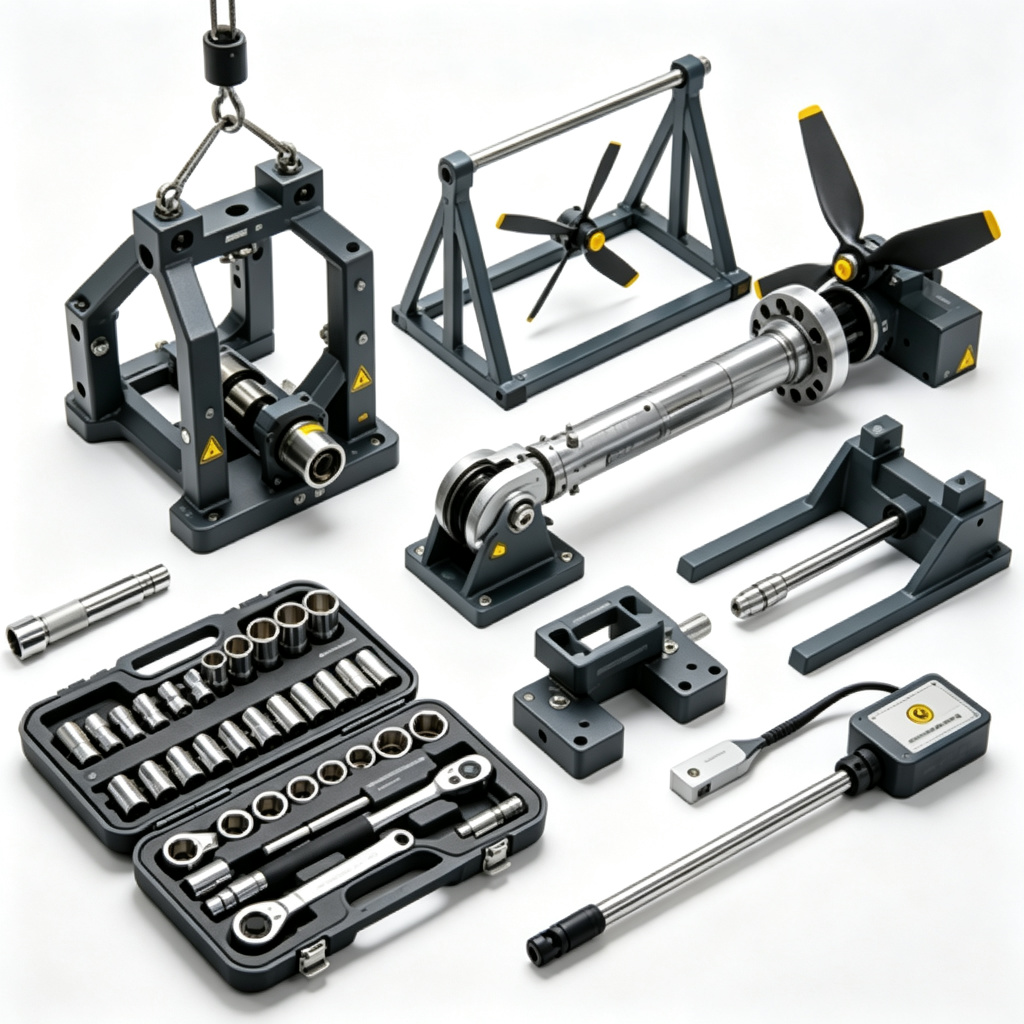
Aircraft structural repair tooling provides exceptional versatility that enables maintenance facilities to address diverse repair scenarios across multiple aircraft types and structural challenges. Modular tooling systems adapt to various repair situations through interchangeable components, allowing a single tool platform to serve numerous functions rather than requiring separate specialized equipment for each task. This adaptability extends across different materials, from traditional aluminum alloys to advanced carbon fiber composites and titanium structures found in modern aircraft construction. The tooling accommodates repairs ranging from minor skin damage to major structural restoration, providing the flexibility needed to handle both routine maintenance and emergency repairs. Professional aircraft structural repair tooling supports multiple repair techniques including mechanical fastening, adhesive bonding, and hybrid approaches that combine different joining methods for optimal results. This comprehensive capability allows maintenance organizations to consolidate their tooling inventory, reducing storage requirements and capital investment while ensuring they possess the equipment necessary for any repair challenge. The versatility also future-proofs your investment, as quality tooling systems can adapt to evolving aircraft designs and emerging repair methodologies, ensuring continued relevance as aviation technology advances and fleet compositions change over time.