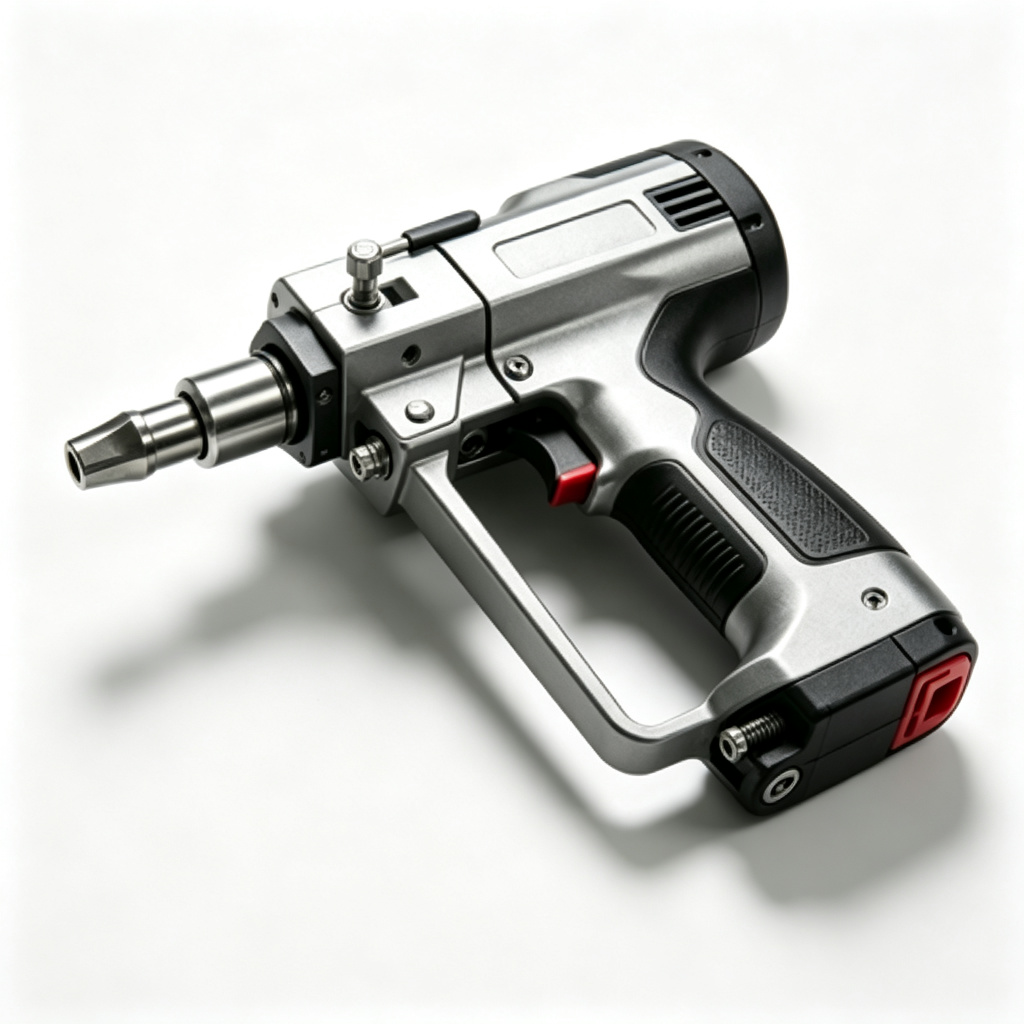
Aviation Engine Maintenance Tooling Solutions

application/aviation-engine-maintenance-tooling, application/aviation-engine-maintenance-tooling, 
Inquiry
Inquiry

aviation engine maintenance tooling

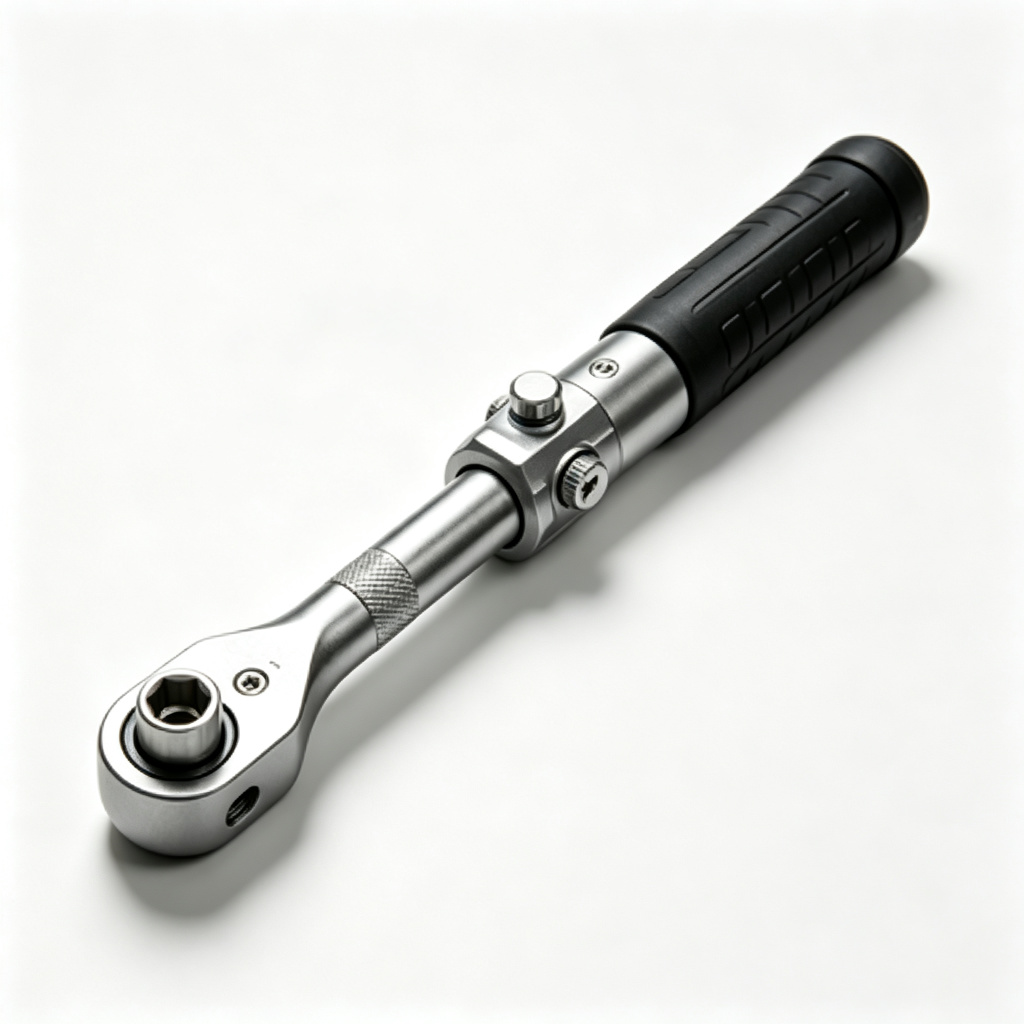
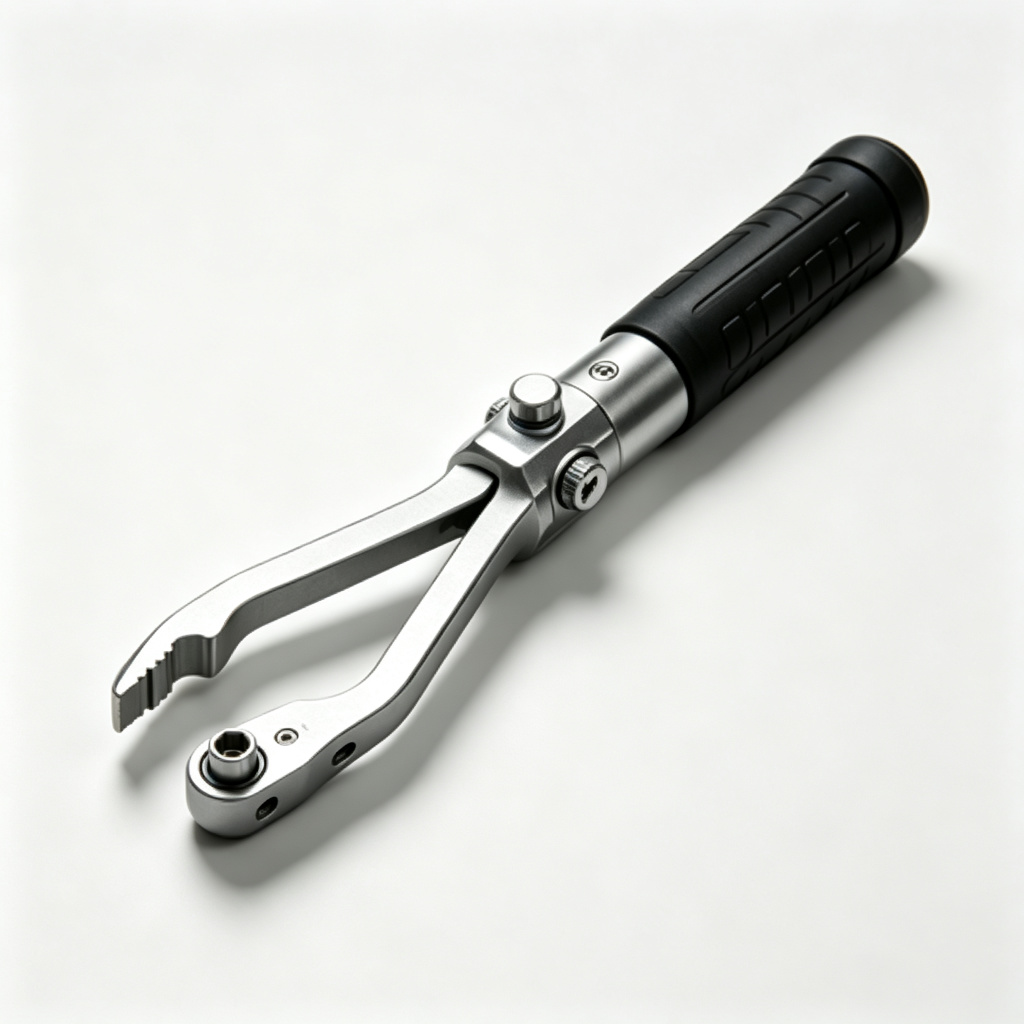
Aviation engine maintenance tooling encompasses a comprehensive range of specialized equipment and instruments designed to support the inspection, repair, overhaul, and servicing of aircraft engines. This essential tooling includes precision measuring devices, torque wrenches, borescopes, engine stand systems, lifting equipment, and specialized hand tools engineered to meet the stringent requirements of aerospace maintenance operations. The primary functions of aviation engine maintenance tooling involve facilitating safe engine disassembly and reassembly, enabling accurate diagnostic procedures, ensuring proper component alignment, and maintaining compliance with manufacturer specifications and regulatory standards. Technological features include corrosion-resistant materials, calibrated precision mechanisms, ergonomic designs that reduce technician fatigue, and compatibility with both legacy and modern engine platforms. Many tooling solutions incorporate digital measurement capabilities, providing real-time data collection and traceability for quality assurance purposes. Applications span commercial aviation, military aircraft operations, helicopter maintenance facilities, and general aviation service centers. The aviation engine maintenance tooling serves critical roles in scheduled maintenance intervals, unscheduled repairs, condition-based monitoring programs, and major overhaul operations. Advanced tooling systems support complex procedures such as blade blending, combustion chamber inspection, turbine section maintenance, and accessory component servicing. The proper selection and utilization of aviation engine maintenance tooling directly impacts maintenance turnaround times, work quality, safety outcomes, and operational costs. As engine technologies evolve with increasing complexity, the corresponding tooling must advance to address new materials, tighter tolerances, and sophisticated diagnostic requirements while maintaining backward compatibility with existing engine fleets.


Popular Products

Investing in quality aviation engine maintenance tooling delivers substantial practical benefits that directly impact your operational efficiency and bottom line. First, these specialized tools significantly reduce maintenance turnaround time by enabling technicians to work faster and more accurately, which means less aircraft downtime and improved fleet availability for revenue-generating flights. The precision engineering inherent in professional-grade tooling minimizes the risk of component damage during maintenance procedures, preventing costly part replacements and potential safety incidents that could ground your aircraft. Using purpose-built aviation engine maintenance tooling enhances worker safety by providing ergonomic solutions that reduce physical strain and eliminate improvised methods that pose injury risks. The calibrated accuracy of specialized measuring instruments ensures compliance with manufacturer tolerances, which protects warranty coverage and maintains airworthiness certification without complications during regulatory inspections. Operators benefit from reduced long-term costs because quality tooling withstands the demanding aviation environment, offering extended service life compared to general-purpose alternatives that require frequent replacement. The aviation engine maintenance tooling enables your maintenance team to perform a wider range of procedures in-house rather than outsourcing to specialized facilities, giving you greater control over scheduling and quality while reducing third-party service expenses. Standardized tooling across your maintenance operation improves consistency in work quality regardless of which technician performs the task, creating predictable outcomes and reducing variability in engine performance after maintenance. Additionally, comprehensive tooling capabilities position your organization to service multiple engine types and expand your maintenance offerings, creating new revenue opportunities or reducing dependency on external providers. The documentation and traceability features of modern aviation engine maintenance tooling support your quality management system, simplifying audit processes and demonstrating due diligence to regulators and insurance providers while building customer confidence in your maintenance standards.

Practical Tips

Cost-Effective GSE Solutions for Busy Airfields

15

Sep

Cost-Effective GSE Solutions for Busy Airfields

Cut GSE costs by 15–30% without sacrificing safety. Discover preventive maintenance, energy-efficient upgrades & right-sizing strategies. Get your free fleet assessment.
View More
Key Steps to Evaluate Used Plane Engine Materials

14

Sep

Key Steps to Evaluate Used Plane Engine Materials

How to properly evaluate used plane engine materials for airworthiness, safety & compliance. Avoid costly failures—get the expert 10-step inspection protocol now.
View More
Sourcing Traceable APU Spare Parts Efficiently

14

Sep

Sourcing Traceable APU Spare Parts Efficiently

Struggling with APU part delays and audit risks? Discover how to source traceable APU spare parts efficiently while ensuring FAA/EASA compliance. Get actionable steps now.
View More
Essential Avio Procurement Advice for Operators

15

Sep

Essential Avio Procurement Advice for Operators

Struggling with aircraft downtime or compliance risks? This essential avio procurement guide helps operators optimize sourcing. Download your strategy blueprint now.
View More
Precision Engineering for Critical Tolerances

Precision Engineering for Critical Tolerances

Aviation engine maintenance tooling incorporates extraordinary precision engineering that addresses the microscopic tolerances required in modern turbine engine maintenance. Engine components operate under extreme conditions with clearances measured in thousandths of an inch, and even minor deviations can result in catastrophic failures or significant performance degradation. Professional tooling features calibrated measurement systems that provide accuracy traceable to national standards, ensuring every dimension meets exact specifications. Specialized fixtures maintain component alignment during assembly procedures, preventing misalignment that could cause vibration, premature wear, or mechanical failure. The materials used in aviation engine maintenance tooling resist thermal expansion and corrosion, maintaining dimensional stability across varying workshop conditions and throughout extended service life. Torque-limiting mechanisms prevent over-tightening that could strip threads or crack housings, while also ensuring adequate preload for safety-critical fasteners. This precision capability translates directly into reliable engine performance, extended component life, and reduced in-service failures that could compromise safety or trigger expensive unscheduled maintenance events. Organizations using properly calibrated aviation engine maintenance tooling demonstrate measurable improvements in first-time quality rates and significant reductions in repeat maintenance actions caused by improper assembly or measurement errors.
Comprehensive Diagnostic Capabilities

Comprehensive Diagnostic Capabilities

Modern aviation engine maintenance tooling provides comprehensive diagnostic capabilities that enable maintenance teams to accurately assess engine condition and identify developing problems before they cause operational disruptions. Advanced borescope systems allow visual inspection of internal engine components without complete disassembly, dramatically reducing inspection time while providing detailed imagery of combustion chambers, turbine blades, and other critical areas. Vibration analysis equipment integrated into specialized tooling detects imbalances and bearing deterioration that indicate impending failures, supporting condition-based maintenance strategies that optimize component replacement timing. Leak detection tools quickly identify seal degradation and crack formation, preventing oil loss and contamination issues that could escalate into major problems. Digital measurement devices with data logging capabilities create permanent records of component dimensions throughout their service life, enabling trend analysis that predicts wear patterns and supports fleet-wide reliability improvements. The diagnostic features of aviation engine maintenance tooling empower maintenance decision-makers with objective data rather than subjective assessments, reducing unnecessary part replacements while catching genuine problems early. This capability proves especially valuable for operators managing aging fleets where proactive condition monitoring extends engine life and prevents unexpected failures that disrupt schedules and disappoint customers.
Regulatory Compliance and Documentation Support

Regulatory Compliance and Documentation Support

Aviation engine maintenance tooling plays an essential role in maintaining regulatory compliance and providing the documentation required by aviation authorities worldwide. Regulatory agencies mandate specific procedures, torque values, and measurement standards for engine maintenance, and using approved tooling demonstrates adherence to these requirements during inspections and audits. Calibrated tools with current certification documentation provide verifiable proof that maintenance work meets airworthiness standards, protecting operating certificates and avoiding enforcement actions that could suspend operations. Many modern aviation engine maintenance tooling systems incorporate digital recording capabilities that automatically capture critical parameters such as torque values, measurement readings, and procedural completion, creating an auditable trail that satisfies regulatory traceability requirements. This documentation capability significantly reduces the administrative burden on maintenance personnel while eliminating transcription errors that occur with manual record-keeping. Insurance providers and lessors increasingly require evidence of proper tooling usage and calibration as conditions for coverage and lease agreements, making quality aviation engine maintenance tooling a business necessity beyond regulatory compliance. The standardization provided by manufacturer-approved tooling ensures consistency across shifts and technicians, creating defendable maintenance practices that withstand scrutiny during incident investigations. Organizations investing in compliant aviation engine maintenance tooling avoid costly findings during audits and position themselves as quality operators in an industry where reputation directly influences customer confidence and competitive success.