Aircraft Motor: Power, Performance & Reliability

application/aircraft-motor, application/aircraft-motor, 
Inquiry
Inquiry

aircraft motor

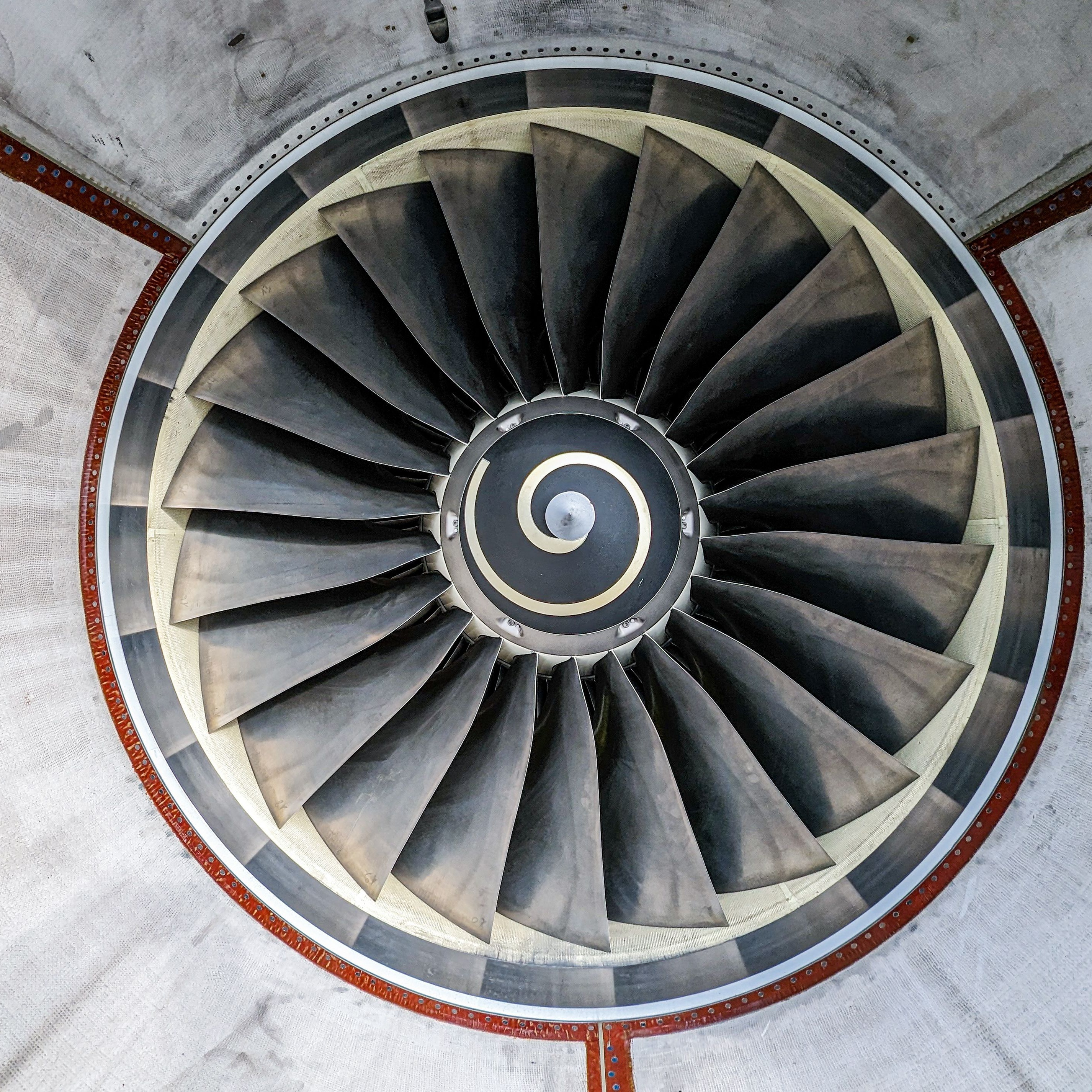
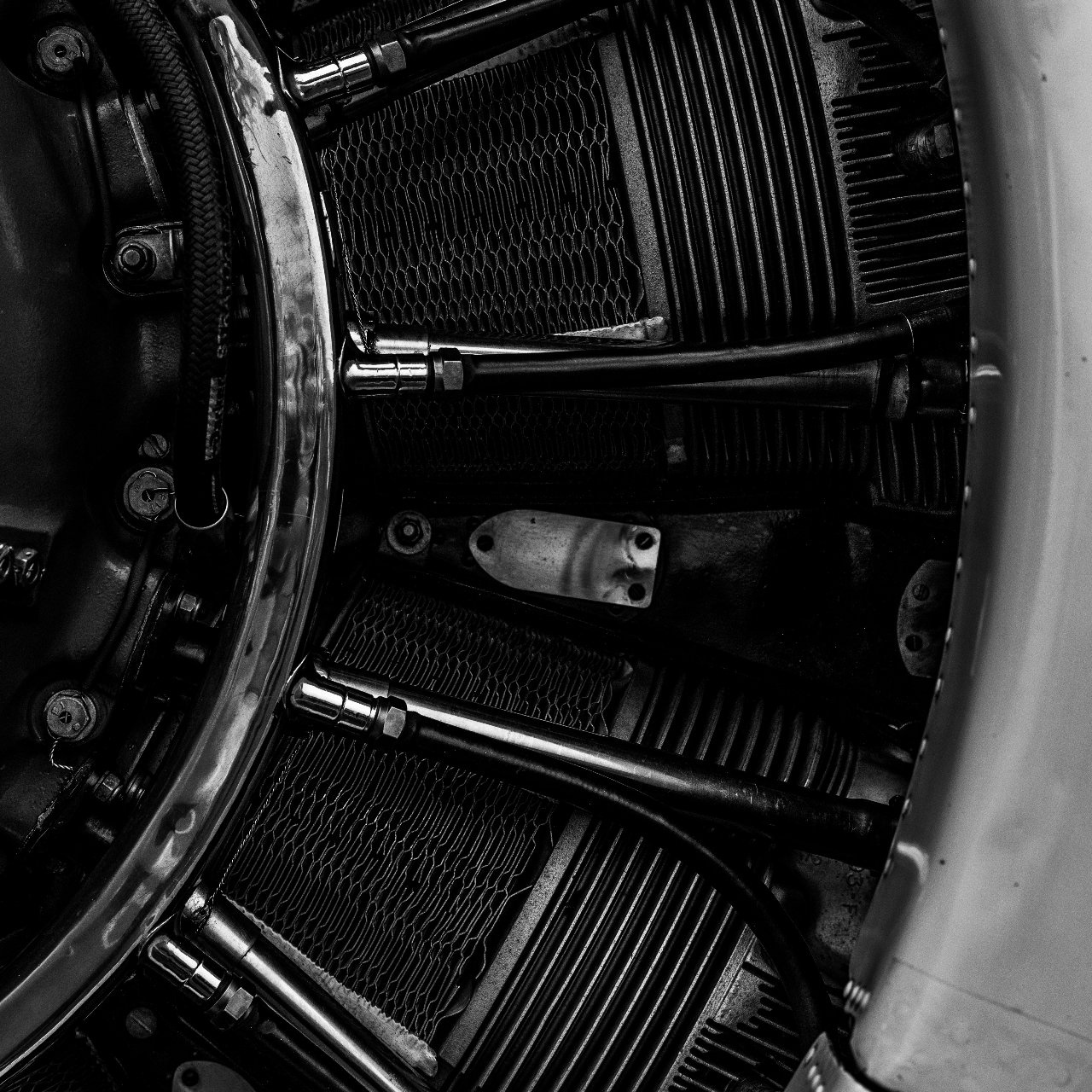
An aircraft motor serves as the powerhouse that propels planes through the sky, converting fuel or electrical energy into mechanical force to drive propellers or generate thrust. This critical component represents the heart of any flying machine, whether powering small private planes, commercial airliners, or military jets. Modern aircraft motors combine precision engineering with advanced materials to deliver reliable performance under extreme conditions, including high altitudes, temperature variations, and demanding operational cycles. The aircraft motor encompasses various types, including piston engines for smaller aircraft, turboprop systems for regional carriers, and turbofan designs for larger commercial aviation. Each configuration offers distinct performance characteristics tailored to specific flight requirements. These motors incorporate sophisticated fuel management systems, electronic ignition controls, and thermal regulation mechanisms to optimize efficiency and safety. The technological advancement in aircraft motor design has revolutionized aviation, enabling longer flight ranges, improved fuel economy, and reduced environmental impact. Manufacturers continuously refine these systems to meet stringent aviation standards while incorporating lightweight alloys, ceramic components, and digital monitoring systems. Understanding the aircraft motor fundamentals helps operators make informed decisions about aircraft selection, maintenance schedules, and operational planning. Whether for commercial transport, cargo operations, military missions, or recreational flying, the aircraft motor remains the defining element that determines performance capabilities, operational costs, and mission success.


New Product Releases

Choosing the right aircraft motor delivers substantial benefits that directly impact your operational success and financial performance. These power systems provide exceptional reliability, ensuring consistent performance across thousands of flight hours with minimal unscheduled maintenance. This dependability translates to reduced downtime, fewer cancelled flights, and enhanced customer satisfaction for commercial operators. The fuel efficiency of modern aircraft motor designs significantly lowers operating costs, allowing you to maximize profitability on every route while reducing environmental footprint through decreased emissions. Advanced aircraft motor technology offers superior power-to-weight ratios, enabling aircraft to carry heavier payloads, accommodate more passengers, or extend flight range without compromising safety margins. You gain operational flexibility through engines designed for various mission profiles, from short regional hops to transcontinental journeys. The modular construction of contemporary aircraft motor systems simplifies maintenance procedures, reducing service time and associated labor costs while extending component lifespan through predictive monitoring capabilities. Built-in diagnostic systems provide real-time performance data, alerting operators to potential issues before they become critical failures, thereby enhancing safety and preventing costly emergency repairs. These motors withstand harsh environmental conditions, from arctic cold to desert heat, ensuring reliable operation regardless of geographic location. The standardization of aircraft motor designs across fleets streamlines parts inventory, reduces training requirements for maintenance crews, and improves parts availability worldwide. Investment in proven aircraft motor technology protects your assets through established support networks, comprehensive warranty programs, and long-term manufacturer commitment to spare parts availability, making it a sound financial decision for operators planning decades of service.

Latest News

Why Traceable Tools Are Vital for Compliance

15

Sep

Why Traceable Tools Are Vital for Compliance

Why traceable tools are non-negotiable for audit readiness, legal protection, and operational excellence.
View More
Cost-Effective Procurement Strategies for Tools

15

Sep

Cost-Effective Procurement Strategies for Tools

Cut tool costs by 15–25% with proven procurement strategies: TCO analysis, supplier consolidation, preventive maintenance & tech-enabled management. Optimize value—start now.
View More
Essential Avio Procurement Advice for Operators

15

Sep

Essential Avio Procurement Advice for Operators

Struggling with aircraft downtime or compliance risks? This essential avio procurement guide helps operators optimize sourcing. Download your strategy blueprint now.
View More
Superior Thermal Management Technology

Superior Thermal Management Technology

The aircraft motor incorporates advanced thermal management systems that maintain optimal operating temperatures across all flight phases, from takeoff to cruise and descent. This sophisticated cooling architecture utilizes multiple heat exchangers, precision-controlled airflow channels, and temperature sensors that continuously monitor critical components. The thermal regulation prevents overheating during high-power operations while ensuring engines reach ideal operating temperatures quickly during startup, reducing wear and extending component life. Special heat-resistant alloys and ceramic coatings protect internal parts from thermal stress, while oil cooling systems maintain lubrication effectiveness under extreme conditions. This comprehensive temperature control enhances performance consistency, improves fuel combustion efficiency, and reduces maintenance requirements by preventing heat-related component degradation. Pilots benefit from stable power output regardless of ambient conditions, while operators enjoy extended time between overhauls and lower lifecycle costs through reduced thermal fatigue on engine parts.
Integrated Digital Engine Control Systems

Integrated Digital Engine Control Systems

Modern aircraft motor designs feature fully integrated digital engine control systems that optimize performance automatically throughout every flight. These computerized management platforms continuously adjust fuel flow, air mixture, ignition timing, and throttle response based on altitude, airspeed, temperature, and pilot inputs. The digital controls eliminate the need for manual mixture adjustments, reducing pilot workload while ensuring optimal combustion efficiency at all operating conditions. Real-time diagnostic capabilities monitor hundreds of parameters simultaneously, detecting anomalies before they affect performance and alerting maintenance teams to required service actions. This proactive monitoring prevents unexpected failures and enables condition-based maintenance scheduling rather than fixed-interval servicing. The system stores operational data for post-flight analysis, helping operators identify efficiency improvements and optimize flight procedures. Automated engine start sequences, anti-ice protection, and emergency power modes enhance safety while simplifying aircraft operation for pilots of varying experience levels.
Exceptional Durability and Service Life

Exceptional Durability and Service Life

The aircraft motor achieves remarkable longevity through precision manufacturing, premium materials, and rigorous quality control processes that ensure consistent performance over extended operational periods. Engine blocks crafted from aerospace-grade aluminum alloys provide strength without excessive weight, while cylinder assemblies utilize hardened steel and specialized surface treatments to resist wear from constant piston movement. Crankshafts undergo precision balancing and stress-relief procedures, creating components capable of millions of rotational cycles without failure. Bearing surfaces receive advanced coatings that minimize friction and resist corrosion from combustion byproducts and environmental exposure. Comprehensive testing during development subjects each aircraft motor design to conditions exceeding normal operational limits, validating reliability before entering service. This engineering excellence results in time-between-overhaul intervals extending thousands of hours, reducing ownership costs and maximizing aircraft availability. Manufacturers support these durable engines with extensive parts networks and technical assistance, ensuring operators can maintain peak performance throughout decades of service while preserving residual value for future resale or upgrade opportunities.