Airplane Motor: Performance & Reliability Guide

application/airplane-motor, application/airplane-motor, 
Inquiry
Inquiry

airplane motor

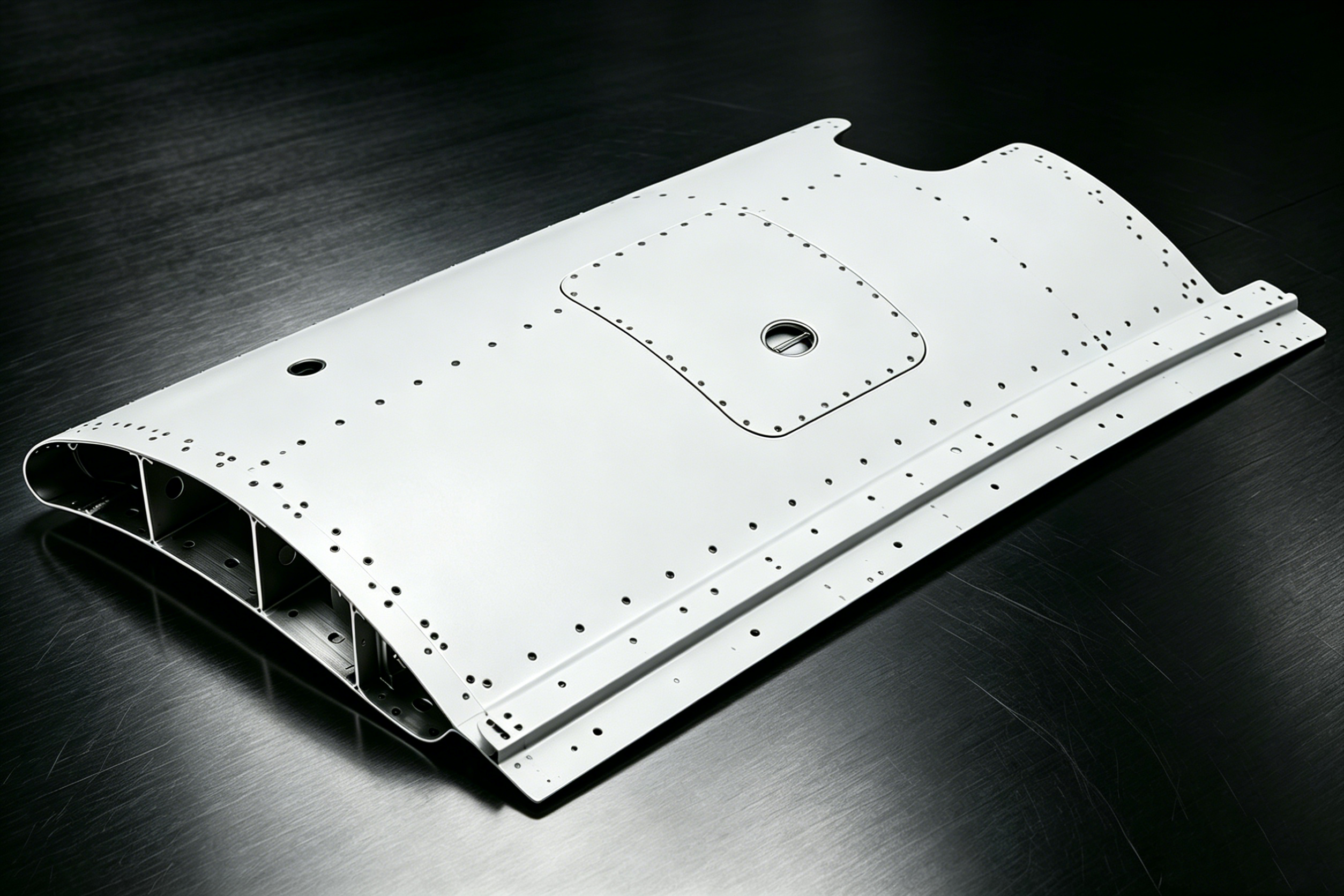
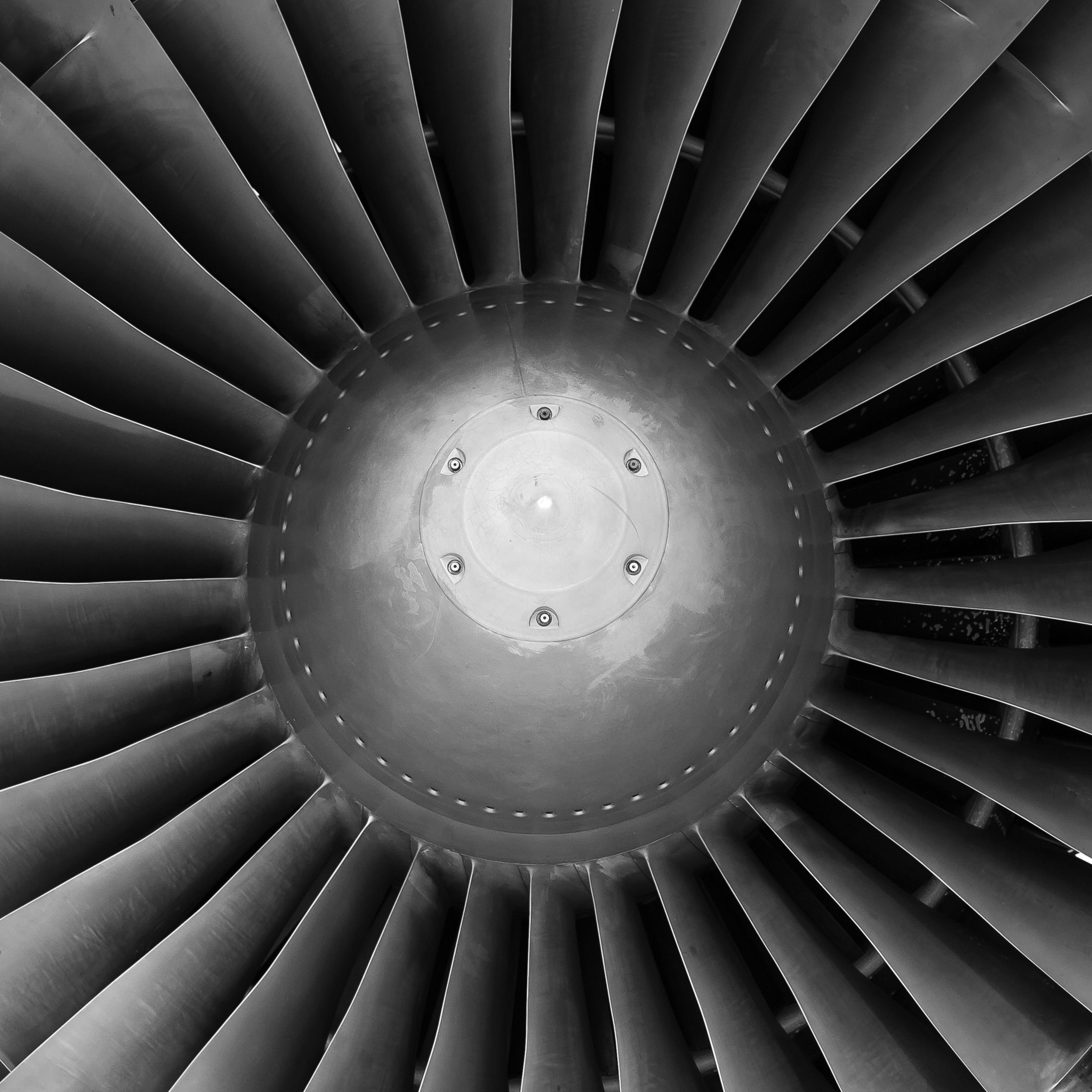
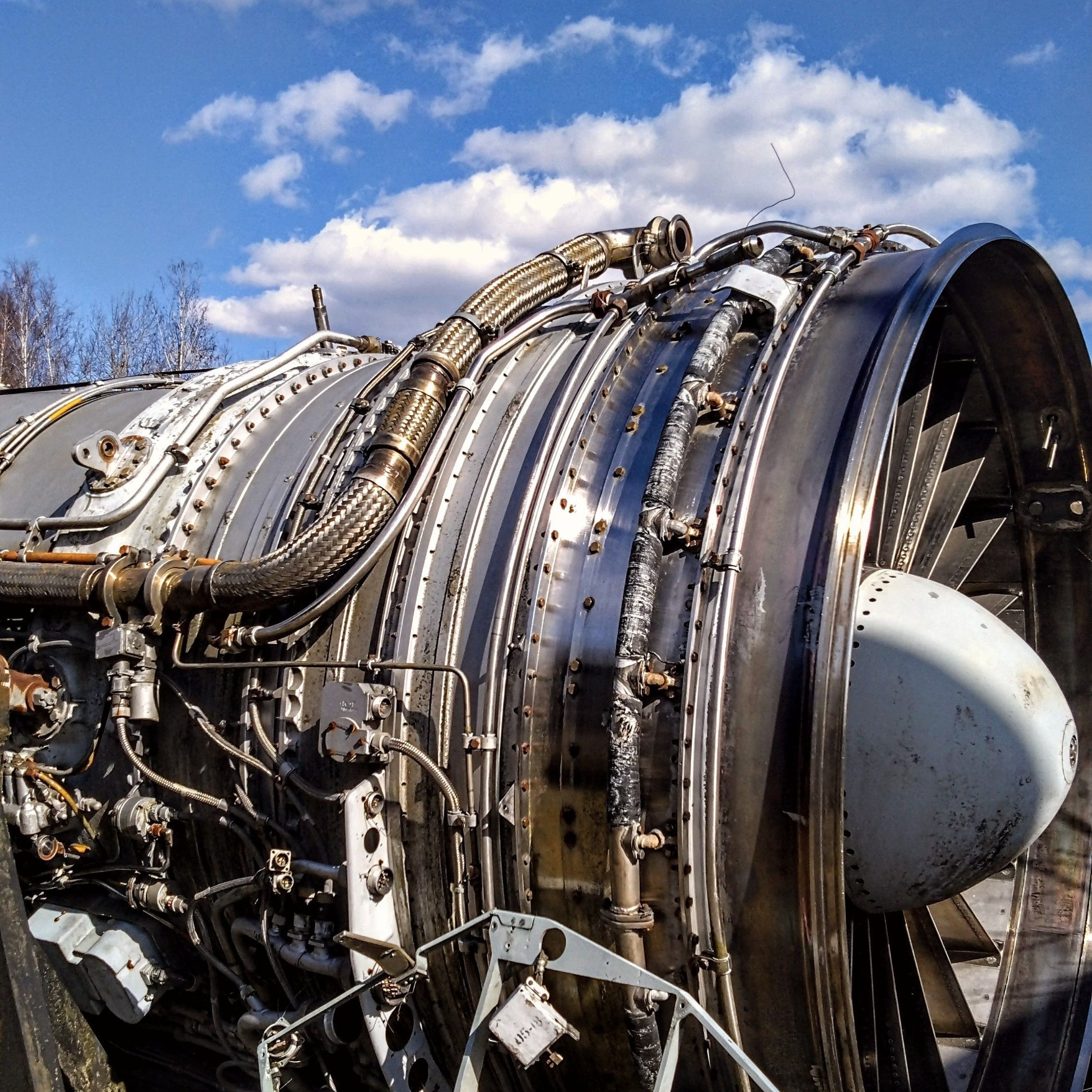
An airplane motor serves as the powerhouse of aircraft propulsion systems, converting fuel energy into mechanical force that drives the aircraft forward through the air. This sophisticated engineering marvel represents decades of aerospace innovation, designed to deliver reliable performance under extreme conditions while maintaining optimal fuel efficiency. The airplane motor encompasses various configurations including piston engines for smaller aircraft and turbine engines for commercial aviation, each engineered to meet specific performance requirements. Modern airplane motor technology incorporates advanced materials, precision manufacturing techniques, and computerized monitoring systems that ensure consistent operation throughout extensive flight hours. The primary function involves generating thrust or rotational power to turn propellers, enabling aircraft to achieve lift, maintain altitude, and navigate through diverse atmospheric conditions. These motors feature complex cooling systems, fuel injection mechanisms, and ignition components that work harmoniously to produce continuous power output. Applications range from private aviation and flight training schools to commercial airlines and cargo transport operations, making the airplane motor indispensable across the aviation industry. Advanced airplane motor designs prioritize weight reduction without compromising structural integrity, incorporating lightweight alloys and composite materials that enhance overall aircraft performance. The technological evolution of airplane motor systems continues to focus on reducing emissions, improving fuel consumption rates, and extending maintenance intervals, thereby supporting sustainable aviation practices while meeting increasingly stringent regulatory standards for safety and environmental protection.


New Product Recommendations

Investing in a high-quality airplane motor delivers substantial operational benefits that directly impact your bottom line and flight safety standards. You gain exceptional fuel efficiency that reduces operational costs significantly, allowing longer flight durations between refueling stops and lowering overall expenses for commercial and private aviation ventures. The airplane motor provides reliable starting performance in various weather conditions, ensuring your aircraft remains mission-ready regardless of temperature extremes or altitude challenges. You benefit from extended maintenance intervals thanks to robust construction and advanced engineering, minimizing downtime and reducing long-term ownership costs while maximizing aircraft availability for revenue-generating operations. Modern airplane motor technology offers smooth power delivery that enhances passenger comfort, reduces vibration levels, and creates a more pleasant flying experience that builds customer loyalty and satisfaction. The lightweight design contributes to improved aircraft performance metrics including faster climb rates, higher cruise speeds, and enhanced maneuverability that give you competitive advantages in time-sensitive operations. You receive comprehensive diagnostic capabilities through integrated monitoring systems that provide real-time performance data, enabling proactive maintenance scheduling and preventing costly unscheduled repairs. The airplane motor adapts seamlessly to various aviation applications whether you operate flight schools, charter services, agricultural operations, or personal transportation needs. You achieve superior power-to-weight ratios that translate into better payload capacity, allowing you to carry more passengers or cargo without sacrificing performance standards. The proven durability withstands demanding operational environments, delivering consistent performance across thousands of flight hours while maintaining strict safety certifications. Environmental compliance features help you meet current and future emissions regulations, protecting your investment against regulatory changes while demonstrating corporate responsibility. These practical advantages combine to deliver measurable value through reduced operating costs, enhanced safety margins, improved operational flexibility, and stronger competitive positioning in the aviation marketplace.

Latest News

AeroLink Participates in MRO Greater China 2026 to Strengthen Global Aviation Supply Chain Cooperation

16

Jun

AeroLink Participates in MRO Greater China 2026 to Strengthen Global Aviation Supply Chain Cooperation

View More
Ensuring Landing Gear Safety with Certified Parts

15

Sep

Ensuring Landing Gear Safety with Certified Parts

Why certified landing gear prevents runway incidents and meets FAA/EASA standards. Learn how to source, verify, and maintain compliant parts—get the guide now.
View More
Sourcing Certified GSE Spares with Traceability

15

Sep

Sourcing Certified GSE Spares with Traceability

Struggling with aviation compliance risks? Source certified GSE spares with end-to-end traceability to ensure AS9100/ISO 9001 compliance. Download best practices now.
View More
Sourcing Traceable APU Spare Parts Efficiently

14

Sep

Sourcing Traceable APU Spare Parts Efficiently

Struggling with APU part delays and audit risks? Discover how to source traceable APU spare parts efficiently while ensuring FAA/EASA compliance. Get actionable steps now.
View More
Advanced Fuel Efficiency Technology

Advanced Fuel Efficiency Technology

The airplane motor incorporates cutting-edge fuel management systems that optimize combustion efficiency across all operating conditions, delivering remarkable reductions in fuel consumption compared to older generation engines. This technology employs precision electronic fuel injection that continuously adjusts mixture ratios based on altitude, temperature, and power requirements, ensuring complete combustion while minimizing waste. You experience direct cost savings on every flight hour, with fuel efficiency improvements ranging from fifteen to thirty percent depending on operational profiles and flight conditions. The sophisticated engine management computer monitors dozens of parameters simultaneously, making micro-adjustments thousands of times per minute to maintain peak efficiency throughout the entire flight envelope. This intelligent fuel optimization extends your operational range significantly, enabling longer routes without additional fuel stops and opening new market opportunities for charter and cargo operations. The reduced fuel burn also translates into lower carbon emissions, helping your operation meet environmental standards while reducing your carbon footprint. Advanced atomization technology ensures complete fuel vaporization before combustion, maximizing energy extraction from every drop while reducing harmful exhaust components. These efficiency gains compound over time, delivering substantial return on investment through reduced fuel purchases, extended range capabilities, and enhanced environmental compliance that protects your operation against future regulatory requirements.
Superior Reliability and Durability

Superior Reliability and Durability

The airplane motor features military-grade construction standards that deliver exceptional reliability across demanding operational environments, from arctic conditions to tropical heat and high-altitude operations. Engineers utilize advanced metallurgy and heat-resistant alloys in critical components, ensuring structural integrity under extreme thermal cycling and mechanical stress that characterizes aviation operations. You gain peace of mind knowing your airplane motor undergoes rigorous testing protocols that simulate years of operation before entering service, including endurance testing, vibration analysis, and failure mode evaluation. The robust design incorporates redundant systems for critical functions, providing backup capabilities that maintain safe operation even if primary components experience degradation. This reliability translates directly into higher aircraft dispatch rates, fewer cancelled flights, and reduced maintenance emergencies that disrupt schedules and disappoint customers. Precision manufacturing tolerances ensure consistent performance across the entire engine lifespan, with wear rates carefully controlled through advanced surface treatments and optimized lubrication systems. You benefit from extended time between overhaul intervals that can reach several thousand flight hours, dramatically reducing lifecycle costs compared to engines requiring frequent rebuilds. The proven track record across global aviation operations demonstrates consistent performance in commercial airlines, military applications, and private aviation sectors, providing confidence in your equipment investment and operational planning reliability.
Intelligent Monitoring and Diagnostics

Intelligent Monitoring and Diagnostics

Modern airplane motor systems include comprehensive electronic monitoring capabilities that provide real-time visibility into engine health, performance metrics, and maintenance requirements, transforming aircraft maintenance from reactive to predictive. Advanced sensors throughout the airplane motor continuously measure critical parameters including temperatures, pressures, vibration patterns, and fuel flow rates, transmitting data to cockpit displays and ground-based maintenance systems. You receive early warning alerts before minor issues develop into serious problems, allowing scheduled maintenance during convenient downtimes rather than facing unexpected failures that ground aircraft and disrupt operations. The diagnostic system stores historical performance data, enabling trend analysis that identifies gradual degradation patterns and predicts component replacement needs weeks or months in advance. This predictive capability optimizes maintenance scheduling, reduces spare parts inventory costs, and ensures technicians have necessary components available before performing scheduled services. Integration with digital maintenance platforms allows remote monitoring by manufacturer support teams, providing expert analysis and troubleshooting assistance that reduces diagnostic time and improves repair accuracy. The airplane motor monitoring system generates detailed performance reports that satisfy regulatory documentation requirements while providing valuable insights for operational optimization and fuel management strategies. You gain competitive advantages through reduced maintenance costs, improved aircraft availability, and enhanced safety margins that come from truly understanding your engine condition at all times.