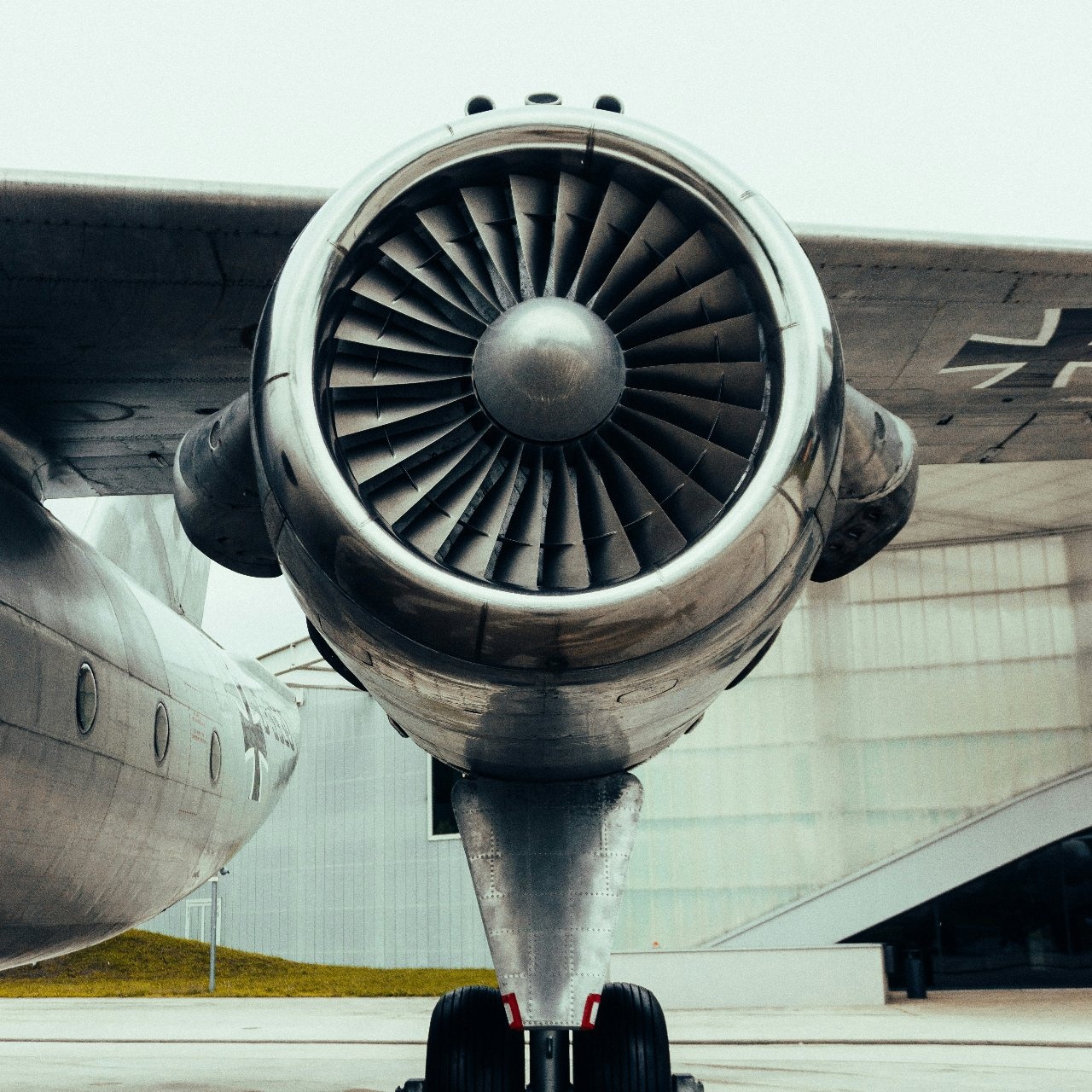
Airplane Turbofan: Efficiency & Performance

application/airplane-turbofan, application/airplane-turbofan, 
Inquiry
Inquiry

airplane turbofan

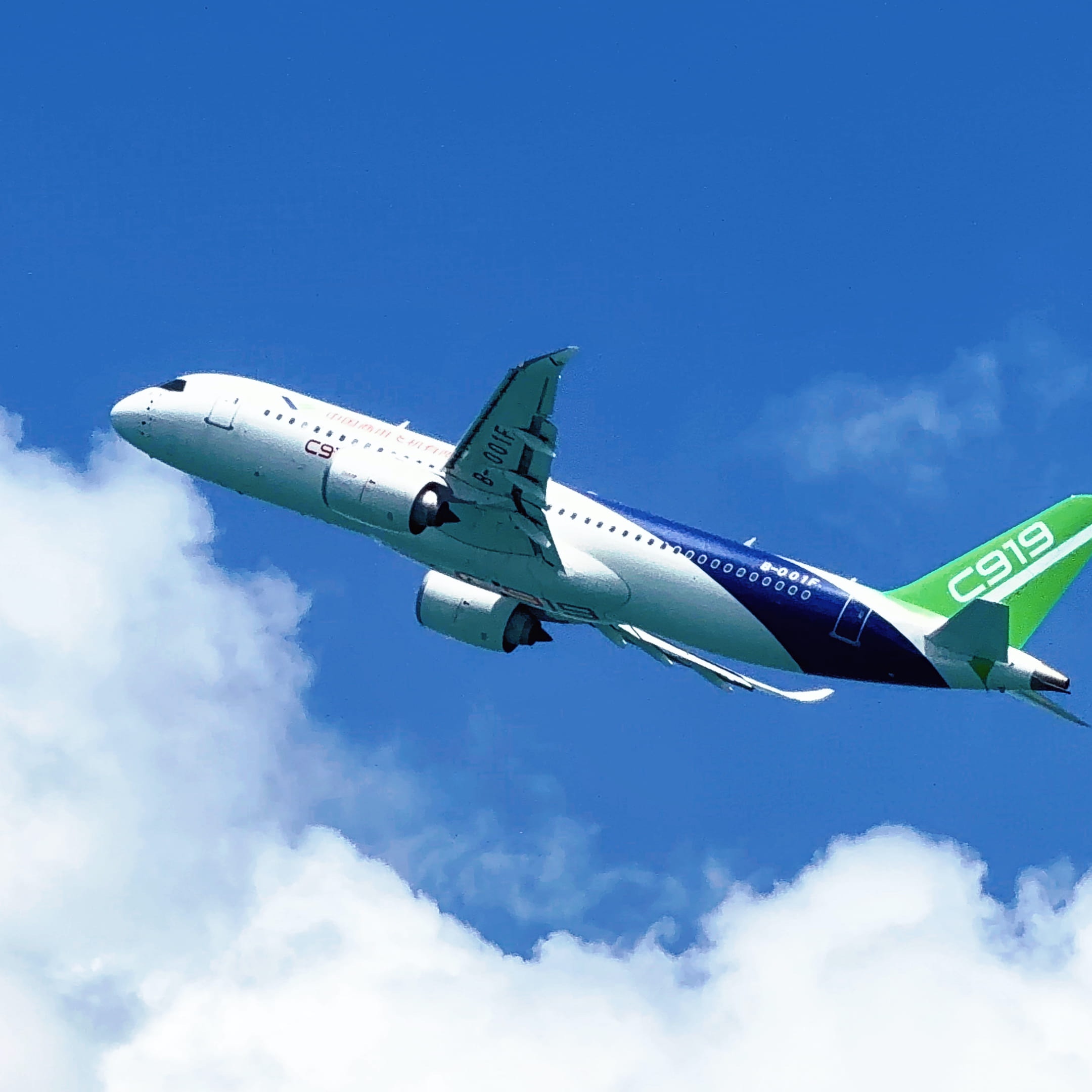
The airplane turbofan represents one of the most significant advancements in aviation propulsion technology, serving as the powerhouse behind modern commercial and military aircraft. This sophisticated engine design combines a large front-mounted fan with a core gas turbine engine to generate thrust efficiently and reliably. The airplane turbofan operates by drawing massive amounts of air through its fan, with most of this air bypassing the engine core and mixing with hot exhaust gases to produce forward thrust. The core keyword airplane turbofan defines engines characterized by high bypass ratios, where the fan diameter significantly exceeds the core engine diameter. These engines deliver exceptional fuel efficiency, reduced noise levels, and increased reliability compared to older turbojet designs. The main functions include generating thrust for takeoff, maintaining cruising speed at high altitudes, and providing consistent performance across varying atmospheric conditions. Technological features encompass advanced materials like titanium and composite fan blades, sophisticated digital engine control systems, and optimized aerodynamic designs that maximize airflow efficiency. Applications span wide-body commercial airliners, narrow-body regional jets, business aviation, and military transport aircraft. The airplane turbofan has become the industry standard due to its superior performance characteristics, making air travel more accessible, economical, and environmentally conscious while meeting stringent safety regulations worldwide.

New Product Recommendations

Choosing an airplane turbofan brings multiple practical benefits that directly impact operational costs and performance. First, fuel efficiency stands as the primary advantage, as these engines consume significantly less fuel per passenger mile compared to older engine types, translating into substantial cost savings over the aircraft's lifespan. Airlines and operators benefit from reduced operating expenses, making routes more profitable and tickets more affordable for travelers. Second, the airplane turbofan produces considerably less noise pollution, which matters greatly for communities near airports and helps airlines comply with increasingly strict noise regulations. This quieter operation results from the large bypass fan that muffles the high-velocity exhaust from the core engine. Third, reliability has improved dramatically, with modern airplane turbofan engines achieving remarkable mean time between failures, reducing maintenance downtime and improving schedule adherence. Fourth, these engines deliver better performance at high altitudes where commercial jets cruise, maintaining thrust efficiently in thin air while burning less fuel. Fifth, environmental benefits include lower emissions of nitrogen oxides and carbon dioxide per passenger carried, helping the aviation industry reduce its environmental footprint. The airplane turbofan also offers smoother power delivery, enhancing passenger comfort during all flight phases. For aircraft operators, the combination of lower fuel costs, reduced maintenance requirements, extended service intervals, and compliance with environmental standards makes the airplane turbofan the most economically sensible choice, ensuring long-term profitability while meeting customer expectations for reliable, comfortable air transportation.

Tips And Tricks

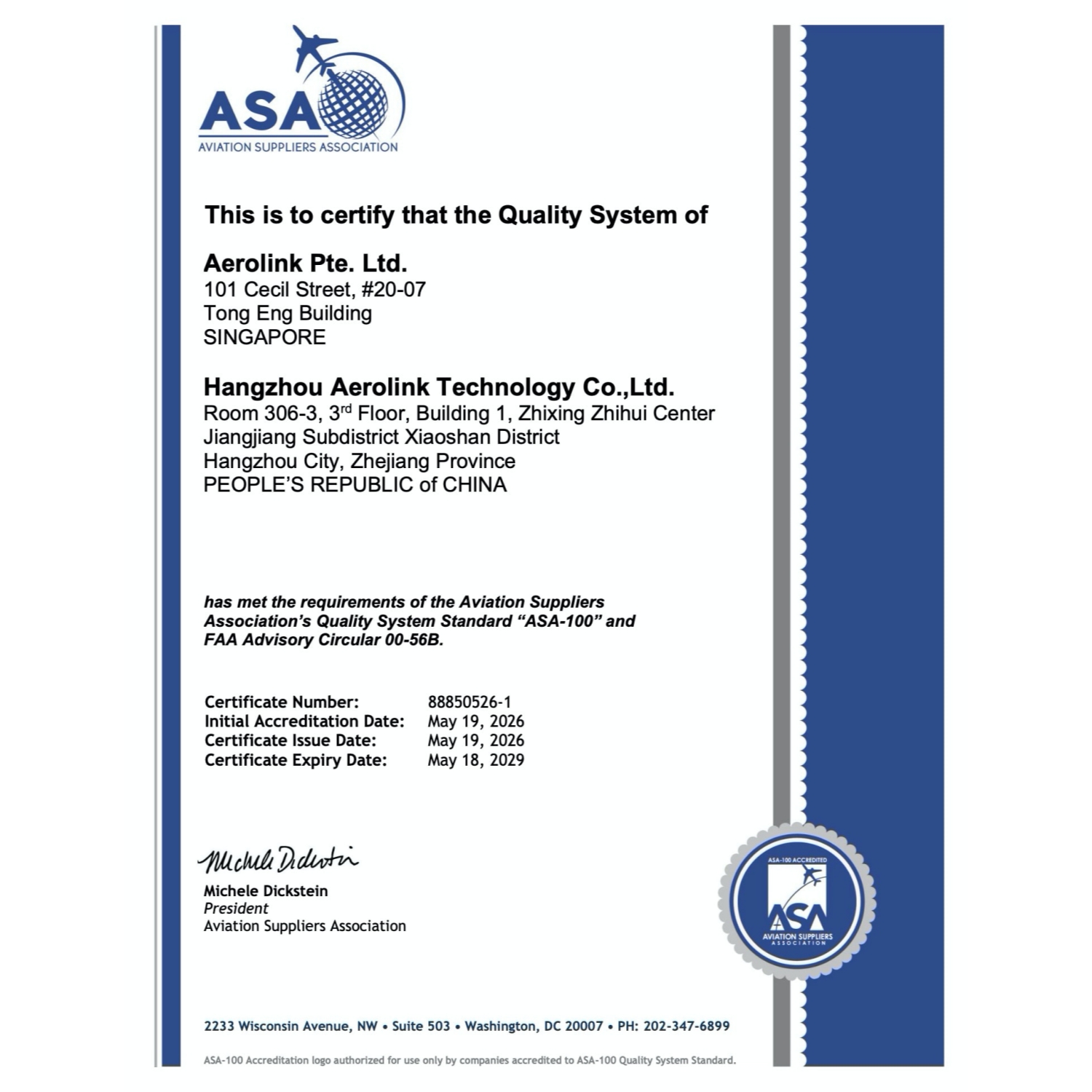
AeroLink Successfully Obtains ASA-100 and CAMAC Aviation Material Distributor Certifications

16

Jun

AeroLink Successfully Obtains ASA-100 and CAMAC Aviation Material Distributor Certifications

View More
AeroLink Team Participates in Singapore Airshow to Strengthen Global Aviation Industry Cooperation

16

Jun

AeroLink Team Participates in Singapore Airshow to Strengthen Global Aviation Industry Cooperation

View More
Sourcing Traceable APU Spare Parts Efficiently

14

Sep

Sourcing Traceable APU Spare Parts Efficiently

Struggling with APU part delays and audit risks? Discover how to source traceable APU spare parts efficiently while ensuring FAA/EASA compliance. Get actionable steps now.
View More
Superior Fuel Efficiency Through High Bypass Design

Superior Fuel Efficiency Through High Bypass Design

The airplane turbofan achieves remarkable fuel efficiency through its innovative high bypass ratio architecture, where a large portion of air flows around the engine core rather than through it. This design principle means that for every unit of air passing through the combustion core, multiple units bypass it entirely, being accelerated only by the large front fan. This configuration generates thrust more efficiently because moving a large mass of air at moderate velocity requires less energy than accelerating a smaller mass to extreme speeds. Modern airplane turbofan engines can achieve bypass ratios exceeding ten to one, meaning ten times more air bypasses the core than enters it. This translates directly into fuel consumption reductions of thirty to forty percent compared to earlier turbojet engines. For airlines operating hundreds of flights daily, these savings accumulate into millions of dollars annually while reducing carbon emissions substantially. The economic advantage extends throughout the aircraft's operational life, typically twenty to thirty years, making the airplane turbofan an investment that pays continuous dividends through lower fuel bills and enhanced route profitability.
Advanced Noise Reduction for Community Compliance

Advanced Noise Reduction for Community Compliance

The airplane turbofan incorporates sophisticated noise reduction technologies that address one of aviation's most significant environmental challenges. The large diameter fan operates at slower rotational speeds than older engine designs, producing a lower frequency sound signature that dissipates more rapidly with distance. Additionally, the bypass air acts as an acoustic shield, surrounding and muffling the high-velocity exhaust from the combustion core. Modern airplane turbofan designs integrate chevron-shaped nozzles that promote mixing of hot and cold airstreams, breaking up large turbulent eddies that generate noise. Acoustic liners within the nacelle absorb sound energy across specific frequencies, further reducing noise transmitted to the ground. These combined technologies have reduced aircraft noise by approximately twenty decibels over the past four decades, which represents a perceived halving of loudness every three decibels. For airports located near residential areas, the quieter airplane turbofan enables expanded operating hours, additional flight schedules, and improved community relations. Airlines benefit from access to noise-restricted airports and time slots, while passengers enjoy a quieter cabin environment, making the airplane turbofan essential for sustainable aviation growth.
Enhanced Reliability and Maintenance Efficiency

Enhanced Reliability and Maintenance Efficiency

The airplane turbofan demonstrates exceptional reliability through advanced materials, precision manufacturing, and intelligent monitoring systems that minimize unscheduled maintenance and maximize aircraft availability. Modern engines incorporate single-crystal turbine blades that withstand extreme temperatures and stresses, titanium fan blades that resist foreign object damage, and ceramic matrix composites that reduce weight while maintaining strength. Digital engine control systems continuously monitor thousands of parameters, optimizing performance while detecting potential issues before they cause failures. Predictive maintenance algorithms analyze engine data transmitted in real-time, allowing maintenance crews to address concerns proactively during scheduled ground time rather than reacting to unexpected problems. The airplane turbofan typically achieves dispatch reliability exceeding ninety-nine percent, meaning fewer than one in one hundred flights experiences engine-related delays. Extended time on wing capabilities allow modern engines to operate for years between major overhauls, with some models exceeding twenty thousand flight hours between shop visits. This reliability translates into consistent revenue generation for operators, reduced spare parts inventory requirements, lower maintenance labor costs, and enhanced passenger confidence in airline safety and punctuality.