aircraft motor
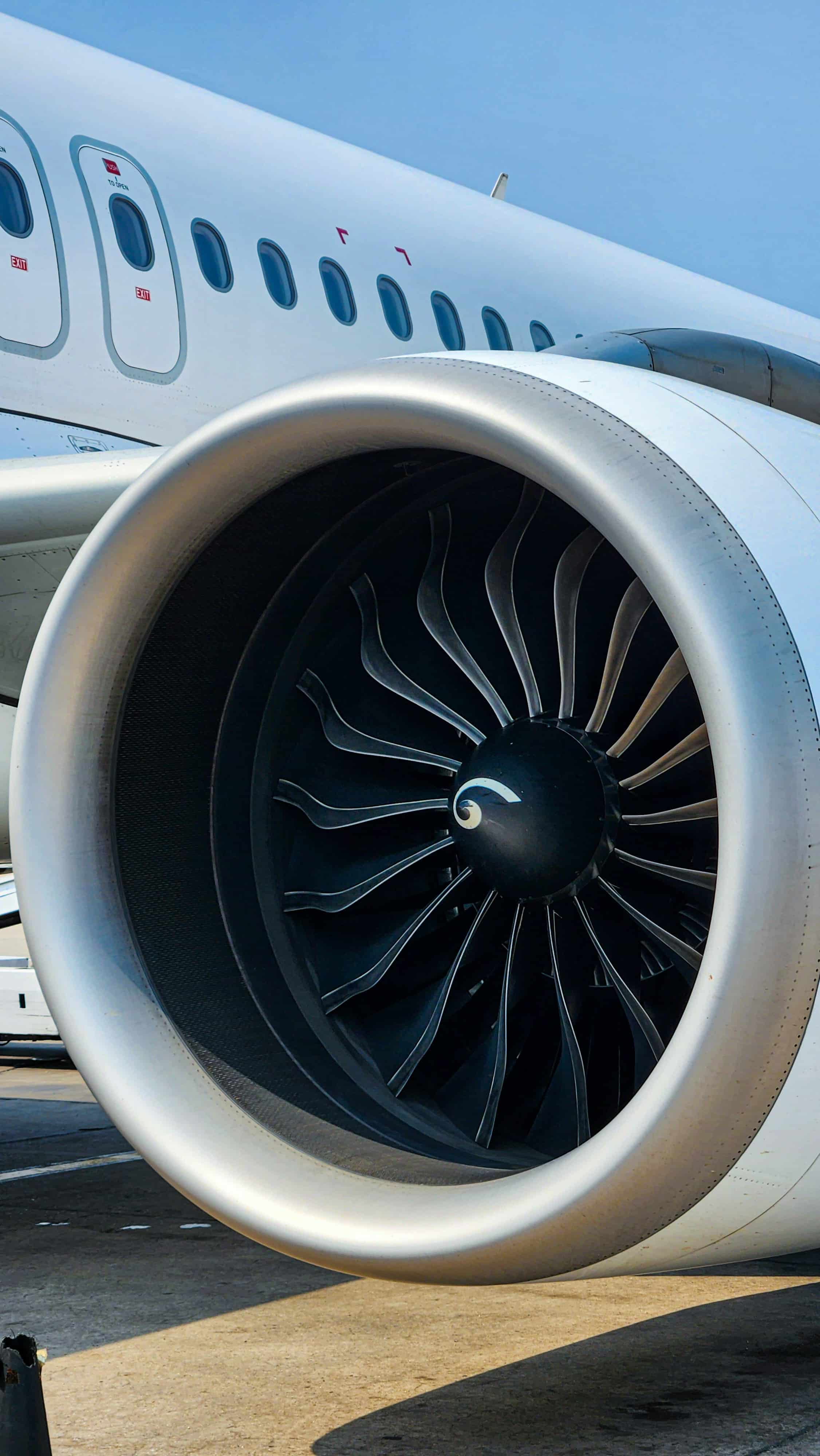
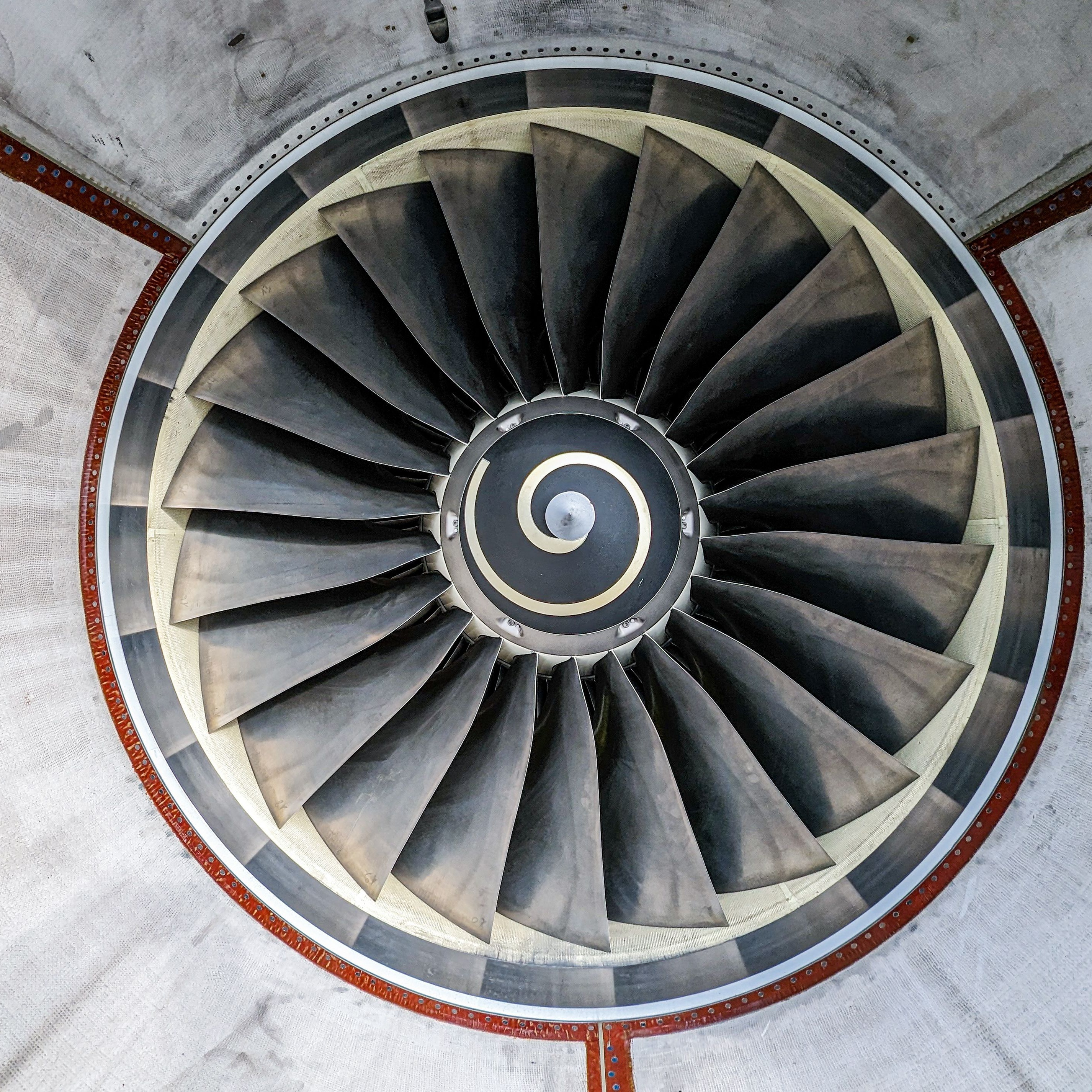
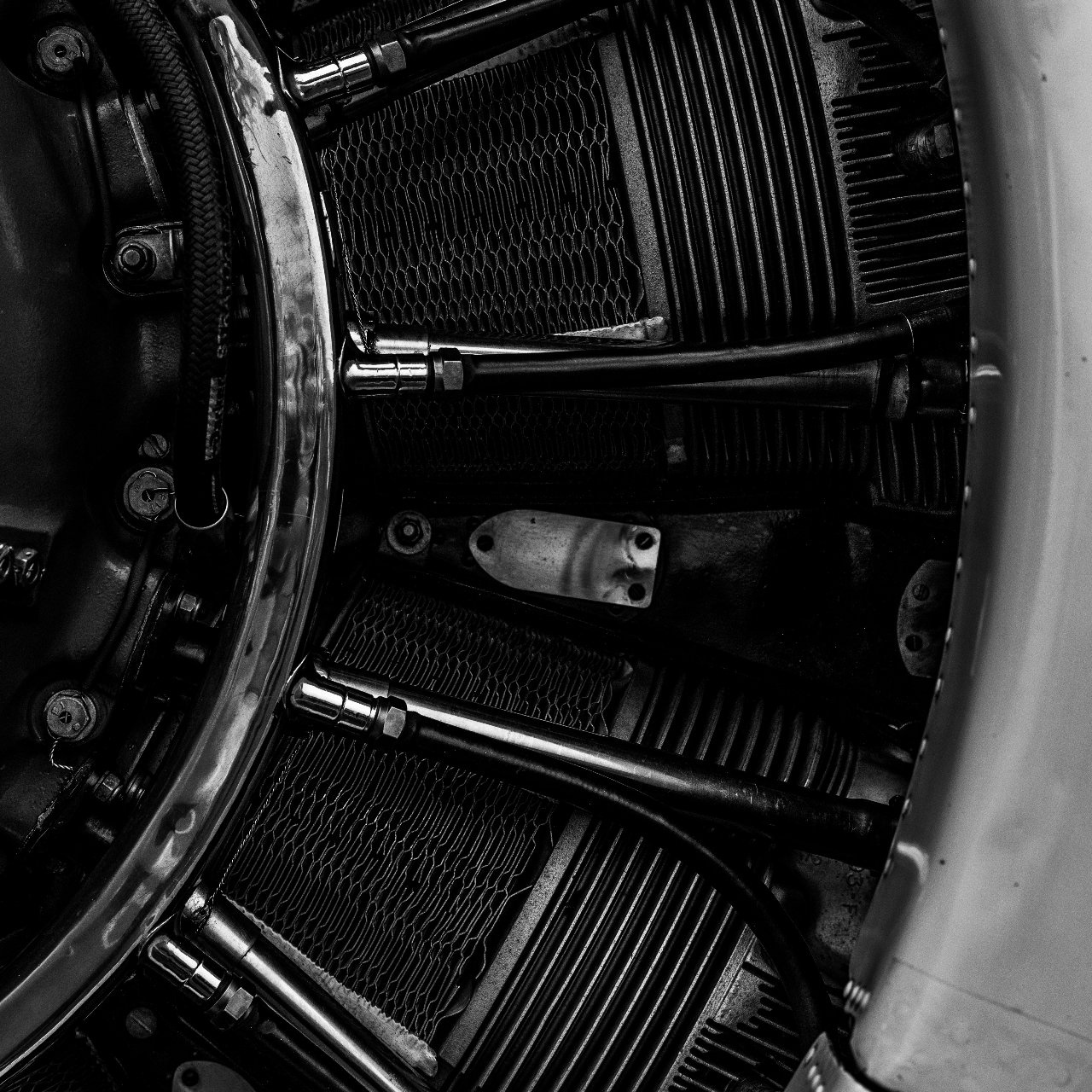
An aircraft motor serves as the powerhouse that propels planes through the sky, converting fuel or electrical energy into mechanical force to drive propellers or generate thrust. This critical component represents the heart of any flying machine, whether powering small private planes, commercial airliners, or military jets. Modern aircraft motors combine precision engineering with advanced materials to deliver reliable performance under extreme conditions, including high altitudes, temperature variations, and demanding operational cycles. The aircraft motor encompasses various types, including piston engines for smaller aircraft, turboprop systems for regional carriers, and turbofan designs for larger commercial aviation. Each configuration offers distinct performance characteristics tailored to specific flight requirements. These motors incorporate sophisticated fuel management systems, electronic ignition controls, and thermal regulation mechanisms to optimize efficiency and safety. The technological advancement in aircraft motor design has revolutionized aviation, enabling longer flight ranges, improved fuel economy, and reduced environmental impact. Manufacturers continuously refine these systems to meet stringent aviation standards while incorporating lightweight alloys, ceramic components, and digital monitoring systems. Understanding the aircraft motor fundamentals helps operators make informed decisions about aircraft selection, maintenance schedules, and operational planning. Whether for commercial transport, cargo operations, military missions, or recreational flying, the aircraft motor remains the defining element that determines performance capabilities, operational costs, and mission success.



 EN