small aircraft engines
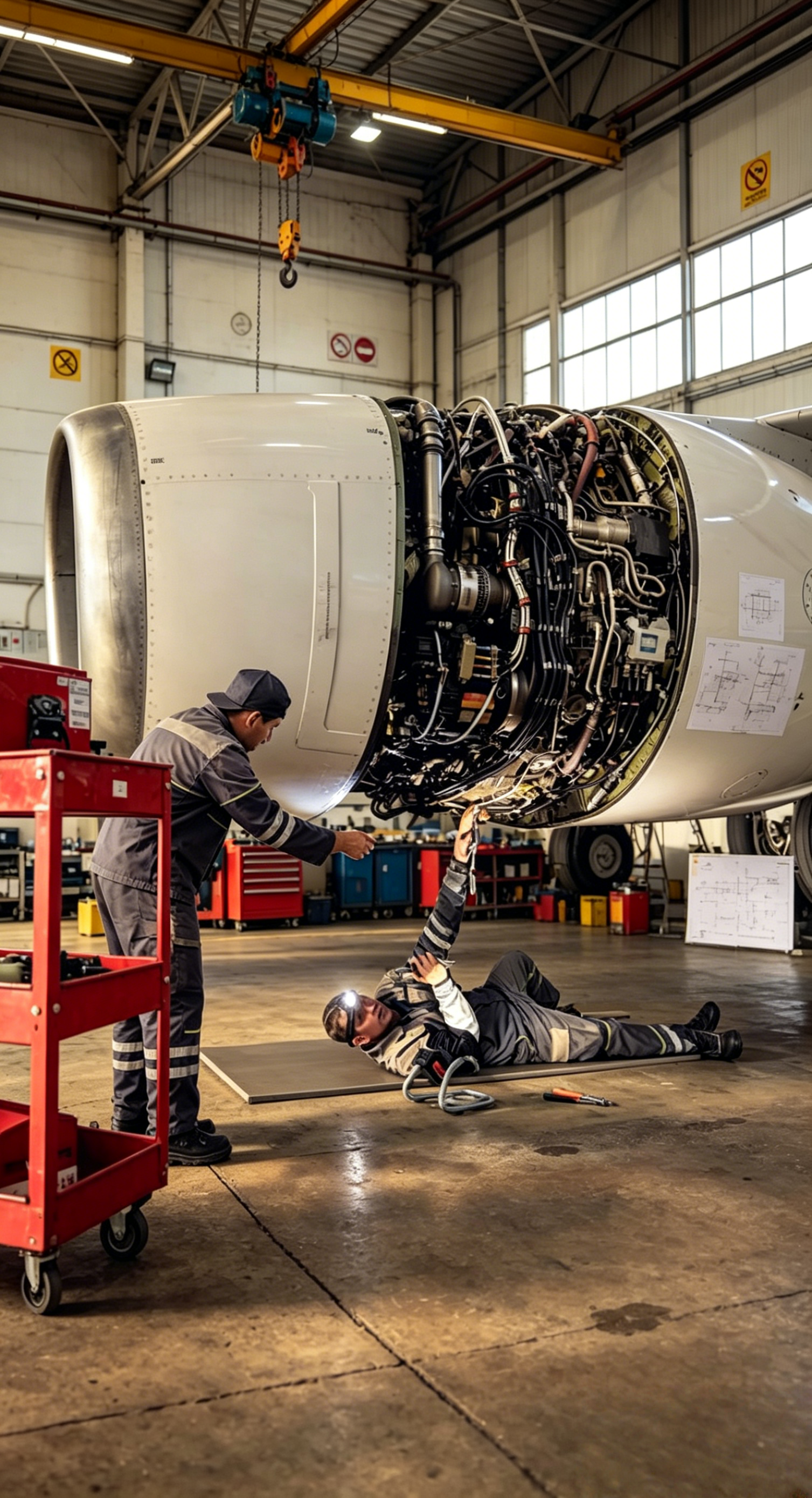
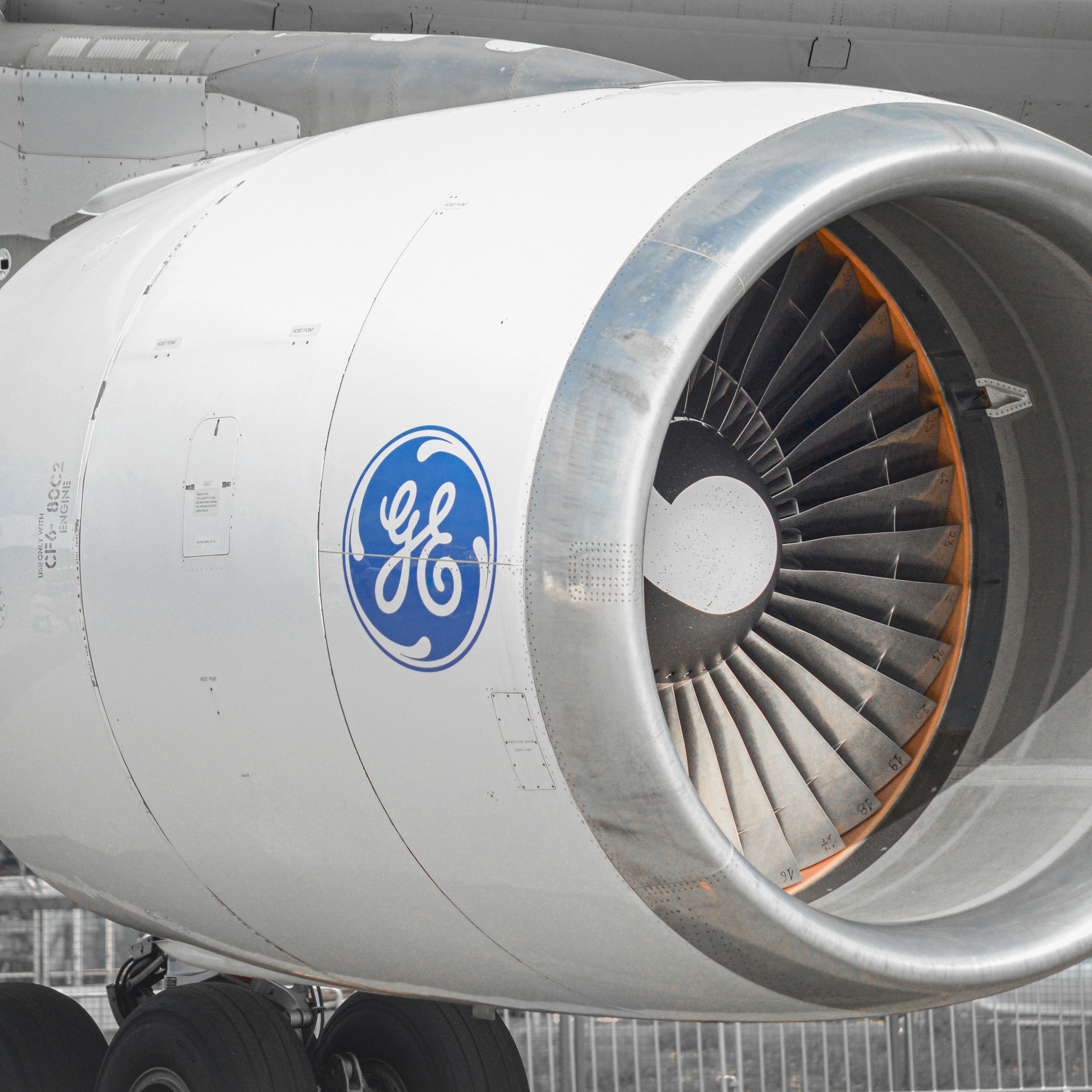
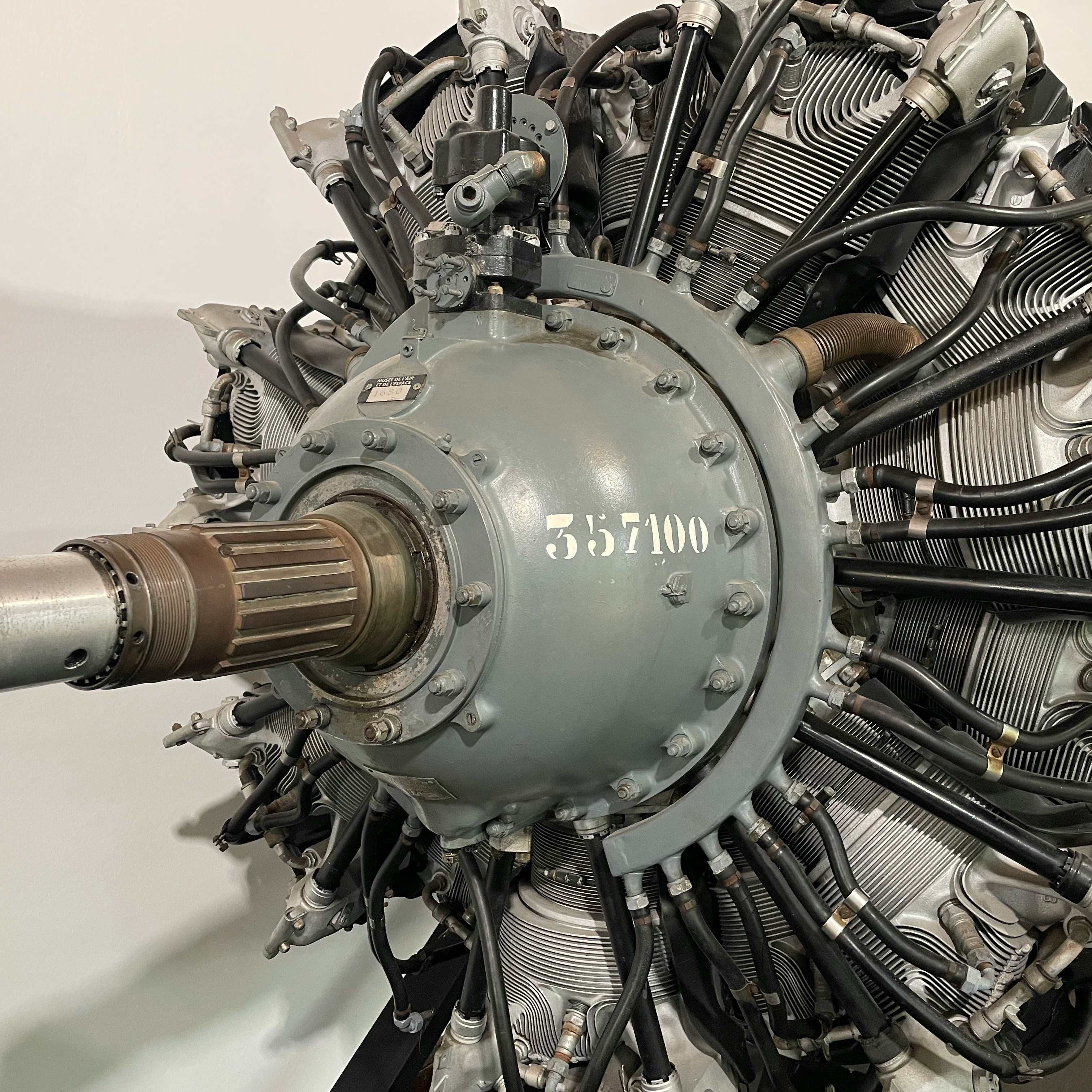
Small aircraft engines represent the vital powerplant technology that drives general aviation, recreational flying, and light commercial operations worldwide. These compact yet powerful engines are specifically engineered to deliver reliable performance while maintaining optimal weight-to-power ratios essential for smaller airframes. Modern small aircraft engines typically range from 100 to 400 horsepower, featuring air-cooled or liquid-cooled designs that prioritize fuel efficiency, durability, and ease of maintenance. The technological evolution of small aircraft engines has introduced advanced fuel injection systems, electronic ignition, and sophisticated engine monitoring capabilities that enhance safety and operational efficiency. These engines power a diverse range of aircraft including single-engine trainers, aerobatic planes, light sport aircraft, agricultural sprayers, and personal transportation vehicles. The primary functions encompass converting fuel into mechanical energy through internal combustion processes, driving propellers for thrust generation, and providing electrical power for aircraft systems. Contemporary small aircraft engines incorporate lightweight materials such as aluminum alloys and composite components to reduce overall engine weight without compromising structural integrity. Environmental considerations have driven innovations in emissions reduction and noise suppression technologies. Whether utilizing traditional aviation gasoline or alternative fuels like unleaded options, small aircraft engines continue to evolve with improved thermodynamic efficiency, extended time between overhaul intervals, and enhanced reliability ratings that meet stringent aviation certification standards established by regulatory authorities worldwide.


 EN