737 engine nacelle
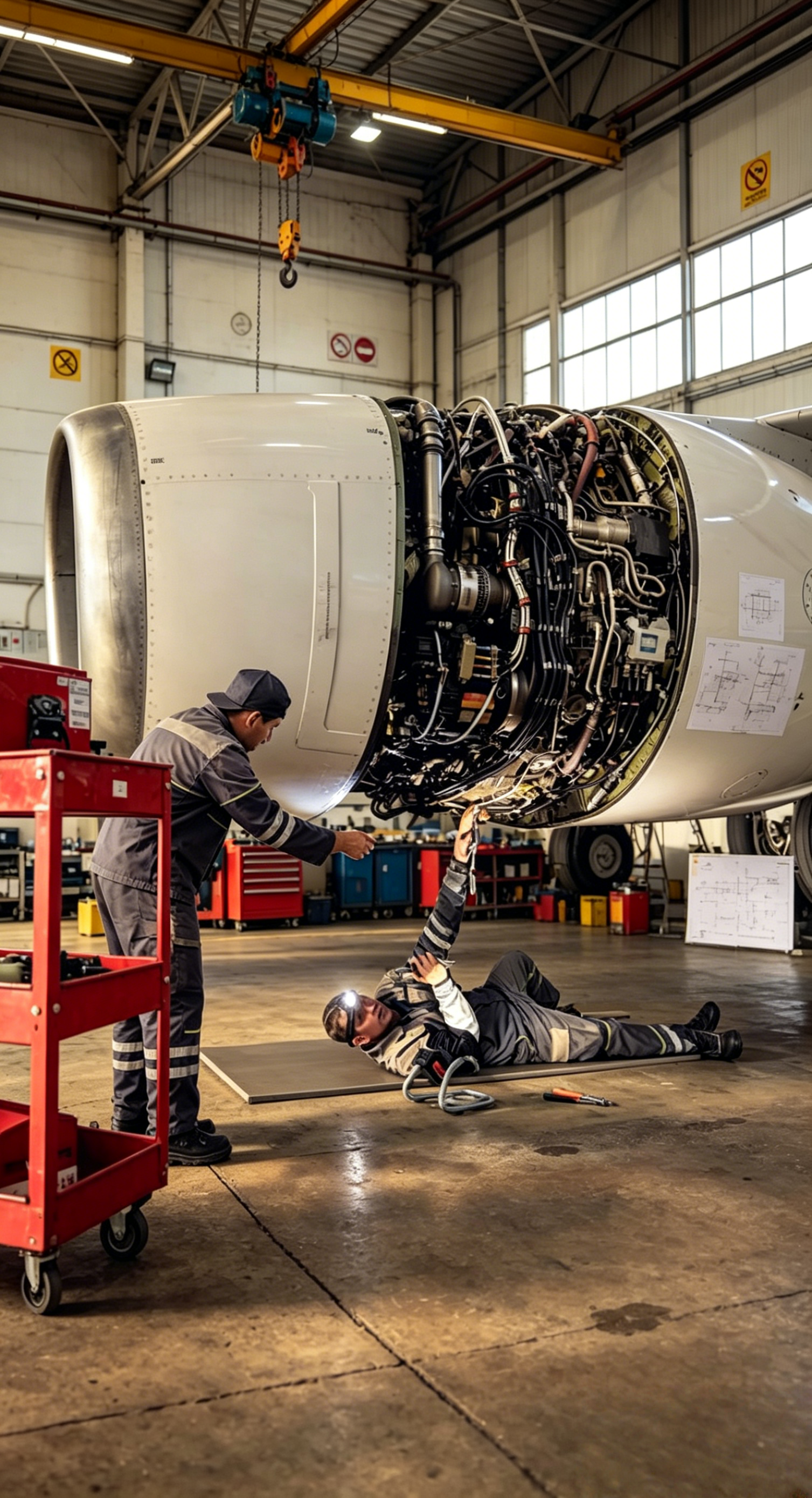
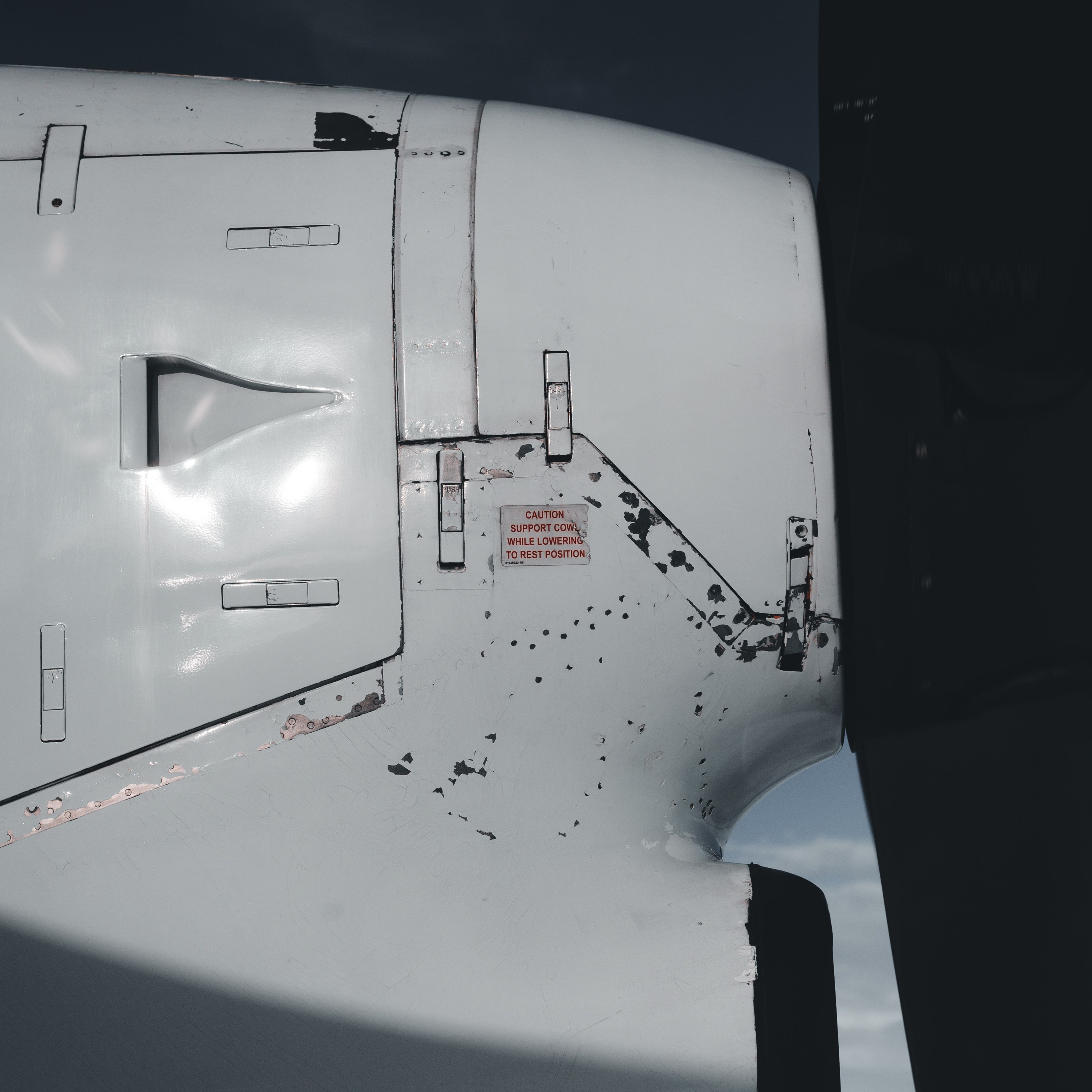
The 737 engine nacelle is a critical aerodynamic housing designed to enclose and protect the aircraft's powerplant while optimizing performance and efficiency. This sophisticated structure serves multiple essential functions including streamlining airflow around the engine, reducing drag, attenuating noise emissions, and providing accessible maintenance points for ground crews. The 737 engine nacelle integrates seamlessly with the wing-mounted engine configuration, featuring advanced composite materials and aluminum alloys that balance structural integrity with weight considerations. Modern iterations incorporate thrust reversers, inlet cowls, fan cowls, and exhaust systems all working in harmony to maximize propulsion efficiency. The nacelle design directly influences fuel consumption, operational range, and environmental compliance by managing airflow separation and turbulence. Engineers have refined the 737 engine nacelle through decades of evolution, implementing computational fluid dynamics and wind tunnel testing to achieve optimal aerodynamic profiles. The structure also houses fire suppression systems, anti-icing equipment, and acoustic treatments that meet stringent aviation safety standards. Airlines worldwide rely on this proven nacelle technology to maintain schedule reliability and minimize downtime. The modular construction allows rapid component replacement during maintenance intervals, reducing aircraft ground time and operational costs. As aviation advances toward sustainability goals, the 737 engine nacelle continues adapting to accommodate newer, more efficient powerplants while maintaining backward compatibility with existing fleet configurations, making it an indispensable element of commercial aviation infrastructure.




 EN