nacelle in aircraft
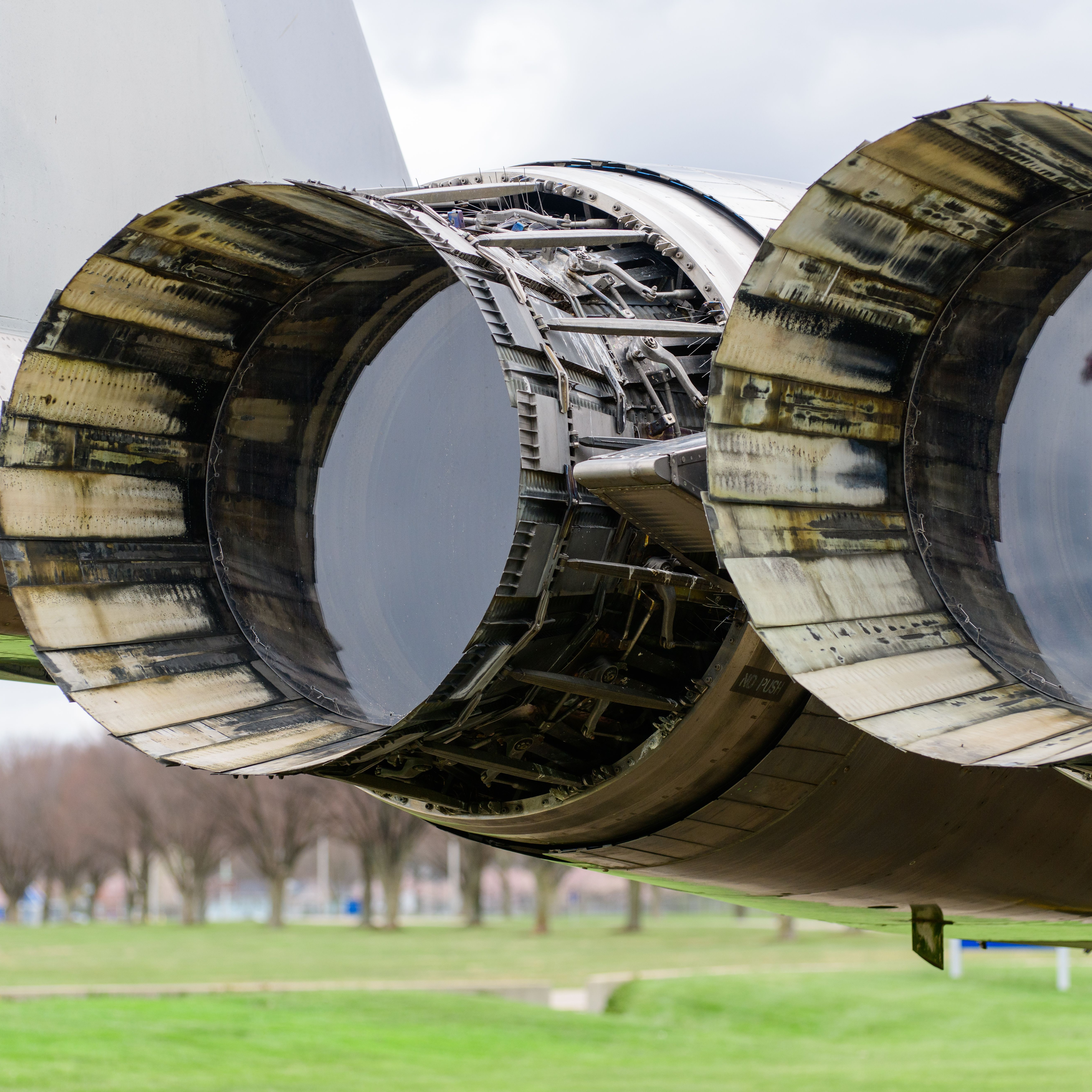
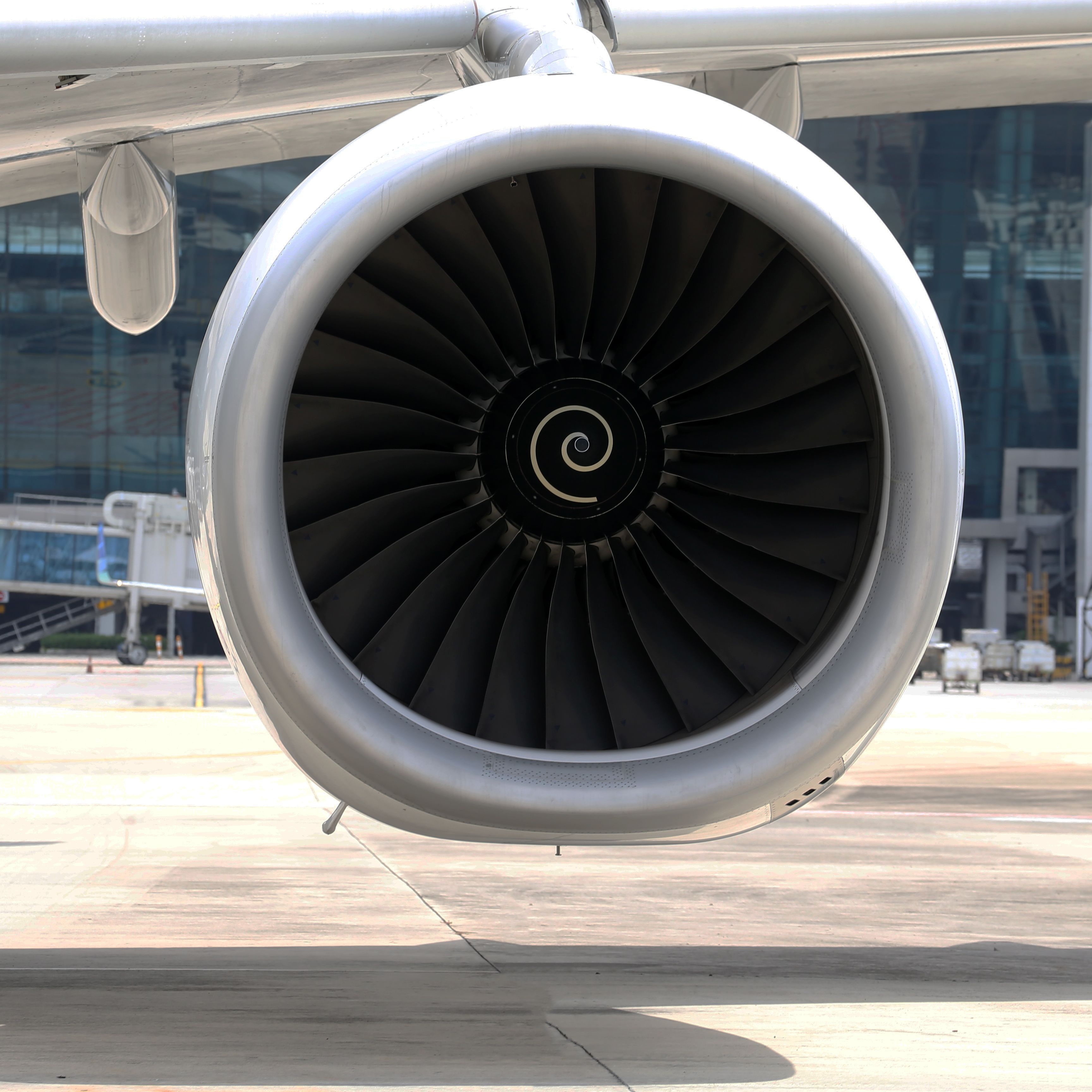
The nacelle in aircraft is a streamlined, aerodynamic housing structure that encloses an aircraft engine and its associated components. This critical component serves as the protective shell that surrounds jet engines on commercial airliners, business jets, and military aircraft. The nacelle in aircraft plays multiple essential roles, including protecting the engine from environmental hazards, reducing aerodynamic drag, and channeling airflow efficiently through the propulsion system. Modern nacelles incorporate sophisticated acoustic treatments to minimize noise pollution during takeoff and landing operations. The structure typically consists of several key sections: the inlet cowl that guides air into the engine, the fan cowl covering the fan section, thrust reversers for deceleration, and the exhaust nozzle that directs engine exhaust. Advanced composite materials and aluminum alloys are commonly used in nacelle construction to achieve optimal strength-to-weight ratios. The nacelle in aircraft also houses critical systems such as fire suppression equipment, anti-icing mechanisms, and various sensors. Engineering teams design nacelles to facilitate easy maintenance access, allowing technicians to perform inspections and repairs efficiently. The aerodynamic shaping of the nacelle in aircraft directly impacts fuel efficiency by minimizing drag forces during flight. Contemporary nacelle designs integrate seamlessly with wing structures, contributing to overall aircraft performance optimization and operational reliability across diverse flight conditions and environmental scenarios.





 EN