Aircraft Nacelle Solutions | Performance & Design

application/aircraft-nacelle, application/aircraft-nacelle, 
Inquiry
Inquiry

aircraft nacelle

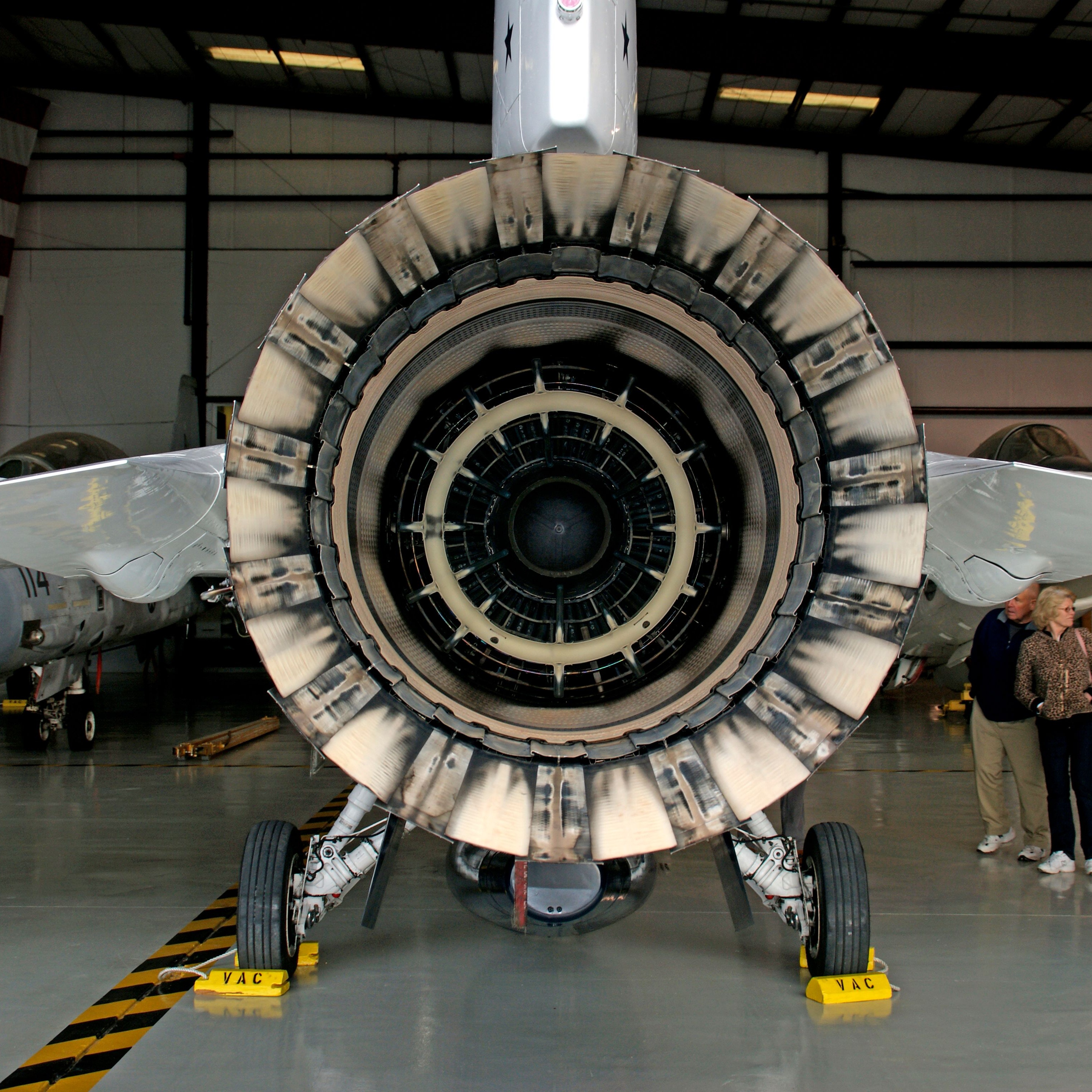
Aircraft nacelle is a streamlined enclosure housing an aircraft engine and components. The aircraft nacelle integrates with wings or fuselage, optimizing airflow. An aircraft nacelle includes inlet cowl, fan cowl, thrust reverser, and exhaust nozzle. The aircraft nacelle directs air, reduces drag, attenuates noise, and provides fire protection. Aircraft nacelle technology uses composites, acoustic panels, and thermal systems. Aircraft nacelle design features quick-access panels for maintenance. Modern aircraft nacelle houses anti-icing, electrical, and hydraulic systems. Aircraft nacelle applications span commercial, military, business, and cargo aviation. The aircraft nacelle ensures safe, efficient, compliant operations. Evolving aircraft nacelle technology improves fuel efficiency, emissions, and comfort. The aircraft nacelle directly impacts performance and economics. Every aircraft nacelle remains essential.


New Product Releases

Investing in a high-quality aircraft nacelle delivers substantial operational benefits that directly impact your bottom line and competitive positioning. The aerodynamic efficiency provided by an optimally designed aircraft nacelle translates into measurable fuel savings, reducing operational expenses significantly over the aircraft's service life. These fuel economies become particularly valuable as airlines face fluctuating energy costs and increasing pressure to minimize environmental impact. The lightweight construction using advanced composite materials means reduced overall aircraft weight, enabling greater payload capacity or extended range capabilities that open new route possibilities and revenue opportunities. Maintenance accessibility represents another crucial advantage, as modern nacelle designs feature strategically positioned access panels that allow technicians to perform inspections and repairs quickly, minimizing ground time and maximizing aircraft availability for revenue-generating flights. The integrated noise reduction technology addresses increasingly strict airport noise regulations, enabling operations at noise-sensitive airports and during restricted hours, thereby expanding operational flexibility. Fire containment systems built into the aircraft nacelle structure provide critical safety margins, protecting passengers, crew, and the aircraft itself from potential engine-related incidents. The modular design philosophy employed in contemporary nacelles allows for component replacement and upgrades without complete system overhaul, extending service life and preserving asset value. For operators, this translates into predictable maintenance costs and improved budget planning. The aircraft nacelle also contributes to brand perception, as quieter, more efficient operations enhance passenger experience and demonstrate environmental responsibility. Whether operating commercial airliners, business jets, or cargo aircraft, the right nacelle selection directly influences operational efficiency, regulatory compliance, safety margins, and long-term profitability, making it a decision that warrants careful consideration based on specific mission requirements and operational profiles.

Tips And Tricks

Selecting Reliable GSE to Improve Ground Ops

21

Sep

Selecting Reliable GSE to Improve Ground Ops

Struggling with aircraft delays? Discover how choosing reliable GSE vendors improves turnaround time. Get your free vendor evaluation checklist.
View More
Maximizing APU Reliability via Better Sourcing

18

Sep

Maximizing APU Reliability via Better Sourcing

Struggling with APU downtime and costly unscheduled maintenance? Discover how certified sourcing and traceability slash failure rates. Optimize your aircraft reliability now.
View More
Essential Avio Procurement Advice for Operators

18

Sep

Essential Avio Procurement Advice for Operators

Struggling with aircraft downtime or compliance risks? This essential avio procurement guide helps operators optimize sourcing. Download your strategy blueprint now.
View More

Get a Free Quote

Contact us for quotation and cooperation.
0/1000
Please upload at least an attachment
Upload up to 3 files (maximum 30 MB). Supported formats: JPG, JPEG, PNG, PDF, DOC, DOCX, XLS, XLSX, CSV, TXT, STP, STEP, IGS, X_T, DXF, PRT, SLDPRT, SAT, RAR, ZIP.
0/1000
Advanced Aerodynamic Performance

Advanced Aerodynamic Performance

The aircraft nacelle delivers exceptional aerodynamic performance through computational fluid dynamics optimization and wind tunnel validation, ensuring minimal drag across all flight phases. This streamlined design carefully manages airflow around the engine, reducing turbulence and wake effects that would otherwise compromise fuel efficiency. The inlet geometry ensures smooth air delivery to the engine compressor at various speeds and altitudes, maintaining optimal engine performance throughout the flight envelope. Careful contouring of external surfaces minimizes flow separation and pressure losses, contributing to reduced fuel consumption that accumulates into significant cost savings over thousands of flight hours. The integrated design considers not only cruise efficiency but also takeoff, climb, and approach phases, ensuring consistent performance benefits. Advanced nacelle profiles work synergistically with wing aerodynamics, creating favorable interference effects that further enhance overall aircraft efficiency. For operators, this translates into lower fuel bills, extended range capabilities, and reduced carbon emissions that meet evolving environmental standards while improving operational economics in an increasingly competitive aviation market.
Comprehensive Noise Reduction Technology

Comprehensive Noise Reduction Technology

Modern aircraft nacelle designs incorporate sophisticated acoustic treatment systems that dramatically reduce engine noise, addressing both regulatory requirements and passenger comfort expectations. Multi-layer acoustic liners strategically positioned within the inlet and exhaust sections absorb sound energy across critical frequency ranges, particularly targeting the low-frequency fan noise that dominates engine sound signatures. These acoustic panels utilize honeycomb core structures with perforated facesheets, creating resonant cavities that convert sound energy into minimal heat dissipation. The chevron nozzle designs featured in advanced nacelles further reduce jet noise by promoting rapid mixing of exhaust gases with ambient air, smoothing turbulence that generates objectionable sound. This comprehensive noise management enables aircraft to meet stringent Stage 5 noise certification standards and comply with local airport curfews and operational restrictions. For airlines, quieter operations mean access to noise-sensitive airports, expanded operating windows including early morning and late evening slots, and improved community relations that facilitate route expansion. Passengers benefit from reduced cabin noise levels, enhancing travel comfort and reducing fatigue on long flights, factors that influence customer satisfaction and loyalty in competitive markets.
Enhanced Safety and Reliability Features

Enhanced Safety and Reliability Features

The aircraft nacelle incorporates multiple safety systems designed to protect the aircraft and occupants from engine-related hazards while ensuring reliable operation across diverse conditions. Fire detection and suppression systems integrated within the nacelle structure provide rapid response capabilities, with heat-resistant materials and fireproof barriers containing potential engine fires and preventing propagation to other aircraft systems. Advanced materials withstand extreme temperatures and mechanical stresses, maintaining structural integrity even during abnormal operating conditions. Ice protection systems prevent dangerous ice accumulation on inlet surfaces that could disrupt airflow or detach and damage engine components, utilizing electrical heating elements or bleed air systems activated automatically or manually based on atmospheric conditions. The robust structural design accommodates blade-out scenarios, containing failed turbine blades within reinforced sections and preventing catastrophic damage to wings or fuselage. Comprehensive health monitoring systems embedded within modern nacelles track vibration, temperature, and pressure parameters, enabling predictive maintenance that identifies potential issues before they escalate into operational disruptions. This proactive approach reduces unscheduled maintenance events, improves dispatch reliability, and enhances overall safety margins, providing operators with confidence and passengers with peace of mind throughout every flight.