nacelle aviation
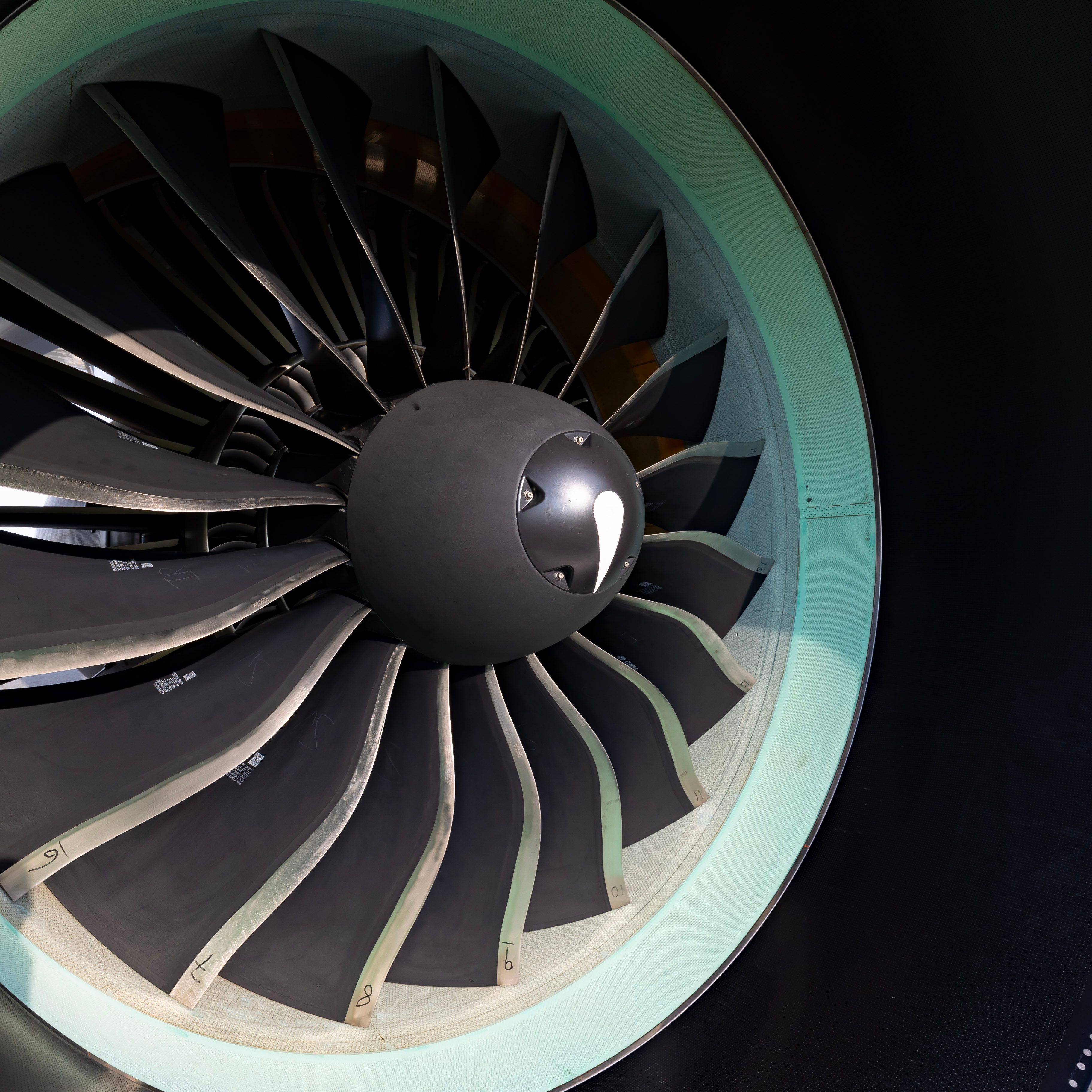
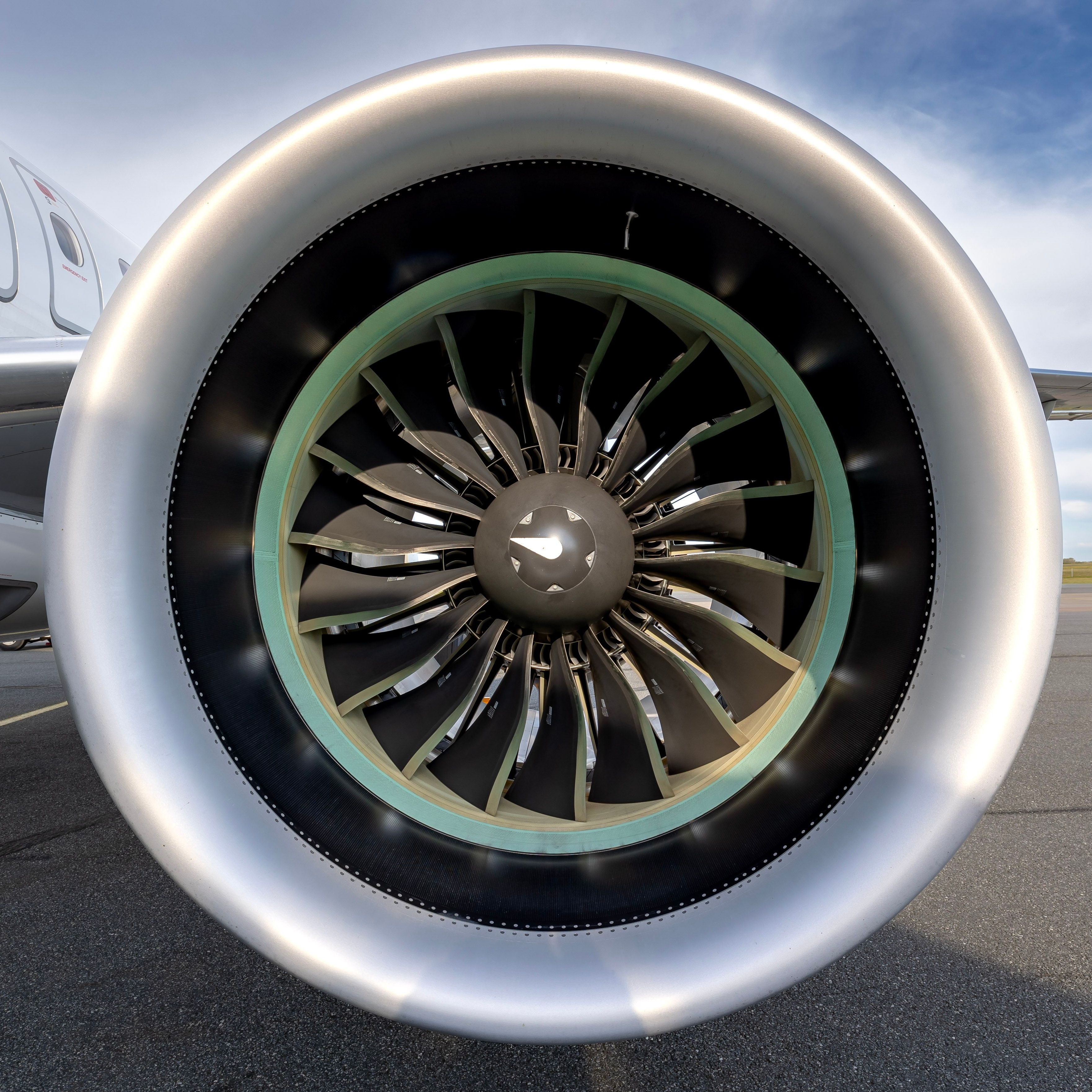
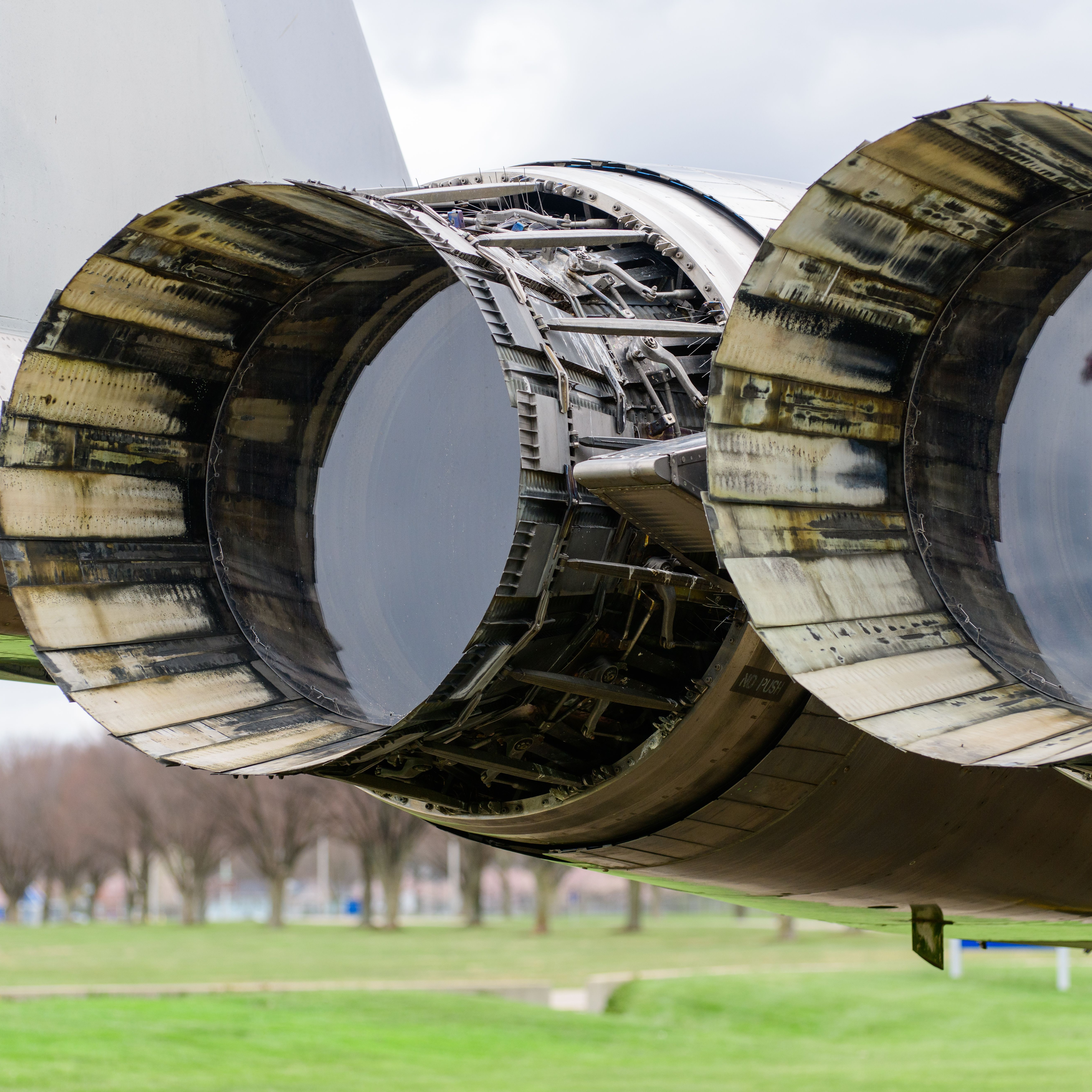
A nacelle aviation system represents a critical component in modern aircraft design, serving as the protective housing that encapsulates the aircraft engine and its auxiliary systems. This streamlined structure plays a vital role in ensuring optimal engine performance while maintaining aerodynamic efficiency throughout flight operations. The nacelle aviation assembly typically consists of several key elements including the inlet cowl, fan cowl, thrust reverser, and exhaust nozzle, each engineered to meet stringent safety and performance standards. The primary functions of nacelle aviation components include protecting the engine from environmental hazards, reducing aerodynamic drag, providing acoustic insulation to minimize noise pollution, and facilitating efficient airflow management. Technologically, modern nacelle aviation systems incorporate advanced composite materials such as carbon fiber reinforced polymers and titanium alloys, which offer exceptional strength-to-weight ratios while withstanding extreme temperature variations and mechanical stresses. These sophisticated structures also integrate fire suppression systems, anti-icing mechanisms, and specialized ventilation channels that maintain optimal operating temperatures. Applications of nacelle aviation technology span across commercial aviation, military aircraft, business jets, and cargo transporters, with each application requiring customized design specifications to match specific engine types and operational requirements. The continuous evolution of nacelle aviation engineering focuses on improving fuel efficiency, reducing maintenance costs, enhancing noise abatement capabilities, and meeting increasingly stringent environmental regulations that govern the global aerospace industry.



 EN