Jet Engine Nacelle: Performance & Technology

application/jet-engine-nacelle, application/jet-engine-nacelle, 
Inquiry
Inquiry

jet engine nacelle

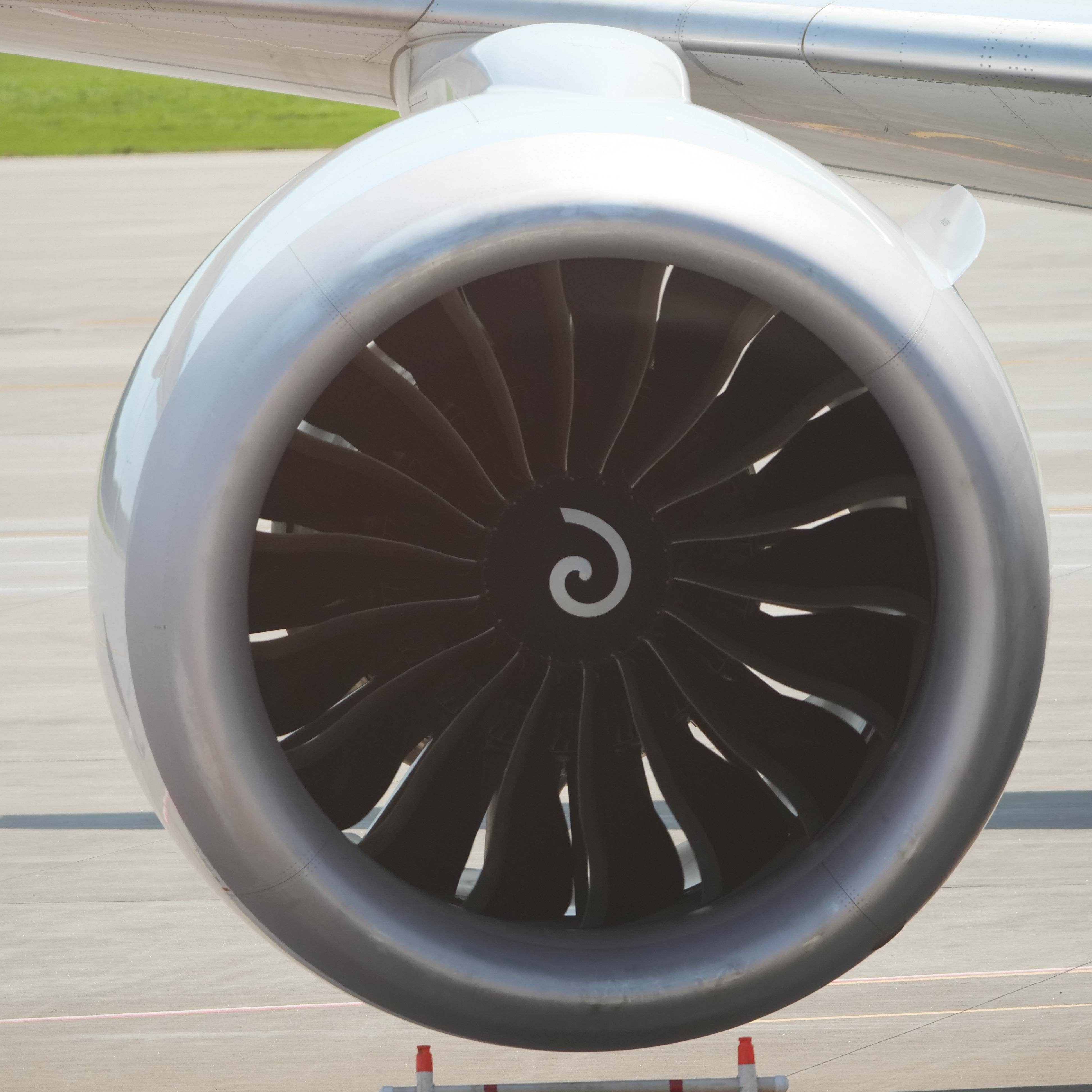
A jet engine nacelle is the streamlined enclosure that houses a jet engine on an aircraft, serving as a critical component in modern aviation. This sophisticated structure surrounds the engine and provides essential protection while optimizing aerodynamic performance. The jet engine nacelle integrates multiple systems including the inlet cowl, fan cowl, thrust reverser, and exhaust nozzle, all working together to ensure efficient engine operation. Its primary functions include protecting the engine from foreign object damage, reducing aerodynamic drag, providing acoustic insulation to minimize noise pollution, and facilitating maintenance access. Technologically, the jet engine nacelle incorporates advanced composite materials and aluminum alloys that offer exceptional strength-to-weight ratios while withstanding extreme temperatures and pressures. The design features smooth contours and carefully engineered airflow pathways that direct air into the engine efficiently while managing bypass airflow. Fire suppression systems, anti-icing mechanisms, and vibration dampening technologies are embedded within the structure to enhance safety and reliability. Applications span across commercial aviation, military aircraft, and business jets, with each jet engine nacelle customized to match specific engine models and aircraft configurations. Modern nacelles also incorporate noise-reducing chevrons and acoustic liners that significantly decrease engine noise during takeoff and landing. The integration of thrust reversers within the nacelle structure enables safer landings by redirecting engine thrust forward, providing additional braking capability that reduces runway requirements and enhances operational safety in various weather conditions.

Popular Products

Choosing a high-quality jet engine nacelle delivers substantial operational benefits that directly impact your bottom line and flight safety. The aerodynamic efficiency of a well-designed jet engine nacelle reduces fuel consumption by minimizing drag, translating to lower operating costs over the aircraft's lifetime and improved environmental performance. This fuel efficiency becomes particularly valuable during long-haul operations where even small percentage improvements generate significant savings. The robust construction protects your expensive engine investment from damage caused by bird strikes, hail, and debris, preventing costly repairs and reducing unexpected downtime. Maintenance accessibility features built into the jet engine nacelle design allow technicians to perform inspections and repairs quickly, minimizing aircraft ground time and maximizing revenue-generating flight hours. The integrated noise reduction technology helps airlines meet increasingly strict airport noise regulations, enabling operations at noise-sensitive airports and during restricted hours that competitors might not access. For operators, the fire protection systems embedded in the jet engine nacelle provide critical safety margins, automatically detecting and suppressing engine fires to protect passengers, crew, and aircraft assets. The thrust reverser functionality enhances landing performance, allowing operations at airports with shorter runways and improving safety margins during adverse weather conditions. Modern nacelles also offer modular designs that simplify component replacement and upgrades, extending the service life of your aircraft while maintaining compatibility with evolving engine technologies. Temperature management systems within the nacelle ensure optimal engine performance across varying atmospheric conditions, from tropical heat to arctic cold. The corrosion-resistant materials and protective coatings reduce long-term maintenance requirements, preserving structural integrity and appearance throughout decades of service while maintaining resale value for aircraft owners and leasing companies.

Latest News

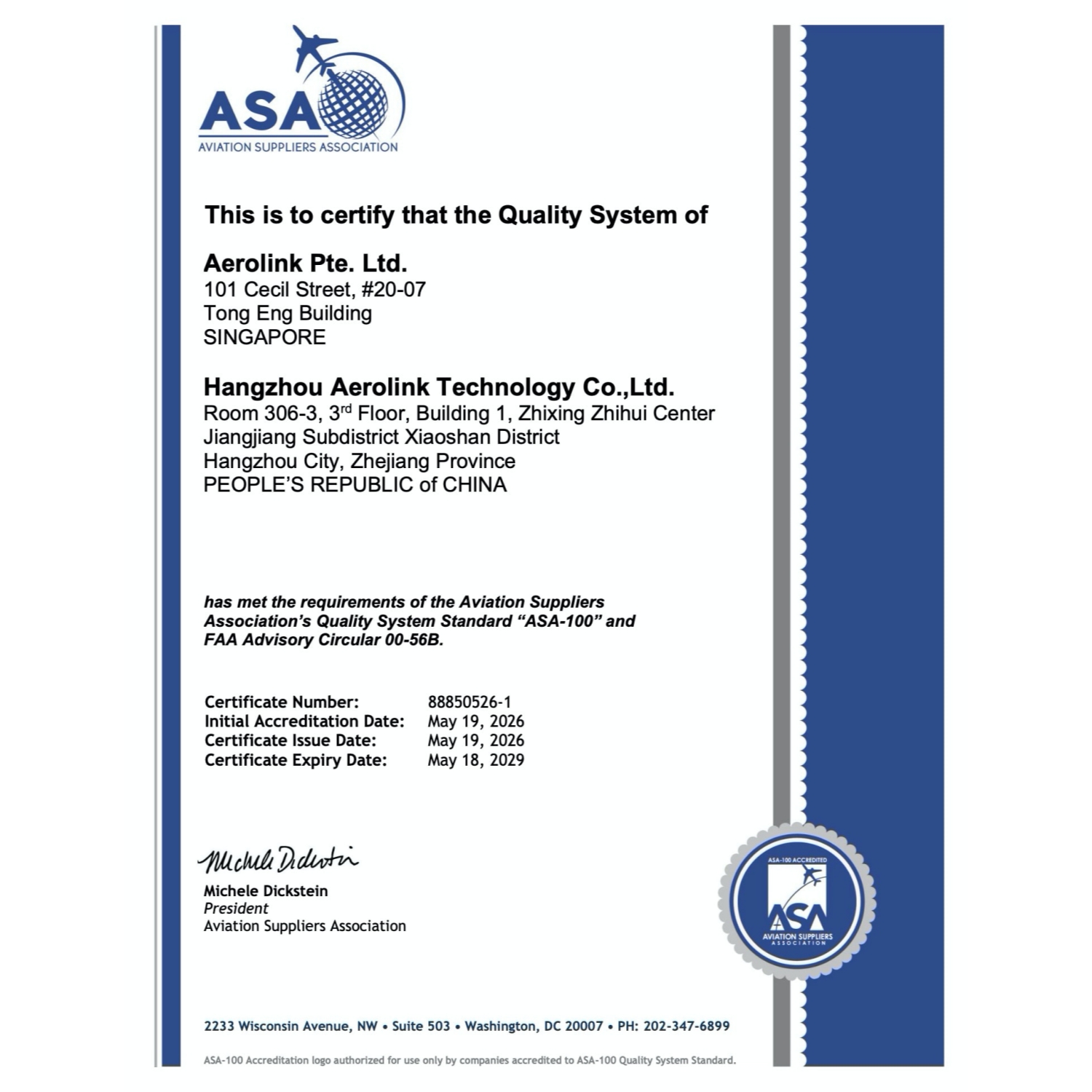
AeroLink Successfully Obtains ASA-100 and CAMAC Aviation Material Distributor Certifications

16

Jun

AeroLink Successfully Obtains ASA-100 and CAMAC Aviation Material Distributor Certifications

View More
Selecting Reliable GSE to Improve Ground Ops

15

Sep

Selecting Reliable GSE to Improve Ground Ops

Struggling with aircraft delays? Discover how choosing reliable GSE vendors improves turnaround time. Get your free vendor evaluation checklist.
View More
Key Steps to Evaluate Used Plane Engine Materials

14

Sep

Key Steps to Evaluate Used Plane Engine Materials

How to properly evaluate used plane engine materials for airworthiness, safety & compliance. Avoid costly failures—get the expert 10-step inspection protocol now.
View More
Essential Avio Procurement Advice for Operators

15

Sep

Essential Avio Procurement Advice for Operators

Struggling with aircraft downtime or compliance risks? This essential avio procurement guide helps operators optimize sourcing. Download your strategy blueprint now.
View More
Advanced Aerodynamic Performance

Advanced Aerodynamic Performance

The jet engine nacelle employs cutting-edge aerodynamic design principles that optimize airflow management around the engine, delivering measurable performance advantages. Engineers utilize computational fluid dynamics and wind tunnel testing to sculpt nacelle contours that minimize turbulence and drag forces during all flight phases. The carefully shaped inlet ensures smooth, uniform air delivery to the engine compressor, maximizing thrust efficiency while reducing fuel burn. External surfaces feature precisely calculated curvature that maintains laminar airflow, preventing boundary layer separation that would increase drag and reduce efficiency. The integration of pylon fairings creates seamless transitions between the nacelle and wing or fuselage mounting points, eliminating interference drag that conventional designs suffer. These aerodynamic refinements combine to reduce overall aircraft drag by several percentage points, which translates directly into lower fuel costs, extended range capabilities, and reduced carbon emissions. For commercial operators, this efficiency enables more profitable route structures and competitive advantages in fuel-sensitive markets. The performance benefits remain consistent across varying flight conditions, from takeoff thrust requirements through cruise efficiency to descent operations, ensuring optimal economics throughout every mission profile.
Comprehensive Noise Reduction Technology

Comprehensive Noise Reduction Technology

Modern jet engine nacelle designs incorporate sophisticated acoustic treatment systems that dramatically reduce engine noise emissions, addressing environmental concerns and regulatory requirements. The nacelle interior features advanced acoustic liners composed of honeycomb structures and perforated facesheets that absorb sound energy across critical frequency ranges, particularly targeting the fan noise that dominates during takeoff and approach. Chevron nozzles integrated into the nacelle exhaust section create micro-mixing of exhaust streams, breaking up large turbulent eddies that generate low-frequency noise and replacing them with smaller, higher-frequency disturbances that dissipate more rapidly. This technology can reduce perceived noise levels by 3-4 decibels, representing a significant improvement that benefits communities near airports. The acoustic benefits extend beyond regulatory compliance, enhancing passenger comfort by reducing cabin noise levels and improving the flight experience. Airlines operating with quiet nacelle technology gain access to noise-restricted airports and favorable scheduling slots during early morning and late evening hours when premium business travelers prefer to fly. Environmental certifications become easier to achieve and maintain, protecting operating privileges and corporate reputation in an era of increasing environmental scrutiny.
Integrated Safety and Reliability Systems

Integrated Safety and Reliability Systems

The jet engine nacelle functions as a comprehensive safety platform, housing multiple protective systems that safeguard both the engine and aircraft. Fire detection and suppression systems continuously monitor critical zones within the nacelle, using redundant sensors that trigger automatic extinguishing systems upon detecting excessive heat or flames, containing potential fires before they threaten aircraft safety. Anti-icing systems prevent dangerous ice accumulation on inlet surfaces that could break loose and damage engine components, using engine bleed air or electrical heating elements to maintain safe operating conditions during flight through icing environments. Structural reinforcement in critical areas provides containment capability if internal engine components fail, preventing fragments from penetrating the nacelle skin and damaging aircraft systems or fuel tanks. Vibration isolation mounts dampen engine oscillations, protecting airframe structures from fatigue damage while improving passenger comfort. Lightning strike protection systems safely conduct electrical discharges away from sensitive components, preventing ignition of fuel vapors and protecting electronic engine controls. These integrated safety features work continuously and automatically, requiring no crew intervention while providing multiple layers of protection that significantly reduce operational risks and insurance costs for aircraft operators.