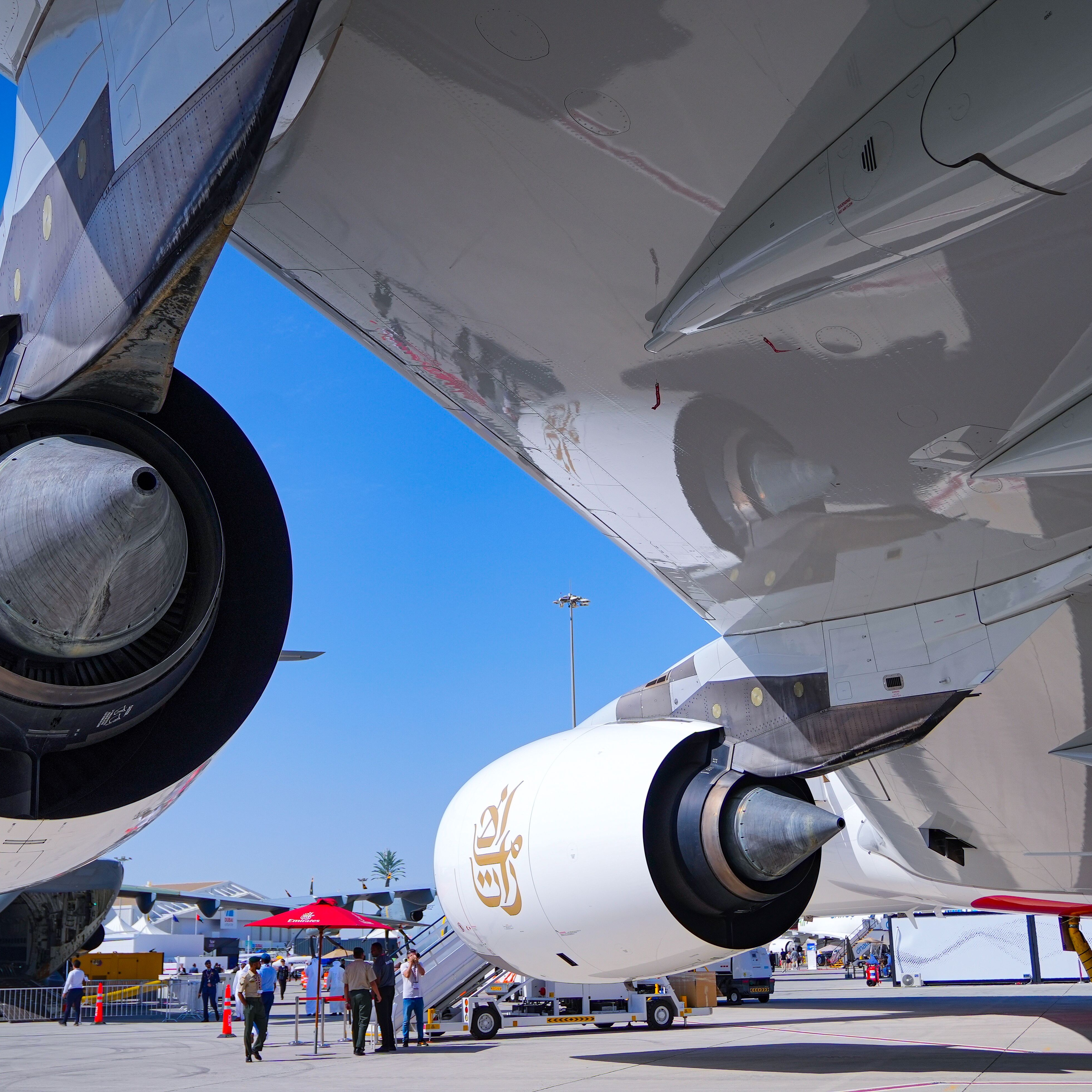
737 MAX Nacelle: Technology and Performance

application/737-max-nacelle, application/737-max-nacelle, 
Inquiry
Inquiry

737 max nacelle

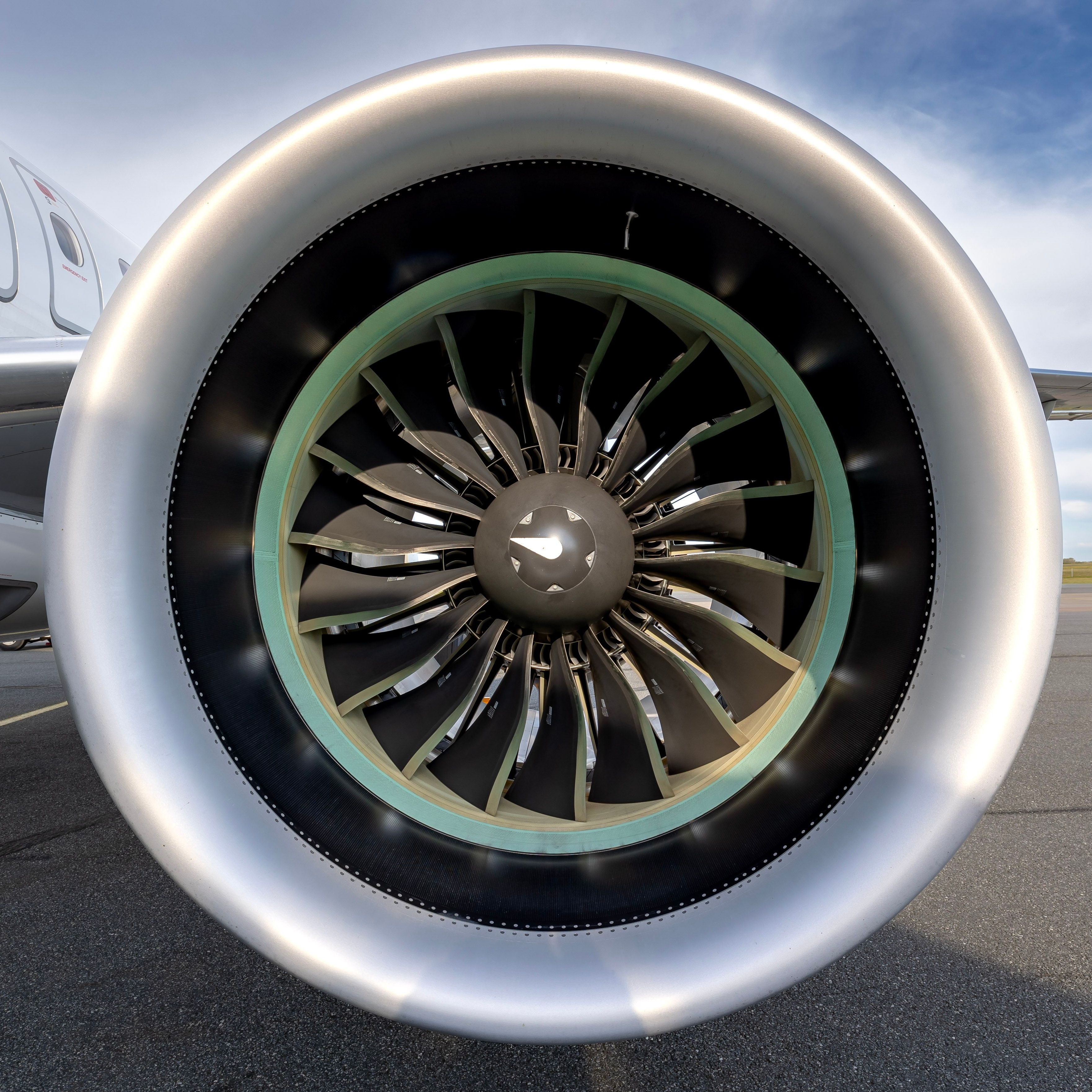
The 737 MAX nacelle represents a critical aerodynamic component that houses the LEAP-1B engine on Boeing's next-generation narrow-body aircraft. This advanced nacelle system integrates the engine with the aircraft airframe while providing essential protection and optimal aerodynamic performance. The 737 MAX nacelle features a distinctive chevron design on its trailing edge, which significantly reduces noise during takeoff and landing operations. Its primary functions include protecting the engine from environmental elements, directing airflow efficiently around the powerplant, and minimizing drag to enhance overall aircraft performance. The nacelle structure incorporates composite materials and aluminum alloys, offering an ideal balance between strength and weight reduction. Technologically, the 737 MAX nacelle utilizes advanced computational fluid dynamics during its design phase to optimize air intake and exhaust flow patterns. The system includes integrated thrust reversers that deploy after landing to decelerate the aircraft safely. Fire suppression systems are seamlessly incorporated within the nacelle structure to ensure maximum safety standards. Applications of the 737 MAX nacelle extend across commercial aviation sectors, serving airlines operating short to medium-haul routes worldwide. The nacelle's design specifically accommodates the larger diameter LEAP-1B engines while maintaining ground clearance requirements through strategic positioning. This engineering solution enables airlines to benefit from improved fuel efficiency and reduced operational costs while meeting stringent environmental regulations for noise and emissions compliance in modern aviation markets.

New Products

Airlines choosing aircraft equipped with the 737 MAX nacelle gain substantial operational advantages that directly impact their bottom line. The aerodynamic refinements in the nacelle design contribute to fuel savings of approximately 14 percent compared to previous generation models, translating to significant cost reductions over the aircraft's service life. This efficiency improvement means lower fuel expenses per flight hour, allowing carriers to operate more profitably on competitive routes. The noise reduction technology built into the 737 MAX nacelle delivers measurable community benefits by meeting the strictest airport noise restrictions worldwide. This acoustic performance opens access to noise-sensitive airports and enables airlines to schedule early morning or late evening flights that might otherwise face restrictions. From a maintenance perspective, the nacelle design simplifies inspection procedures and component access, reducing aircraft downtime and maintenance labor costs. The modular construction allows technicians to service specific sections without complete nacelle removal, minimizing time-consuming maintenance events. Operators benefit from the nacelle's compatibility with existing ground support equipment and maintenance facilities, eliminating costly infrastructure investments when transitioning their fleet. The proven reliability of the 737 MAX nacelle system reduces unscheduled maintenance events and improves dispatch reliability rates, which are crucial metrics for airline operational efficiency. The lightweight materials used in nacelle construction contribute to overall aircraft weight reduction, enabling either increased payload capacity or extended range capabilities depending on operational requirements. Airlines can configure their aircraft to match specific route demands while maintaining optimal performance characteristics. The integrated anti-icing systems within the nacelle ensure reliable operation across diverse climate conditions, from tropical environments to arctic operations, providing operational flexibility for airlines serving varied geographic markets.

Latest News

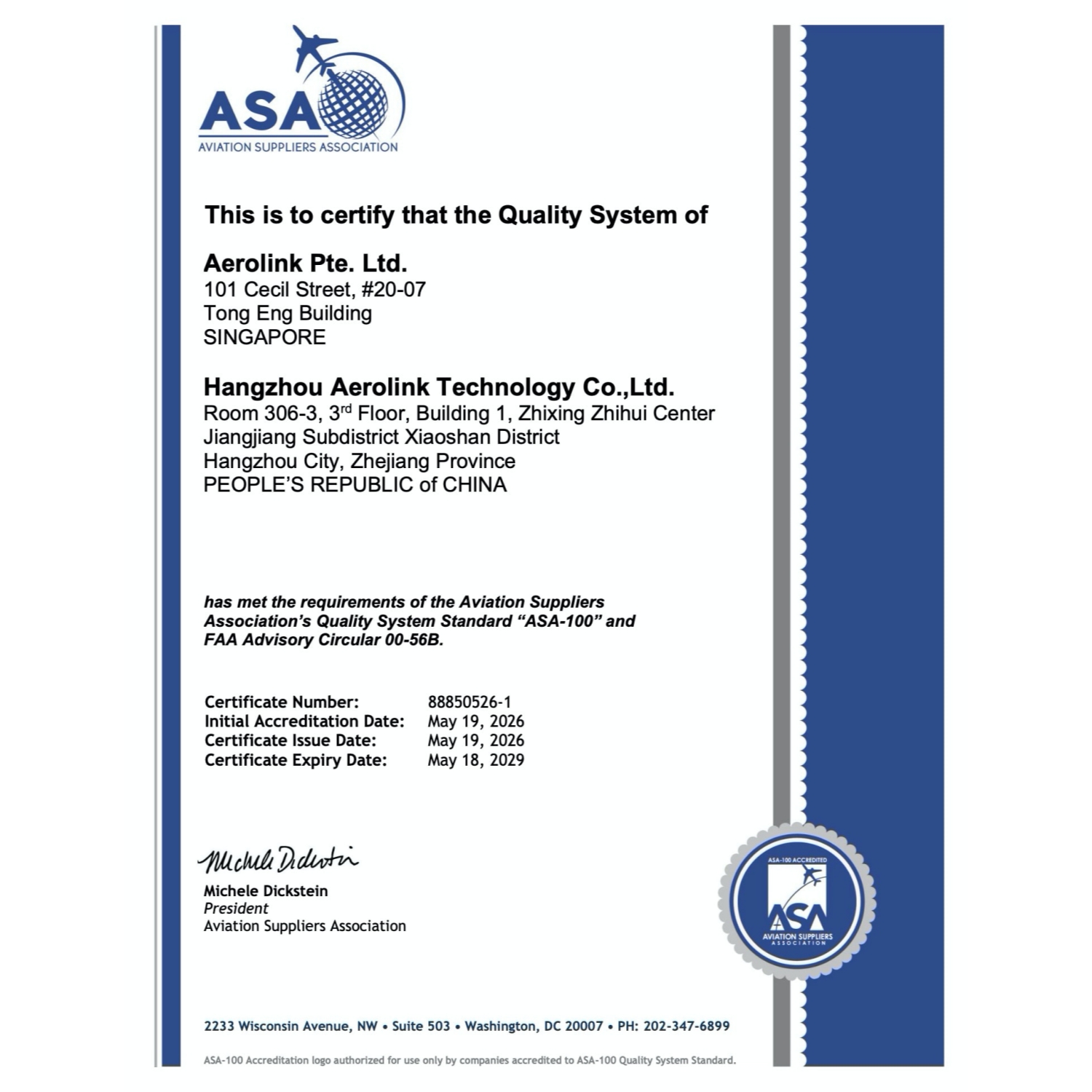
AeroLink Successfully Obtains ASA-100 and CAMAC Aviation Material Distributor Certifications

16

Jun

AeroLink Successfully Obtains ASA-100 and CAMAC Aviation Material Distributor Certifications

View More
AeroLink Team Participates in Singapore Airshow to Strengthen Global Aviation Industry Cooperation

16

Jun

AeroLink Team Participates in Singapore Airshow to Strengthen Global Aviation Industry Cooperation

View More
Ensuring Landing Gear Safety with Certified Parts

15

Sep

Ensuring Landing Gear Safety with Certified Parts

Why certified landing gear prevents runway incidents and meets FAA/EASA standards. Learn how to source, verify, and maintain compliant parts—get the guide now.
View More
Key Steps to Evaluate Used Plane Engine Materials

14

Sep

Key Steps to Evaluate Used Plane Engine Materials

How to properly evaluate used plane engine materials for airworthiness, safety & compliance. Avoid costly failures—get the expert 10-step inspection protocol now.
View More
Advanced Aerodynamic Efficiency

Advanced Aerodynamic Efficiency

The 737 MAX nacelle incorporates cutting-edge aerodynamic design principles that maximize airflow efficiency throughout all flight phases. The carefully sculpted intake geometry ensures optimal air delivery to the LEAP-1B engine while minimizing external drag forces. Computational simulations guided the development of smooth contours that reduce turbulent airflow and pressure losses. The chevron-pattern exhaust nozzle represents a breakthrough in noise reduction technology, mixing hot exhaust gases with ambient air more effectively than conventional designs. This feature provides airlines with exceptional acoustic performance that satisfies increasingly stringent community noise standards at airports worldwide. The streamlined nacelle shape contributes measurably to the aircraft's overall fuel efficiency improvements, delivering real cost savings that accumulate significantly over thousands of flight hours. These aerodynamic refinements enable the 737 MAX nacelle to maintain high performance across diverse operating conditions, from sea-level departures in hot climates to high-altitude airports where engine performance becomes critical. The design optimization process considered multiple operational scenarios to ensure consistent benefits regardless of flight profile or environmental conditions, making the nacelle a versatile solution for global airline operations.
Lightweight Composite Construction

Lightweight Composite Construction

The 737 MAX nacelle utilizes advanced composite materials strategically combined with aluminum structures to achieve an optimal strength-to-weight ratio. This material selection reduces overall nacelle weight compared to traditional all-metal designs, contributing directly to improved aircraft fuel efficiency and performance. The composite panels resist corrosion from environmental exposure, reducing long-term maintenance requirements and extending component service life. Airlines benefit from decreased inspection frequencies and lower parts replacement costs throughout the operational lifespan. The manufacturing processes for these composite components employ precision techniques that ensure consistent quality and dimensional accuracy across production units. This consistency translates to reliable fit and performance characteristics that maintenance teams can depend on during service events. The durability of composite materials withstands the thermal cycling, vibration loads, and weather exposure encountered during typical airline operations without degradation. The weight savings from composite construction allows aircraft to carry additional payload or fuel, providing operational flexibility that airlines value for route optimization. The environmental benefits extend beyond operational efficiency, as the lighter nacelle contributes to reduced carbon emissions over the aircraft's service life, supporting airline sustainability initiatives and regulatory compliance objectives.
Integrated Safety and Reliability Systems

Integrated Safety and Reliability Systems

Safety represents a paramount consideration in the 737 MAX nacelle design, with multiple redundant systems protecting both the engine and aircraft. The integrated fire detection and suppression system monitors critical nacelle zones continuously, providing immediate alerts and automated response capabilities if anomalies occur. This comprehensive protection system incorporates multiple sensors strategically positioned throughout the nacelle structure to ensure complete coverage of potential fire zones. The thrust reverser mechanism built into the 737 MAX nacelle deploys reliably to assist braking action during landing rollout, reducing runway distance requirements and enhancing safety margins at airports with shorter runways. Rigorous testing protocols validate thrust reverser performance across all operational conditions, from icy runways to contaminated surfaces. The nacelle structure itself provides robust containment capability, designed to manage engine debris in the unlikely event of internal component failure, protecting critical aircraft systems and passenger safety. Anti-icing systems prevent ice accumulation on critical nacelle surfaces during flight through adverse weather conditions, ensuring consistent engine performance and intake airflow. These integrated safety features work together seamlessly, providing pilots and airlines with confidence in the nacelle system's reliability across all operational scenarios and environmental conditions encountered in commercial aviation service worldwide.