Airplane Undercarriage Solutions & Benefits

application/airplane-undercarriage, application/airplane-undercarriage, 
Inquiry
Inquiry

airplane undercarriage

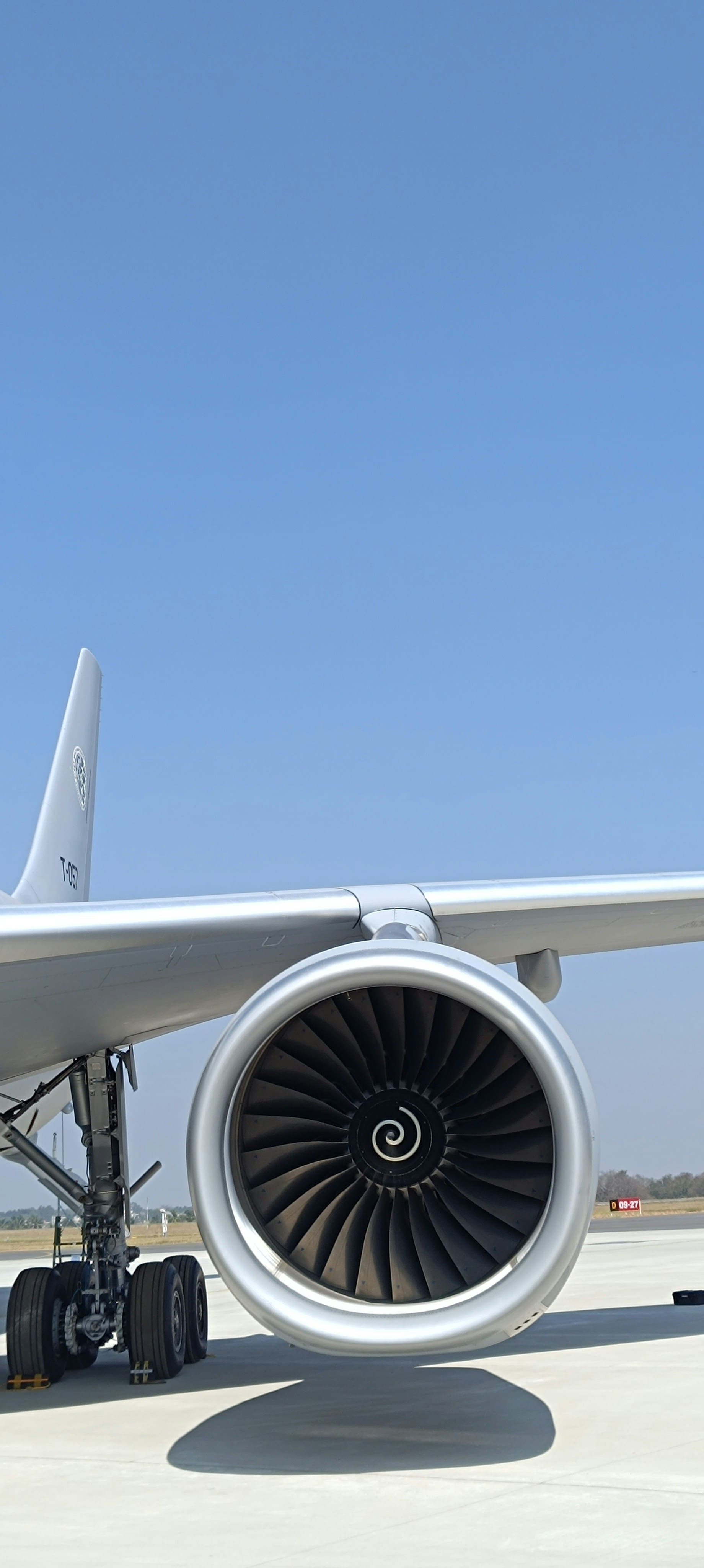
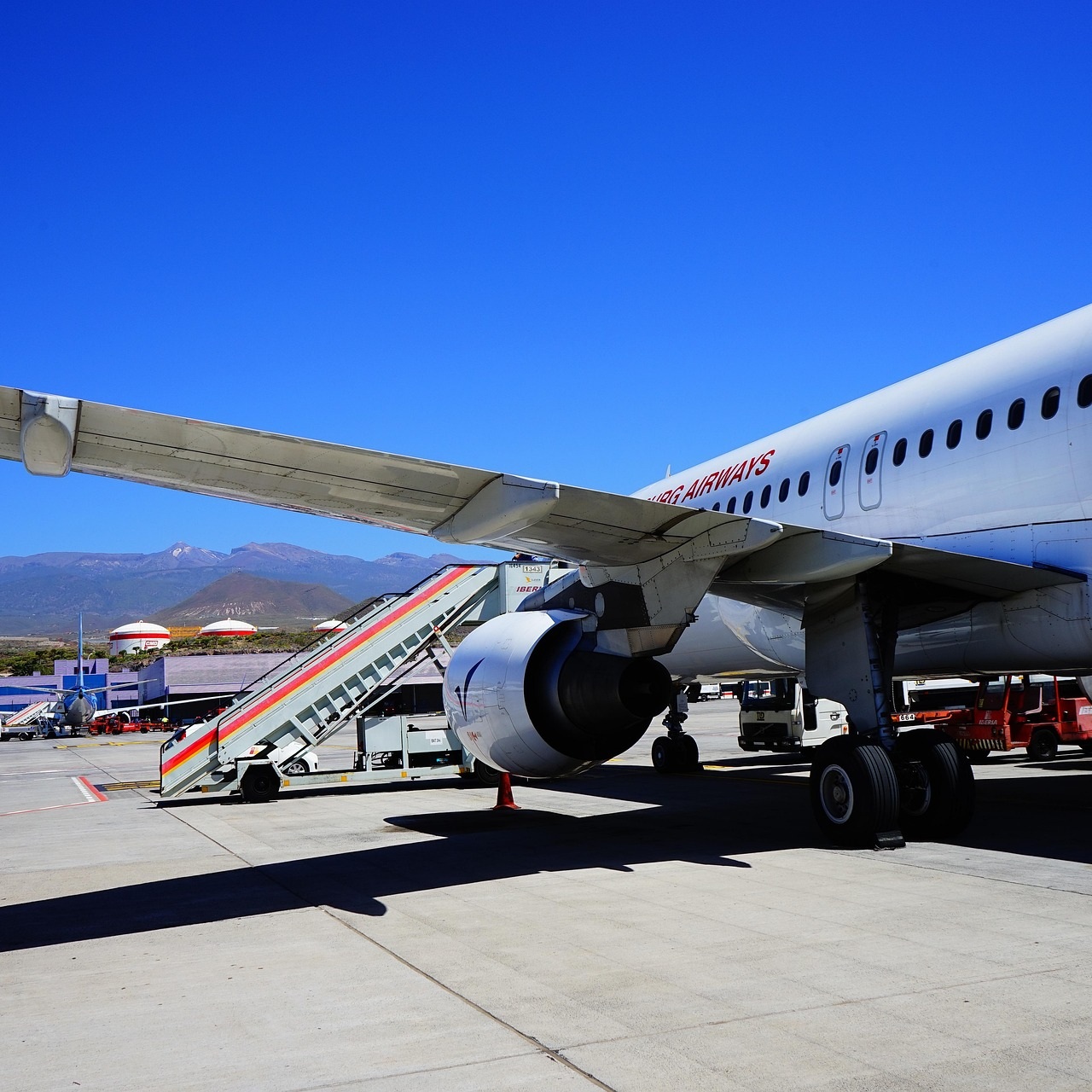
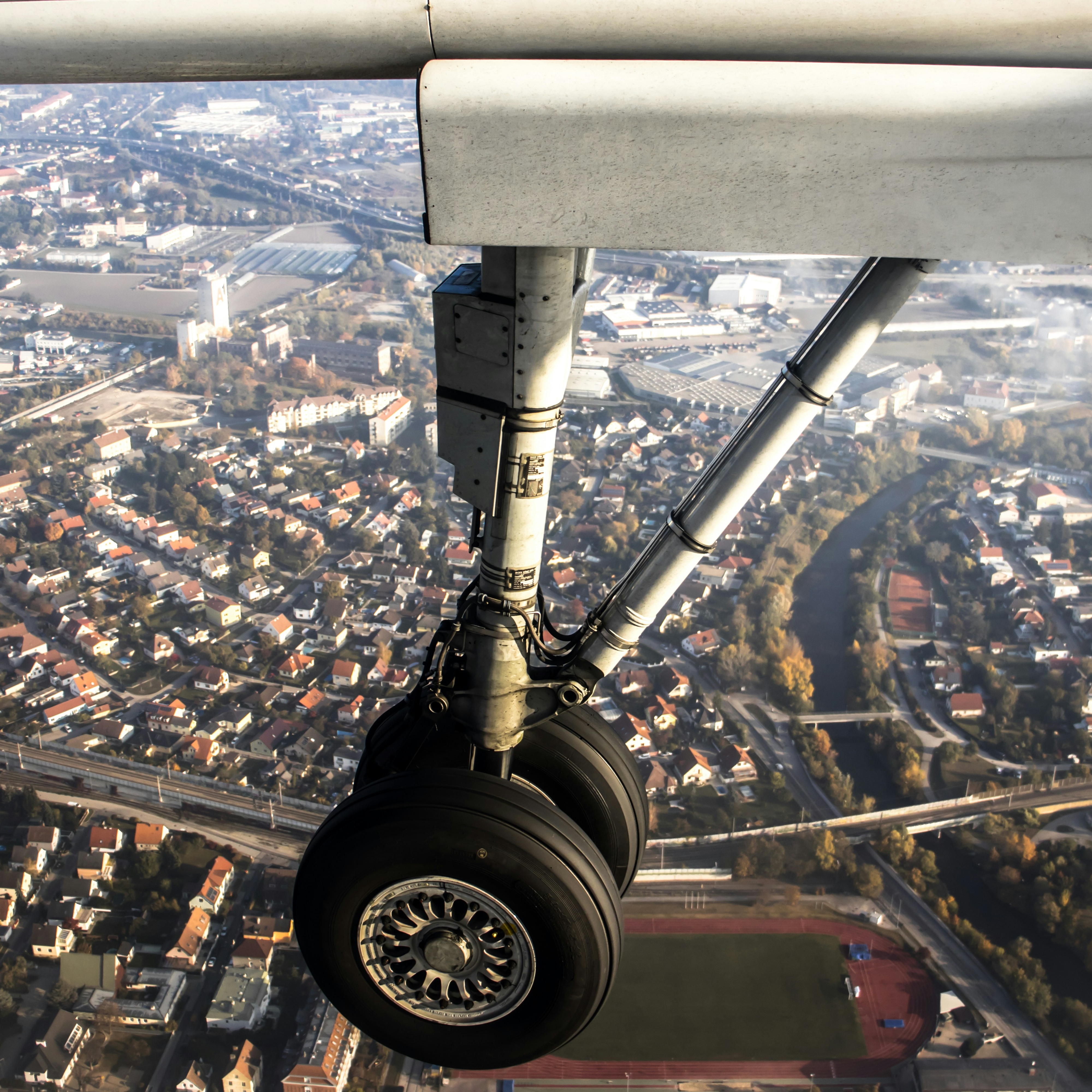
The airplane undercarriage, commonly known as the landing gear system, serves as one of the most critical structural components of any aircraft. This sophisticated assembly enables safe takeoffs, landings, and ground operations while supporting the entire weight of the aircraft during these phases. The airplane undercarriage consists of multiple interconnected elements including shock absorbers, wheels, brakes, retraction mechanisms, and supporting structures that work together seamlessly. Modern airplane undercarriage systems incorporate advanced hydraulic technology, high-strength alloys, and precision engineering to withstand extreme forces during landing impacts and provide reliable performance across thousands of operational cycles. The primary functions include absorbing landing shock loads, providing stable ground support, enabling directional control during taxiing, and facilitating smooth braking operations. Technological features of contemporary airplane undercarriage designs encompass anti-skid braking systems, automated retraction sequences, position indicators, and weight-on-wheels sensors that integrate with aircraft flight control systems. Applications span the entire aviation industry from small general aviation aircraft to massive commercial airliners and military jets. Each airplane undercarriage configuration is specifically engineered to match aircraft performance requirements, operational environments, and mission profiles. The system must operate flawlessly in diverse conditions including varying temperatures, runway surfaces, crosswinds, and loading scenarios while maintaining strict safety standards and certification requirements throughout its service life.


New Product Recommendations

Investing in a quality airplane undercarriage delivers substantial practical benefits that directly impact operational efficiency and safety margins. The robust construction ensures extended service intervals, reducing maintenance downtime and associated costs while maximizing aircraft availability for revenue-generating flights. Operators benefit from enhanced reliability that minimizes unexpected failures and costly emergency repairs, providing predictable maintenance scheduling and budget planning. The advanced shock absorption capabilities of modern airplane undercarriage systems protect both the airframe structure and passenger comfort by dissipating landing forces effectively, which extends overall aircraft lifespan and reduces structural fatigue accumulation. Superior braking performance shortens landing distances, enabling operations at airports with limited runway lengths and expanding route possibilities for airlines. The streamlined retraction mechanisms reduce aerodynamic drag during flight, contributing to improved fuel efficiency and lower operating costs per flight hour. Buyers gain value through compatibility with various runway surfaces including asphalt, concrete, grass, and even unpaved strips, making the airplane undercarriage suitable for diverse operational scenarios. The modular design facilitates easier component replacement and upgrades, ensuring long-term supportability and adaptation to evolving performance requirements. Operational benefits extend to enhanced ground handling characteristics, improved directional stability during crosswind landings, and reduced pilot workload through automated systems. Decision-makers appreciate the comprehensive testing and certification processes that validate airplane undercarriage performance under extreme conditions, providing confidence in safety-critical operations. The system's versatility accommodates different aircraft weights and configurations, offering scalability for fleet standardization and simplified spare parts inventory management across multiple aircraft types.

Latest News

Why Traceable Tools Are Vital for Compliance

15

Sep

Why Traceable Tools Are Vital for Compliance

Why traceable tools are non-negotiable for audit readiness, legal protection, and operational excellence.
View More
Sourcing Certified GSE Spares with Traceability

15

Sep

Sourcing Certified GSE Spares with Traceability

Struggling with aviation compliance risks? Source certified GSE spares with end-to-end traceability to ensure AS9100/ISO 9001 compliance. Download best practices now.
View More
How Plane Engine Sourcing Impacts Fleet Budgets

15

Sep

How Plane Engine Sourcing Impacts Fleet Budgets

How does plane engine sourcing really affect your fleet budget? Discover TCO drivers, spare parts costs, maintenance risks & ROI-optimized strategies. Download the guide.
View More
Advanced Shock Absorption Technology

Advanced Shock Absorption Technology

The airplane undercarriage incorporates state-of-the-art shock absorption systems that utilize precision-engineered oleo-pneumatic struts combining hydraulic fluid and compressed nitrogen gas. This sophisticated technology absorbs and dissipates tremendous kinetic energy during touchdown, converting vertical descent rates into controlled compression movements that protect the aircraft structure from damaging impact forces. The multi-stage damping characteristics provide optimal performance across varying landing weights and descent rates, automatically adjusting to different operational conditions without pilot intervention. This engineering excellence ensures consistent performance whether executing a gentle touchdown or managing a firm landing in challenging weather conditions. The shock absorption capability significantly reduces stress transmitted to the fuselage, wings, and other structural components, thereby extending airframe fatigue life and reducing long-term maintenance requirements. Passengers experience noticeably smoother landings, enhancing comfort and brand reputation for airlines. The proven reliability of these systems has been validated through millions of successful landing cycles worldwide, demonstrating exceptional durability and minimal degradation over extended service periods.
High-Performance Braking Systems

High-Performance Braking Systems

Modern airplane undercarriage features advanced multi-disc braking systems engineered with carbon composite or steel brake assemblies that deliver exceptional stopping power while managing extreme thermal loads generated during deceleration. The anti-skid technology continuously monitors wheel rotation speeds and modulates brake pressure to prevent tire lockup, maintaining directional control and maximizing braking efficiency on wet, icy, or contaminated runway surfaces. This intelligent system responds within milliseconds to changing friction conditions, automatically adjusting brake force distribution across individual wheels to compensate for asymmetric runway conditions or differential tire wear. The high-energy absorption capacity allows aircraft to safely reject takeoffs at high speeds and execute short-field landings, expanding operational flexibility and enhancing safety margins. Brake wear monitoring systems provide real-time condition data, enabling predictive maintenance scheduling that optimizes component replacement timing and reduces unnecessary inspections. The thermal management design incorporates ventilation features and heat-resistant materials that prevent brake fade during intensive operations such as multiple consecutive landings, ensuring consistent performance throughout demanding flight schedules.
Robust Structural Engineering

Robust Structural Engineering

The airplane undercarriage demonstrates exceptional structural integrity through precision-manufactured components utilizing aerospace-grade titanium alloys, high-strength steel, and advanced aluminum forgings selected for optimal strength-to-weight ratios. Each structural member undergoes rigorous stress analysis and fatigue testing to ensure performance margins far exceeding normal operational loads, providing substantial safety factors against unexpected conditions. The corrosion-resistant treatments and protective coatings applied to all airplane undercarriage components ensure longevity even when operating in harsh marine environments, extreme temperatures, or chemically aggressive conditions. Redundant load paths and fail-safe design principles guarantee that even in extremely unlikely component failure scenarios, the structure maintains sufficient integrity to complete safe landing operations. The modular architecture allows individual components to be inspected, serviced, or replaced without requiring complete system removal, significantly reducing maintenance time and aircraft out-of-service periods. Precision manufacturing tolerances ensure smooth retraction and extension cycles throughout the operational lifetime, with minimal play or wear in mechanical joints and actuators that could compromise performance or create maintenance issues.