nose gear
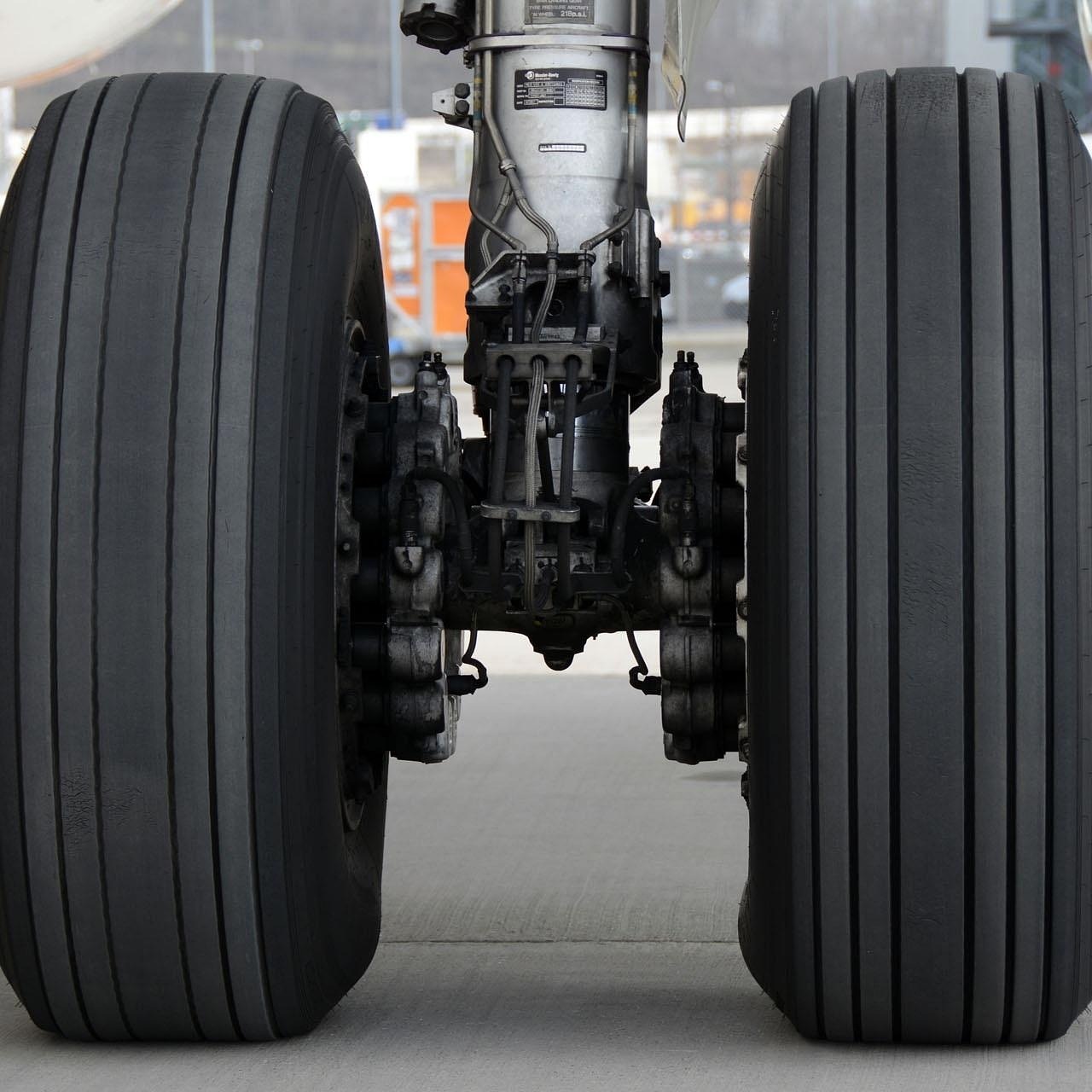
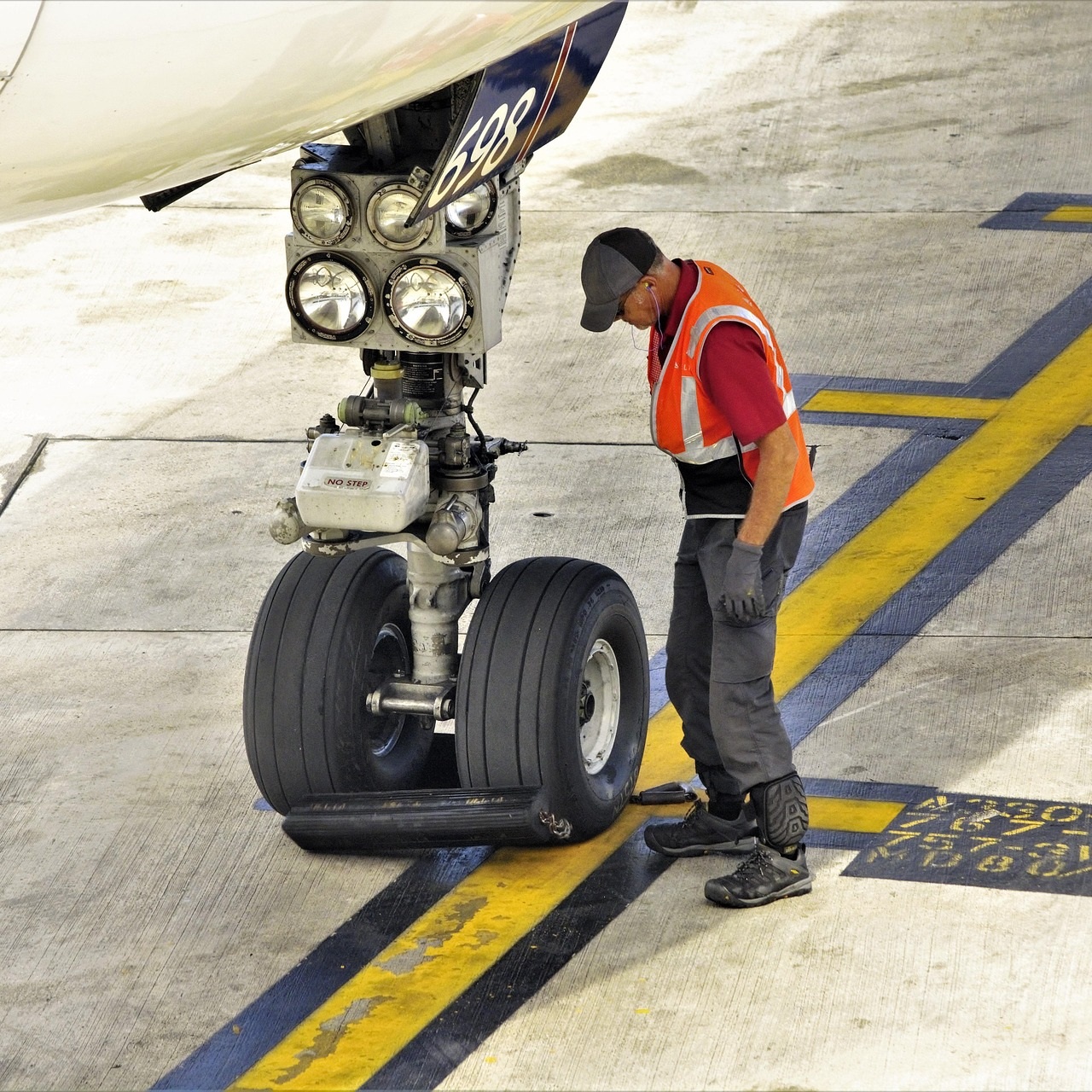
The nose gear represents a critical landing gear component positioned at the front section of an aircraft, serving as the primary steering and support mechanism during ground operations. This essential aviation system absorbs impact forces during landing, provides directional control during taxiing, and supports the aircraft's weight distribution while on the ground. Modern nose gear assemblies incorporate advanced hydraulic damping systems, precision-engineered struts, and reinforced structural elements designed to withstand repeated stress cycles throughout the aircraft's operational lifetime. The nose gear configuration typically includes shock-absorbing struts, retraction mechanisms, steering actuators, and wheel assemblies that work cohesively to ensure safe ground handling. Aircraft manufacturers engineer each nose gear system specifically for particular aircraft models, accounting for weight specifications, operational requirements, and performance parameters. The technological sophistication of contemporary nose gear designs reflects decades of aerospace engineering advancement, incorporating lightweight composite materials, corrosion-resistant alloys, and intelligent monitoring systems. Applications span commercial aviation, military aircraft, cargo transporters, and private jets, with each implementation customized to meet specific operational demands. The nose gear's reliability directly impacts flight safety, maintenance schedules, and operational efficiency, making it indispensable for modern aviation operations across all aircraft categories and mission profiles.




 EN