aircraft nose landing gear
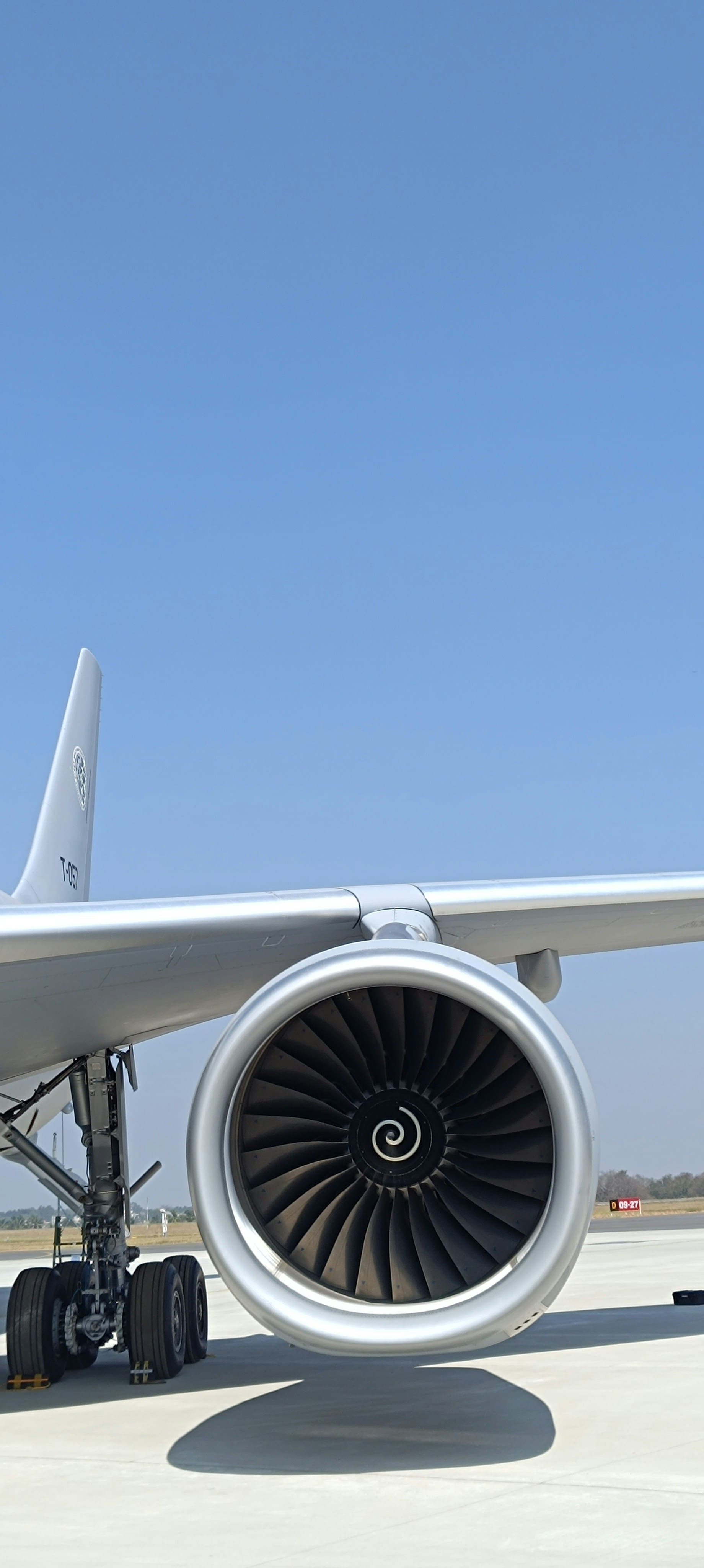
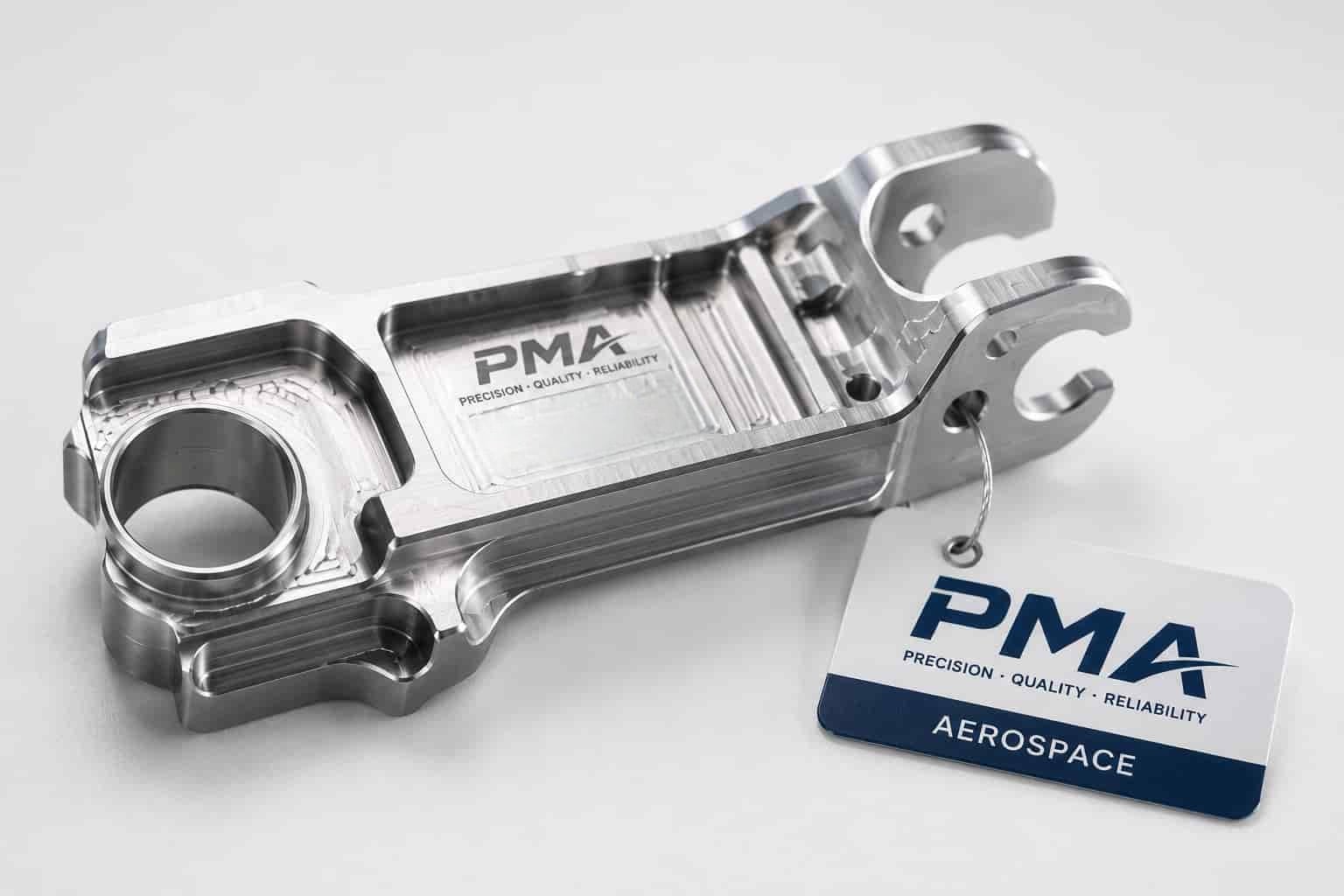
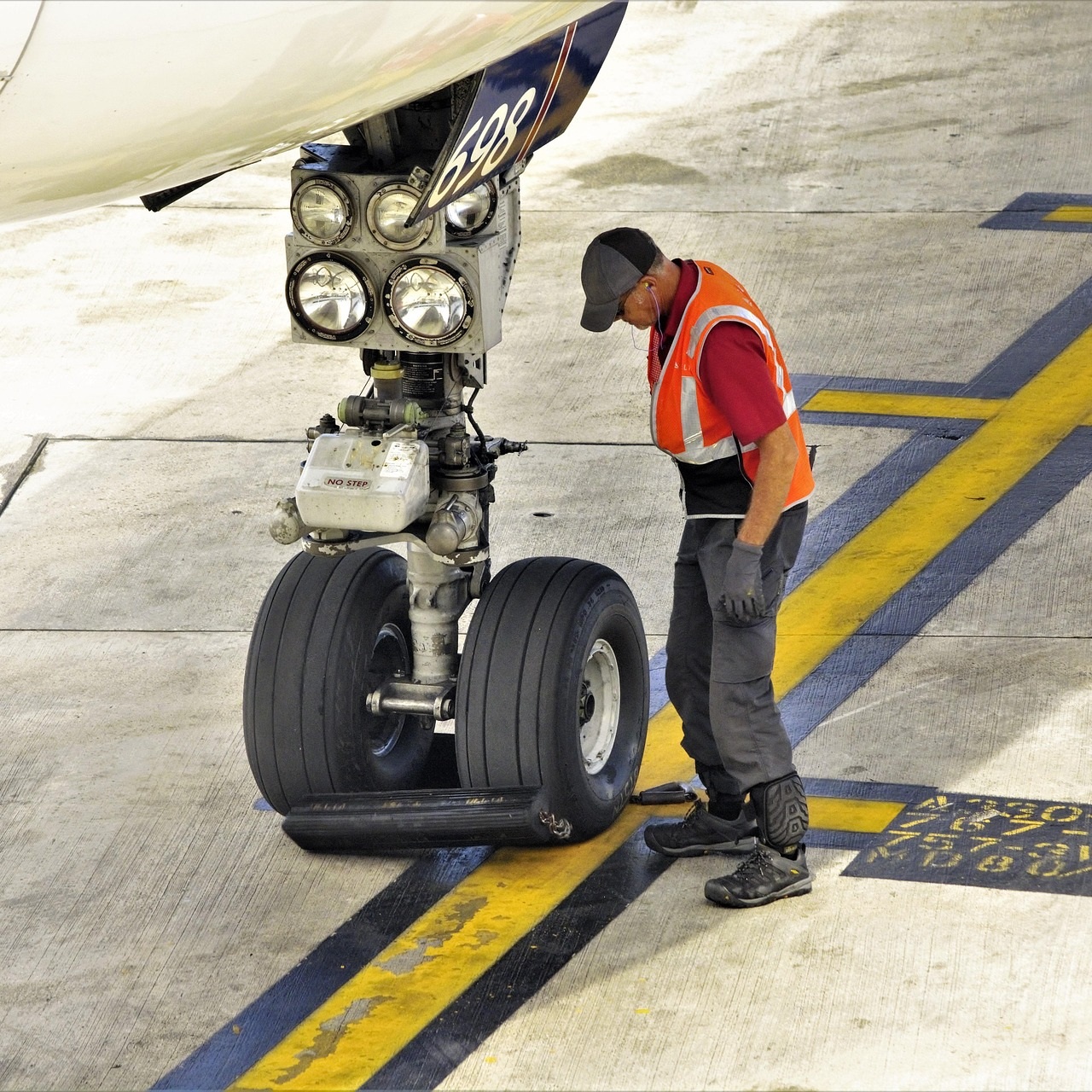
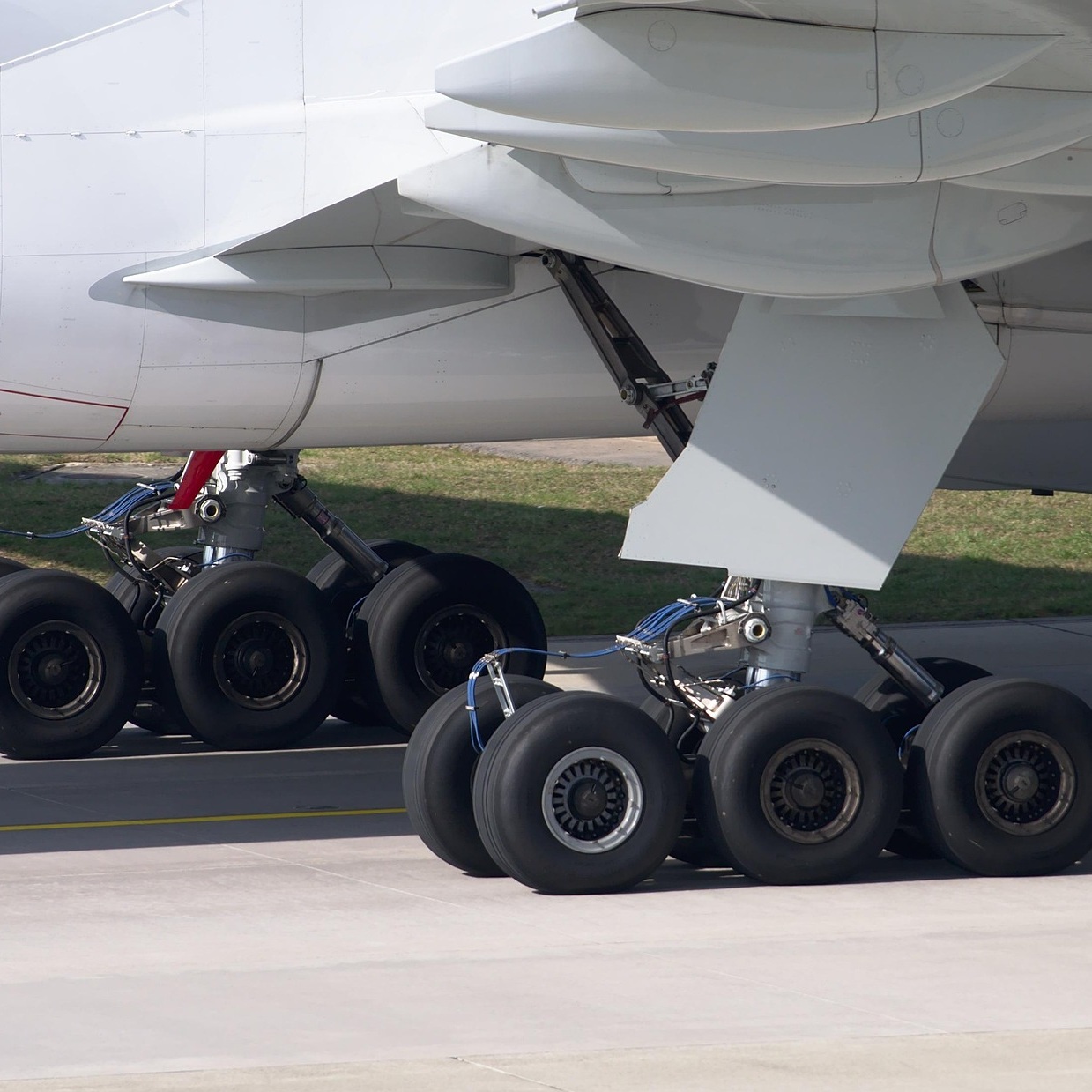
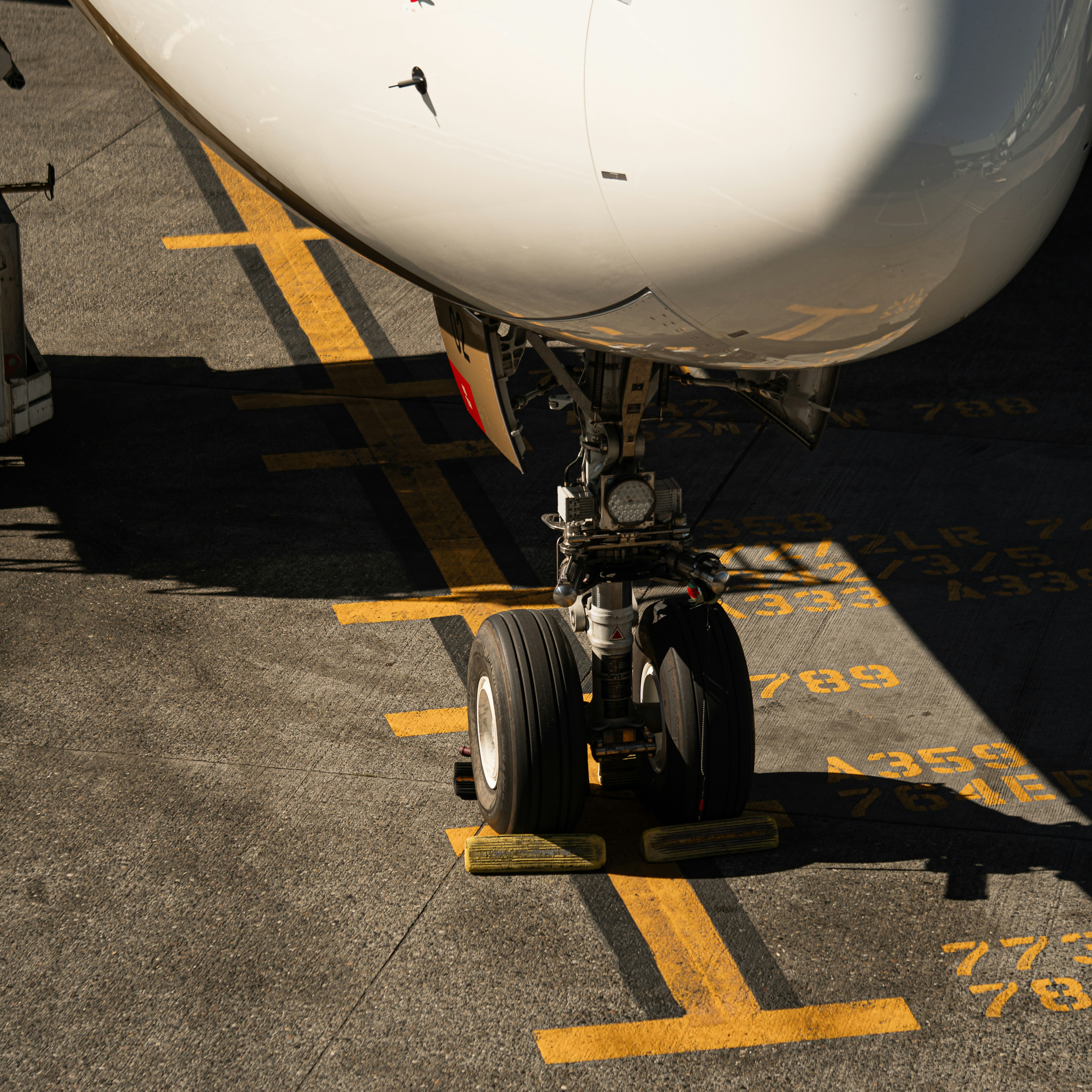
The aircraft nose landing gear is a critical structural and mechanical system located at the front of an aircraft, designed to support the aircraft's weight during ground operations, taxiing, takeoff, and landing. This essential component typically consists of a shock-absorbing strut, wheel assembly, steering mechanism, and retraction system that work together to ensure safe and stable ground handling. The aircraft nose landing gear plays a vital role in directional control, allowing pilots to maneuver the aircraft precisely on runways and taxiways through integrated steering capabilities. Modern aircraft nose landing gear incorporates advanced hydraulic or electromechanical systems that enable smooth extension and retraction during flight operations, contributing to aerodynamic efficiency and fuel economy. The shock absorption mechanism within the aircraft nose landing gear protects both the airframe and passengers from impact forces during landing, utilizing sophisticated damping technologies that dissipate energy effectively. This landing gear system must withstand extreme operational conditions, including high-speed impacts, varying load distributions, and environmental factors such as temperature fluctuations and corrosive elements. The aircraft nose landing gear is engineered with redundant safety features, robust materials like high-strength steel alloys and titanium, and precise manufacturing tolerances to guarantee reliability throughout the aircraft's service life. Regular maintenance and inspection protocols ensure the aircraft nose landing gear remains in optimal condition, preventing potential failures and extending component longevity while maintaining airworthiness standards.



 EN