Landing Gear 787: Advanced System Overview

application/landing-gear-787, application/landing-gear-787, 
Inquiry
Inquiry

landing gear 787

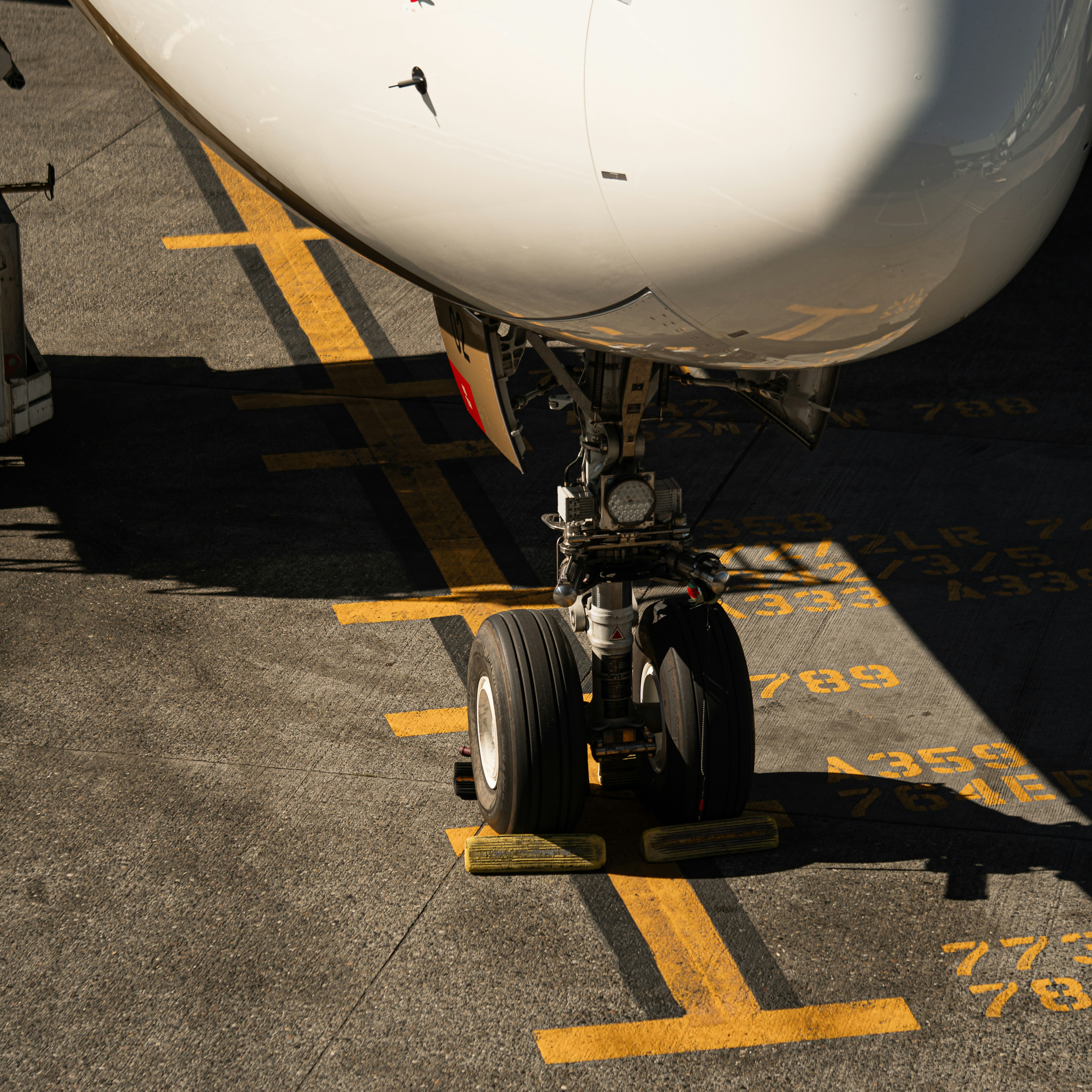
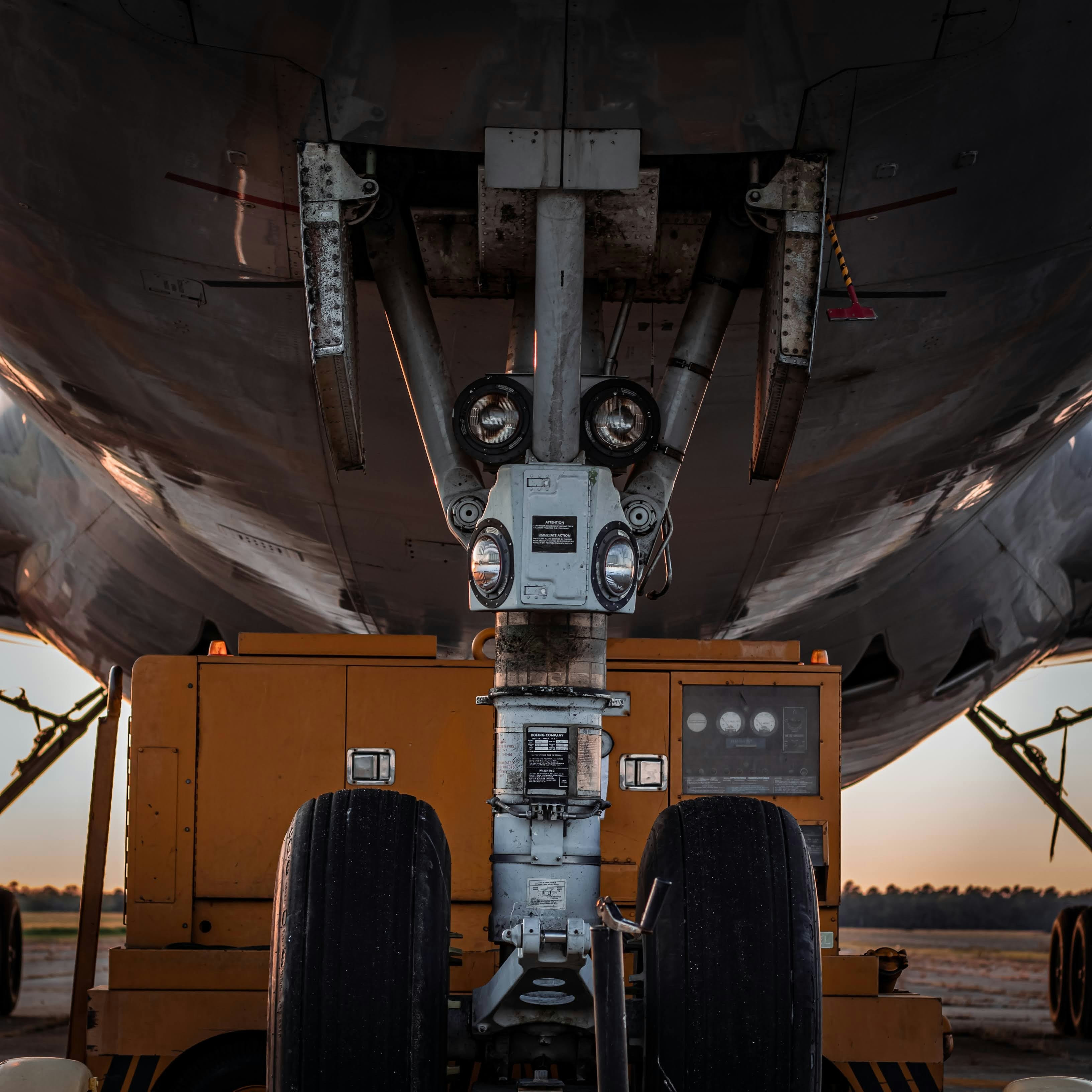
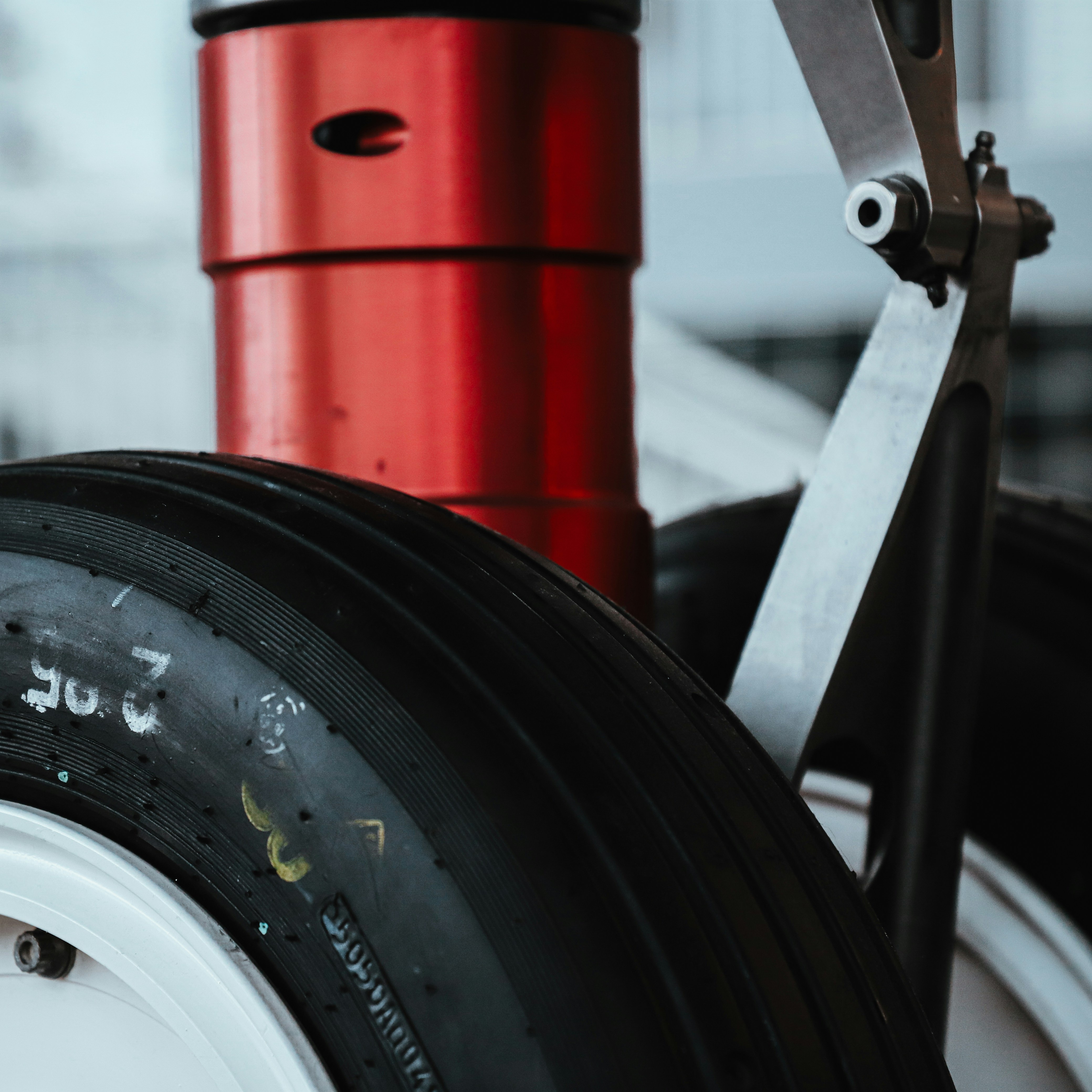
The landing gear 787 represents a cutting-edge undercarriage system engineered specifically for the Boeing 787 Dreamliner aircraft family. This advanced landing gear assembly serves as the critical structural foundation that supports the entire aircraft weight during ground operations, takeoff, and landing phases. The landing gear 787 incorporates sophisticated hydraulic actuation systems, high-strength titanium and steel alloys, and state-of-the-art shock absorption technology to ensure safe and reliable performance across diverse operating conditions. The main functions include supporting static and dynamic loads during ground maneuvering, providing controlled deceleration through integrated braking systems, and enabling smooth retraction and extension sequences during flight operations. Technologically, the landing gear 787 features advanced materials that reduce overall weight while maintaining exceptional strength and durability. The system integrates electronic monitoring capabilities that continuously assess component health and performance parameters, enabling predictive maintenance strategies. Carbon brake technology delivers superior stopping power with extended service life compared to conventional systems. The landing gear 787 finds primary application in commercial aviation, serving medium to long-haul routes across global airline fleets. Its design accommodates various runway surface conditions, from smooth concrete to rougher asphalt, while maintaining operational integrity. The system's modular architecture facilitates efficient maintenance procedures, reducing aircraft downtime and operational costs. With its proven reliability record and advanced engineering, the landing gear 787 continues to set industry benchmarks for safety, performance, and operational efficiency in modern widebody aircraft operations.


Popular Products

The landing gear 787 delivers substantial practical benefits that directly impact airline operational efficiency and cost management. Aircraft operators experience significantly reduced maintenance intervals due to the advanced materials and robust construction, which translates to fewer unscheduled groundings and improved aircraft availability. The lightweight titanium components decrease overall aircraft weight, enabling better fuel efficiency across every flight segment and generating measurable cost savings over the aircraft's service life. Airlines benefit from lower operating expenses as the carbon brake systems last considerably longer than traditional alternatives, requiring fewer replacements and reducing consumable parts inventory requirements. The landing gear 787 provides exceptional reliability in diverse weather conditions and airport environments, from tropical climates to arctic operations, ensuring consistent performance regardless of geographic location. Operators gain peace of mind through integrated health monitoring systems that provide real-time data on component wear and performance trends, allowing maintenance teams to plan interventions proactively rather than reactively. This predictive capability minimizes unexpected failures and optimizes maintenance scheduling around flight operations. The system's proven track record across global airline fleets demonstrates its capability to handle high-cycle operations while maintaining safety standards. For airlines evaluating fleet acquisition or upgrade decisions, the landing gear 787 represents a smart investment that balances initial costs with long-term operational value. The standardized design across the 787 family simplifies spare parts management and technician training, reducing complexity for airlines operating multiple aircraft variants. Ground handling teams appreciate the reliable extension and retraction performance, which contributes to on-time departures and efficient turnaround operations. The combination of durability, performance, and cost-effectiveness makes the landing gear 787 an essential component that supports airline profitability while ensuring passenger safety throughout every flight operation.

Tips And Tricks

Why Traceable Tools Are Vital for Compliance

15

Sep

Why Traceable Tools Are Vital for Compliance

Why traceable tools are non-negotiable for audit readiness, legal protection, and operational excellence.
View More
Sourcing Certified Aerospace Tools with Ease

15

Sep

Sourcing Certified Aerospace Tools with Ease

Struggling with FAA/EASA-compliant tool procurement? Discover how to source certified aerospace tools fast. Download the full guide now.
View More
Sourcing Verified Plane Engine Components Fast

15

Sep

Sourcing Verified Plane Engine Components Fast

Struggling with aircraft downtime? Discover proven strategies to source verified plane engine components rapidly—without compromising safety or compliance. Get started today.
View More
Sourcing Traceable APU Spare Parts Efficiently

14

Sep

Sourcing Traceable APU Spare Parts Efficiently

Struggling with APU part delays and audit risks? Discover how to source traceable APU spare parts efficiently while ensuring FAA/EASA compliance. Get actionable steps now.
View More
Advanced Weight-Optimized Engineering

Advanced Weight-Optimized Engineering

The landing gear 787 showcases remarkable engineering innovation through its strategic use of lightweight titanium alloys and advanced composite materials that significantly reduce structural weight without compromising strength or safety margins. This weight optimization directly contributes to improved aircraft fuel efficiency, allowing airlines to reduce operating costs on every flight while simultaneously decreasing environmental impact through lower emissions. The engineering team achieved this balance by conducting extensive finite element analysis and stress testing to identify opportunities for material reduction in non-critical areas while reinforcing high-stress zones with superior alloys. Each component undergoes rigorous quality control and testing protocols to ensure it meets or exceeds aviation safety standards. The weight savings accumulated across the entire landing gear 787 assembly enables airlines to carry additional payload or extend range capabilities, providing operational flexibility that enhances route profitability. This advanced engineering approach represents years of aerospace research and development, combining computational modeling with real-world testing to create a landing gear system that sets new industry standards for the optimal balance between structural integrity and weight efficiency in modern commercial aviation applications.
Integrated Health Monitoring Technology

Integrated Health Monitoring Technology

The landing gear 787 incorporates sophisticated sensor networks and diagnostic systems that continuously monitor critical performance parameters throughout all phases of aircraft operation. These integrated monitoring capabilities track brake temperatures, hydraulic pressure levels, shock strut compression rates, and structural stress indicators, transmitting real-time data to aircraft maintenance computers for analysis and trend tracking. This technological advancement enables maintenance teams to identify potential issues before they develop into operational problems, shifting from reactive repair strategies to proactive maintenance planning. Airlines benefit from reduced unscheduled maintenance events, improved aircraft dispatch reliability, and optimized parts inventory management based on actual component condition rather than fixed calendar intervals. The health monitoring system generates detailed reports that help operators understand usage patterns and component wear rates, supporting data-driven decisions about maintenance scheduling and component replacement timing. This intelligence allows airlines to maximize the service life of landing gear 787 components while maintaining the highest safety standards. The predictive maintenance capabilities reduce overall maintenance costs by preventing premature part replacements and avoiding more expensive repairs that result from undetected wear progression, delivering measurable financial benefits throughout the aircraft's operational lifespan.
Superior Carbon Brake Performance

Superior Carbon Brake Performance

The landing gear 787 features advanced carbon brake technology that delivers exceptional stopping performance combined with remarkable durability and longevity compared to conventional steel brake systems. Carbon brakes generate consistent friction characteristics across wide temperature ranges, providing pilots with predictable and reliable braking response during both routine landings and emergency situations. The superior heat dissipation properties of carbon material allow for repeated heavy braking cycles without performance degradation, which proves particularly valuable during pilot training operations or when operating from airports with shorter runways. Airlines experience substantial cost savings as carbon brakes typically last three to four times longer than traditional alternatives, dramatically reducing the frequency of brake replacements and associated labor costs. The lighter weight of carbon brake assemblies contributes additional fuel savings while the reduced brake dust generation minimizes environmental impact and decreases cleaning requirements for aircraft wheels and surrounding structures. Maintenance teams appreciate the simplified inspection procedures and extended service intervals that carbon brake technology enables. The landing gear 787 brake system incorporates anti-skid technology that works seamlessly with the carbon material properties to optimize braking efficiency while preventing tire damage from wheel lockup, protecting another expensive aircraft component and enhancing overall operational safety and economy.