Aircraft Struts: Structural Components & Solutions

application/aircraft-struts, application/aircraft-struts, 
Inquiry
Inquiry

aircraft struts

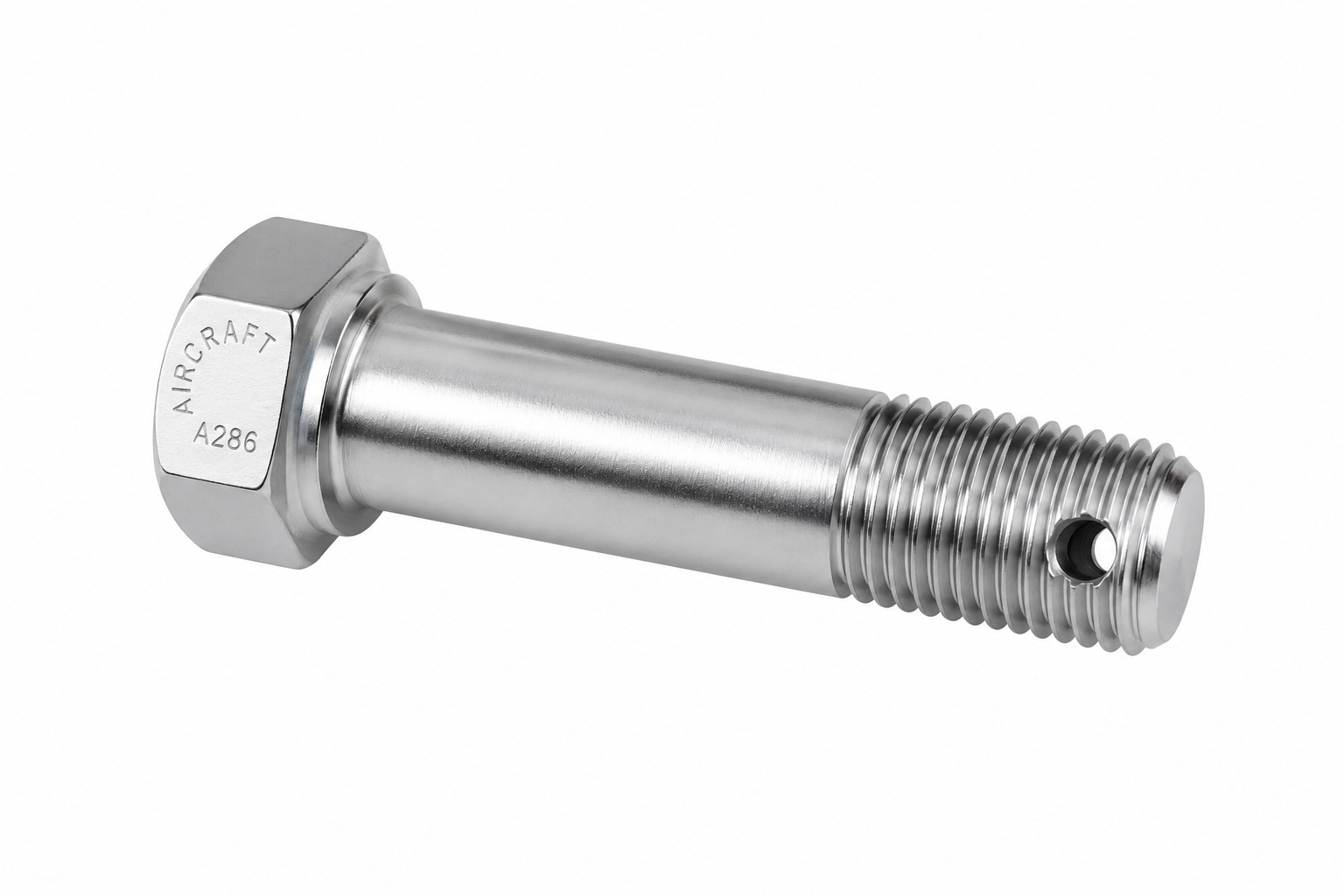
Aircraft struts are critical structural components engineered to provide essential support and stability to various aircraft systems and assemblies. These precision-manufactured elements serve as load-bearing members that connect different parts of an aircraft, ensuring structural integrity throughout flight operations. Aircraft struts function primarily to distribute aerodynamic forces, absorb shock loads during takeoff and landing, and maintain proper alignment of wings, landing gear, and fuselage sections. Modern aircraft struts incorporate advanced materials such as high-strength aluminum alloys, titanium, and composite materials that deliver exceptional strength-to-weight ratios. The technological features of aircraft struts include sophisticated engineering designs that account for stress distribution, fatigue resistance, and corrosion protection. Many contemporary aircraft struts feature integrated damping systems that reduce vibration transmission and enhance passenger comfort. These components undergo rigorous testing protocols including stress analysis, fatigue testing, and environmental simulation to ensure reliability under extreme operational conditions. Aircraft struts find applications across commercial aviation, military aircraft, general aviation, and unmanned aerial vehicles. They are essential in wing-to-fuselage connections, landing gear assemblies, engine mounting systems, and control surface attachments. The versatility of aircraft struts makes them indispensable for both new aircraft manufacturing and maintenance, repair, and overhaul operations, where replacement struts must meet exact specifications to maintain airworthiness standards and regulatory compliance.

New Product Recommendations

Investing in high-quality aircraft struts delivers substantial operational benefits that directly impact safety, performance, and cost-effectiveness. These components provide exceptional structural reliability, ensuring your aircraft maintains optimal performance throughout its service life. The lightweight construction of modern aircraft struts reduces overall aircraft weight, which translates into improved fuel efficiency and increased payload capacity—critical factors that enhance your operational profitability. Aircraft struts engineered with advanced materials offer superior fatigue resistance, meaning fewer replacement cycles and reduced maintenance downtime. This longevity provides significant cost savings over the aircraft's operational lifetime while minimizing unexpected service interruptions. The precision manufacturing of aircraft struts ensures perfect fitment and alignment, which prevents premature wear on connected components and maintains optimal aerodynamic performance. Enhanced vibration damping characteristics create a smoother flight experience, improving passenger comfort and reducing stress on sensitive avionics equipment. Aircraft struts designed with corrosion-resistant treatments withstand harsh environmental conditions, from coastal salt exposure to extreme temperature variations, extending component life in demanding operational environments. The application suitability of aircraft struts spans diverse aircraft types and configurations, providing versatile solutions whether you operate commercial jetliners, cargo aircraft, helicopters, or private business jets. Certified aircraft struts meet stringent aviation safety standards, ensuring regulatory compliance and maintaining your aircraft's airworthiness certification. When making purchasing decisions, the combination of proven reliability, extended service intervals, weight optimization, and regulatory compliance makes aircraft struts a value-driven investment that protects both operational efficiency and safety margins while supporting long-term fleet management objectives.

Latest News

Ensuring Landing Gear Safety with Certified Parts

15

Sep

Ensuring Landing Gear Safety with Certified Parts

Why certified landing gear prevents runway incidents and meets FAA/EASA standards. Learn how to source, verify, and maintain compliant parts—get the guide now.
View More
Key Steps to Evaluate Used Plane Engine Materials

14

Sep

Key Steps to Evaluate Used Plane Engine Materials

How to properly evaluate used plane engine materials for airworthiness, safety & compliance. Avoid costly failures—get the expert 10-step inspection protocol now.
View More
Sourcing Verified Plane Engine Components Fast

15

Sep

Sourcing Verified Plane Engine Components Fast

Struggling with aircraft downtime? Discover proven strategies to source verified plane engine components rapidly—without compromising safety or compliance. Get started today.
View More
Essential Avio Procurement Advice for Operators

15

Sep

Essential Avio Procurement Advice for Operators

Struggling with aircraft downtime or compliance risks? This essential avio procurement guide helps operators optimize sourcing. Download your strategy blueprint now.
View More
Superior Load Distribution Technology

Superior Load Distribution Technology

Aircraft struts utilize sophisticated engineering principles to distribute aerodynamic and structural loads evenly throughout the airframe, preventing stress concentrations that could compromise safety. This advanced load distribution technology ensures that forces encountered during flight operations—including turbulence, maneuvering loads, and landing impacts—are efficiently transferred through the aircraft structure without creating localized stress points. The geometrical design of aircraft struts incorporates calculated cross-sectional profiles and strategic reinforcement zones that optimize load paths while minimizing weight penalties. This intelligent structural design extends the fatigue life of both the struts themselves and the components they connect, reducing the likelihood of stress-related failures. The result is enhanced structural integrity that maintains consistent performance across thousands of flight cycles. For operators, this translates into predictable maintenance schedules, reduced inspection costs, and greater confidence in aircraft structural reliability. The load distribution capabilities of aircraft struts also enable engineers to design lighter airframes without sacrificing safety margins, contributing to improved fuel economy and environmental performance.
Advanced Material Engineering

Advanced Material Engineering

Modern aircraft struts incorporate cutting-edge materials that deliver unprecedented strength-to-weight ratios and environmental resistance. High-grade aluminum alloys provide excellent strength characteristics while maintaining low density, critical for aerospace applications where every kilogram affects performance. Titanium aircraft struts offer exceptional strength and superior corrosion resistance, ideal for applications exposed to extreme temperatures or corrosive environments. Composite aircraft struts leverage carbon fiber and advanced resin systems to achieve remarkable stiffness and fatigue resistance with minimal weight, representing the forefront of aerospace material science. These advanced materials undergo specialized treatments including anodizing, chromate conversion coatings, and advanced surface preparations that enhance corrosion protection and extend service life. The material selection for aircraft struts considers specific operational requirements, including temperature ranges, chemical exposure, stress profiles, and maintenance accessibility. This tailored approach ensures optimal performance in each application context. The durability of these engineered materials reduces replacement frequency, lowering lifecycle costs and minimizing aircraft downtime. Material certifications and traceability documentation provide complete quality assurance, meeting aviation industry standards and regulatory requirements while giving operators confidence in component provenance and performance capabilities.
Precision Manufacturing and Quality Assurance

Precision Manufacturing and Quality Assurance

Aircraft struts are produced using precision manufacturing processes that guarantee dimensional accuracy, surface finish quality, and structural consistency essential for aerospace applications. Computer-numerical-control machining creates exact specifications with tolerances measured in thousandths of an inch, ensuring perfect fitment and optimal load transfer characteristics. Advanced forming techniques shape aircraft struts while preserving material grain structure and mechanical properties, maintaining strength characteristics throughout the component. Each aircraft strut undergoes comprehensive quality inspection protocols including non-destructive testing methods such as ultrasonic inspection, magnetic particle testing, and X-ray examination to detect any internal defects or surface irregularities. Dimensional verification using coordinate measuring machines confirms that every strut meets engineering drawings and regulatory specifications. Heat treatment processes are precisely controlled and documented to achieve specified hardness and strength properties. This rigorous quality assurance ensures that aircraft struts perform reliably under operational stresses and environmental conditions. Traceability systems track materials, manufacturing processes, and inspection results, providing complete documentation that satisfies aviation regulatory requirements. For purchasers, this manufacturing excellence means receiving components that install correctly, perform predictably, and maintain certification compliance throughout their service life.