Conventional Landing Gear: Design & Benefits

application/conventional-landing-gear, application/conventional-landing-gear, 
Inquiry
Inquiry

conventional landing gear

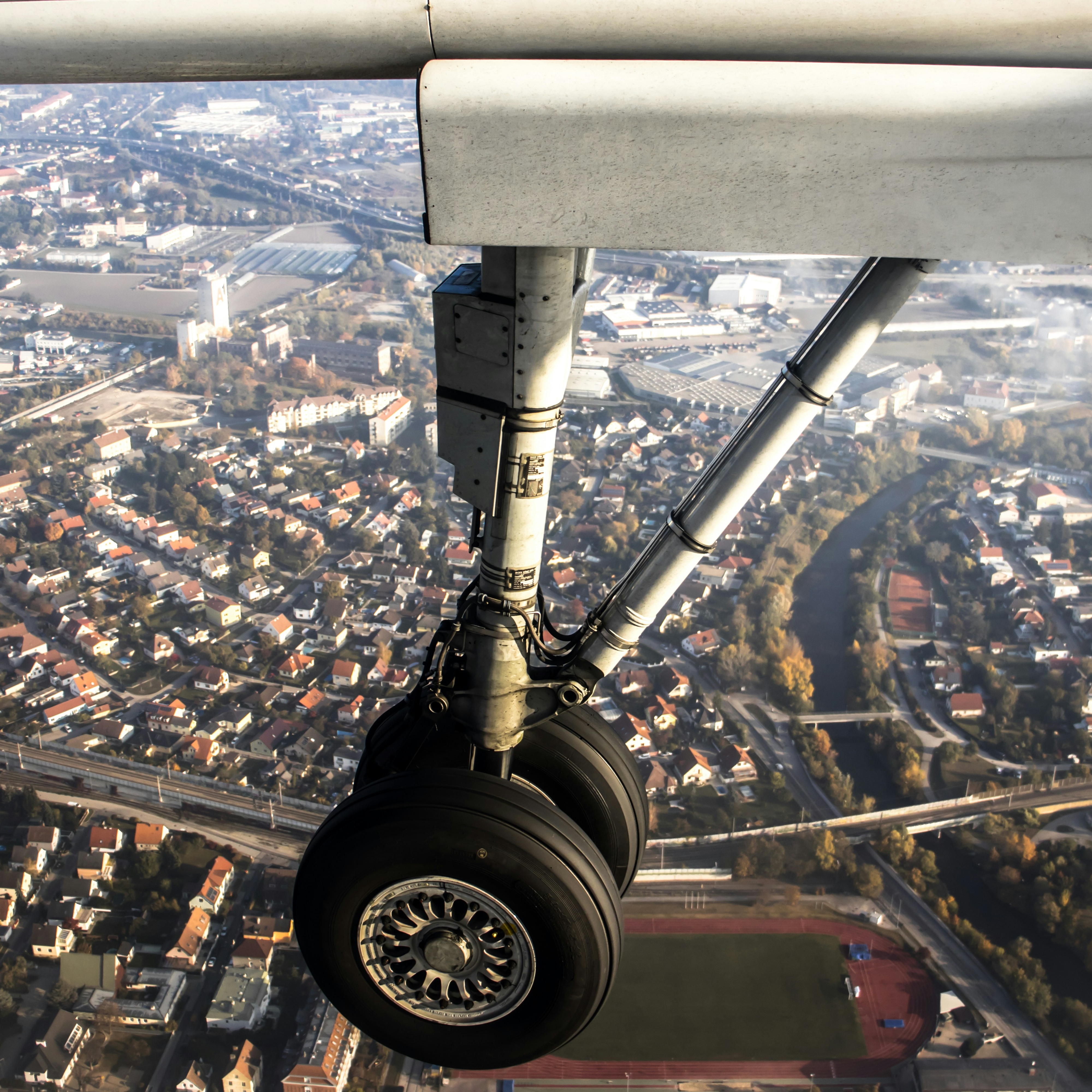
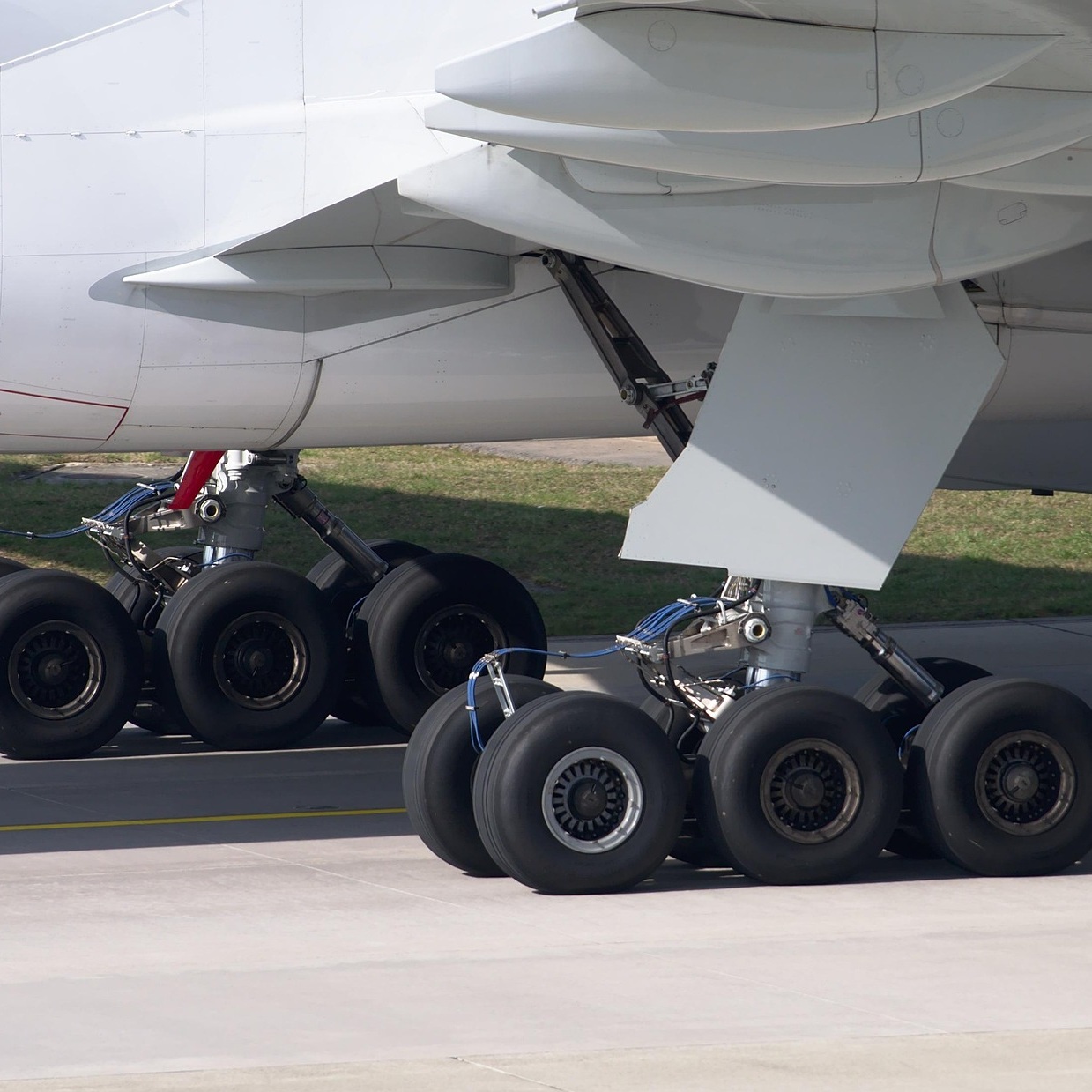
Conventional landing gear represents a classic aircraft undercarriage configuration where the main wheels are positioned forward of the aircraft's center of gravity, with a smaller tail wheel or skid located at the rear. This time-tested design has served aviation since the earliest days of flight and continues to be widely used across various aircraft types today. The conventional landing gear configuration is also commonly known as tailwheel or taildragger landing gear. The primary function of conventional landing gear is to support the aircraft during ground operations, including takeoff, landing, and taxiing. It provides structural stability while absorbing impact forces during touchdown and preventing damage to the aircraft fuselage. The technological features of conventional landing gear include a robust main gear assembly that bears most of the aircraft's weight, along with a steerable tail wheel that aids directional control. The system incorporates shock absorption mechanisms, typically using oleo-pneumatic struts or spring steel designs, to cushion landing impacts. Conventional landing gear finds extensive applications in aerobatic aircraft, bush planes, agricultural aviation, vintage aircraft, and sport aviation. It remains particularly popular in environments where operations occur on unpaved runways, grass strips, or unimproved surfaces. Many pilot training programs and aviation enthusiasts prefer conventional landing gear aircraft for developing advanced piloting skills and maintaining connection with traditional flying techniques.

New Product Releases

Choosing conventional landing gear offers several compelling practical benefits that directly impact operational efficiency and cost-effectiveness. The propeller ground clearance provided by conventional landing gear is significantly greater compared to tricycle configurations, allowing larger diameter propellers to be installed without risk of ground strikes. This increased clearance proves invaluable when operating from rough, unpaved, or soft terrain where uneven surfaces are common. Owners benefit from reduced maintenance complexity since conventional landing gear typically features simpler mechanical systems with fewer components than nose gear assemblies. The tail wheel assembly requires less frequent maintenance and is generally more affordable to repair or replace than sophisticated nose wheel steering mechanisms. Aircraft equipped with conventional landing gear demonstrate superior performance in backcountry and bush flying operations where soft field capabilities are essential. The main wheels positioned forward allow pilots to apply brakes effectively without risking a nose-over incident on soft or muddy surfaces. This configuration naturally keeps the tail down during ground roll, providing better propeller clearance over obstacles and rough terrain. From a financial perspective, conventional landing gear aircraft often command lower acquisition costs in their market segments, making them attractive for budget-conscious buyers and flight schools. The design inherently develops superior piloting skills, as it requires more precise rudder coordination and directional control, offering long-term value for pilots seeking to enhance their capabilities. Operational benefits extend to improved visibility during taxi operations in tailwheel-down attitude and enhanced aircraft control in crosswind conditions once proper techniques are mastered, making conventional landing gear a practical choice for diverse aviation missions.

Tips And Tricks

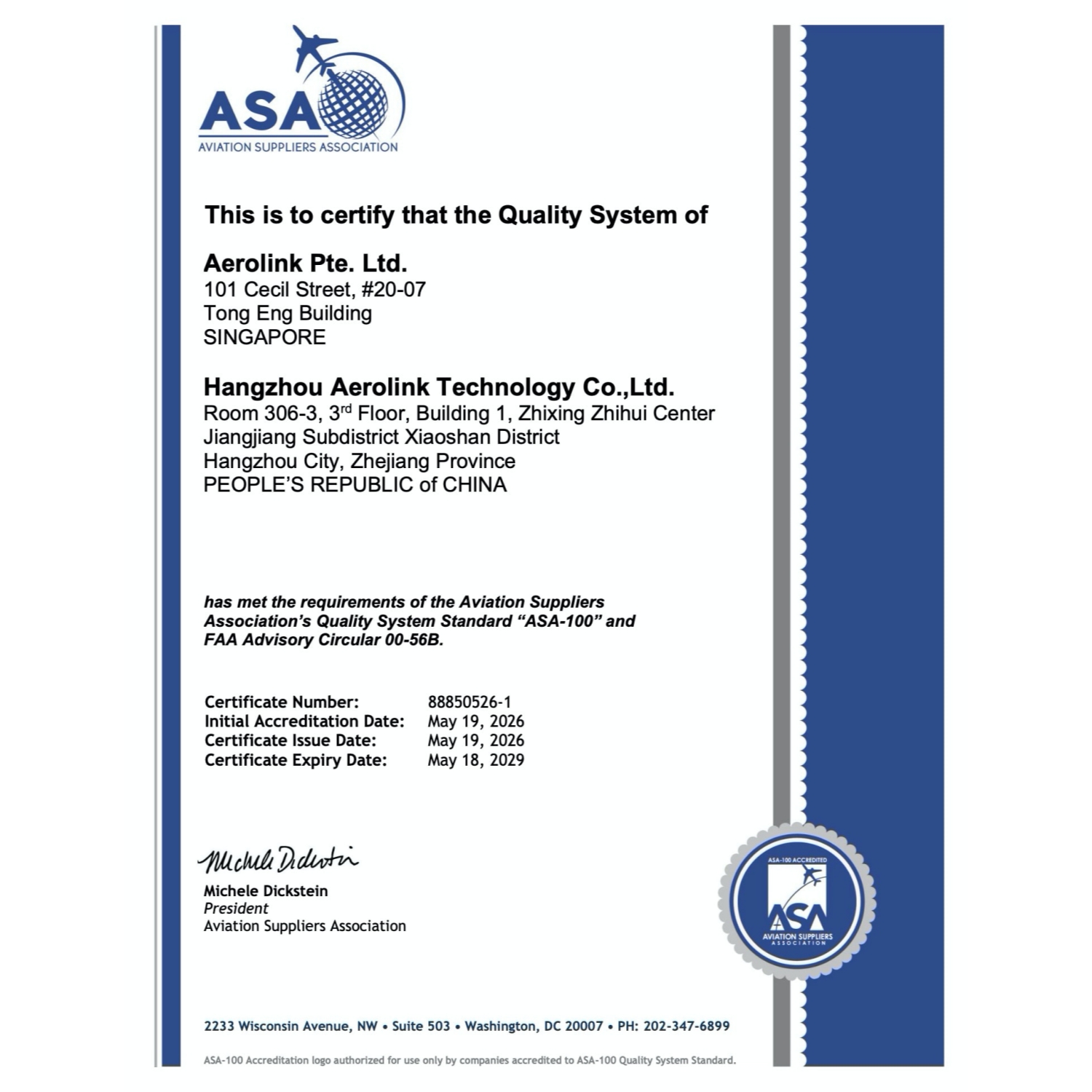
AeroLink Successfully Obtains ASA-100 and CAMAC Aviation Material Distributor Certifications

16

Jun

AeroLink Successfully Obtains ASA-100 and CAMAC Aviation Material Distributor Certifications

View More
Ensuring Landing Gear Safety with Certified Parts

15

Sep

Ensuring Landing Gear Safety with Certified Parts

Why certified landing gear prevents runway incidents and meets FAA/EASA standards. Learn how to source, verify, and maintain compliant parts—get the guide now.
View More
Sourcing Certified Aerospace Tools with Ease

15

Sep

Sourcing Certified Aerospace Tools with Ease

Struggling with FAA/EASA-compliant tool procurement? Discover how to source certified aerospace tools fast. Download the full guide now.
View More
Sourcing Verified Plane Engine Components Fast

15

Sep

Sourcing Verified Plane Engine Components Fast

Struggling with aircraft downtime? Discover proven strategies to source verified plane engine components rapidly—without compromising safety or compliance. Get started today.
View More
Superior Ground Clearance for Challenging Terrain

Superior Ground Clearance for Challenging Terrain

Conventional landing gear excels in providing exceptional propeller and fuselage clearance above ground level, which translates into tangible operational advantages for pilots and operators. The elevated nose attitude created by this configuration allows aircraft to tackle unprepared airstrips, gravel bars, and agricultural fields without concern for propeller strikes or fuselage damage. This feature becomes critically important when operating in remote locations where infrastructure is minimal or non-existent. Bush pilots particularly value this characteristic, as it enables access to wilderness areas that would be problematic or impossible for tricycle-gear aircraft. The increased clearance also facilitates larger, more efficient propeller installations that optimize engine performance and fuel economy. Aircraft owners operating from grass strips or conducting agricultural work benefit from the ability to navigate uneven terrain and vegetation without equipment damage. The practical value extends beyond mere clearance, as the tail-low attitude during ground operations naturally protects the propeller during taxi over obstacles like rocks, ruts, or vegetation. This design advantage reduces maintenance costs associated with propeller repairs and extends component service life, delivering measurable return on investment for operators who frequently encounter challenging surface conditions in their mission profiles.
Simplified Mechanical Design and Maintenance Economy

Simplified Mechanical Design and Maintenance Economy

The engineering simplicity inherent in conventional landing gear architecture delivers substantial economic advantages throughout the aircraft's operational lifecycle. Unlike complex nose gear assemblies that incorporate steering mechanisms, shimmy dampers, and intricate attachment structures, conventional landing gear utilizes straightforward main gear legs and a basic tail wheel assembly. This reduced mechanical complexity translates directly into lower maintenance requirements, decreased parts inventory costs, and simplified inspection procedures. Aircraft owners appreciate the accessibility of conventional landing gear components, which typically allow for easier visual inspection and routine servicing without specialized equipment or extensive disassembly. The tail wheel mechanism, being relatively simple and lightweight, rarely requires major overhaul compared to nose gear systems that endure greater stress and complexity. Maintenance facilities in remote locations can service conventional landing gear with basic tools and standard aviation supplies, eliminating dependency on specialized parts or technical expertise. The durability of conventional landing gear components often exceeds that of more complex alternatives, as the straightforward design minimizes points of potential failure. For flight schools and private owners managing operational budgets, these maintenance economies accumulate significantly over time, making conventional landing gear aircraft more cost-effective to operate while maintaining high reliability standards that ensure mission availability and safety.
Enhanced Pilot Skill Development and Aircraft Control

Enhanced Pilot Skill Development and Aircraft Control

Conventional landing gear serves as an exceptional platform for developing advanced piloting capabilities that transfer beneficially across all aircraft types. The configuration demands active pilot engagement throughout ground operations, requiring continuous rudder coordination and precise directional control that sharpens fundamental flying skills. Pilots who master conventional landing gear aircraft demonstrate superior crosswind handling abilities, improved situational awareness, and refined coordination that elevates their overall competency. Flight training organizations recognize that conventional landing gear instruction produces more capable aviators with better stick-and-rudder skills compared to exclusive tricycle gear training. The tail wheel configuration provides immediate feedback about aircraft energy state, wind conditions, and control effectiveness, teaching pilots to anticipate and correct deviations proactively rather than reactively. This heightened awareness becomes invaluable during critical flight phases and emergency situations across any aircraft type. For recreational pilots and aviation enthusiasts, conventional landing gear aircraft offer a more engaging and rewarding flying experience that connects them with traditional aviation practices and techniques. The configuration naturally encourages proper landing technique with three-point touchdowns or wheel landings, each requiring specific skills that enhance pilot versatility. Insurance providers and aviation employers increasingly value conventional landing gear experience as an indicator of superior piloting capability, making this configuration a strategic choice for career-minded aviators seeking competitive advantages in the aviation marketplace.