Landing Gear Struts: Precision Shock Absorption

application/landing-gear-struts, application/landing-gear-struts, 
Inquiry
Inquiry

landing gear struts

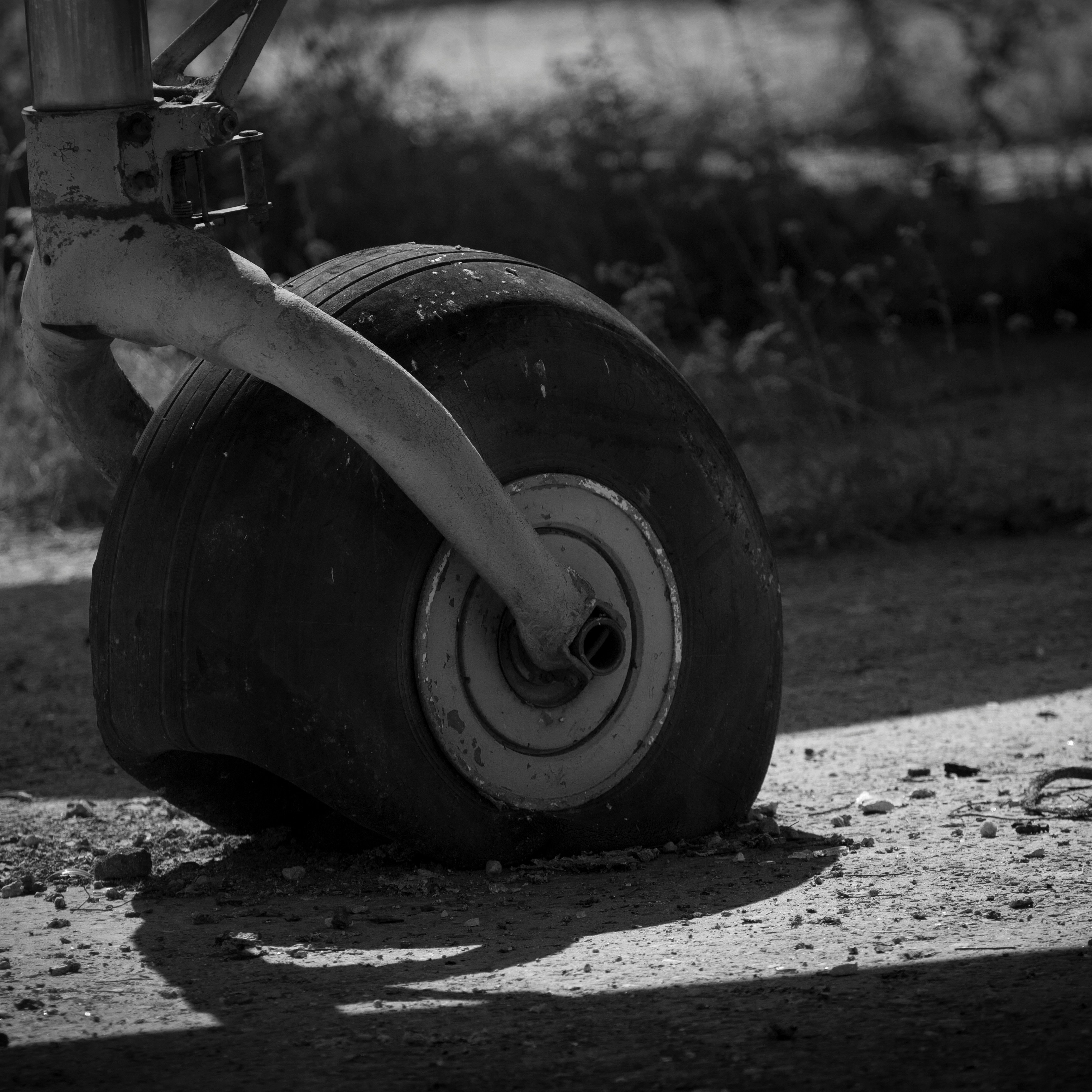
Landing gear struts are critical structural components that form the backbone of an aircraft's undercarriage system, designed to absorb impact forces during takeoff, landing, and ground operations. These sophisticated mechanical assemblies combine hydraulic damping technology with robust structural engineering to ensure safe and controlled aircraft ground handling. Landing gear struts serve as the primary shock-absorbing mechanism, converting kinetic energy from touchdown into controlled hydraulic resistance, protecting both the airframe and passengers from excessive forces. Modern landing gear struts incorporate advanced materials such as high-strength steel alloys and aerospace-grade aluminum, engineered to withstand repeated stress cycles while maintaining structural integrity throughout the aircraft's operational lifespan. The strut assembly typically consists of an outer cylinder, inner piston, hydraulic fluid chamber, and nitrogen gas compartment working in unison to provide progressive damping characteristics. These components are precision-manufactured to exacting tolerances, ensuring consistent performance across varying load conditions and environmental temperatures. Landing gear struts are essential for commercial aviation, military aircraft, business jets, and general aviation applications, with each design tailored to specific weight classes and operational requirements. The technological evolution of landing gear struts has focused on weight reduction without compromising strength, improved fatigue resistance, and enhanced maintainability. These systems undergo rigorous testing protocols including drop tests, fatigue cycling, and environmental exposure simulations to validate their performance under extreme conditions, making them indispensable safety components in modern aviation.

New Products

Investing in high-quality landing gear struts delivers substantial operational benefits that directly impact your aircraft's safety, performance, and long-term cost efficiency. These components provide exceptional shock absorption that protects your aircraft structure from repetitive landing stresses, significantly extending airframe service life and reducing maintenance expenses. The superior damping characteristics ensure smooth ground operations, enhancing passenger comfort and minimizing cargo damage during taxi, takeoff, and landing phases. Modern landing gear struts offer remarkable durability, engineered to perform reliably across thousands of landing cycles while maintaining consistent damping performance throughout their service interval. This reliability translates to reduced unscheduled maintenance, improved aircraft availability, and lower total cost of ownership. The precision engineering of landing gear struts ensures predictable handling characteristics, giving pilots confidence during critical flight phases and adverse weather conditions. Weight-optimized designs contribute to improved fuel efficiency by reducing overall aircraft weight without sacrificing structural strength or safety margins. These struts accommodate various aircraft configurations and weight ranges, providing flexibility for different operational missions and payload requirements. The standardized maintenance procedures and readily available replacement parts simplify servicing operations, minimizing aircraft downtime and associated revenue losses. Advanced corrosion-resistant treatments and protective coatings extend component lifespan even in harsh marine or industrial environments. The fail-safe design philosophy incorporated into landing gear struts includes redundant load paths and progressive failure modes that maintain structural integrity even under abnormal conditions. For operators prioritizing safety, reliability, and operational efficiency, premium landing gear struts represent a sound investment that delivers measurable returns through enhanced aircraft performance, reduced maintenance costs, and improved operational safety margins throughout the aircraft's service life.

Practical Tips

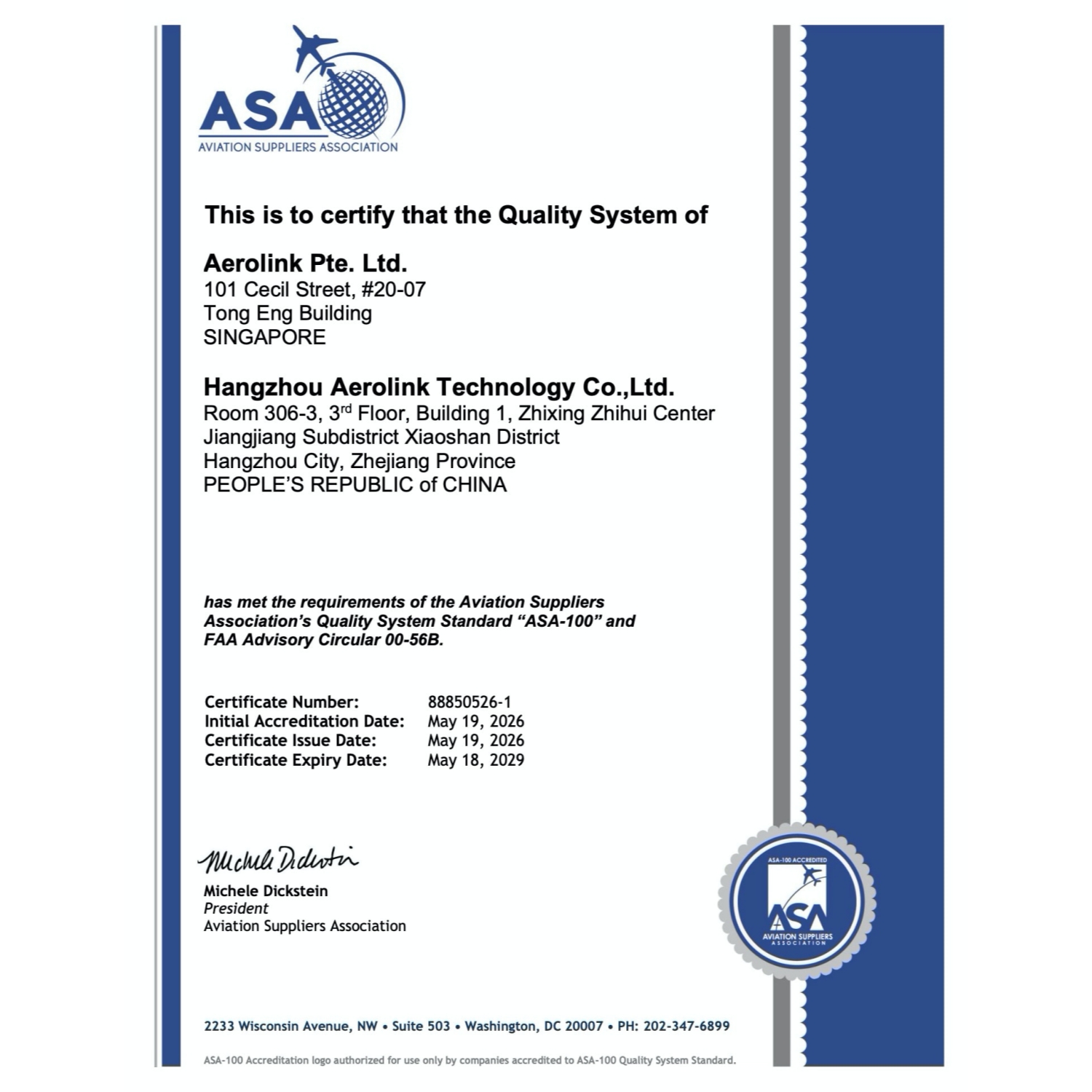
AeroLink Successfully Obtains ASA-100 and CAMAC Aviation Material Distributor Certifications

16

Jun

AeroLink Successfully Obtains ASA-100 and CAMAC Aviation Material Distributor Certifications

View More
AeroLink Participates in MRO Greater China 2026 to Strengthen Global Aviation Supply Chain Cooperation

16

Jun

AeroLink Participates in MRO Greater China 2026 to Strengthen Global Aviation Supply Chain Cooperation

View More
Cost-Effective Procurement Strategies for Tools

15

Sep

Cost-Effective Procurement Strategies for Tools

Cut tool costs by 15–25% with proven procurement strategies: TCO analysis, supplier consolidation, preventive maintenance & tech-enabled management. Optimize value—start now.
View More
Advanced Hydraulic Damping Technology

Advanced Hydraulic Damping Technology

Landing gear struts utilize sophisticated hydraulic damping systems that precisely control energy dissipation during ground contact and taxi operations. The hydraulic mechanism consists of carefully calibrated orifices and valve systems that regulate fluid flow between chambers, creating progressive resistance that adapts to varying impact velocities and aircraft weights. This intelligent damping prevents harsh bottoming during heavy landings while maintaining responsive rebound characteristics for lighter touchdowns. The nitrogen gas charge provides pneumatic spring force that supports static aircraft weight and enables the strut to extend fully after compression cycles. This dual-system approach combining hydraulic damping with pneumatic spring action delivers superior performance compared to simpler mechanical systems. The sealed hydraulic chamber prevents fluid contamination and maintains consistent damping characteristics across temperature extremes ranging from arctic cold to tropical heat. Precision-machined internal components minimize friction and wear, ensuring long service intervals between overhauls. The result is landing gear struts that deliver predictable, comfortable landings while protecting aircraft structures from fatigue-inducing stress concentrations, ultimately contributing to safer operations and extended aircraft operational life.
Exceptional Structural Strength and Reliability

Exceptional Structural Strength and Reliability

The structural integrity of landing gear struts stems from advanced metallurgical processes and rigorous quality control standards that ensure consistent performance under demanding operational conditions. Manufacturers employ high-strength steel alloys and aerospace aluminum materials that have been specifically developed to withstand cyclic loading, corrosion exposure, and impact forces encountered throughout an aircraft's service life. Each landing gear strut undergoes precision forging or machining processes that create optimal grain structures within the material, maximizing fatigue resistance and fracture toughness. Comprehensive non-destructive testing including ultrasonic inspection, magnetic particle examination, and radiographic analysis verifies the absence of internal defects before components enter service. The design incorporates stress-relief features and optimized geometry that distribute loads evenly throughout the structure, eliminating stress concentration points that could initiate crack propagation. Surface treatments such as cadmium plating, anodizing, or advanced polymer coatings provide robust corrosion protection that maintains structural integrity even in salt-laden coastal environments or industrial atmospheres. This combination of premium materials, precision manufacturing, and protective treatments results in landing gear struts that reliably perform their critical safety function across decades of operational service.
Versatile Application Across Aircraft Categories

Versatile Application Across Aircraft Categories

Landing gear struts demonstrate remarkable versatility, engineered to meet the diverse requirements of aircraft ranging from light general aviation planes to heavy commercial jets and military transport aircraft. Design engineers tailor strut specifications including stroke length, damping coefficients, spring rates, and structural dimensions to match specific aircraft weight classes, landing speeds, and operational environments. Light aircraft benefit from compact, weight-efficient landing gear struts that provide adequate shock absorption without excessive weight penalties that would compromise performance. Regional turboprops and business jets require landing gear struts with enhanced durability to accommodate frequent landing cycles at varied airports with different runway surfaces. Wide-body commercial aircraft demand robust landing gear struts capable of dissipating enormous kinetic energy from high-weight landings while maintaining precise geometry for consistent ground handling. Military applications often specify landing gear struts with additional robustness for rough-field operations, carrier landings, or tactical scenarios. This application flexibility extends to retrofit and upgrade programs where newer landing gear struts can enhance older aircraft performance and extend their operational viability. The standardized mounting interfaces and maintenance procedures facilitate integration across different aircraft platforms, providing operators with proven, reliable solutions regardless of their specific aviation mission requirements.