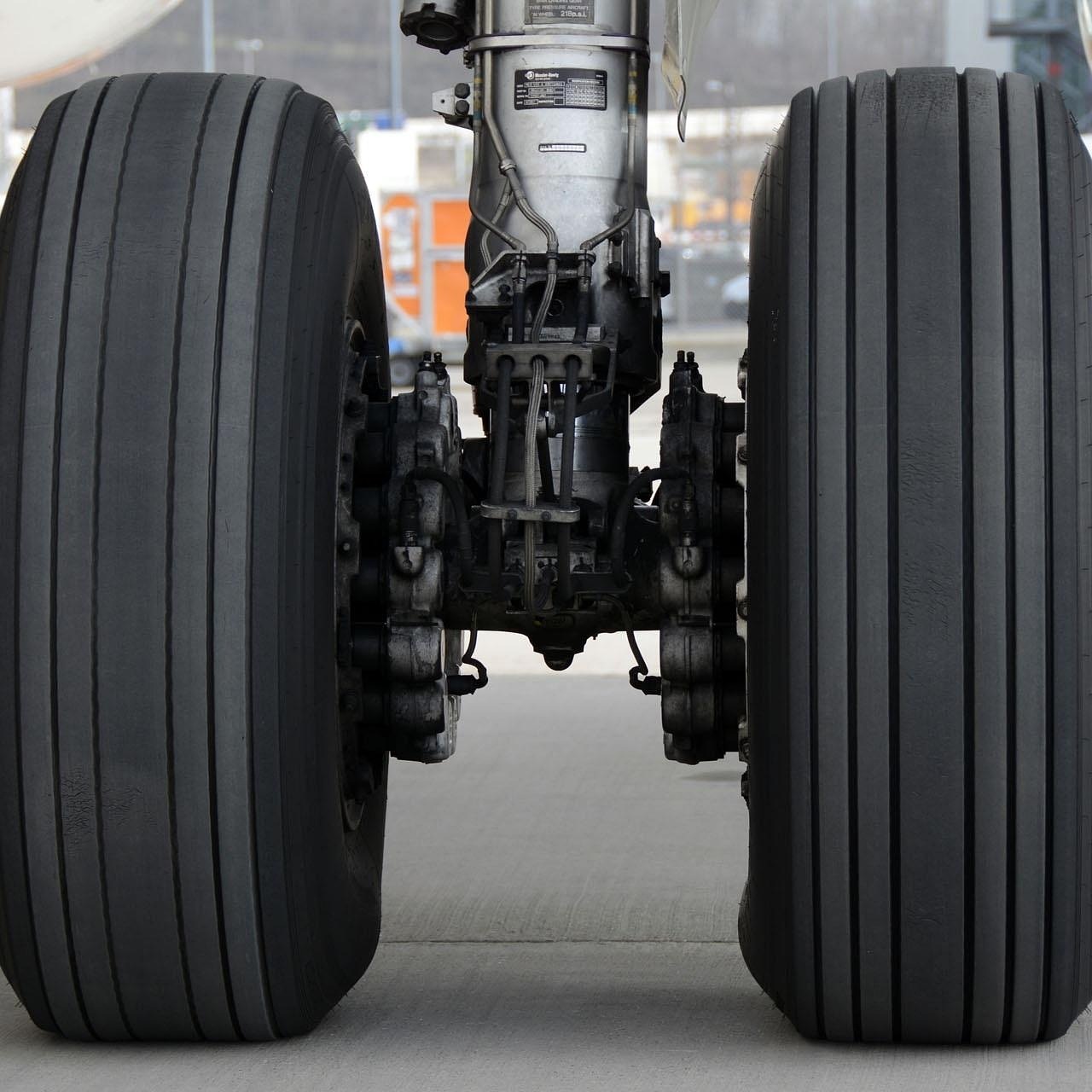
Aircraft Undercarriage Systems & Solutions

application/aircraft-undercarriage, application/aircraft-undercarriage, 
Inquiry
Inquiry

aircraft undercarriage

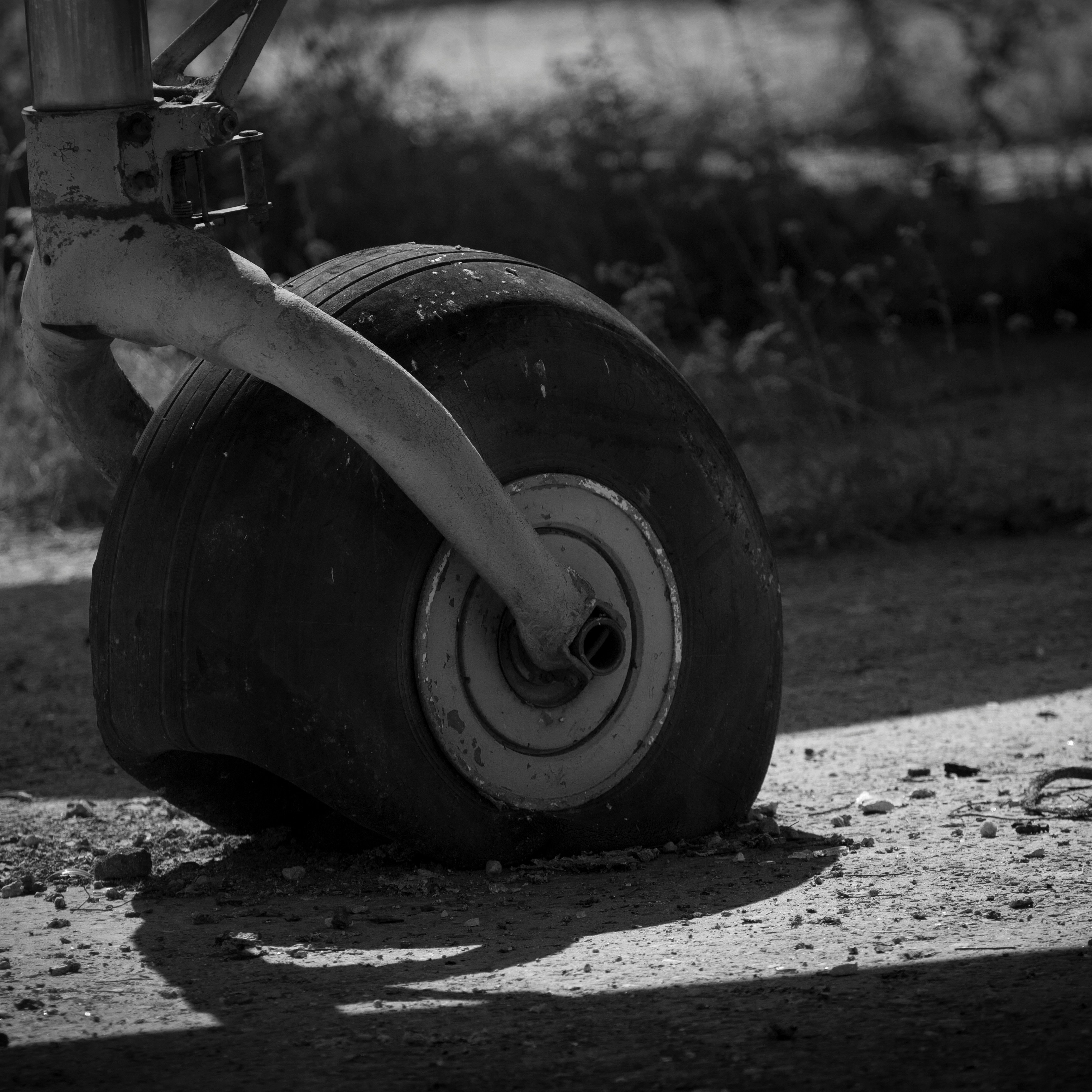
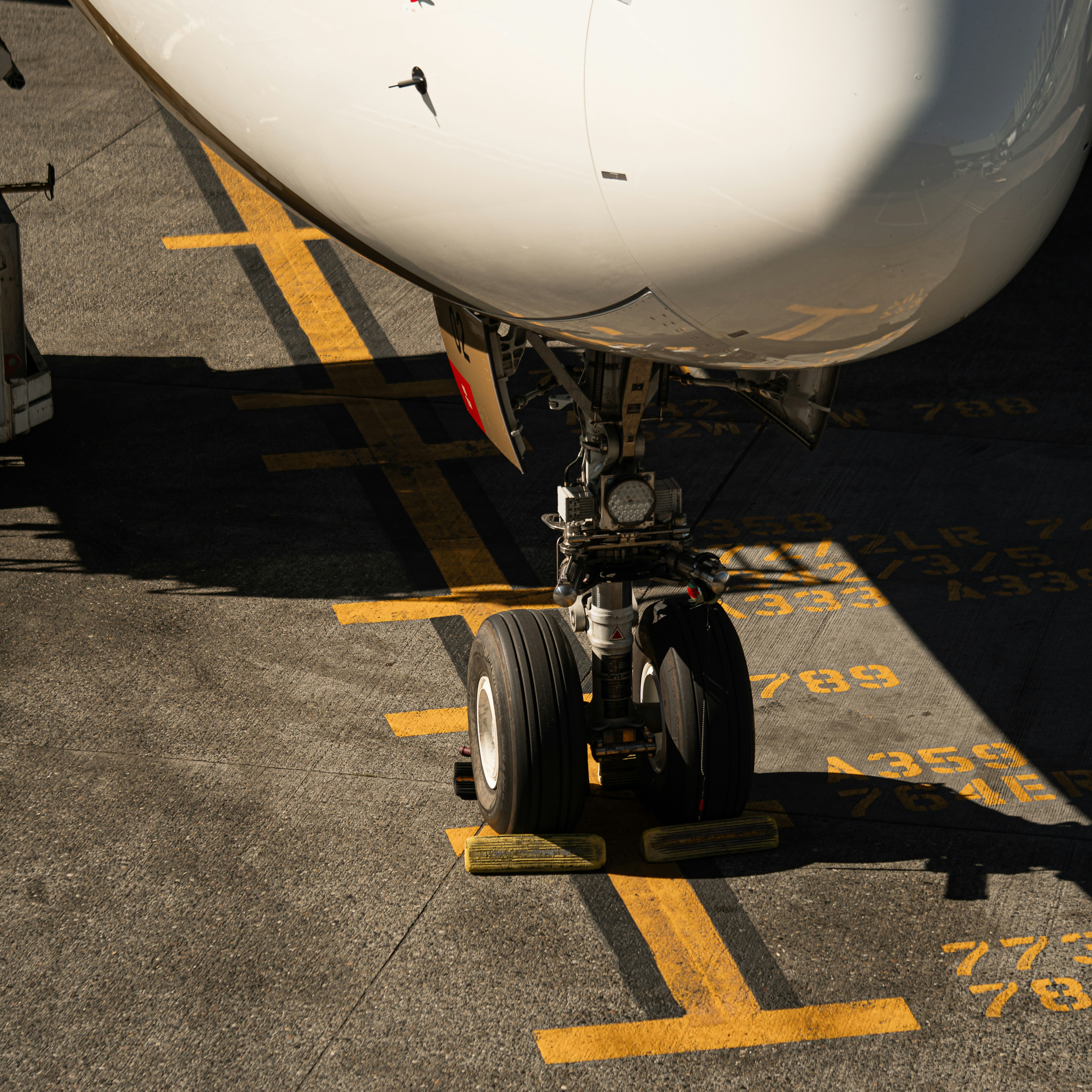
The aircraft undercarriage, commonly known as the landing gear system, serves as one of the most critical structural components in aviation engineering. This sophisticated mechanism enables aircraft to take off, land, and maneuver safely on the ground while supporting the entire weight of the aircraft during ground operations. The aircraft undercarriage comprises multiple integrated parts including shock absorbers, wheels, brakes, retraction systems, and structural supports designed to withstand extreme forces during landing impact and taxiing. Modern aircraft undercarriage systems incorporate advanced hydraulic technology, high-strength alloys, and precision-engineered components that ensure reliability under demanding operational conditions. The primary functions include absorbing kinetic energy during touchdown, providing stable ground mobility, facilitating directional control through nose wheel steering, and offering braking capability for deceleration. Technological features of contemporary aircraft undercarriage designs encompass anti-skid braking systems, automated extension and retraction mechanisms, load distribution frameworks, and corrosion-resistant materials. These systems must endure repetitive stress cycles, temperature variations, and environmental exposure throughout their service life. Applications span across commercial aviation, military aircraft, cargo transporters, and private jets, with each category requiring specifically engineered undercarriage solutions. The aircraft undercarriage directly influences flight safety, operational efficiency, and maintenance costs, making it an essential consideration for aircraft manufacturers and operators worldwide.

New Product Releases

Investing in a high-quality aircraft undercarriage delivers substantial operational benefits that directly impact your bottom line and safety record. The robust construction and precision engineering reduce maintenance frequency, lowering your long-term ownership costs while maximizing aircraft availability for revenue-generating flights. Advanced shock absorption technology protects the airframe from landing stresses, extending the structural lifespan of your aircraft and preserving its resale value. Modern aircraft undercarriage systems feature quick-change wheel assemblies and modular components that minimize ground time during routine inspections and repairs, keeping your fleet operational when it matters most. The reliable retraction mechanism ensures smooth aerodynamic performance during flight, reducing drag and improving fuel efficiency by up to three percent compared to older designs. Enhanced braking systems with anti-skid protection provide shorter stopping distances and improved control on various runway surfaces, including wet or contaminated conditions, directly enhancing passenger safety and operational flexibility. For operators managing diverse route networks, versatile aircraft undercarriage designs accommodate different runway types from reinforced concrete to unpaved surfaces, expanding your operational capabilities without compromising safety margins. The corrosion-resistant materials and protective coatings significantly reduce deterioration in harsh environments, particularly beneficial for coastal operations or regions with extreme weather conditions. Weight-optimized structures deliver strength without unnecessary mass, contributing to improved payload capacity and operational range. Compatibility with modern diagnostic systems enables predictive maintenance strategies, allowing you to address potential issues before they cause operational disruptions, ultimately reducing unexpected downtime and associated revenue losses while maintaining regulatory compliance effortlessly.

Latest News

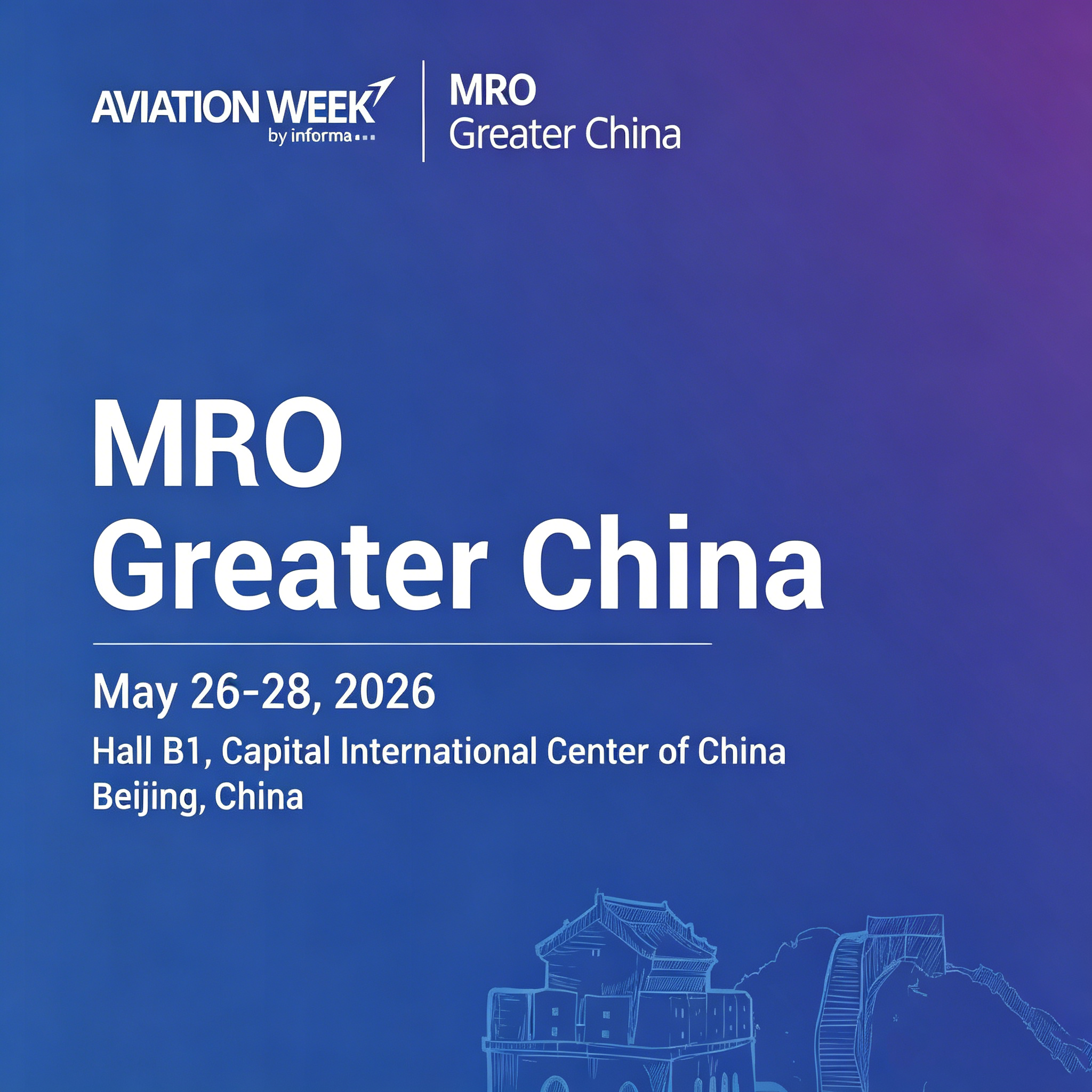
AeroLink Participates in MRO Greater China 2026 to Strengthen Global Aviation Supply Chain Cooperation

16

Jun

AeroLink Participates in MRO Greater China 2026 to Strengthen Global Aviation Supply Chain Cooperation

View More
Cost-Effective Procurement Strategies for Tools

15

Sep

Cost-Effective Procurement Strategies for Tools

Cut tool costs by 15–25% with proven procurement strategies: TCO analysis, supplier consolidation, preventive maintenance & tech-enabled management. Optimize value—start now.
View More
Sourcing Certified Aerospace Tools with Ease

15

Sep

Sourcing Certified Aerospace Tools with Ease

Struggling with FAA/EASA-compliant tool procurement? Discover how to source certified aerospace tools fast. Download the full guide now.
View More
Cost-Effective GSE Solutions for Busy Airfields

15

Sep

Cost-Effective GSE Solutions for Busy Airfields

Cut GSE costs by 15–30% without sacrificing safety. Discover preventive maintenance, energy-efficient upgrades & right-sizing strategies. Get your free fleet assessment.
View More
Advanced Shock Absorption Technology

Advanced Shock Absorption Technology

The aircraft undercarriage incorporates state-of-the-art shock absorption systems engineered to dissipate tremendous kinetic energy during landing operations. These sophisticated oleo-pneumatic struts combine hydraulic fluid and compressed nitrogen to cushion vertical impacts, protecting both passengers and airframe structure from excessive forces. During a typical landing, the aircraft undercarriage absorbs energy equivalent to dropping the aircraft from several meters height, converting this force into controlled compression that prevents structural damage. The multi-stage damping mechanism adjusts automatically to different landing conditions, whether encountering hard touchdowns or soft arrivals, ensuring consistent performance across varying scenarios. This technology reduces stress transmission to the fuselage by up to seventy percent compared to rigid mounting systems, significantly extending airframe fatigue life and reducing long-term maintenance requirements. The precision-engineered seals and bearings maintain consistent damping characteristics throughout thousands of landing cycles, delivering reliable performance that operators can depend on. For aircraft owners, this translates to fewer structural inspections, reduced repair costs, and extended intervals between major overhauls, providing measurable economic advantages while maintaining the highest safety standards.
Intelligent Retraction and Extension Systems

Intelligent Retraction and Extension Systems

Modern aircraft undercarriage features computerized retraction mechanisms that seamlessly integrate with flight control systems for optimal performance and safety. These automated systems employ redundant hydraulic circuits, electric motors, and mechanical linkages working in coordination to raise and lower the landing gear precisely when required. The aircraft undercarriage retraction process reduces aerodynamic drag during cruise flight, directly improving fuel economy and increasing operational range by minimizing air resistance. Position sensors and proximity switches continuously monitor gear status, providing real-time feedback to cockpit displays and preventing unsafe configurations during flight operations. Emergency extension systems incorporate gravity-assisted deployment and manual backup mechanisms, ensuring the aircraft undercarriage can be lowered even during complete hydraulic or electrical system failures. The enclosed wheel wells feature aerodynamic doors that open and close in synchronized sequences, maintaining airflow efficiency while protecting internal components from environmental exposure. Advanced locking mechanisms secure the gear in both extended and retracted positions with multiple redundant latches, verified through independent monitoring systems. This intelligent design eliminates pilot workload while ensuring consistent, reliable operation across thousands of flight cycles, providing operators with confidence in system integrity.
Durable Materials and Corrosion Protection

Durable Materials and Corrosion Protection

The aircraft undercarriage utilizes aerospace-grade materials specifically selected for exceptional strength-to-weight ratios and environmental resistance. High-strength steel alloys, titanium components, and aluminum structures undergo specialized heat treatments and surface hardening processes to withstand millions of stress cycles without fatigue failure. Critical load-bearing elements incorporate fracture-resistant metallurgy that prevents catastrophic failures even when subjected to extreme operational demands. The aircraft undercarriage receives comprehensive corrosion protection through multi-layer coating systems including chromate conversion, epoxy primers, and polyurethane topcoats that shield underlying metals from moisture, salt spray, and chemical exposure. Sealed bearing assemblies and protected hydraulic components prevent contamination ingress that could compromise performance or reliability. For operators in challenging environments such as coastal regions, tropical climates, or winter conditions with deicing chemicals, these protective measures significantly extend component service life and reduce replacement frequency. The materials maintain structural integrity across temperature ranges from extreme cold at high altitudes to heat generated during braking operations, ensuring consistent performance regardless of operational conditions. This durability translates to predictable maintenance schedules, reduced spare parts inventory requirements, and lower lifecycle costs for aircraft operators prioritizing long-term value and operational reliability.