Airplane Gear Systems - Advanced Landing Solutions

application/airplane-gear, application/airplane-gear, 
Inquiry
Inquiry

airplane gear

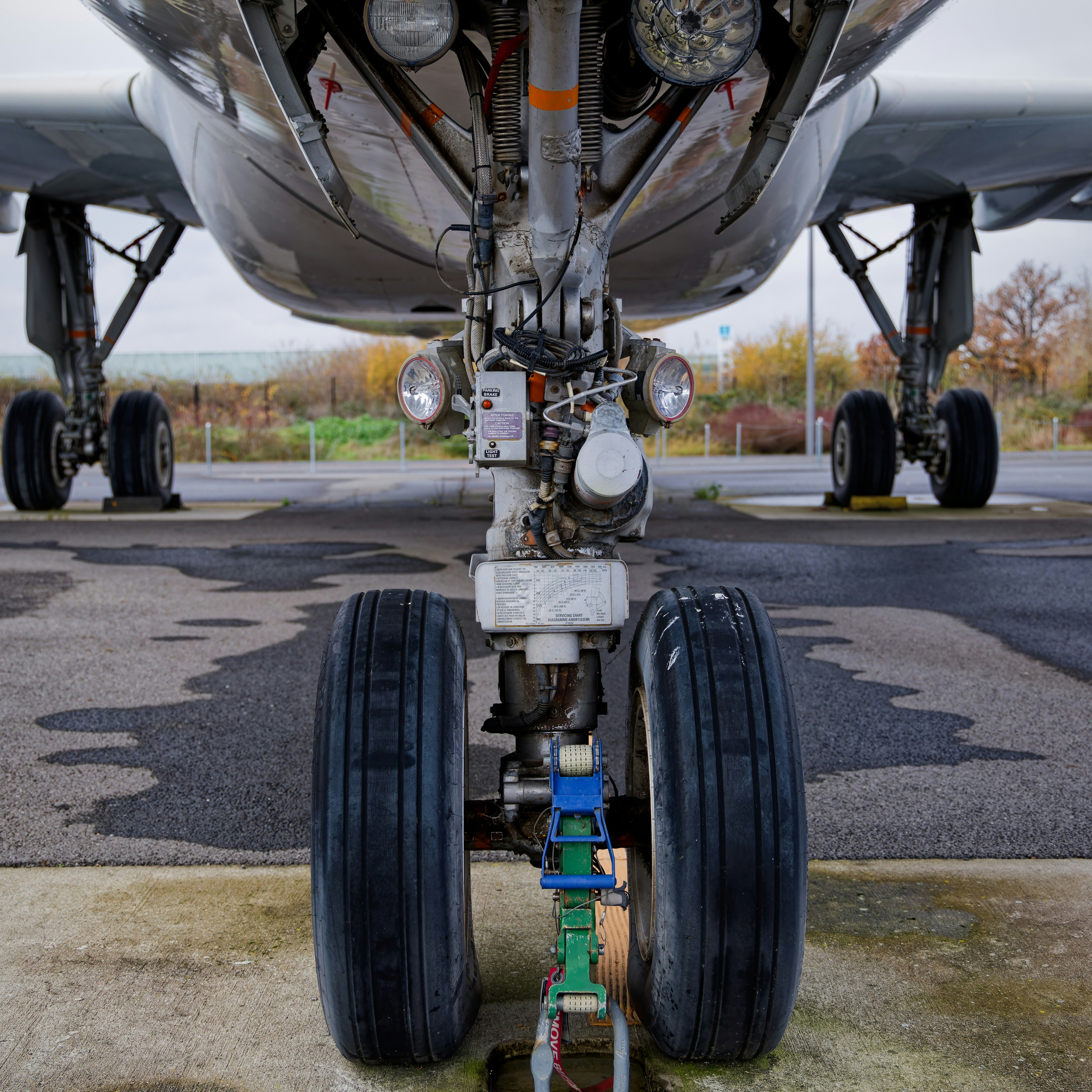
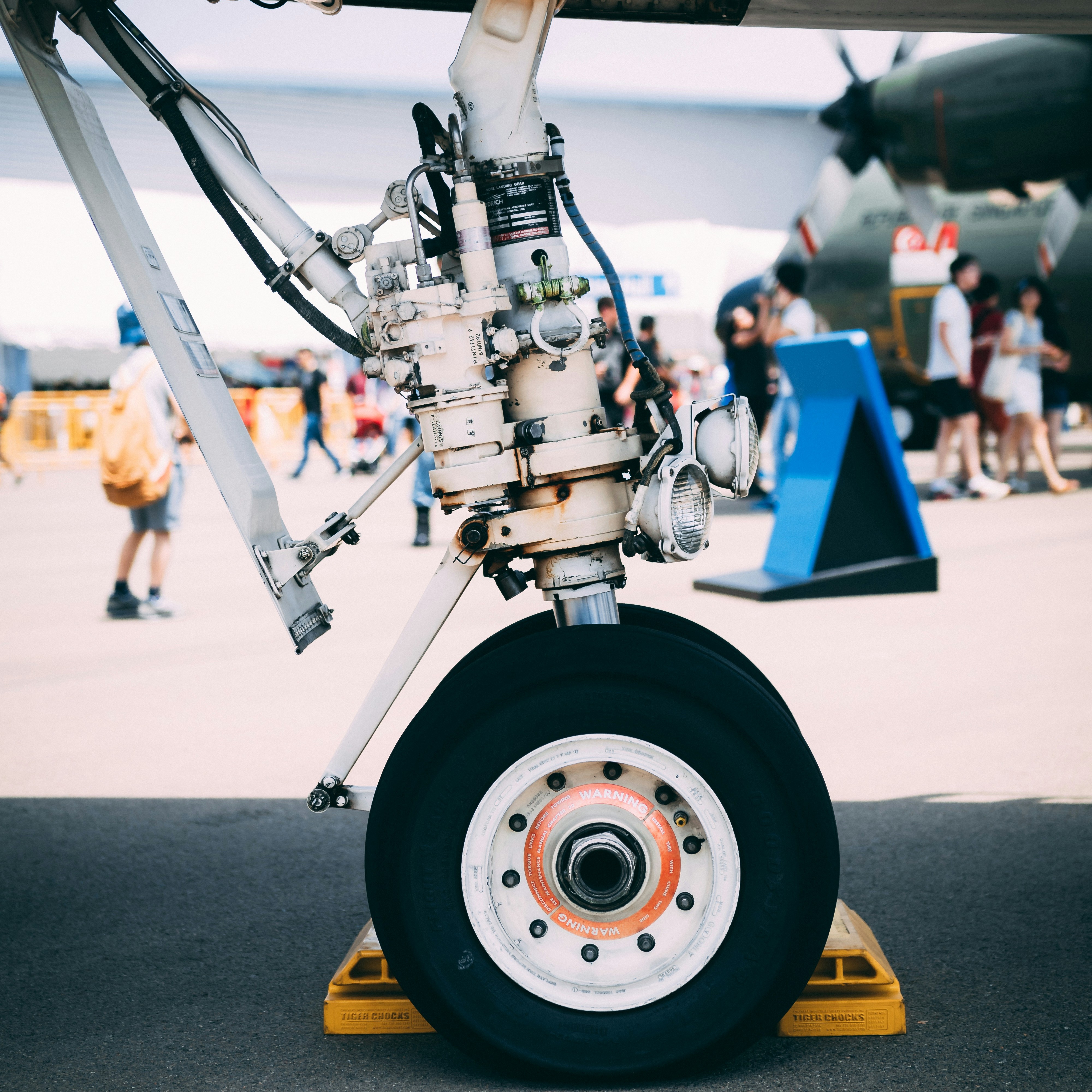
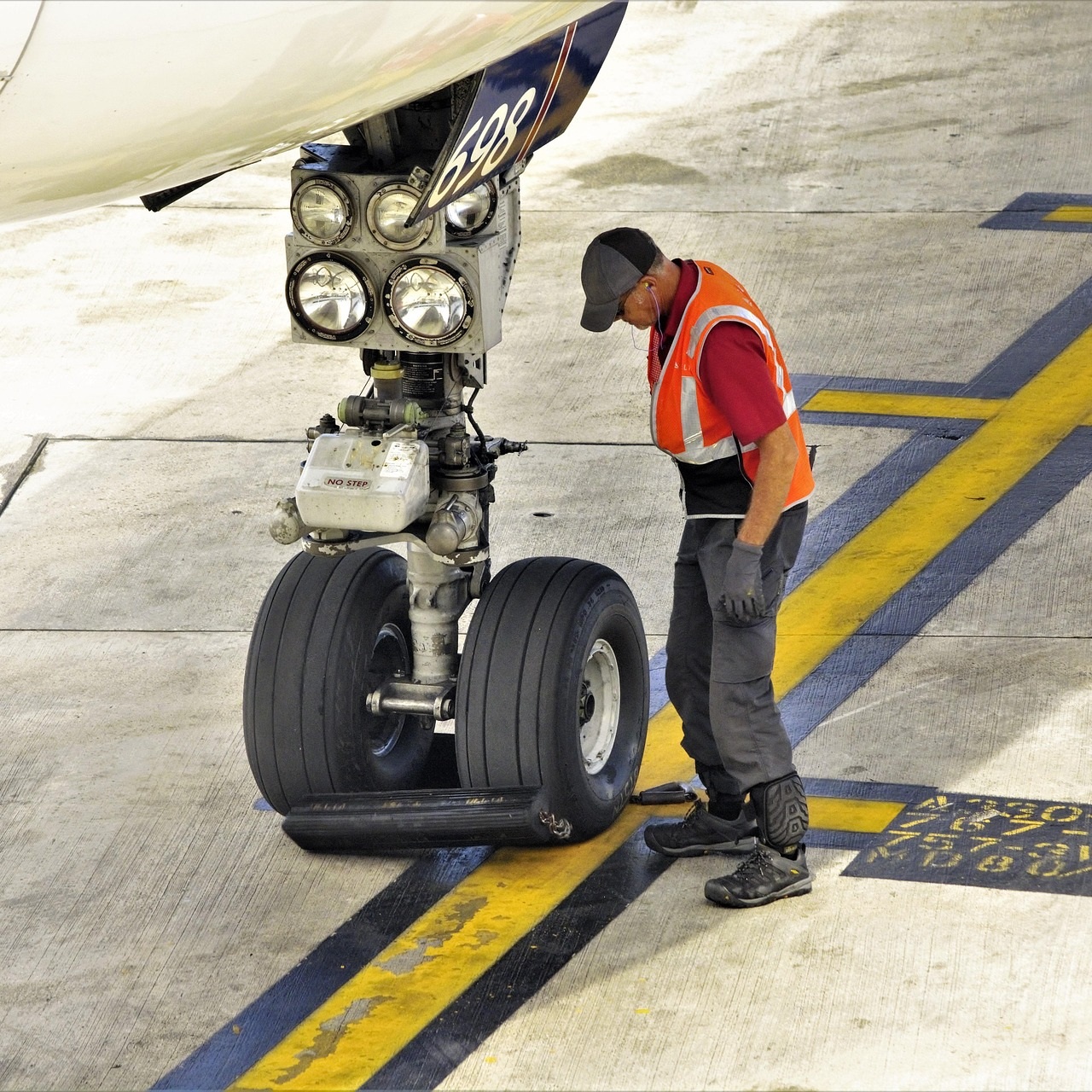
Airplane gear represents a critical system in aviation engineering, encompassing the landing gear assembly that enables aircraft to take off, land, and maneuver safely on the ground. This essential component includes wheels, struts, shock absorbers, braking systems, and retraction mechanisms designed to withstand extreme forces during landing operations. Modern airplane gear incorporates advanced materials such as high-strength titanium alloys and carbon composites, ensuring maximum durability while minimizing weight. The technological features include hydraulic actuation systems for smooth extension and retraction, anti-skid braking technology for optimal stopping performance, and sophisticated monitoring sensors that provide real-time status information to flight crews. Airplane gear applications span commercial aviation, military aircraft, cargo transporters, and private jets, with each configuration tailored to specific operational requirements. The main functions extend beyond simple landing support to include absorbing impact energy during touchdown, providing directional control during taxiing, and supporting the aircraft's entire weight while stationary. Advanced airplane gear designs feature noise reduction technologies, enhanced corrosion resistance for harsh environments, and modular construction for simplified maintenance procedures. Whether supporting wide-body passenger jets or compact business aircraft, airplane gear systems represent the intersection of mechanical engineering excellence and aviation safety standards, ensuring reliable performance across millions of flight cycles throughout an aircraft's operational lifetime.


New Product Releases

Investing in quality airplane gear delivers substantial operational benefits that directly impact your bottom line and safety record. Superior airplane gear reduces maintenance downtime through robust construction and extended component lifecycles, allowing aircraft to maintain higher utilization rates and generate more revenue. The enhanced shock absorption capabilities protect airframe structures from excessive stress, preventing costly structural repairs and extending the overall service life of your aircraft fleet. Modern airplane gear incorporates lightweight materials that decrease total aircraft weight, resulting in improved fuel efficiency and reduced operating costs over thousands of flight hours. The advanced braking systems provide shorter landing distances and better control in adverse weather conditions, expanding operational capabilities to airports with challenging runway conditions. Buyers gain peace of mind through comprehensive safety certifications and rigorous testing protocols that ensure compliance with international aviation standards. The modular design philosophy simplifies component replacement, reducing maintenance labor costs and minimizing aircraft grounding time during scheduled inspections. Airplane gear equipped with condition monitoring systems enables predictive maintenance strategies, allowing operators to address potential issues before they escalate into expensive failures. The corrosion-resistant treatments and protective coatings significantly reduce maintenance requirements in coastal or humid environments, lowering long-term ownership costs. For fleet operators, standardized airplane gear across multiple aircraft types streamlines spare parts inventory and technician training requirements. The improved ground handling characteristics enhance passenger comfort during taxiing and reduce pilot workload during critical landing phases, contributing to overall operational excellence and customer satisfaction.

Latest News

Selecting Reliable GSE to Improve Ground Ops

15

Sep

Selecting Reliable GSE to Improve Ground Ops

Struggling with aircraft delays? Discover how choosing reliable GSE vendors improves turnaround time. Get your free vendor evaluation checklist.
View More
How Plane Engine Sourcing Impacts Fleet Budgets

15

Sep

How Plane Engine Sourcing Impacts Fleet Budgets

How does plane engine sourcing really affect your fleet budget? Discover TCO drivers, spare parts costs, maintenance risks & ROI-optimized strategies. Download the guide.
View More
Essential Avio Procurement Advice for Operators

15

Sep

Essential Avio Procurement Advice for Operators

Struggling with aircraft downtime or compliance risks? This essential avio procurement guide helps operators optimize sourcing. Download your strategy blueprint now.
View More
Advanced Hydraulic Retraction Systems

Advanced Hydraulic Retraction Systems

The hydraulic retraction mechanism in modern airplane gear represents a pinnacle of engineering precision, delivering reliable performance across extreme temperature ranges and operational conditions. This sophisticated system utilizes redundant hydraulic circuits to ensure gear extension even during primary system failures, providing critical safety backup that protects passengers and aircraft. The hydraulic actuators generate precisely controlled forces that smoothly extend and retract the airplane gear within seconds, optimizing aerodynamic efficiency during flight while ensuring positive locking in both deployed and stowed positions. Advanced sealing technologies prevent fluid leakage and contamination, maintaining system integrity throughout extended service intervals. The integration of position sensors and feedback mechanisms provides flight crews with accurate gear status information, eliminating uncertainty during critical flight phases. Emergency extension systems utilize gravity and backup power sources to guarantee gear deployment when hydraulic pressure is unavailable, demonstrating the multi-layered safety philosophy embedded in airplane gear design. This technological sophistication translates directly into operational reliability, reducing unscheduled maintenance events and enhancing dispatch reliability for commercial operators.
High-Performance Braking Technology

High-Performance Braking Technology

Contemporary airplane gear incorporates state-of-the-art braking systems that transform kinetic energy into controlled deceleration, enabling safe operations at airports worldwide. The carbon brake assemblies withstand temperatures exceeding one thousand degrees while maintaining consistent friction characteristics, providing pilots with predictable stopping performance regardless of aircraft weight or runway conditions. Anti-skid systems continuously monitor wheel rotation speeds and modulate brake pressure to prevent tire lockup, maximizing braking efficiency while preserving tire life and maintaining directional stability. This intelligent braking technology automatically adapts to wet, contaminated, or icy runway surfaces, compensating for reduced friction coefficients without pilot intervention. The advanced thermal management designed into airplane gear braking components dissipates enormous heat loads generated during rejected takeoffs and maximum-weight landings, preventing structural damage and ensuring repeated high-energy stop capability. Automatic brake systems integrate with flight computers to deliver optimized deceleration profiles tailored to runway length and environmental conditions, reducing pilot workload during high-stress situations. The regenerative design allows brake components to cool efficiently between operations, extending service life and reducing replacement costs for operators managing intensive flight schedules.
Structural Durability and Material Innovation

Structural Durability and Material Innovation

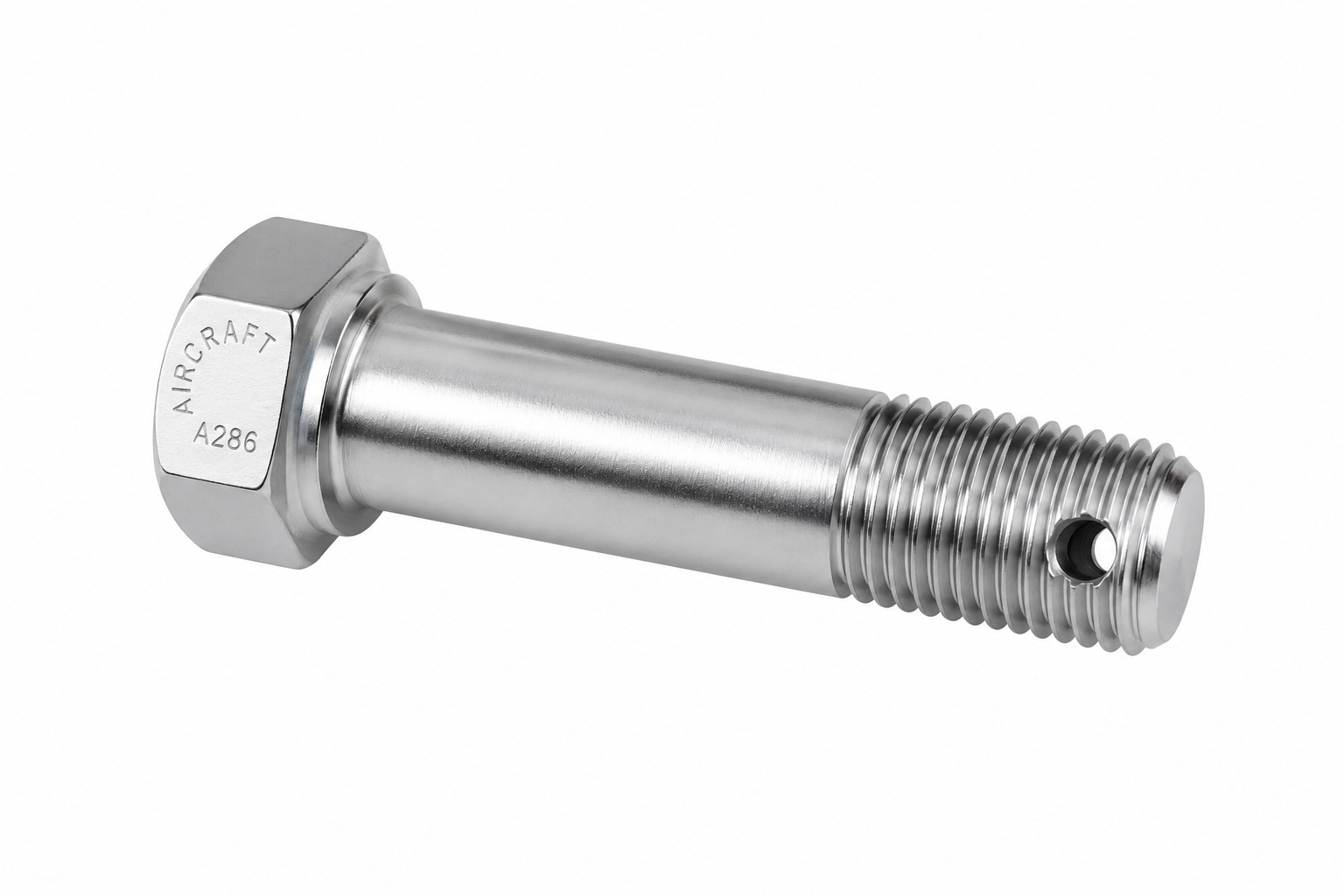
The structural components within airplane gear utilize cutting-edge metallurgy and composite materials engineered to endure millions of loading cycles without fatigue failure. High-strength steel alloys in shock strut cylinders provide exceptional toughness and resistance to crack propagation, while titanium forgings in primary structural members deliver superior strength-to-weight ratios that reduce overall aircraft mass. Advanced surface treatments including shot peening and specialized coatings enhance fatigue resistance and protect against environmental degradation in corrosive atmospheres. The shock absorption systems employ precisely calibrated oleo-pneumatic struts that compress during landing impact, converting kinetic energy into heat while protecting airframe structures from excessive loads. This energy dissipation capability allows airplane gear to absorb landing forces exceeding ten times the aircraft's static weight, accommodating pilot technique variations and unexpected hard landings without structural compromise. Rigorous non-destructive testing protocols during manufacturing identify microscopic defects before components enter service, ensuring only flawless parts support critical flight operations. The modular construction philosophy enables selective component replacement rather than complete assembly changes, optimizing maintenance costs while maintaining structural integrity throughout the airplane gear's operational lifespan.