Main Landing Gear Solutions | Aircraft Systems

application/main-landing-gear, application/main-landing-gear, 
Inquiry
Inquiry

main landing gear

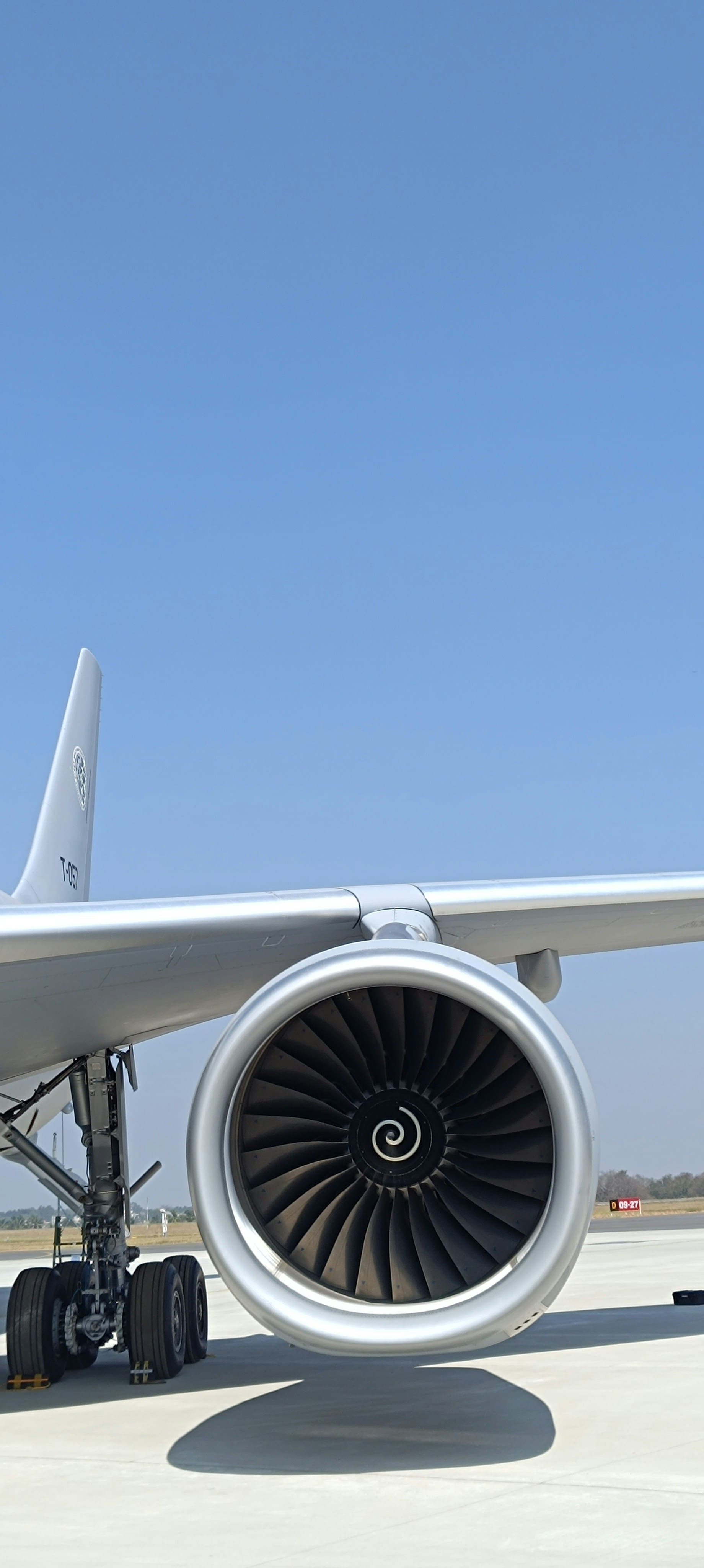
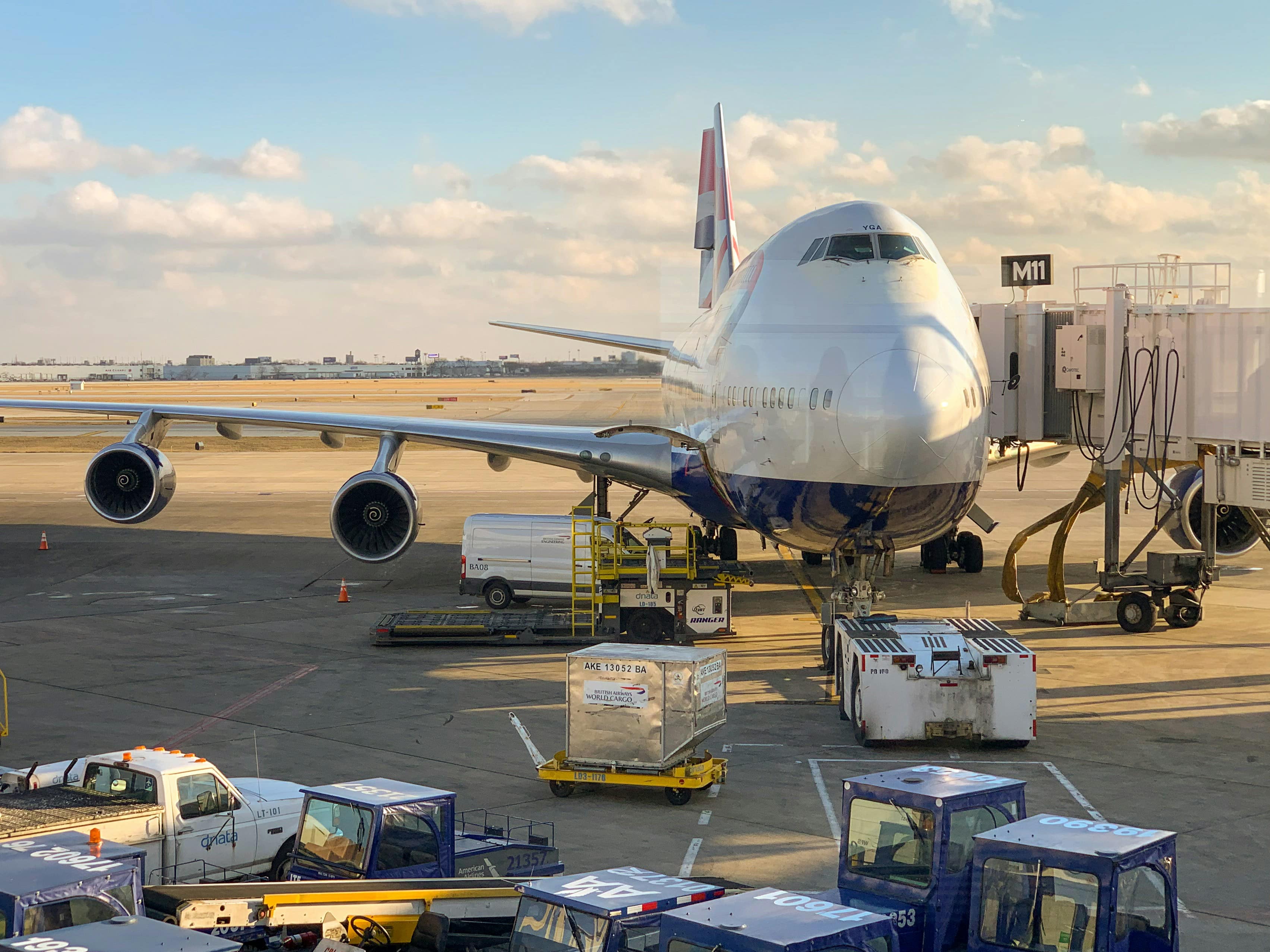
The main landing gear serves as the primary structural support system for aircraft during ground operations, taxiing, takeoff, and landing phases. This critical aviation component bears the majority of the aircraft's weight when on the ground, typically supporting approximately 90 percent of the total mass while the nose gear handles the remaining load. Modern main landing gear assemblies incorporate advanced shock absorption systems, high-strength materials, and precision-engineered components designed to withstand repeated high-impact landings and support heavy operational loads. The main landing gear features hydraulically actuated retraction mechanisms that allow the gear to fold into the fuselage or wing compartments during flight, reducing aerodynamic drag and improving fuel efficiency. These assemblies include multiple wheels arranged in bogies or trucks, depending on aircraft size and weight requirements. Each main landing gear unit integrates braking systems with anti-skid technology, enabling controlled deceleration during landing rollout and ground maneuvering. The structural framework utilizes titanium alloys, high-grade steel, and advanced composite materials to achieve optimal strength-to-weight ratios. Applications span commercial aviation, military aircraft, cargo transporters, and business jets, with each configuration tailored to specific operational demands. The main landing gear undergoes rigorous testing protocols and maintenance schedules to ensure flight safety and reliability throughout the aircraft's service life, making it an indispensable element of aviation engineering.

New Product Releases

Investing in quality main landing gear delivers substantial operational benefits that directly impact your bottom line and safety record. The robust construction ensures exceptional durability, reducing replacement frequency and lowering long-term maintenance costs while maximizing aircraft availability for revenue-generating flights. Advanced shock absorption technology protects the airframe from impact stresses, extending the structural life of your aircraft and preserving asset value over decades of service. The efficient retraction system minimizes aerodynamic drag during cruise flight, translating into measurable fuel savings that accumulate significantly across thousands of flight hours. Operators benefit from reduced operating expenses and improved environmental performance through lower emissions. The integrated braking systems provide precise control during all ground operations, enhancing safety margins in challenging weather conditions and on shorter runways, expanding your operational flexibility to serve more destinations. Reliable main landing gear reduces unscheduled maintenance events and delays, improving dispatch reliability and customer satisfaction while protecting your reputation. The modular design facilitates faster component replacement and streamlined maintenance procedures, minimizing aircraft downtime and labor costs. High-quality materials resist corrosion and fatigue, performing consistently in diverse climatic conditions from tropical humidity to arctic cold. For fleet operators, standardized main landing gear configurations across aircraft types simplify parts inventory management and technician training requirements. The proven track record of certified main landing gear assemblies provides peace of mind, meeting stringent aviation safety standards and insurance requirements. These practical advantages combine to deliver superior total cost of ownership, operational reliability, and safety performance that justifies your investment decision.

Latest News

Cost-Effective Procurement Strategies for Tools

15

Sep

Cost-Effective Procurement Strategies for Tools

Cut tool costs by 15–25% with proven procurement strategies: TCO analysis, supplier consolidation, preventive maintenance & tech-enabled management. Optimize value—start now.
View More
Sourcing Certified GSE Spares with Traceability

15

Sep

Sourcing Certified GSE Spares with Traceability

Struggling with aviation compliance risks? Source certified GSE spares with end-to-end traceability to ensure AS9100/ISO 9001 compliance. Download best practices now.
View More
Selecting Reliable GSE to Improve Ground Ops

15

Sep

Selecting Reliable GSE to Improve Ground Ops

Struggling with aircraft delays? Discover how choosing reliable GSE vendors improves turnaround time. Get your free vendor evaluation checklist.
View More
Sourcing Traceable APU Spare Parts Efficiently

14

Sep

Sourcing Traceable APU Spare Parts Efficiently

Struggling with APU part delays and audit risks? Discover how to source traceable APU spare parts efficiently while ensuring FAA/EASA compliance. Get actionable steps now.
View More
Advanced Shock Absorption Technology

Advanced Shock Absorption Technology

The main landing gear incorporates sophisticated shock absorption systems that transform landing impact energy into controlled compression, protecting both aircraft structure and passengers from excessive forces. Multi-stage oleo-pneumatic struts combine hydraulic fluid damping with compressed nitrogen gas springs, delivering progressive resistance that adapts to varying landing weights and descent rates. This technology absorbs vertical forces exceeding several times the aircraft's static weight during hard landings, preventing structural damage that would otherwise require costly repairs. The precisely calibrated shock absorbers maintain consistent performance across temperature extremes, ensuring reliable operation whether landing in desert heat or arctic conditions. Energy dissipation occurs smoothly throughout the compression stroke, eliminating harsh jolts that would compromise passenger comfort and cargo integrity. This advanced damping capability extends airframe fatigue life significantly, allowing aircraft to achieve design service lives exceeding 60,000 flight cycles. The shock absorption system also reduces vibration transmission to sensitive avionics and systems, enhancing equipment reliability and reducing electronic failures that cause operational disruptions.
Precision-Engineered Retraction Mechanism

Precision-Engineered Retraction Mechanism

The hydraulically powered retraction mechanism represents engineering excellence, seamlessly transitioning the main landing gear between deployed and stowed positions with absolute reliability. Precision actuators drive the folding sequence through carefully choreographed movements, guided by multiple position sensors that confirm proper extension and locking before touchdown clearance. The retraction system operates within strict time parameters, typically completing the cycle in 10 to 15 seconds, minimizing the duration of high-drag configuration after takeoff. Redundant locking mechanisms engage both in the extended position for ground operations and in the retracted position during flight, preventing uncommanded movement that could create catastrophic situations. The system includes emergency extension capabilities using gravity and backup power sources, ensuring the main landing gear deploys even during complete hydraulic system failures. Maintenance-friendly design allows technicians to service actuators, seals, and linkages without extensive disassembly, reducing labor hours and parts costs. The compact stowage arrangement maximizes available cargo space and fuel capacity, directly contributing to payload capability and operational range that define your competitive advantage in the market.
Heavy-Duty Braking and Wheel Assembly

Heavy-Duty Braking and Wheel Assembly

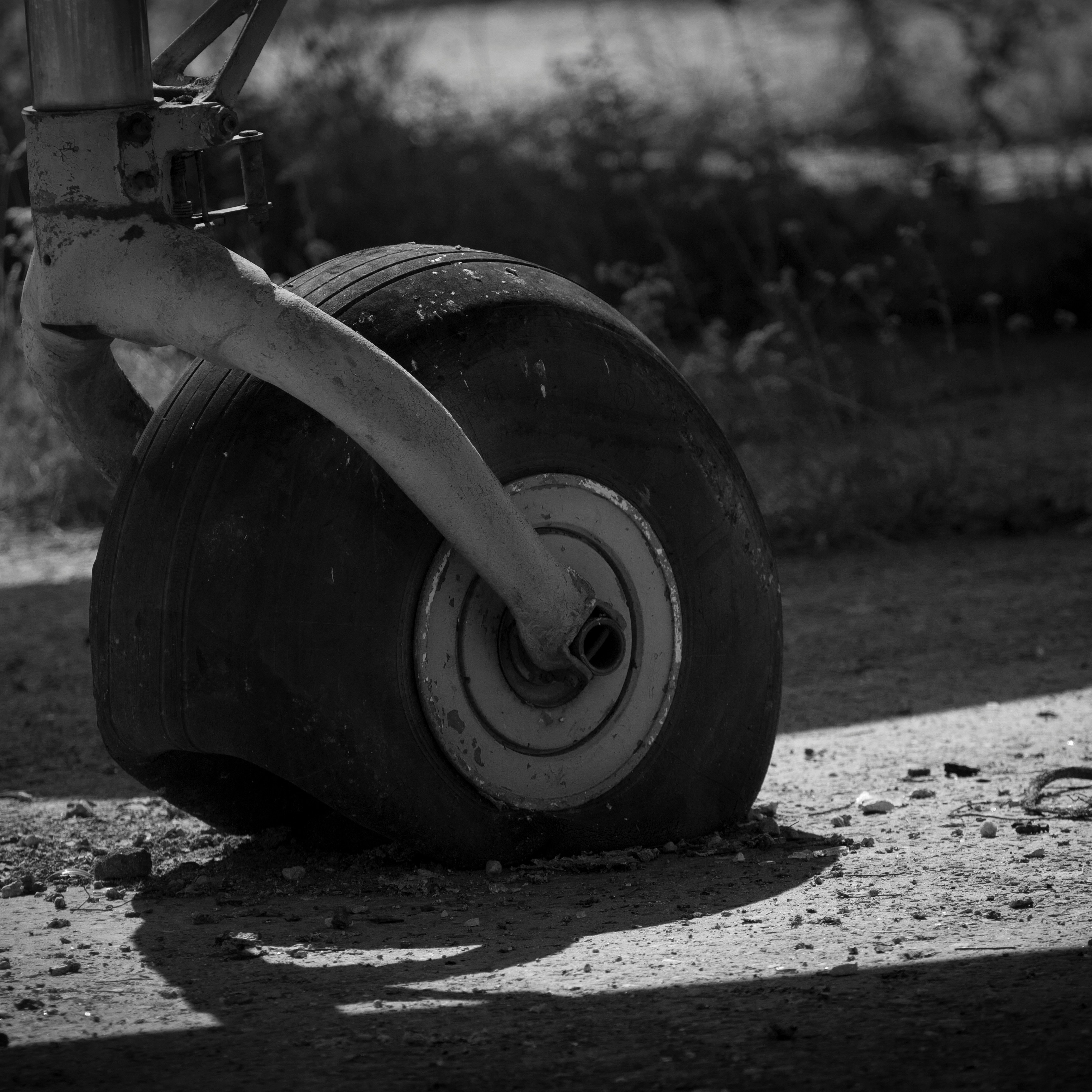
The main landing gear integrates high-performance braking systems engineered to safely decelerate aircraft weighing hundreds of thousands of pounds from landing speeds exceeding 150 knots. Carbon composite brake discs withstand extreme thermal loads generated during rejected takeoffs and maximum-weight landings, maintaining consistent friction coefficients throughout the braking event without fade. Anti-skid systems monitor individual wheel speeds hundreds of times per second, modulating brake pressure to prevent tire lockup on contaminated runways covered with water, snow, or ice. This intelligent control maximizes available traction while preserving tire life and maintaining directional stability during critical rejected takeoff scenarios. Multiple-wheel bogies distribute ground loads across larger contact areas, reducing pavement stress and enabling operations from airports with lower load-bearing capacity ratings, expanding your network opportunities. The wheels feature quick-change designs that allow tire replacement in minimal time, reducing turnaround delays and keeping aircraft productive. Heat-resistant materials and thermal fuses protect against tire fires, while pressure monitoring systems alert crews to inflation issues before they compromise safety, demonstrating the comprehensive approach to operational security built into modern main landing gear assemblies.